Elderly Health
Elderly Health focuses on the unique health challenges and wellness strategies for individuals typically over the age of 65. This niche encompasses topics such as age-related diseases like Alzheimer's and osteoporosis, chronic conditions including arthritis and hypertension, as well as preventive care and cognitive health. It also covers geriatric care, nutrition, physical activity, and mental well-being tailored to seniors, alongside discussions on medications, therapies, and lifestyle adaptations for healthy aging.
Explore Topics
In-depth topics to explore in Elderly Health.
Elderly Health: Complete Guide
Elderly health focuses on preventing decline, maintaining independence, and improving quality of life as the body and brain change with age. This guide covers the biology of aging, evidence-based habits, screening and medication safety, and practical steps families can use to support healthy aging day to day.
Older Adults: Complete Guide
Older adults, typically age 65 and up, often have different health priorities than younger people, including preserving muscle, strength, bone, and independence. This guide explains how aging changes the body, what helps most, what to watch out for, and practical nutrition and lifestyle strategies backed by modern research.
Falls: Complete Guide
Falls are common accidents that can range from minor bruises to life-changing injuries, especially as we age or when health conditions affect balance and strength. This guide explains why falls happen, what the real risks are, and the most effective, evidence-based steps to prevent falls at home, outdoors, and in daily life.
All Articles
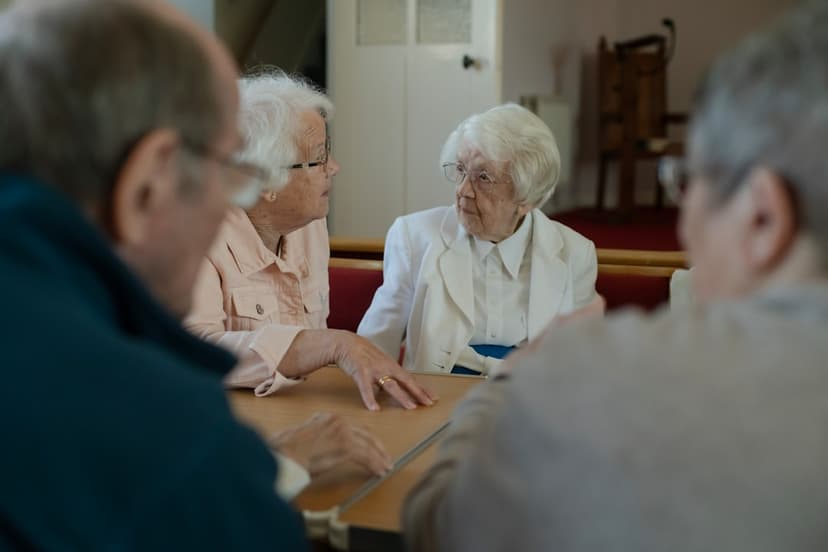
Don’t Die Q&A: Elderly Health, Family, and Biomarkers
Most longevity conversations get stuck on supplements, flashy procedures, or internet arguments. This Q&A takes a different route, it treats healthy aging as a practical daily system and a family project. The discussion moves between big ideas (a shared “don’t die” philosophy) and very grounded habits: sleep timing, exercise consistency, basic nutrition, protecting hearing from loud venues, and tracking biomarkers. It also highlights an emotional through-line, the vulnerability of aging, guilt, reconciliation, and why “feeling good today without pain” can matter more to older adults than abstract lifespan goals.
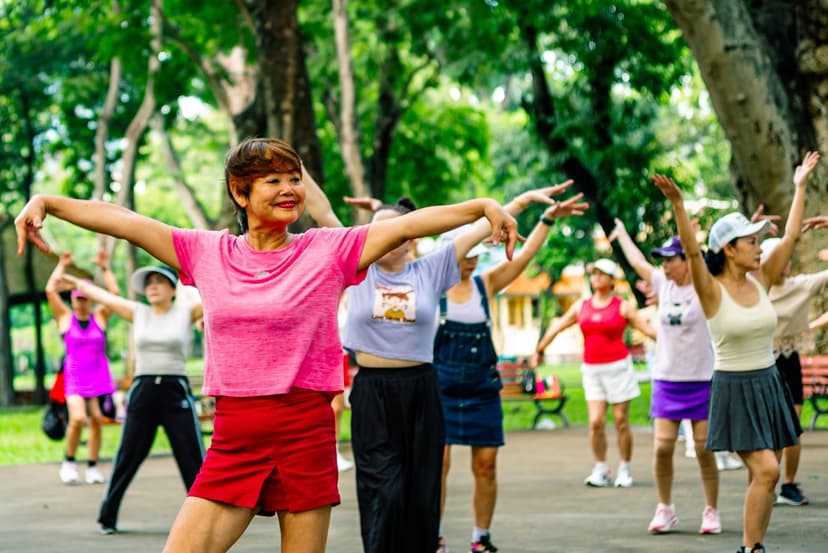
Sleep, Move, Eat: Aging Into a Better Future
Many older adults ask, "Is it too late to feel better and live bigger?" This video offers a hopeful, unusually future-focused answer: we can become “equal to this moment” by letting go of rigid expectations and strengthening the basics. The speaker frames sleep, daily exercise, and eating well as the foundation that makes openness and growth possible. For aging adults, this is both practical and deeply personal, it is an invitation to improve your day-to-day capacity so you can meet tomorrow with more energy, flexibility, and confidence.

Weird Health Experiments, What to Know as You Age
Some health-focused people try surprisingly intense experiments, like exchanging plasma with family members, using shock wave therapy, getting Botox injections for non-cosmetic reasons, and timing urinary flow to gauge strength. This video’s unique perspective is not about a single miracle fix, it is about how far self-experimentation and measurement can go. For older adults, the useful takeaway is the mindset: track what matters, but match the tool to the risk. This article unpacks what these interventions are, where evidence is limited, and how to approach monitoring and procedures more safely with a clinician.
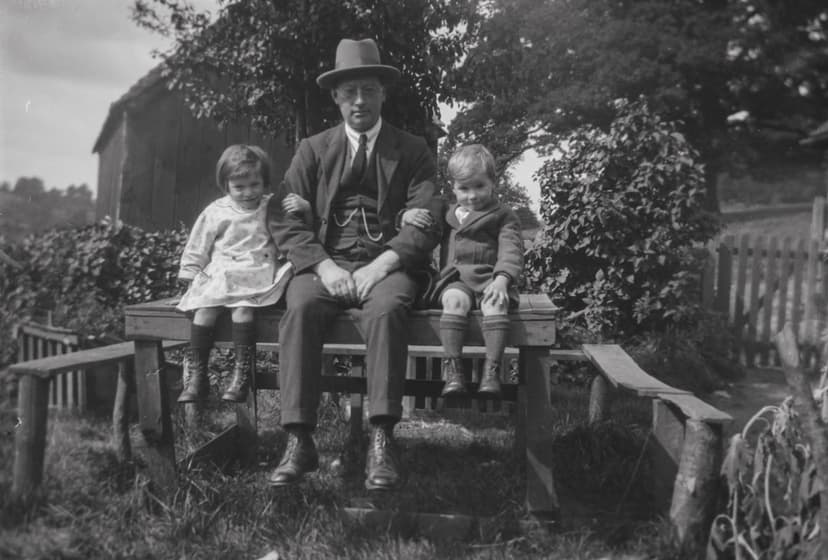
When Older Dads Feel Misunderstood by Family
Many people assume family strain means a parent did not care enough. This video flips that idea: a dad says he works extremely hard to be a good father, feels proud of that effort, and still lives with a “fractured family situation.” For older adults, carrying that unseen story can affect stress, sleep, blood pressure, and mood. This article explores the health puzzle of feeling deeply committed while feeling misunderstood, why some people hide what matters to them, and practical ways to communicate your values and needs without turning conversations into fights.
Rethinking Alcohol: A Hidden Cultural Norm in Elderly Health
In a brief yet impactful discussion, the expert challenges the cultural norm of alcohol consumption, labeling it as a detrimental practice, especially for the elderly. The expert advocates for alternative methods to achieve relaxation and social comfort, emphasizing that alcohol is essentially a poison. This perspective aligns with research indicating the profound impact of cultural norms on health behaviors, underscoring the need for a reevaluation of alcohol's role in society.

The Hidden Dangers of Sugary Beverages for Seniors
In the video 'Wreckage masquerading as pleasure', the speaker highlights the hidden perils of sugary beverages, particularly for seniors. With drinks containing up to 800 calories and nearly 200 grams of sugar, these beverages pose significant risks like diabetes and heart disease. The narrative is personal, revealing how the speaker's stepfather developed health issues partly due to his addiction to such drinks. Supported by research, this article delves into the broader implications of these dietary choices, emphasizing the need for awareness and healthier alternatives.

The Real Impact of McDonald's on Elderly Health
You are in the car with a parent or grandparent, the bag smell hits, and suddenly it feels comforting and familiar. This video’s perspective is blunt, McDonald’s most popular items are engineered to be irresistible, but they may quietly tax the body, especially in older age. It spotlights label loopholes (like “0 g trans fat”), heavy sodium loads, added sugars that can drive hunger cycles, and ultra-processed ingredients used to stabilize oils and textures. While the tone is intentionally provocative, the practical takeaway is clear, older adults benefit from minimizing ultra-processed fast food and choosing simpler, lower-sodium, lower-sugar alternatives when convenience is needed.