Sleep, Move, Eat: Aging Into a Better Future

Summary
Many older adults ask, "Is it too late to feel better and live bigger?" This video offers a hopeful, unusually future-focused answer: we can become “equal to this moment” by letting go of rigid expectations and strengthening the basics. The speaker frames sleep, daily exercise, and eating well as the foundation that makes openness and growth possible. For aging adults, this is both practical and deeply personal, it is an invitation to improve your day-to-day capacity so you can meet tomorrow with more energy, flexibility, and confidence.
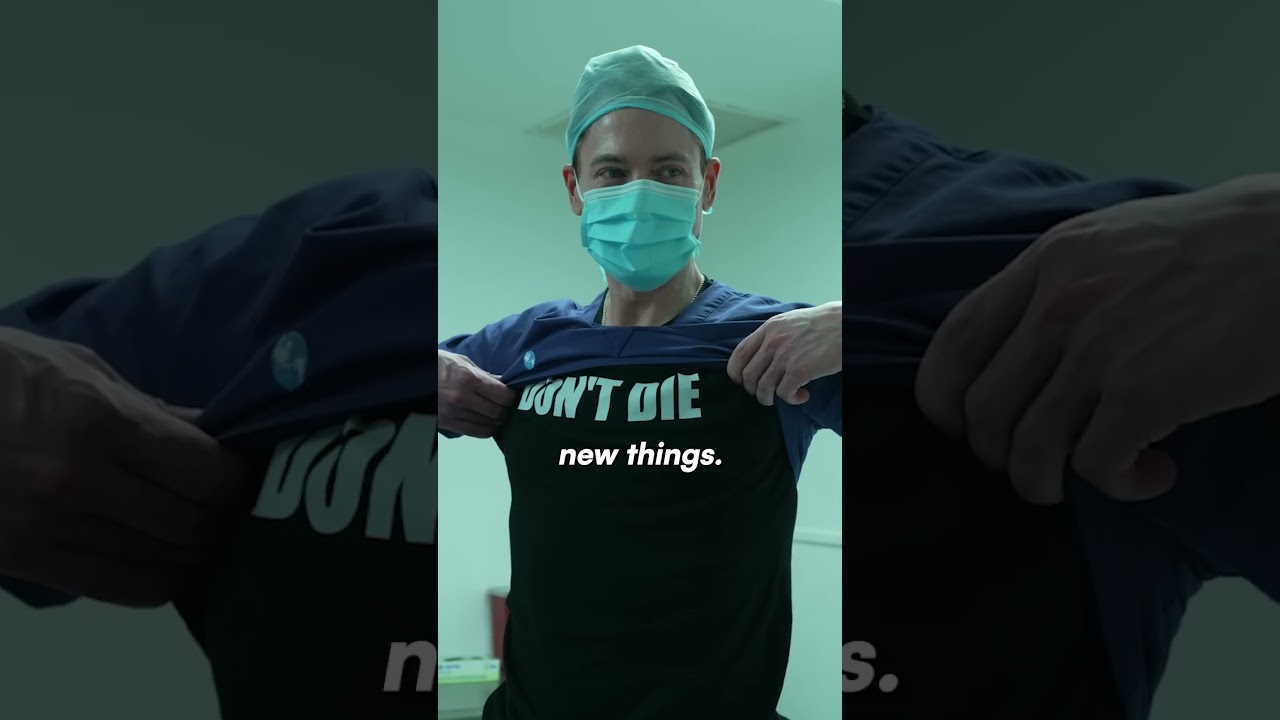
A common question: Can I still change at my age?
“Is it too late for me to become someone new?”
That question shows up often in later life, after a health scare, after retirement, or after losing someone. The video lands on a strikingly hopeful position: we are living in a “special moment in time,” and the future may be “more expansive and interesting than anything we can imagine.” The point is not that aging is easy. It is that growth is still on the table.
What’s unique here is the moral tone: the future is described as “magnificent,” and the invitation is to become worthy of it, even while feeling flawed.
Did you know? Sleep patterns often change with age, and older adults may experience lighter sleep and more awakenings, which can affect daytime energy and mood. Learn more from the National Institute on AgingTrusted Source.
The video’s unique idea: Be “equal to this moment”
This perspective suggests that personal change is not only about willpower or positive thinking. It is also about capacity.
The speaker’s argument centers on a paradox: to reach a bigger, more interesting life, you may need to let go of what you “want or imagine” and practice being open to something genuinely new. For many older adults, that can mean loosening the grip on a single “right” plan, like exactly how retirement should look, how the body should feel, or how relationships should work. Openness is a skill, and skills are easier to practice when your body is supported.
Pro Tip: If “being open” feels vague, make it concrete. Pick one small experiment per week, a new walking route, a new class, or a new breakfast, and notice what changes.
The three basics that make openness possible
The video names three foundations: sleep well, exercise every day, and eat well.
1) Sleep well (so your brain can adapt)
Sleep is not just rest, it supports attention, emotion regulation, and learning. For practical guidance, the CDC sleep recommendationsTrusted Source can help you aim for an age-appropriate target.
2) Exercise every day (so your body stays usable)
Daily movement can be modest and still meaningful. The World Health Organization activity guidance for older adultsTrusted Source highlights benefits for function, balance, and overall health.
3) Eat well (so energy is steadier)
Eating well in this video is about readiness, not perfection. If appetite, dental issues, or medication side effects make eating difficult, it is reasonable to discuss nutrition with a clinician or a registered dietitian.
Important: If you have diabetes, kidney disease, swallowing problems, or unintended weight loss, ask your healthcare team before making major diet changes.
Before vs After: Rigid goals vs open readiness
Option A (Before): You demand a specific outcome. When the body hurts or sleep is poor, the plan collapses, and you blame yourself.
Option B (After): You build the basics first. With better sleep, daily movement, and steadier nourishment, it becomes easier to release the tight script and try something new.
Q: What if I want change, but I feel stuck and tired?
A: Start by treating “stuck” as a signal to simplify. The speaker’s framework implies that fatigue can shrink your ability to be open, so begin with one basic, like a consistent bedtime or a short daily walk.
If tiredness is new, severe, or paired with symptoms like shortness of breath, chest pain, or dizziness, it is wise to seek medical evaluation.
Jordan Ellis, MPH
Key Takeaways
Frequently Asked Questions
- How much exercise is “every day” for older adults?
- It can be as simple as a daily walk, light stretching, or chair-based movement, adjusted for your mobility and safety. If you have heart, joint, or balance concerns, ask a clinician what intensity is appropriate for you.
- Why does sleep matter so much for staying open to change?
- Sleep supports mood, attention, and learning, which all affect how flexible and hopeful you feel. If sleep problems are persistent, discussing them with a healthcare professional can help identify contributors like pain, medications, or sleep disorders.
Get Evidence-Based Health Tips
Join readers getting weekly insights on health, nutrition, and wellness. No spam, ever.
No spam. Unsubscribe anytime.