How to Avoid Falling on Ice, Practical Doctor Tips
Summary
Most people blame ice itself when they slip, but the bigger problem is how we walk, what we wear, and what we fail to notice. In this video, two doctors unpack simple, real world strategies that reduce falls, from choosing boots with serious tread to shuffling with a wide base, keeping hands out of pockets, and avoiding poorly lit routes. They also discuss why thin snow hiding ice is especially deceptive, and how pet friendly ice melters can help. A small change in pace and planning can prevent fractures that may have long lasting consequences.
🎯 Key Takeaways
- ✓Ice is slippery because it has a low coefficient of friction, you cannot count on your foot to get traction and push back.
- ✓Footwear matters more than willpower, boots with real tread, plus optional traction add-ons, can meaningfully reduce slip risk.
- ✓A thin layer of snow over ice is a classic trap, clearing paths and choosing snow covered grass over bare sidewalk can be safer.
- ✓Walk differently on ice, slow down, take small shuffling steps, keep your center of gravity over your feet, and keep hands out of pockets.
- ✓Poor lighting raises fall risk, avoid night routes when possible, or add light with a headlamp or flashlight.
What most people get wrong about slipping on ice
Most people think the solution is to be more careful.
The problem is that “careful” often looks like rushing with tense legs, hands stuffed in pockets, and shoes that were never designed to grip frozen ground. In the video, the clinicians frame winter falls as predictable, not random, especially after an ice storm when people wake up and forget to check what is underfoot.
And the consequences are not just a bruised ego. The discussion keeps circling back to the fracture clinic reality: falls on ice commonly lead to wrist, ankle, hip, back, or shoulder injuries. Even when healing goes well, a fracture can leave long term stiffness, chronic pain, or reduced function, which is why prevention is treated as the main goal.
Important: If you do fall and hit your head, cannot bear weight, have severe pain, numbness, or obvious deformity, it is reasonable to seek urgent medical care. Some injuries are not safe to “walk off.”
The video’s unique lens, predictable falls and preventable fractures
What stands out in this conversation is how practical it is. Instead of focusing on rare medical conditions, it focuses on everyday choices that quietly stack the odds against you: the wrong footwear, unclear paths, poor lighting, and moving too fast.
There is also a slightly uncomfortable truth embedded in the humor: winter falls are common enough that you can find endless clips online, and common enough that orthopedic services reliably get busier when ice hits.
Why ice wins, the simple physics behind a fall
Ice is not just “slippery,” it is low friction.
The explanation in the video leans on a simple concept: ice has a very low coefficient of friction, meaning your shoe cannot reliably “grab” the surface. When you push down and back with your foot to walk, you normally get a reaction force from the ground that helps propel you forward. On ice, that reaction force is reduced, so your foot keeps sliding, and your body keeps moving, until balance is lost.
This framing matters because it changes the goal. The goal is not perfect balance on a bad surface. The goal is to change the surface when you can, and change your movement when you cannot.
Did you know? Footwear design can measurably change slip risk on ice. A study on winter footwear and slipping risk highlights how traction performance varies across footwear types and conditions, not all “winter shoes” behave the same on level ice (winter footwear and slipping risk on iceTrusted Source).
Footwear that actually helps (and what to avoid)
In the video, the first tip is blunt: do not go out with silly footwear. That includes slides in winter, Crocs, and typical running shoes.
Not because those shoes are “bad,” but because they are mismatched to the physics of ice. If the tread cannot bite, your foot can shoot out, and the rest of you follows.
A practical footwear checklist (what this perspective emphasizes)
A good pair of winter boots is not a guarantee, but it can shift the odds.
What the research shows: Ice traction is not uniform across winter footwear. Research evaluating slipping risk on level ice suggests measurable differences in performance between footwear designs and conditions (risk of slipping on level ice and winter footwearTrusted Source).
Make the ground safer before you step on it
The safest step is the one you never have to take on hidden ice.
A theme in the video is “remove surprises.” Clear paths, choose better surfaces, and do not let a thin layer of snow fool you.
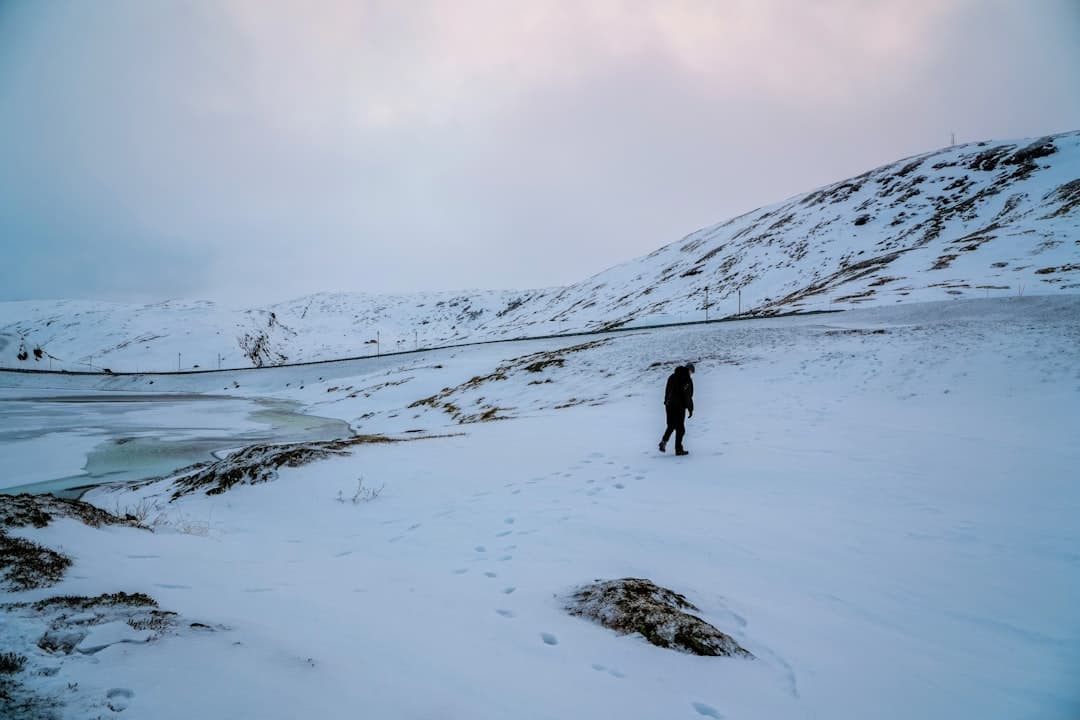
Snow itself is not always the main issue. A thin layer of snow on top of ice can be deceptive, it looks harmless, but it hides the slick layer underneath. That is when people commit their full body weight to a step and suddenly lose traction.
Where you walk matters as much as how you walk
One practical strategy described is choosing snow covered grass over a shiny sidewalk when you can. Grass with snow often provides more texture and grip than a glazed sidewalk. It is not perfect, and you still have to watch for uneven ground, but the idea is to prefer surfaces with “grit” instead of sheer ice.
Ice melters, salt, sand, and the pet factor
The discussion also brings up a real world tradeoff: ice melters can help with traction, but may have environmental downsides, and can irritate pets’ paws.
Pro Tip: If you are heading out after an ice storm, do a quick “surface scan” at your doorway. A 10 second look can prevent the first, most dangerous step.
How to walk on ice, the shuffle strategy
Moving too fast is a setup.
The video’s advice here is refreshingly unglamorous: slow down, take small shuffling steps, and keep your center of gravity over your feet. It is not about looking cool, it is about staying upright.
This matters because many slips happen during transitions: stepping off a curb, turning quickly, leaning forward to hurry, or trying to keep a normal pace on a surface that cannot support that pace.
How to walk on ice (step-by-step)
Slow your pace and leave extra time. The argument is simple: you cannot keep the same walking speed on ice as on dry land. If you plan for a slower commute, you are less likely to rush and lean forward.
Use small, slow, shuffling steps. Shuffling reduces the horizontal force that makes your foot shoot forward. It also helps you correct sooner if your foot starts to slide.
Keep a wider base and stack your weight over your feet. A slightly wider stance and upright posture keeps your center of gravity more stable. Leaning forward when you are in a hurry shifts your weight in a way that makes recovery harder.
Keep your hands out of your pockets. This is a surprisingly important point. Arms help balance, and if your hands are trapped, you lose a major stabilizing tool.
Wear gloves so you can keep hands free. The video acknowledges the obvious objection, cold hands. Gloves let you keep your hands available for balance without freezing.
One more nuance: if you do slip, instinctively reaching out can lead to wrist injuries. That does not mean you should keep hands in pockets. It means it is worth thinking about fall prevention as the main strategy, because the “catch yourself” reflex can be costly.
Resource callout: »MORE: Make a “winter walk kit” list for your entryway, boots, traction add-ons, gloves, headlamp, and a small bag of sand or pet safe melt. Having it ready reduces last minute shortcuts.
The edge cases, darkness, dogs, and distractions
Nighttime changes the game.
The video recommends avoiding going out at night when possible, or at least making sure your path is lit. Even in summer, uncertain ground increases fall risk. In winter, darkness makes it harder to see glossy patches, black ice, and uneven surfaces hidden by snow.
A headlamp or flashlight is not just for hikers. It is a practical safety tool when you are walking to a car, taking out garbage, or walking the dog.
Dogs, salt, and why your pet suddenly “won’t walk”
The pet detail is one of the most relatable parts of the discussion. Dogs may pull up or act uncomfortable on salted sidewalks, and it is easy to assume they are just cold. In reality, salt can irritate paws.
If your dog refuses booties, you are not alone. The video jokes about pets having “no part of the boots,” which is funny because it is true for many animals. In that case, choosing less irritating de-icers, wiping paws after walks, and selecting snow covered grass routes can be practical compromises.
Why this prevention mindset matters
The clinicians also make a serious point: some fractures can have irreversible consequences. A wrist that never regains full motion, an ankle that heals with lingering issues, or a hip fracture that can be life threatening in older adults.
That is why the tone is not “be brave.” It is “be boring and stay intact.”
Q: If I am already unsteady, should I just avoid going outside on icy days?
A: It can be reasonable to reduce exposure when conditions are worst, especially if you have a history of falls, use a cane or walker, or have conditions that affect balance. If you must go out, consider traction devices, slower routes with better lighting, and asking for help with errands or snow clearing.
Talking With Docs clinicians (Dr. Paul Salo and Dr. Brad Weening)
Q: Are running shoes ever “good enough” on ice if I walk carefully?
A: This viewpoint is that careful walking cannot fully compensate for low traction. Shoes with minimal tread can still slip unexpectedly, especially on black ice or when a thin layer of snow hides ice. Boots with meaningful tread, plus optional traction add-ons, are a safer baseline for many people.
Talking With Docs clinicians (Dr. Paul Salo and Dr. Brad Weening)
Key Takeaways
Sources & References
Frequently Asked Questions
- What is the safest way to walk on ice without slipping?
- Slow down and take small, shuffling steps while keeping your weight centered over your feet. A wider stance and keeping hands out of pockets can improve balance, especially on hidden ice.
- Do traction cleats or spikes really help on icy sidewalks?
- They may help by increasing grip on low-friction surfaces like ice. Research suggests footwear traction varies meaningfully on ice, so add-on devices can be useful when conditions are slick ([study on ice slipping risk and footwear](https://pubmed.ncbi.nlm.nih.gov/41175464/)Trusted Source).
- Is snow safer to walk on than ice?
- Often, yes, because snow can provide more texture than bare ice. The tricky scenario is a thin layer of snow covering ice, which can look safe but still be very slippery.
- Why should I keep my hands out of my pockets on ice?
- Your arms help you balance and react quickly if you start to slip. Wearing gloves lets you keep hands free without exposing them to the cold.
- What can I use instead of salt to reduce slipping and protect my dog’s paws?
- Some people use pet friendly ice melters or sand for traction. If you use any product, consider your local guidance and your pet’s sensitivity, and wipe paws after walks if irritation is a concern.
Get Evidence-Based Health Tips
Join readers getting weekly insights on health, nutrition, and wellness. No spam, ever.
No spam. Unsubscribe anytime.