Immune Health
Immune Health encompasses the body's defense mechanism against infections, diseases, and other invaders. This niche covers topics such as the role of white blood cells and antibodies, the impact of nutrition and lifestyle on immunity, and strategies for preventing and managing conditions like colds, flu, and autoimmune disorders through vaccines, supplements, and natural remedies.
Explore Topics
In-depth topics to explore in Immune Health.
Inflammation: Complete Guide
Inflammation is your body’s built-in repair and defense system. When it is short-term, it helps you heal and fight infections. When it becomes chronic, it can quietly drive pain, fatigue, and long-term risks for conditions like heart disease, diabetes, and arthritis.
Vaccine: Complete Guide
Vaccines train your immune system to recognize and fight specific infections before they cause serious illness. This guide explains how vaccines work, what benefits and side effects to expect, how to make practical decisions about timing and eligibility, and how to evaluate vaccine claims using high-quality evidence.
Lymph: Complete Guide
Lymph is the clear, protein containing fluid that circulates through the lymphatic system, carrying immune cells, removing waste, and returning fluid to the bloodstream. When lymph flow is robust, it supports immune defense, fluid balance, and healthy tissue recovery. This guide explains how lymph works, what can impair it, and practical, evidence aligned ways to support healthy lymphatic function.
Vaccines: Complete Guide
Vaccines train your immune system to recognize and fight infections before they cause serious illness. This guide explains how vaccines work, what benefits and risks to expect, how to use vaccine schedules in real life, and how to evaluate claims with confidence.
IgA: Complete Guide
IgA is the immune system’s front-line antibody for mucosal surfaces like the gut, airways, and genitourinary tract. This guide explains how IgA works, what “low” or “high” IgA can mean, how IgA is tested, and practical ways to support mucosal immunity while understanding real-world risks.
Infection: Complete Guide
Infection happens when harmful germs enter the body, multiply, and trigger an immune response. This guide explains how infections start and spread, what symptoms mean, how to prevent and manage infections safely, and what current research says about diagnosis, treatment, and antimicrobial resistance.
Microbes: Complete Guide
Microbes are tiny organisms, including bacteria and viruses, that shape your health every day, from digestion and immunity to inflammation and even mood. Some microbes protect you and train your immune system, while others cause infections or contribute to chronic disease when they overgrow or enter the wrong place. This guide explains how microbes work, what helps a healthy microbiome, what raises risk, and how to make practical, evidence-based choices.
Immunity: Complete Guide
Immunity is your body’s layered defense system for preventing infection, limiting damage, and building protection for the future. This guide explains how immunity works, what truly strengthens it, where people get misled, and how to make practical, evidence-based choices for everyday immune support.
Vaccination: Complete Guide
Vaccination is one of the most effective tools for preventing infectious diseases, reducing severe illness, and protecting vulnerable people through community immunity. This guide explains how vaccines work, what benefits and risks look like in real life, how to navigate schedules and special situations, and how to evaluate vaccine claims using high-quality evidence.
Immune System: Complete Guide
Your immune system is a coordinated network of barriers, cells, and chemical signals that identifies threats, clears infections, and remembers past exposures. This guide explains how immunity works, what strengthens or weakens it in real life, what research supports, and how to reduce infection risk without falling for hype.
All Articles
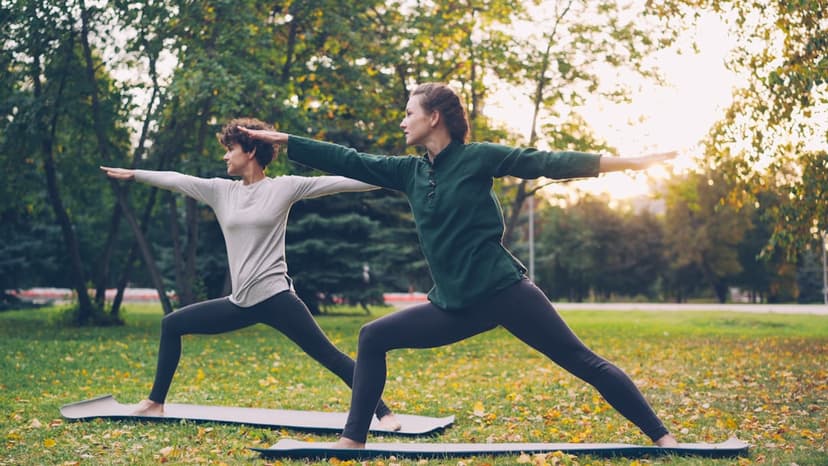
Reverse Silent Inflammation With Daily Movement
Many people assume “inflammation” only matters when you are sick or injured. In this video, Prof. Janet Lord explains a different problem, low-grade inflammation that can simmer for years (often unnoticed) and quietly shape how we age. Her key message is practical: daily movement is not just fitness, it is immune regulation. She highlights step counts (3,000 versus 10,000), the surprising anti-inflammatory role of working muscle, and why long sitting can undo some benefits. The goal is not zero inflammation, it is the right amount, then switching it off.

Why Eating the Whole Lemon May Boost Immunity
If you only squeeze lemons for juice, you may be missing what this video calls the most nutrient dense parts: the peel, white pith, and even the seeds. The core idea is simple, blend the whole lemon into a drink so you get citrus bioflavonoids (like hesperidin and diosmin), citrates, and polyphenols alongside vitamin C. This perspective connects whole lemon intake with blood vessel support, collagen protection, microbiome support, and practical uses for digestion, kidneys, and hydration. Organic, unwaxed fruit and good washing practices matter, especially if you plan to eat the peel.
How Behavior Can Shift Gene Expression and Immunity
One surprising takeaway from Dr. Melissa Ilardo’s discussion is that human biology is not just “set” by DNA, it is constantly responding to environment and behavior. The conversation connects immune genetics to mate preference (including the famous sweaty T-shirt studies), explains how gene expression can shift quickly, and explores longer-term changes that can persist across generations. It also reframes evolution as “best fit,” not “most fit,” and highlights how standing genetic variation can become advantageous when environments and behaviors change.
Dr. Seheult’s Immune System Playbook: NEWSTART + Light
Getting sick less often is not only about avoiding germs, it is also about strengthening the body’s baseline resilience. In this Huberman Lab conversation, Dr. Roger Seheult frames immune support through the NEWSTART pillars (Nutrition, Exercise, Water, Sunlight, Temperance, Air, Rest, Trust) and adds a distinctive emphasis on sunlight and red or near-infrared light as tools that may support mitochondrial function and oxidative balance. The discussion also covers practical options for symptom relief and recovery, including heat exposure, steam, NAC (N-acetylcysteine) dosing used in studies, zinc considerations, and why nature and green spaces may matter more than we think.
Best Foods for Gut Inflammation, Expert Picks
A gut-first view of inflammation says many aches and immune flare-ups start in the intestines, where a large share of the immune system lives. When the gut barrier gets irritated, tiny “leaks” may let food particles cross into the bloodstream, provoking immune reactions and inflammation. This article walks through the video’s main triggers (gluten-containing grains, refined corn and soy, seed oils, alcohol, artificial sweeteners, and certain dairy proteins for some people), then focuses on seven foods highlighted as especially supportive for gut lining repair and calmer digestion, with practical ways to use them.
Uncomfortable Vaccine Questions, Explained Clearly
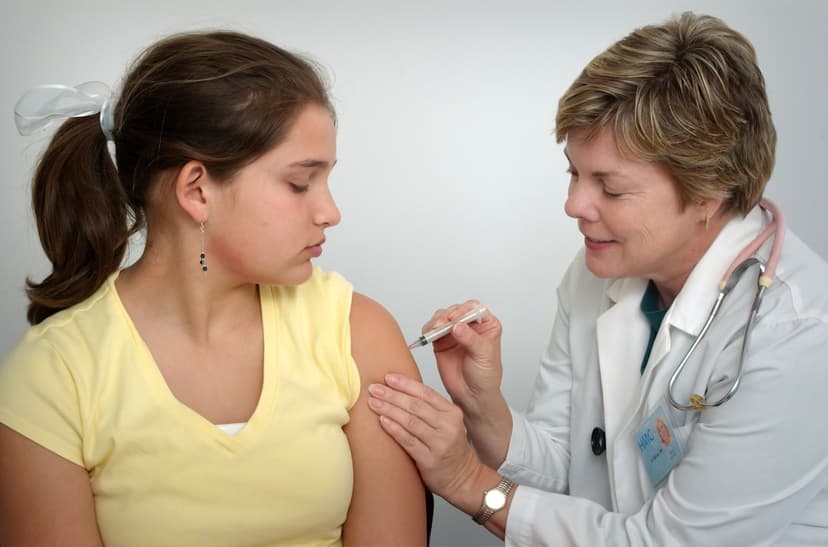
If you have ever looked at the childhood schedule, heard a scary claim from a credentialed person, or wondered how vaccines can be “safe” when rare side effects exist, this article is for you. Based on Dr. Paul Offit’s conversation, the core message is that vaccine decisions are made with the question “Do we know enough,” not “Do we know everything.” The discussion walks through how trials and real-world monitoring work together, why some risks only appear after millions of doses, and why clear communication matters as much as data.

Why “Natural Immunity” Can Be a Risky Strategy
“Natural immunity” can be strong, but the video’s core point is simple: to get it, you must first survive the infection and its risks. The discussion highlights how easy it is to forget how dangerous certain infections used to be, partly because vaccines made once-common complications rare. A vivid example is Hib meningitis, which older trainees learned to diagnose with spinal taps far more often than many clinicians do today. This article breaks down that perspective, clarifies what research says about infection versus vaccination, and offers practical questions to discuss with your clinician.

How to Avoid Falling on Ice, Practical Doctor Tips
Most people blame ice itself when they slip, but the bigger problem is how we walk, what we wear, and what we fail to notice. In this video, two doctors unpack simple, real world strategies that reduce falls, from choosing boots with serious tread to shuffling with a wide base, keeping hands out of pockets, and avoiding poorly lit routes. They also discuss why thin snow hiding ice is especially deceptive, and how pet friendly ice melters can help. A small change in pace and planning can prevent fractures that may have long lasting consequences.

Unpacking the Controversy: Tylenol, Autism, and Misinformation
The most important takeaway is simple, the Tylenol autism link is not proven, but the risks of untreated fever in pregnancy are real. This article follows a clinician’s critique of a high-profile press conference that framed acetaminophen as a settled cause of autism. The discussion focuses on how cherry-picked associations get marketed as causation, why confounding matters (sickness, genetics, environment), and what newer large studies suggest when you compare siblings. You will also find practical, balanced decision points for pregnancy and early childhood, without panic.