“Don’t Die” Longevity: Health Habits in an AI Age
Summary
The biggest takeaway from this conversation is not a supplement or a biohack, it is a mindset shift: treat “don’t die” as a daily operating system for decisions. The group wrestles with whether they would hand control to an algorithm for “best-ever” health, then zooms out to how future humans might judge today’s beliefs. The discussion lands on a core tension, people want certainty, but the most honest stance with superintelligence may be admitting we do not know. This article turns that perspective into practical, everyday longevity actions you can actually use.
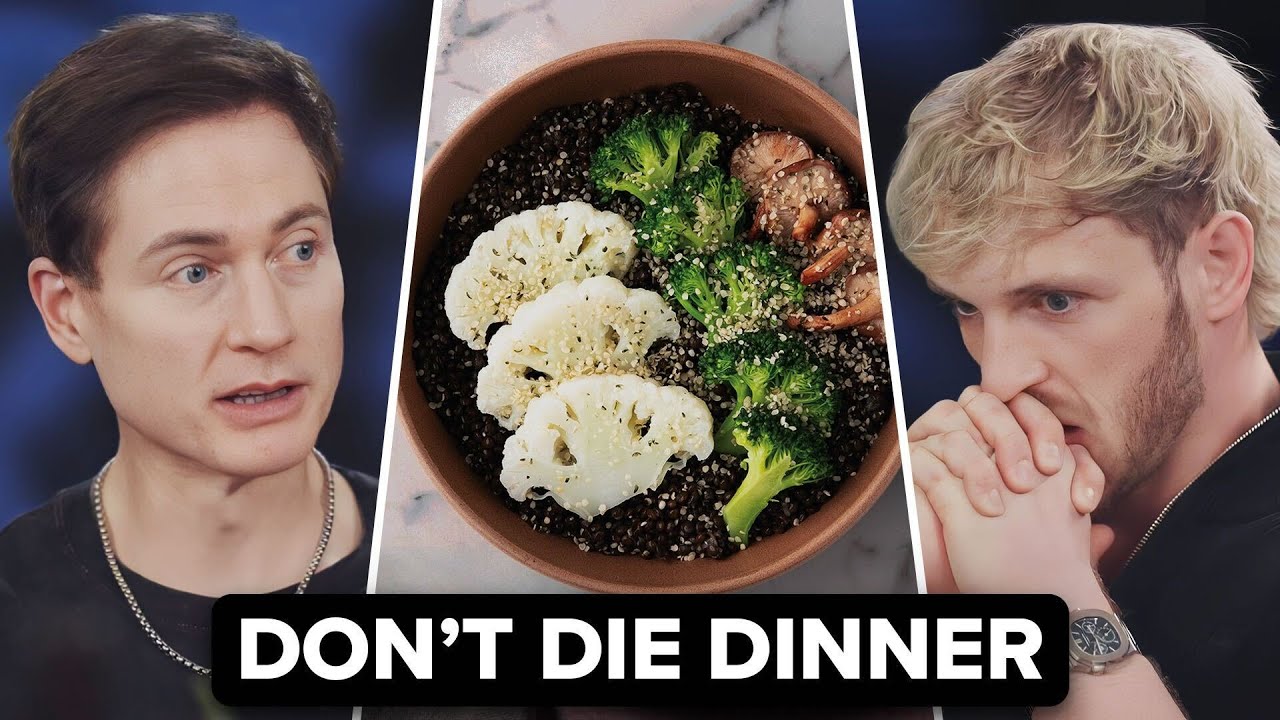
Start here: “Don’t die” as a daily decision filter
The most useful idea in this video is simple: treat “don’t die” as a filter for everyday choices, not as a dramatic promise that death can be “solved” tomorrow.
The gathering opens with a playful “secret ritual” vibe, then quickly turns into a serious conversation about “the future of being human.” The speaker frames “don’t die” as bigger than personal longevity routines. It is presented as a narrative, an ideology, and even a society-level operating system that could guide decisions in an era where intelligence itself is changing.
That is a unique angle for a longevity discussion. Instead of starting with blood tests, supplements, or workout splits, it starts with a question: what does it mean to be alive, and how much control are you willing to give up to stay that way longer?
A practical translation for real life is this: when you are deciding what to eat, how late to stay up, whether to drink, whether to train, whether to doomscroll, or whether to take a stressful meeting at 9 pm, you can ask one question.
Does this move me toward “don’t die,” or does it quietly move me toward “die faster”?
That framing can sound intense. But it can also be clarifying, especially if you tend to negotiate with yourself.
Pro Tip: Pick one recurring decision that usually drains you (late-night snacking, skipping workouts, scrolling in bed). For 7 days, treat “don’t die” as the tie-breaker. You are not chasing perfection, you are practicing alignment.
The algorithm dilemma: would you trade free will for best-ever health?
The first thought experiment is the psychological heart of the conversation.
You are offered access to an algorithm that guarantees the best physical, mental, and spiritual health of your life. The cost is obedience, you sleep when it says, eat what it says, and exercise how it says.
Some people immediately say yes, because they love certainty. Others reject it, because it feels like an attack on free will. One person pushes back with a very human question, what if you already feel “95 percent,” is the last 5 percent worth being controlled?
This is not just a sci-fi prompt. It is a realistic conflict many people have with health plans.
What makes this moment feel “real” is that nobody is portrayed as stupid. The tension is treated as legitimate. And it points to a key longevity truth: behavior change is rarely about information. It is about identity, control, and what you are willing to trade.
From a health perspective, there is also a hidden risk in the “guarantee” fantasy. Real bodies do not offer certainty. Even evidence-based habits improve odds, not outcomes.
That is why it can help to anchor your expectations in what research can reasonably support. For example, adults generally need at least 7 hours of sleep for health and functioning, according to the American Academy of Sleep Medicine and Sleep Research SocietyTrusted Source. Sleep is not a guarantee of longevity, but it is one of the most reliable levers you can pull.
A practical way to use “algorithm thinking” without losing yourself
You do not have to become a robot to benefit from structure.
A workable middle path is to use “algorithm thinking” as a tool, not a tyrant. The goal is not obedience. The goal is to reduce decision fatigue and increase follow-through.
Build your “minimum viable algorithm”
This is a short set of rules you can actually keep.
This is “don’t die” without the fantasy that life can be fully controlled.
It also respects what came up in the video, the word “have to” triggered resistance. A tiny reframe helps.
You do not “have to” follow your plan. You are choosing a plan because it serves the life you want.
Important: If you have a history of eating disorders, compulsive exercise, or anxiety that worsens with tracking, consider working with a clinician before adopting strict “algorithm” rules. Rigid health systems can backfire for some people.
The 25th-century mirror: why humility can be a health tool
The second thought experiment jumps forward: imagine people in the 25th century watching this conversation.
What would they think of your values, your logic, your morals, your blind spots?
The group’s responses are revealing. Some cannot even imagine humanity making it that far. Others point out that future people might look at us the way we look at the 1500s, with a mix of judgment and compassion, because “they only knew what they knew.”
This matters for health because humility protects you from overconfidence, and overconfidence is a common cause of bad health decisions.
A humility-based approach does not mean paralysis. It means holding your beliefs lightly and updating them when new evidence shows up.
There is a strong parallel here with how science works. The best models are the ones that survive new data. Health research evolves too, which is why it is smart to rely on high-quality consensus sources when possible.
For example, physical activity guidelines have become more nuanced over time, but the core message stays stable: most adults benefit from regular aerobic activity plus muscle-strengthening work. The World Health Organization activity guidelinesTrusted Source are a good baseline starting point.
The “most important question”: superintelligence and the stress of uncertainty
The third thought experiment is framed as the biggest question on Earth: what does the human race do when we give birth to superintelligence?
Different people offer instinctive answers. Some predict humans become obsolete and merge with machines, pointing to ideas like Neuralink and a path from phones to glasses to brain interfaces. Others emphasize unity, warning that division and power struggles create conditions for misuse, accidents, and collapse. Someone else suggests a different coping strategy: let AI do more work so humans can “have more fun,” similar to the relaxed feeling many people had during breaks from work.
Then the speaker flips the table.
Everyone answered confidently. But should they have?
This is where the video’s unique perspective becomes clear: the danger is not only AI. The danger is human certainty in a situation that may be beyond human models.
That kind of uncertainty can be stressful, and chronic stress is not just emotional. It can affect sleep, appetite, blood pressure, and mental health. Stress is not always “bad,” but long-term overload is associated with worse health outcomes.
Research often describes stress through the lens of allostatic load, meaning the wear-and-tear on the body from repeated adaptation. If you want a practical, evidence-based stress lever, start with sleep and regular movement. Both are consistently associated with better mental and physical health.
Did you know? Adults who sleep less than 7 hours per night are more likely to report frequent mental distress, according to CDC surveillance summaries on sleep and health behaviors. See the CDC’s sleep resources and data hub hereTrusted Source.
“Not knowing is a form of knowing”: how to act when certainty is impossible
This is the line that can change how you approach longevity.
Not knowing is a form of knowing.
The argument is that humans desperately want to “model” reality, then confuse the model for the truth. When the situation is unprecedented, like superintelligence, the honest answer might be “we do not know.” And importantly, no existing human ideology automatically solves it, not democracy, capitalism, religion, or modern political identities.
You can apply this to health immediately.
Most people are not suffering from a lack of health information. They are suffering from a lack of clarity about what is knowable, what is uncertain, and what to do anyway.
Here is a grounded way to use the video’s insight.
What the research shows: Even modest physical activity is associated with meaningful health benefits. Large reviews consistently find that moving from “inactive” to “some activity” reduces risk more than squeezing out tiny improvements at already high activity levels. The WHO summary above is a practical starting point.
Turning “don’t die” into everyday longevity habits (no sci-fi required)
The conversation moves between cosmic questions and everyday discipline. That is actually the point. If “don’t die” is an operating system, it should show up in ordinary behaviors.
This section is intentionally practical. It translates the video’s mindset into actions that are broadly supported by research and clinical consensus.
1) Sleep like it is your first anti-aging tool
Sleep is not optional maintenance. It is core biology.
In the video, the algorithm thought experiment includes going to bed when the algorithm says. That detail matters because sleep is one of the fastest ways to feel a “before and after” in physical and mental health.
Try this for two weeks:
Adults should aim for at least 7 hours of sleep per night, per the AASM consensus statementTrusted Source.
2) Train for usefulness, not punishment
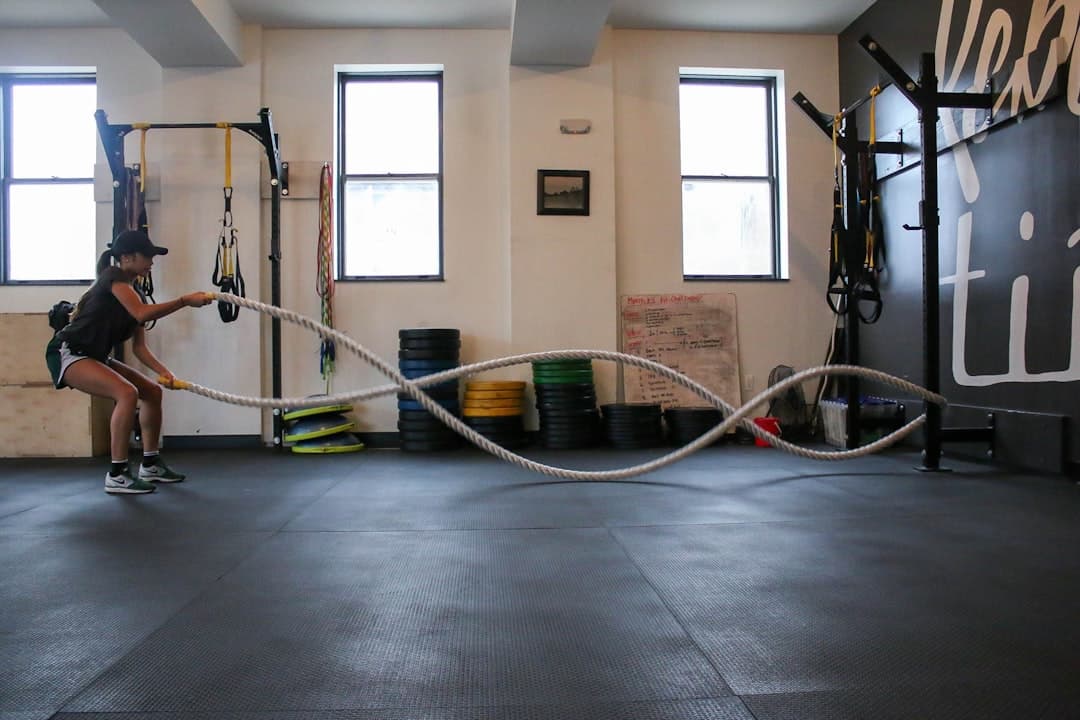
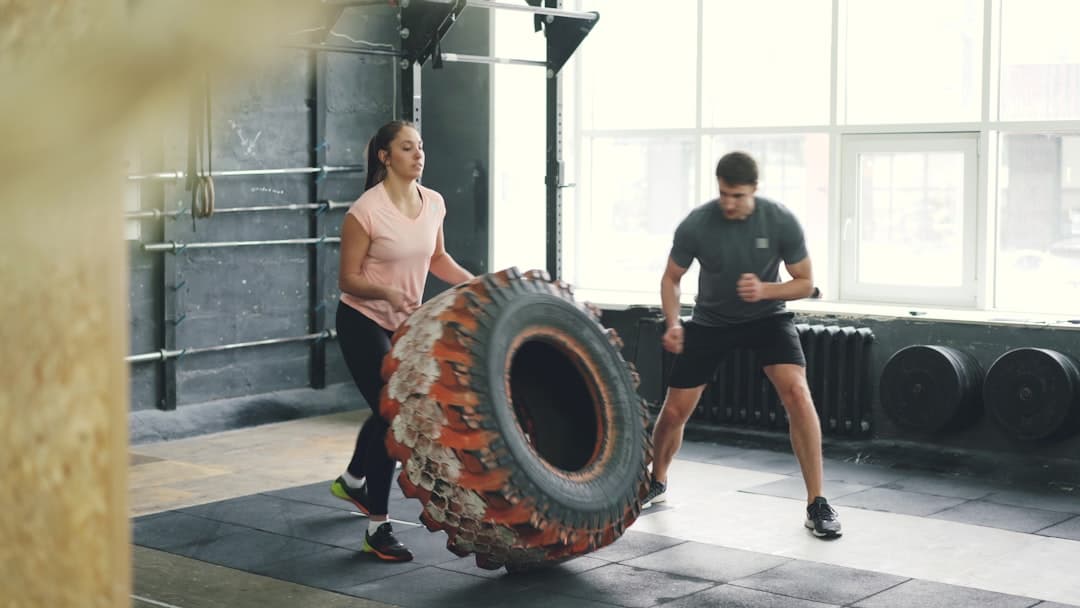
The video repeatedly circles the idea of being “useful” in the future. You can bring that down to earth: train to keep your body capable.
A longevity-oriented training week often includes:
If you are new, the best plan is the one you can repeat.
3) Eat in a way you can live with
The “free will” pushback in the video is a reminder: a perfect diet that you cannot sustain is not perfect.
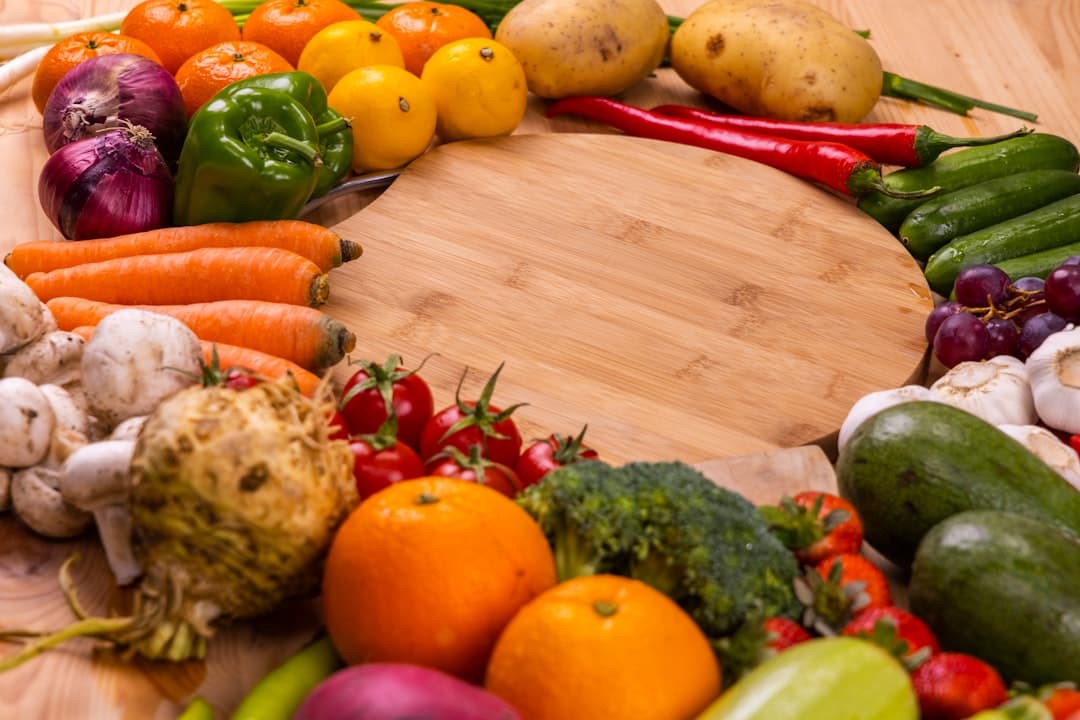
A practical “don’t die” approach to food tends to be pattern-based:
If you have diabetes, kidney disease, gastrointestinal conditions, or you are pregnant, it is worth getting individualized guidance from a registered dietitian or clinician.
»MORE: If you want a simple starting point, create a one-page “Don’t Die Weekly Plan” with your wake time, 2 strength sessions, 2 long walks, and 3 default meals. Keep it on your fridge or notes app.
Creativity, connection, and meaning: the human edge that supports wellbeing
Several people in the conversation propose that creativity and “thinking outside the box” might remain a human advantage.
Then they challenge that assumption, pointing out that AI keeps doing what humans say it cannot do.
Even if AI becomes creative, the discussion still highlights something important for health: meaning, connection, and play are not luxuries. They influence stress, relationships, and the habits you can sustain.
One participant describes the “best part of the pandemic” as a long holiday break feeling, less work stress, more time with friends and family, more relaxed humanity. That is not an argument for crisis. It is an argument for designing life so that recovery is built in.
Here are three ways to make that real without waiting for the world to change:
Expert Q&A
Q: Is “having more fun” actually a health strategy, or just wishful thinking?
A: Fun is not a medical treatment, but it can be a practical stress buffer. Enjoyable activities can support recovery by lowering perceived stress, improving sleep quality for some people, and making healthy routines more sustainable.
If “fun” regularly involves heavy drinking, sleep loss, or risky behavior, it may do the opposite. A helpful test is whether you feel more capable the next day, or more depleted.
Jordan M. Lee, MPH, health educator
Unify or fracture: why social conflict can become a health issue
One of the strongest non-health moments in the video is the call for unity.
The argument is that division creates power struggles, secrecy, and malicious incentives. In that environment, mistakes happen, and the speaker worries that “superintelligence” might not destroy humans directly, but could “pick up the pieces after we destroy ourselves.”
You can disagree with the prediction and still take a health lesson from it.
Social instability, chronic outrage, and constant threat perception can keep your stress response turned on. That affects sleep, mood, and relationships. It can also change how you eat, drink, and move.
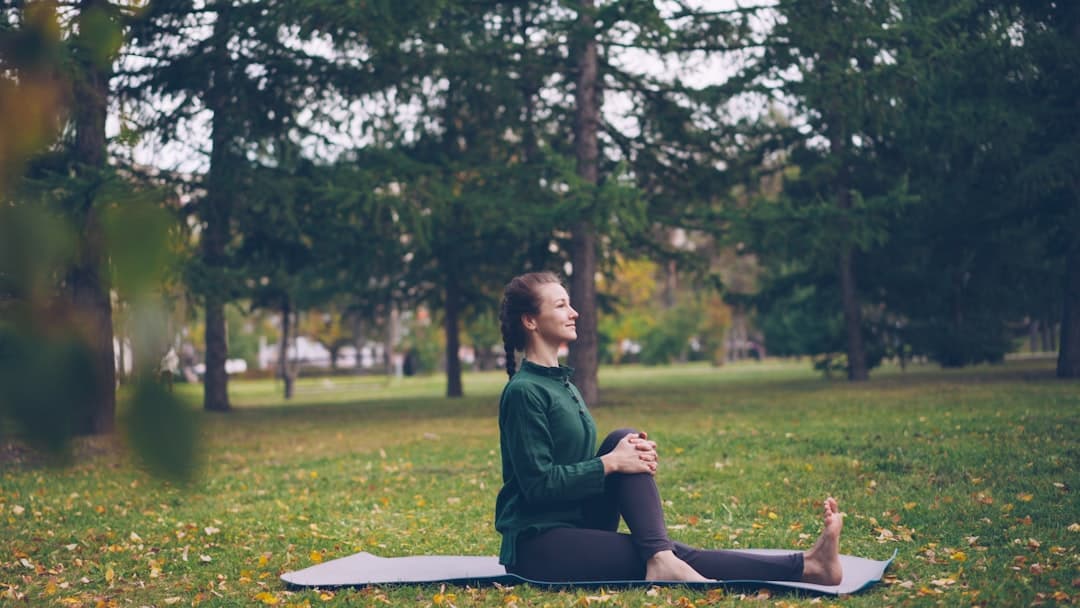
This is not about ignoring reality. It is about protecting your nervous system so you can respond effectively.
Try a “don’t die media diet”:
Small actions do not fix global problems. But they can keep you functional.
Important: If you feel persistently anxious, depressed, or unable to function, consider reaching out to a licensed mental health professional. Support is a strength move, not a failure of discipline.
A grounded “don’t die” checklist you can start this week
The video’s biggest promise is not a protocol. It is a way to orient.
Here is a practical checklist that matches the conversation’s spirit, structured, action-oriented, and honest about uncertainty.
A final step that fits the video’s theme of humility.
Write down one thing you are not sure about in your health routine. Then choose the safest experiment you could run for two weeks to learn more, ideally with input from a clinician if it involves medical risk.
Expert Q&A
Q: How do I know if I am “optimizing” health or just becoming obsessive?
A: A useful sign is whether your system increases freedom or reduces it. If your routines help you sleep better, feel calmer, and show up for relationships, that is usually a good direction.
If tracking and rules increase anxiety, cause social withdrawal, or lead to guilt spirals when you miss a target, it may be time to simplify and get support from a clinician, therapist, or dietitian.
Aisha Patel, MD, preventive medicine physician
Key Takeaways
Frequently Asked Questions
- What does “don’t die” mean in practical health terms?
- In this video’s framing, “don’t die” works like a decision filter, choose habits that reduce avoidable risk and improve resilience. Practically, that often means prioritizing sleep, regular movement, nutritious food patterns, and stress recovery.
- Is it healthy to follow an “algorithm” for sleep, diet, and exercise?
- Structure can help many people follow through, but rigid rules can backfire for others, especially with anxiety or eating disorder history. A balanced approach is to keep a few non-negotiables and leave room for flexibility and joy.
- What if I feel fine already, is “optimization” worth it?
- The video highlights this exact tension, the last 5 percent may not be worth losing autonomy. Many people benefit most from basics that protect long-term health, rather than chasing extreme protocols.
- How much sleep should most adults aim for?
- Most adults should aim for at least 7 hours per night, according to the American Academy of Sleep Medicine consensus statement. Individual needs vary, but consistently short sleep is linked with worse health outcomes.
- How can I reduce stress without ignoring what is happening in the world?
- Try a time window for news, avoid doomscrolling in bed, and replace one daily scroll with a grounding action like a walk or calling a friend. If distress is persistent or severe, a mental health professional can help.
Get Evidence-Based Health Tips
Join readers getting weekly insights on health, nutrition, and wellness. No spam, ever.
No spam. Unsubscribe anytime.