Longevity & Anti-Aging
The Longevity & Anti-Aging niche explores the science and lifestyle strategies aimed at extending lifespan and improving quality of life in later years. This includes understanding biological aging processes, the role of telomeres and NAD+ in cellular health, and interventions like caloric restriction, supplements, and advanced medical treatments. It also covers lifestyle factors such as nutrition, exercise, and stress management that can influence aging.
Explore Topics
In-depth topics to explore in Longevity & Anti-Aging.
Longevity: Complete Guide
Longevity is not just living longer. It is extending the years you can think clearly, move well, and stay free of preventable disease. This guide explains the biology of aging, what actually moves the needle in real life, how to measure progress, and where popular longevity trends help or mislead.
Intervention: Complete Guide
An intervention is any intentional action or strategy designed to improve health outcomes or influence aging related processes. This guide explains how interventions work, which types have the strongest evidence, how to implement them safely, and how to evaluate whether they are helping you in the real world.
All Articles

Blueprint Longevity: Sleep, Data, and “Don’t Die”
Most longevity advice fails because it is built on vibes, not verification. In this conversation with Prof. Tim Spector, Bryan Johnson describes Project Blueprint, a high-measurement, high-discipline attempt to slow biological aging by stacking evidence-based habits and tracking outcomes across dozens of markers. The video’s unique lens is not “one magic supplement”, it is an operating system: measure everything, prioritize sleep as the top lever, and use biological age tools like DNA methylation clocks to test whether changes help or harm. You will also hear about unconventional markers, like sleep fragmentation and even nighttime sexual arousal, framed as signals of overall physiology.

Dr. Mike Israetel on Fitness, AI Drugs, and Criticism
Many people feel stuck between “do the basics” advice and the reality of modern life, appetite, stress, and motivation. In this podcast conversation, Dr. Mike Israetel frames fitness as both art and health infrastructure, then argues we are entering a new era where biotech can meaningfully change outcomes. He points to GLP-1 class anti-obesity medications as the first real, population-scale “dial” for body weight, and imagines what could come next, including safer muscle-building therapies. He also gets unusually candid about internet criticism, identity, and how to stay grounded while still calling out bad information.

Age Powerfully: Stronger Health After 50 and Beyond
Aging powerfully is a shift from trying to look perfect or “age gracefully” on the sidelines to staying capable, strong, and engaged at 50, 60, 70, and beyond. In this video, JJ Burgon links longevity to being less “overfat and under muscled,” and she challenges the idea that you can be healthy while carrying excess body fat. Your weight is not your worth, but it can affect risk for major health problems. The practical takeaway is to build simple, repeatable pathways to wellness that support strength, healthy body composition, and the ability to keep showing up for the life you want.

12 Foods and Habits That May Help Lower Uric Acid
If you are trying to lower uric acid naturally, this video’s core message is simple: start with hydration, then use targeted foods that support kidney filtering, gut breakdown of uric acid, and calmer joint inflammation. The approach also spotlights fructose as a major driver, sometimes more than purines, and suggests practical add-ons like lemon-electrolyte water in the morning, celery, arugula, kefir, and fermented daikon with meals. It finishes with lifestyle tactics like earlier eating windows, steady sipping, gentle movement, and even foot positioning at night to reduce morning toe discomfort.
Jesse James West’s Anti-Aging Reset: Don’t Die
Most longevity advice fails because it treats anti-aging like a checklist. In this conversation, the through-line is identity: adopt a “don’t die” mindset, then build daily systems that reduce self-sabotage, burnout, and extreme swings. Jesse James West describes how relentless work can double as self-worth, how “nothingness” can feel threatening, and how recovery, relationships, and food quality (ditching low-calorie gimmicks for real ingredients) become longevity tools. This article translates the video’s perspective into practical steps, plus a light layer of research to help you weigh trade-offs and stay medically grounded.

“Don’t Die” Longevity: Health Habits in an AI Age
The biggest takeaway from this conversation is not a supplement or a biohack, it is a mindset shift: treat “don’t die” as a daily operating system for decisions. The group wrestles with whether they would hand control to an algorithm for “best-ever” health, then zooms out to how future humans might judge today’s beliefs. The discussion lands on a core tension, people want certainty, but the most honest stance with superintelligence may be admitting we do not know. This article turns that perspective into practical, everyday longevity actions you can actually use.

Weakness May Speed Aging, Why Strength Training Matters
Most “anti-aging” advice obsesses over supplements and skincare. This video flips the script: getting physically weaker may be one of the fastest ways to age, at least biologically. Using a study linking frailty to faster epigenetic aging (especially DunedinPoAm38), the discussion connects low grip strength and slow gait speed with accelerated aging signals. The most motivating twist is the reverse-causation idea: weakness and sedentary living might push methylation patterns in an older direction. The practical takeaway is simple but not easy: prioritize full-body resistance training, and treat strength like a longevity vital sign.

Weed, Blood Flow, and Longevity: The Blunt Truth
This video’s core claim is simple and uncomfortable: cannabis, whether smoked or eaten, may impair artery function in a way that looks similar to tobacco. The discussion points to a new study using flow mediated dilation (FMD), a measure of how well blood vessels widen, and highlights reported drops in blood flow markers of about 40% in smokers and 50% in edible users. The framing is not moralistic, it is a longevity-focused “pro blood flow” PSA. If your goal is healthy aging, this perspective argues that weed may be a trade-off worth rethinking.

6 Simple At-Home Tests to Track Your Aging
If you have ever wondered whether your habits are actually helping you age well, this video’s core idea is simple: stop guessing and start tracking. The speaker, “these simple,” frames longevity like a personal experiment, take a baseline, then try to improve it incrementally. They suggest six free at-home tests, plus a seventh option if you can spend about $20, as an entry point rather than a full health assessment. The goal is not to label you as “old” or “young,” but to build a repeatable measurement routine you can revisit over time.

Brian Johnson’s Intense Morning Routine, Explained
Most longevity routines fail because they chase trendy hacks instead of building a measurable system. This video’s unique angle is that the routine is built like a performance program: measure daily, control the environment, then stack interventions that are judged by data. The morning starts at 4:30 a.m. with light exposure, body measurements, temperature, supplements, and a high-protein breakfast. Then comes training, a 20-minute 200°F sauna, red light, shockwave therapy, and a 90-minute hyperbaric oxygen session, followed by early, lighter eating to protect sleep. Not everything here is necessary or appropriate, but the “test and simplify” mindset is the main lesson.

Morning Routines So Bad They’re Good for Longevity
A surprising theme in this video is that a morning routine can be “good” even when parts of it are objectively questionable. The unique longevity lens here is not perfection, it is structure plus measurement: know your air quality (AQI and PM2.5), check UV index before outdoor time, protect sleep (especially late-night REM), and be skeptical of flashy biohacks that trade away fundamentals. The video also calls out common traps like energy drinks and fast food, while praising simple wins like cleaning your space, consistent wake times, movement, and even laughter as a form of “longevity therapy.”
Brian Johnson’s Blueprint, Data, and the “Don’t Die” Idea
Brian Johnson’s reaction to his Netflix documentary is less about a single “anti-aging hack” and more about a worldview: treat health like an open, measurable project, build routines that reduce decision fatigue, and share data publicly even when it looks weird. He frames Blueprint as basics done obsessively, sleep, exercise, food quality, plus extensive testing and supplements, while critics argue a single-person experiment cannot prove what works. This article unpacks the documentary moments he highlights, the psychology behind his “Don’t Die” message, and practical, safer ways to apply the measurement-first mindset without copying extreme protocols.
Total Plasma Exchange for Longevity: What to Know
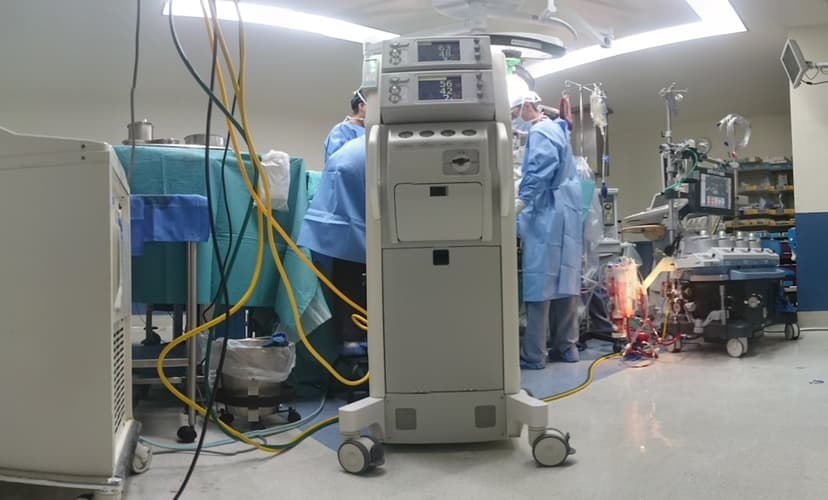
In the video, My Body documents a total plasma exchange, a two-hour procedure that removes plasma, replaces it with albumin, and aims to reduce “bad stuff” the body may struggle to clear. The speaker frames it as a future-normal longevity tool, but also stresses basics like sleep, diet, exercise, and toxin avoidance as the reason their plasma looked unusually “clean.” This article unpacks what the procedure is, what the video claims, common misconceptions, what research and medical practice actually use it for, and practical questions to ask a clinician before considering it.

Dr. Eric Topol on Longevity Hype vs Real Evidence
Many “longevity” products sell certainty, but Dr. Eric Topol’s message is the opposite: stick to what is measurable, validated, and worth the tradeoffs. In this conversation, he challenges supplement-selling “longevity experts,” questions routine $2,000 whole-body MRI scans for healthy people, and warns about unvalidated biohacking like rapamycin use without human outcome data. His focus is not “reversing aging,” but preventing age-related disease using credible metrics, like validated epigenetic clocks, emerging organ clocks, and proven lifestyle levers such as exercise and sleep quality.

Why “Longevity Biohacks” Miss the Real Point
If you have ever felt tempted by expensive longevity “biohacks”, this video’s perspective is a reset: stop chasing big hits and start compounding small, boring health decisions. Using Warren Buffett as the analogy, the core idea is that long-term consistency, not dramatic interventions, tends to create the biggest payoff. The focus stays on fundamentals like daily walking, strength training, sleep timing, meaningful relationships, and metabolic health markers. The point is not that every new tool is useless, it is that the basics set the ceiling for everything else.

Testing Psilocybin for Longevity, One Data-Rich Trip
Psilocybin is often discussed for mental health, but this video frames it as a longevity experiment. The speaker plans a high dose, 5 grams of “magic mushrooms,” then tracks changes using extensive testing, including bloodwork and hundreds of biomarkers spanning brain, DNA, and the microbiome. The unique angle is not “does it work,” but “what moves across the whole body when you measure broadly.” This article breaks down that approach, what it can and cannot tell you, and practical, safety-minded steps to consider if you are exploring any psychedelic research pathway.

Unlocking Longevity: Insights from a Groundbreaking Protocol
In a quest to answer if we might be the first generation to defy mortality, an expert assembled a team of medical professionals to evaluate biological age and apply cutting-edge scientific findings. The result is a dynamic longevity protocol that claims to offer the best health biomarkers globally. This article delves into the specifics of this evolving protocol, supported by scientific research.

Brian Johnson's Blueprint: A Controversial Approach to Longevity
Brian Johnson’s Blueprint is framed in the video as a high-control, data-driven attempt to slow aging, but also as a controversial lifestyle that may lack strong scientific grounding and could even be harmful for some people. The discussion highlights two parallel stories: a public “Don’t Die” movement centered on biomarker measurement, and a media backlash that turns health into a spectacle. If you are curious about longevity, the most useful takeaway is not copying a millionaire’s routine, but learning how to measure what matters, choose sustainable basics, and avoid extreme, unproven interventions.

Exploring the Risks and Benefits of Rapamycin for Longevity
Rapamycin is one of the most talked-about experimental longevity drugs because it inhibits mTORC1, a growth pathway tied to aging biology. In this video-based journey, a data-driven self-experiment aimed to slow biological aging by testing different weekly pill schedules and measuring blood levels over time. The surprising outcome was no clear benefits, several side effects (mouth sores, slower wound healing, cholesterol and glucose changes, higher resting heart rate), and a later preprint suggesting faster biological aging on multiple epigenetic clocks. The takeaway is not “never try new things,” but to measure carefully, stay cautious as evidence evolves, and share results transparently.