Dr. Mike Israetel on Fitness, AI Drugs, and Criticism

Summary
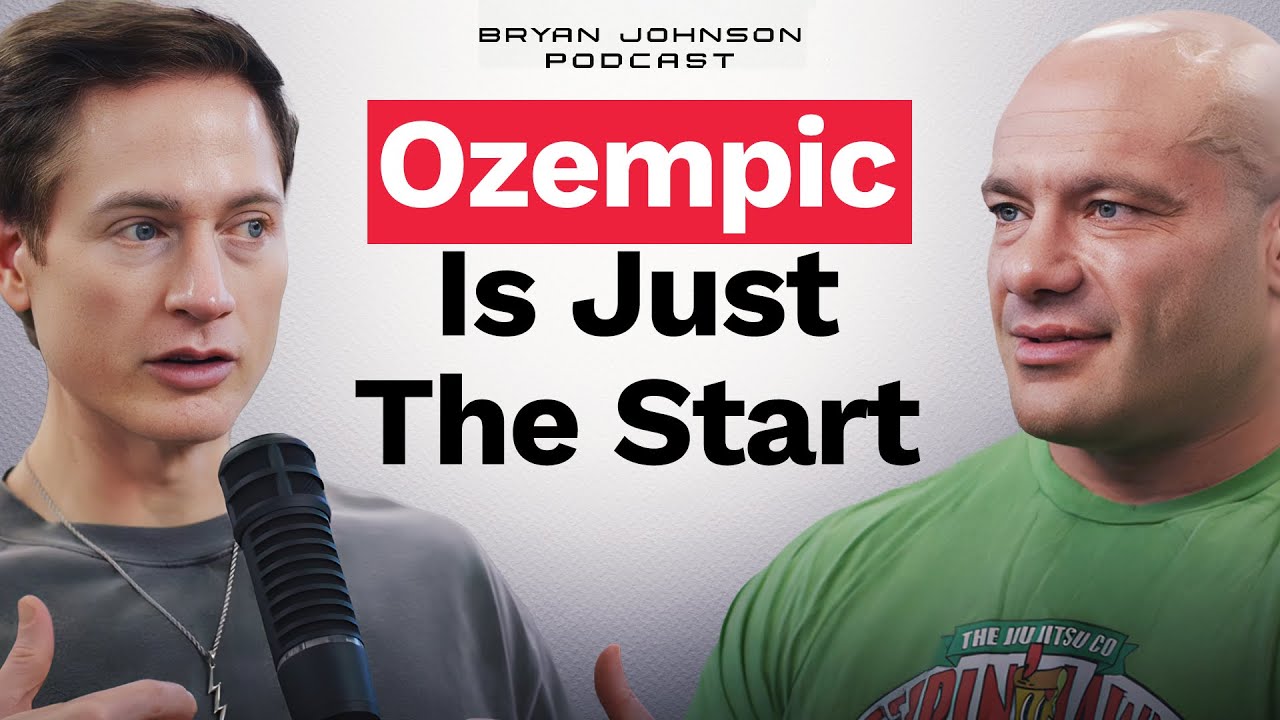
Many people feel stuck between “do the basics” advice and the reality of modern life, appetite, stress, and motivation. In this podcast conversation, Dr. Mike Israetel frames fitness as both art and health infrastructure, then argues we are entering a new era where biotech can meaningfully change outcomes. He points to GLP-1 class anti-obesity medications as the first real, population-scale “dial” for body weight, and imagines what could come next, including safer muscle-building therapies. He also gets unusually candid about internet criticism, identity, and how to stay grounded while still calling out bad information.
Why fitness advice feels impossible sometimes
If you have ever tried to change your body and felt like the advice was simple but the execution was brutal, this conversation lands differently.
The video keeps circling back to a tension many people live with: on paper, the “best practices” are clear, sleep, training, nutrition, stress management. In real life, appetite, environment, genetics, time, and mental load can make those basics feel like an uphill battle that never ends.
What is distinctive here is not another checklist. The discussion treats the struggle as partly biological and partly social, and then asks what happens when biotechnology starts changing the biological constraints.
That shift matters for longevity, too. Weight, muscle mass, metabolic health, mobility, and mental wellbeing are not separate lanes, they interact.
A different tone: fitness as art, identity, and autonomy
A lot of health content tries to “medicalize” fitness. This conversation does something else.
It frames physique change as art and self-authorship. The speaker describes the satisfaction of being “your own sculpture,” the private moment of seeing a pump in the mirror and thinking, “Yeah, that looks right.” That is a very particular bodybuilding mindset, less about external validation and more about the craft.
Then it widens into autonomy: people should be able to inhabit a body they feel good in, whether that means losing weight, gaining muscle, or even staying at a size others judge. The moralizing tone common in fitness culture is treated as unhelpful.
This is also where the “future” theme becomes personal. The internet lets you customize an avatar easily, but real bodies are harder to change. The argument is that biotech may narrow that gap.
Why this matters for wellbeing, not just looks
The aesthetic framing could sound superficial, but it connects to wellbeing in a practical way. Feeling at home in your body can influence confidence, social participation, and willingness to engage in healthy routines.
At the same time, body change is not a stand-in for mental health care, and it does not automatically resolve anxiety, depression, or relationship stress. The better takeaway is more modest: reducing friction in body change may help some people build momentum.
Pro Tip: If “looking better” is your entry point, use it. Then quietly attach health behaviors to it, like strength training for mobility, protein for satiety, and sleep for recovery.
The “basics” are still the tip of the spear
Even while forecasting biotech, the discussion is clear that the current highest return-on-investment tools are still boring.
Sleep, exercise, dietary management, and stress modulation are described as today’s “tip of the spear.” The key idea is that these are increasingly well understood, but not fully implemented at scale. So a major job of modern coaching and education is not inventing new fundamentals, it is helping people actually do them, and adjust when reality does not match the plan.
What stands out is the emphasis on autoregulation, meaning you do not just follow a static program. You “guess and check” to see if you are recovering, progressing, and getting results, then adjust.
Here is a practical translation of that mindset.
One punchy point from the video is that many people stop their mental model here. The conversation does not.
What the research shows: Regular physical activity is strongly associated with lower risk of many chronic diseases, and both aerobic and muscle-strengthening activity matter, as summarized in the Physical Activity Guidelines for AmericansTrusted Source.
The first raindrop: GLP-1 drugs as a body-weight dial
This is the centerpiece of the video’s “future of fitness” claim.
The argument is that, historically, pharmaceutical options for body composition were either weak (small effects, context dependent) or powerful but costly (large side effect profiles). Supplements might help at the margins, but only if you are deficient or responding well. Meanwhile, older appetite suppressants often had limited duration of effectiveness and unpleasant effects.
Then came the “first drop in a rainstorm,” the widespread use of newer anti-obesity medications, specifically GLP-1 receptor agonists and related drugs. The conversation names popular examples and treats them as a genuine inflection point because they can meaningfully reduce appetite and food intake for many people.
The distinctive framing is this: for a large fraction of people who struggle with weight because of a strong biological food drive plus a modern food environment, weight becomes more like a dial. Not effortless, not consequence-free, but more controllable than it used to be.
What GLP-1 medications are, in plain language
GLP-1 is a hormone involved in appetite regulation, gastric emptying, and glucose control. GLP-1 based medications can reduce hunger and increase fullness, which can help people eat less.
These medications are used under medical supervision for conditions like obesity and type 2 diabetes, and they are not right for everyone. Side effects can occur, and access and cost vary.
For a grounded overview of how these medications are used and monitored, see the FDA information on GLP-1 drugsTrusted Source.
Why the “dial” metaphor is powerful and risky
Powerful, because it acknowledges biology. If appetite is turned up to “11” for you, telling you to just “be disciplined” can be naive.
Risky, because it can invite oversimplification. Medication can support appetite control, but it does not automatically build muscle, improve cardiovascular fitness, fix sleep, or teach sustainable eating patterns. It also does not remove the need for clinical follow-up.
Important: If you are using, considering, or stopping a GLP-1 medication, talk with a licensed clinician. Rapid changes in intake, weight, and nutrition can affect energy, mood, training recovery, and medical conditions.
Q: If GLP-1 drugs reduce appetite, do I still need to change my diet?
A: Appetite reduction may make it easier to eat fewer calories, but food quality still matters for protein intake, micronutrients, fiber, and long-term cardiometabolic health. Many people also need a plan to protect muscle during weight loss, which usually includes resistance training and adequate protein.
A clinician or registered dietitian can help tailor targets to your health history, medications, and training goals.
Dr. Mike Israetel, PhD (sports physiology), as discussed in the podcast context
What could come next: AI drug discovery and precision design
The conversation makes a bigger leap: if one class of drugs can change something as primal as hunger, what else is possible?
It points toward AI-assisted drug discovery and more precise receptor targeting as a mechanism for producing medications that are both effective and better tolerated. The tone is optimistic but not purely sci-fi. It is framed as “already a reality” in the sense that computational methods increasingly help identify candidates and refine targets.
What is uniquely emphasized is the timeline feeling different now. Before, biotech talk could sound like futurist hype. After GLP-1s, it feels like the first widely felt proof-of-concept.
This is also where the longevity angle becomes clearer. If future drugs can safely support appetite control, muscle retention or gain, metabolic rate, or even certain mental health dimensions, the “default trajectory” of aging could shift.
Still, it is worth anchoring expectations. Drug development is slow, expensive, and full of failures. Safety signals often appear only after larger and longer studies.
For a general, trustworthy view of how the drug approval process works and why post-market monitoring matters, see the FDA’s drug development and approval overviewTrusted Source.
»MORE: Want a simple tracking template for the “basics”? Create a one-page weekly dashboard with sleep hours, step count, 2 to 4 lifts you care about, average protein, and a 1 to 5 stress score. The goal is feedback, not perfection.
A “non-androgenic anabolic”: the muscle-building future he wants
One of the most specific future predictions in the video is the idea of a non-androgenic anabolic.
In bodybuilding culture, “anabolic” often points to androgenic steroids, which can build muscle but carry meaningful risks and side effects. The proposal here is different: a therapy that increases muscle growth with minimal androgenic effects, and ideally a far safer profile.
The discussion ties muscle to health in several ways: muscle can help with glucose disposal, act as a “calorie sink,” support mobility, and reduce frailty risk as people age.
That is not just gym talk. Clinical and public health sources increasingly emphasize strength and function with aging. Sarcopenia (age-related loss of muscle mass and strength) is associated with falls, disability, and loss of independence. For an accessible overview of why muscle-strengthening activity matters across adulthood, see guidance from the National Institute on AgingTrusted Source.
The myostatin pathway, explained simply
The video mentions the myostatin pathway as a promising target. Myostatin is a protein that helps regulate muscle growth. In broad terms, less myostatin signaling can mean more muscle growth, which is why researchers have explored myostatin inhibition as a potential therapy.
This is not a recommendation to seek experimental products. It is a window into why the speaker believes “fantasy land” muscle drugs might not be fantasy forever.
If you are curious about the science landscape, the NIHTrusted Source database is a place to explore review articles on myostatin and muscle, though it can be technical.
Why this idea is aimed at regular people, not just bodybuilders
The most compelling example in the conversation is not a 25-year-old trying to add biceps size. It is someone in their 50s or 60s who is trying to reverse decline.
Resistance training works, but it takes time, and not everyone responds strongly. Some people gain only small amounts of muscle even with consistent training, and age can add more friction. The proposed future is a clinic visit where lifestyle is still prescribed, but it is supported by therapies that make progress more achievable.
That is a hopeful vision, but it hinges on safety, equitable access, and careful medical oversight.
Steroids, stigma, and the reality of tradeoffs
The video does not avoid the steroid topic, and it is unusually candid about motivations.
Three reasons are offered for using anabolic steroids in the speaker’s context:
It is important to separate describing a choice from recommending it. Non-medical steroid use can carry serious risks, including cardiovascular, endocrine, psychiatric, liver (for some oral agents), and fertility-related harms. It can also create legal risks depending on jurisdiction.
For a high-level look at potential harms, the National Institute on Drug AbuseTrusted Source summarizes health effects of anabolic-androgenic steroid misuse.
A practical, nonjudgmental takeaway from the video is that people often reach for enhancement when the reward structure pushes them there. That is a cultural problem as much as an individual one.
Important: If you are using any performance-enhancing drug, or considering it, it is safer to discuss it with a qualified clinician. Even if a clinician cannot endorse non-prescribed use, they can sometimes monitor blood pressure, lipids, hematocrit, and other risk markers, and help reduce preventable harm.
Online criticism, spotlight stress, and staying human
A surprising amount of the conversation is not about reps or macros. It is about psychology.
The speaker describes a “mini spotlight” effect: the jarring experience of being recognized in airports and malls, and the new self-consciousness that can come with it. The example is mundane and human, even gross, like worrying that someone might recognize you while you are picking your nose on a flight.
Then there is the comment section. The argument is that social media creates a historically unusual situation: you can receive a massive volume of unfiltered opinions from strangers, including harsh judgments that people would rarely say face-to-face.
The coping strategy described is not “be above it.” It is more realistic.
There is also an ethical tension: calling out “charlatanism” can have social value, but dunking on people can become its own reward loop.
This matters for health content consumers, too. If you are trying to make decisions about medications, training, and longevity, the loudest voices online are not always the most careful. The video’s meta-message is to keep your mind open, update with evidence, and do not confuse internet dominance with truth.
Pro Tip: When you hear a confident fitness claim online, ask two questions: “What would change your mind?” and “What evidence would you accept?” If the answer is “nothing,” treat it as ideology, not education.
A practical way to blend basics with biotech (without magical thinking)
The most useful way to apply the video is to build a two-layer plan.
Layer 1 is the boring foundation. Layer 2 is optional medical support, discussed with a clinician, when the foundation alone is not enough or when health risks justify additional tools.
Here is a step-by-step approach that matches the tone of the conversation, practical, curious, and evidence-seeking.
How to build your “two-layer” plan
Pick a single primary outcome for 8 to 12 weeks. Choose fat loss, strength gain, muscle gain, or “better energy and sleep.” When goals compete, people stall. A single priority makes feedback clearer.
Define the minimum effective basics. This is not a perfect routine. It is the smallest set of behaviors you can repeat: 2 to 4 resistance sessions per week, a daily step target, a consistent bedtime window, and a protein target you can hit most days.
Add simple autoregulation rules. If performance is dropping for two straight weeks, reduce training volume or increase recovery. If hunger is extreme and adherence is failing, adjust food volume, meal timing, or seek professional help.
If needed, discuss medical tools as support, not replacement. For some people, GLP-1 medications or other therapies may be appropriate. The point is not to “biohack,” it is to reduce biological friction so the basics become doable.
Protect muscle during weight loss. The video’s future vision is muscle-friendly. In the present, the best muscle insurance during fat loss is resistance training and adequate protein, tailored to your health status.
Reassess, then iterate. The conversation repeatedly returns to updating beliefs. If something is not working, change the model, not your self-worth.
A final nuance from the video is stigma. Some people have a knee-jerk anti-pharmaceutical reaction, and sometimes that caution is justified. But the argument is that the world has changed, and some modern medications can be powerful tools when used appropriately.
Q: Is it “cheating” to use medication for weight loss or body composition?
A: The video’s framing rejects the moral lens and focuses on outcomes, safety, and autonomy. If a therapy helps someone reach a healthier weight, improve function, and sustain habits, the more relevant questions are risks, benefits, and medical appropriateness.
A clinician can help you weigh side effects, contraindications, and how a medication fits with training, nutrition, and long-term maintenance.
Dr. Mike Israetel, PhD (sports physiology), as discussed in the podcast context
Key Takeaways
Frequently Asked Questions
- Are GLP-1 medications a replacement for exercise and healthy eating?
- They can reduce appetite and help some people eat less, but they do not replace resistance training, sleep, or nutrient-dense eating. Many people still need a plan to protect muscle and support long-term maintenance, ideally with clinical guidance.
- What does “non-androgenic anabolic” mean in this video?
- It refers to a hypothetical muscle-building therapy that increases muscle growth with minimal androgen-related side effects. The idea is discussed as a future possibility, not as a current recommendation or available option.
- Why does the video emphasize muscle for longevity?
- The conversation links muscle to mobility, metabolic health, and functional independence as people age. In practical terms, more strength and muscle can support daily activity, reduce frailty risk, and make healthy living easier.
- How should I think about steroids based on this discussion?
- The video describes motivations and cultural pressures but also acknowledges tradeoffs and stigma. If you are considering any performance-enhancing drug, it is safest to discuss risks and monitoring with a qualified clinician.
- What is the most practical takeaway if I feel stuck?
- Build a two-layer plan: start with a minimum effective routine for sleep, training, steps, and protein, then consider medical support with a clinician if biology or health risks make adherence unrealistic. Reassess every 8 to 12 weeks and adjust based on outcomes.
Get Evidence-Based Health Tips
Join readers getting weekly insights on health, nutrition, and wellness. No spam, ever.
No spam. Unsubscribe anytime.