Preventive Health
Preventive Health focuses on proactive measures to prevent diseases and maintain optimal wellness. It includes regular health checkups, screenings for early detection of conditions, vaccinations to prevent infectious diseases, and lifestyle modifications such as diet and exercise to reduce health risks. Topics covered include chronic disease prevention, immunization schedules, and strategies for maintaining mental health.
Explore Topics
In-depth topics to explore in Preventive Health.
Safety: Complete Guide
Safety is not just “being careful.” It is a measurable condition created by systems that reduce hazards, lower exposure, and increase the ability to detect and respond to problems early. This guide explains how safety works across health, home, work, and public settings, with practical steps you can implement immediately and a balanced look at benefits, trade-offs, and evidence.
Screening: Complete Guide
Screening is testing for disease in people without symptoms, with the goal of finding problems early enough to prevent harm. Done well, it reduces deaths and disability for select conditions, but it can also cause real downsides like false alarms, unnecessary procedures, and overdiagnosis. This guide explains how screening works, what the evidence says, how to implement it wisely, and how to decide what is right for you.
Outcomes: Complete Guide
Outcomes are the results we measure in health research to judge whether an intervention helps, harms, or makes no meaningful difference. Understanding outcomes, which ones matter, how they are measured, and how they can mislead, is one of the fastest ways to become a smarter reader of health claims and a better partner in your own care.
Hygiene: Complete Guide
Hygiene is the set of everyday practices that reduce exposure to harmful microbes and irritants while supporting your body’s natural defenses. Done well, it lowers infection risk, protects skin and oral health, improves sleep quality, and makes shared spaces safer. This guide explains the science of hygiene, evidence-based best practices, and common mistakes to avoid.
Risk: Complete Guide
Risk shapes every health decision, from exercise intensity to medication choices to everyday habits like sleep and food. This guide explains how health-related risk actually works, how to weigh tradeoffs without panic, and how to reduce avoidable harm while still making progress toward your goals.
Trade-offs: Complete Guide
Trade-offs are the unavoidable balance between benefits and risks in health decisions, from medications and supplements to lifestyle changes and screening tests. This guide shows how to think clearly about trade-offs using evidence, your personal risk profile, and practical decision tools so you can act without panic or perfectionism.
All Articles
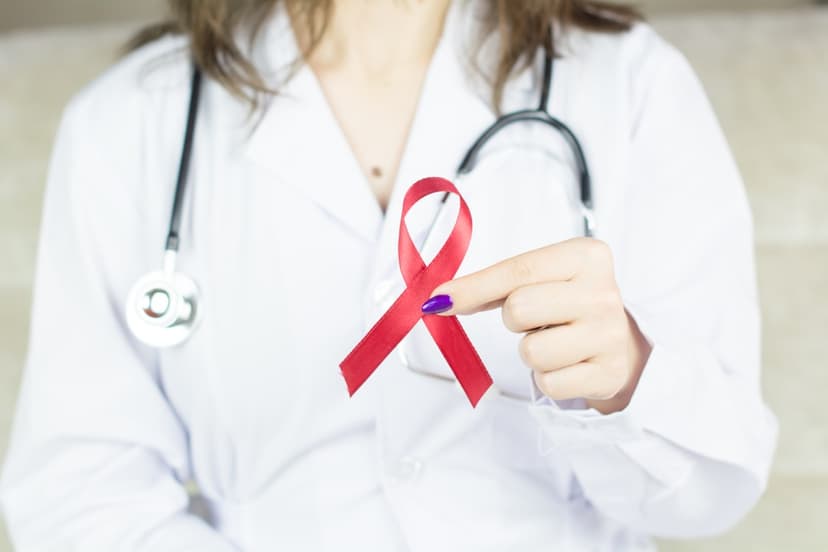
Cervical Cancer: How Screening and HPV Vaccine Prevent It
Many people still think cervical cancer is mainly about genetics or bad luck. This video frames it differently: cervical cancer is closely tied to HPV, so it behaves almost like an infectious disease and is often preventable. The discussion breaks down how HPV spreads, why most infections clear on their own, and why persistent HPV is the real risk. You will also learn common symptoms, why routine screening matters even when you feel fine, and how treatments range from small cervical procedures to surgery or chemoradiation depending on stage. The key message is practical: vaccinate, screen, and do not ignore abnormal bleeding.
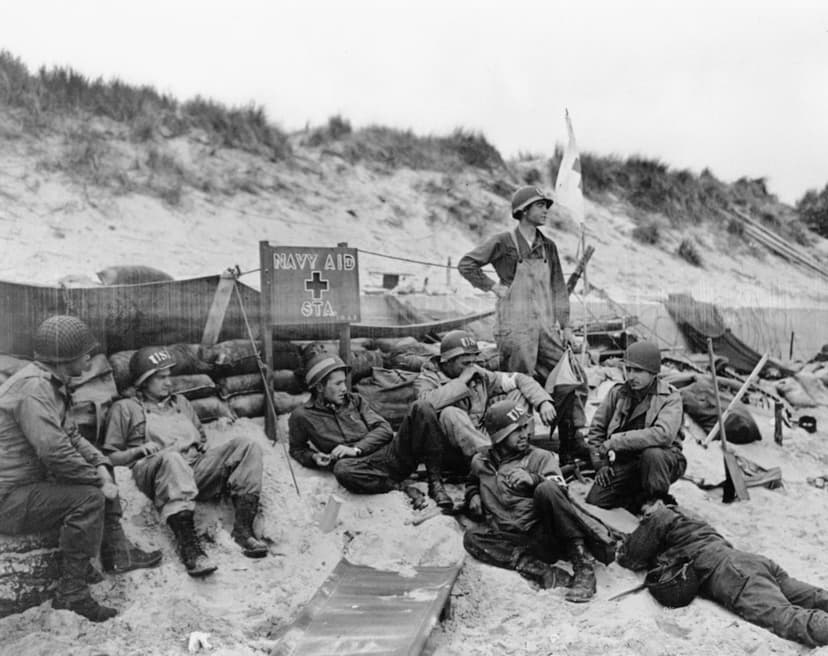
Typhus, Lice, and Courage, Fleck’s Wartime Lesson
Typhus is often framed as a disease of the past, but this video’s story shows why it still matters for preventive health today. In WWII ghettos and camps, body lice thrived in crowded, cold conditions where people could not bathe or change clothes, and typhus tore through communities with high fever, rash, delirium, and death. Inside Buchenwald, scientist Dr. Ludwik Fleck helped identify a vaccine production error, then led a daring sabotage: fake vaccine for Nazi troops, real vaccine for prisoners. The journey highlights a modern lesson, when hygiene systems collapse, lice-borne disease can return.
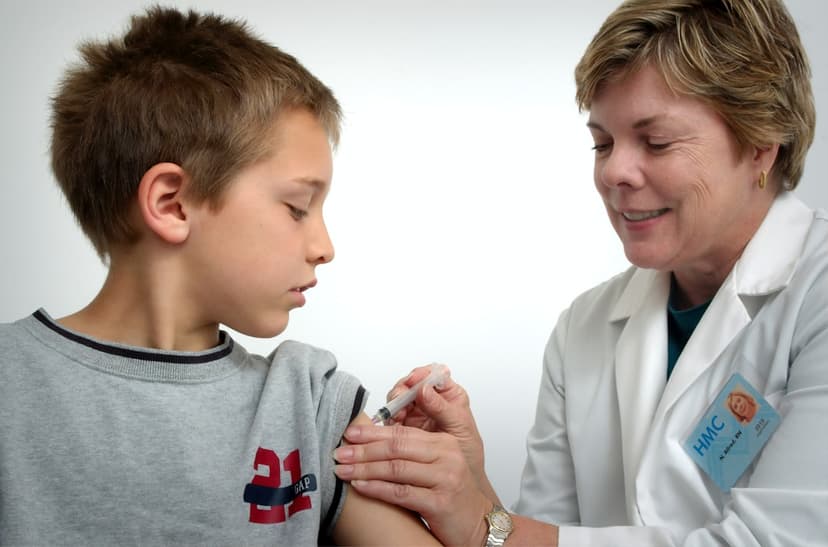
Understanding the Complex Dynamics of Vaccine Debates
Vaccine debates often get stuck because people are arguing from different kinds of “evidence”, personal stories, mistrust, or population data. This article follows a clinician’s perspective from a three-hour debate with vaccine skeptics, focusing on five repeated claims: anecdotes of injury, risk versus benefit for kids, misreading VAERS, vaccines and autism, and frustration with public health messaging. You will learn how to separate correlation from causation, what VAERS can and cannot tell you, why some diseases were eliminated while flu and COVID keep circulating, and practical steps for evaluating claims without dismissing people.

Analyzing RFK Jr.'s Health Claims: A Doctor's Perspective
Most people get one key thing wrong when judging health claims, they focus on whether a message “sounds right,” instead of whether it matches real-world data. In this video, a practicing doctor argues that frustration with the healthcare system is valid, but it should not be exploited by cherry-picked statistics or fear-based narratives. He traces RFK Jr.’s shift from environmental advocacy into repeated vaccine misinformation, then walks through specific claims, including autism, “fetal debris” in MMR, thimerosal, rotavirus vaccine harms, SIDS, HPV vaccine and cancer, and even HIV denialism. The clinician’s throughline is practical scientific skepticism, follow the evidence, compare vaccinated versus unvaccinated groups properly, and correct errors transparently. He also warns that public health leadership requires accuracy, because mistrust and misinformation can change behavior and raise avoidable disease risks.