Cervical Cancer: How Screening and HPV Vaccine Prevent It
Summary
Many people still think cervical cancer is mainly about genetics or bad luck. This video frames it differently: cervical cancer is closely tied to HPV, so it behaves almost like an infectious disease and is often preventable. The discussion breaks down how HPV spreads, why most infections clear on their own, and why persistent HPV is the real risk. You will also learn common symptoms, why routine screening matters even when you feel fine, and how treatments range from small cervical procedures to surgery or chemoradiation depending on stage. The key message is practical: vaccinate, screen, and do not ignore abnormal bleeding.
🎯 Key Takeaways
- ✓Cervical cancer is strongly linked to HPV, without HPV the risk is very low, which is why prevention is unusually powerful here.
- ✓HPV spreads through more than penetrative sex, including genital to genital contact, hand to genital contact, and shared sex toys.
- ✓Most people clear HPV within 1 to 2 years, persistent infection is what raises the risk for precancer and cancer.
- ✓Routine screening can find HPV and abnormal cells before symptoms appear, and early stage disease can often be treated with less invasive procedures.
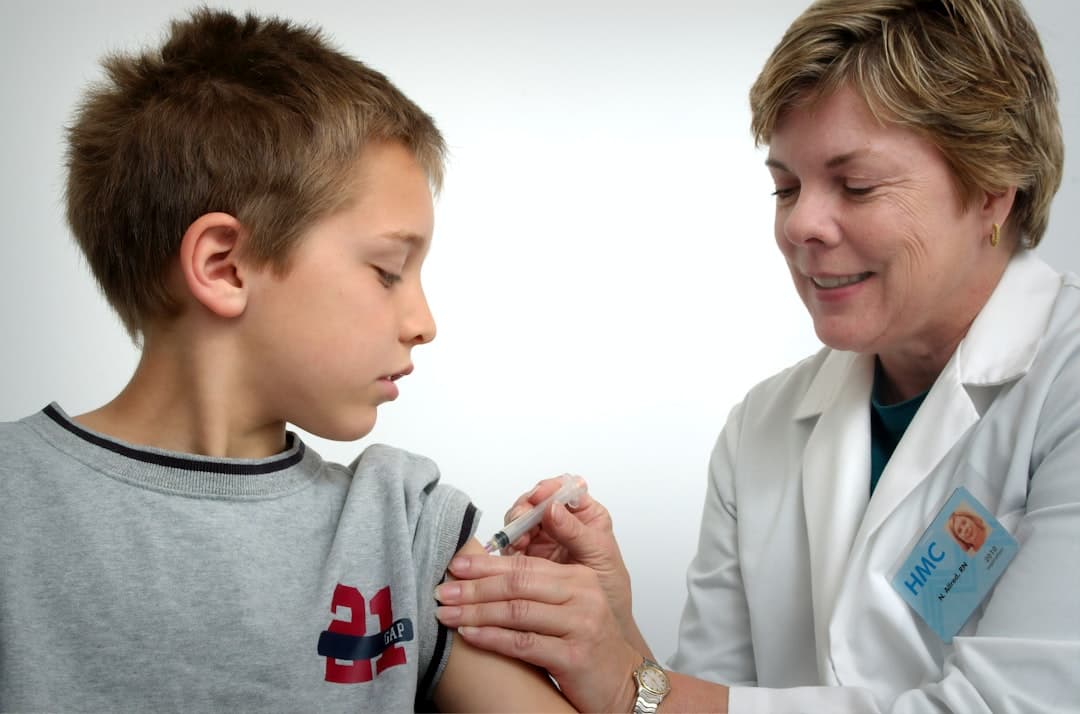
- ✓HPV vaccination (including boys) helps prevent cervical cancer and can also reduce other HPV related cancers and genital warts.
What most people get wrong about cervical cancer
Many people still think of cervical cancer as something that “just happens,” the way some cancers can feel random or purely genetic.
This perspective flips that assumption. The conversation frames cervical cancer as being so tightly linked to human papillomavirus (HPV) that it is almost like an infectious disease. If HPV is not present, the chance of cervical cancer is very, very low.
That is why the headline matters: this is one of the rare cancers where prevention can be incredibly effective, and early detection can be truly life changing.
Did you know? Nearly all cervical cancers are caused by persistent infection with high risk HPV types, which is why HPV testing and vaccination are central to prevention strategies (CDC overview of HPV and cancerTrusted Source).
The tone in the video is also refreshingly practical. It acknowledges stigma, confusion, and vaccine hesitancy, but keeps coming back to a simple idea: if you focus on the steps you can control, you can dramatically lower risk.
The cervix, HPV, and why this cancer is unusually preventable
The cervix is the “entrance” to the uterus (the womb), the place where a baby would grow during pregnancy. It sits at the top of the vagina and acts like a gateway between the vagina and the uterus.
Cervical cancer starts when cells on the cervix become abnormal. Those abnormal changes can often be picked up through cervical screening, before cancer develops or when it is still very early.
What makes cervical cancer stand out is the mechanism behind most cases.
In this framing, HPV is the central driver. HPV is a virus, and changes in cervical cells are described as being “almost entirely linked” to HPV. That is why prevention is so powerful: reduce HPV infection and persistence, and you reduce cervical cancer.
Persistent HPV is the real problem
A key nuance in the discussion is that HPV infection alone is not the same as being on a path to cancer.
Most people clear HPV on their own in about 1 to 2 years. The immune system often handles it without any treatment and without the person ever knowing they had it.
The higher risk situation is persistent HPV, meaning the infection lingers or stays active over time. That persistent infection is what raises the chance of developing precancerous changes or cervical cancer.
One practical number from the video helps keep this in perspective: roughly 3% of people with HPV will develop a precancer or cervical cancer. That is a small percentage, but HPV is so common that the public health impact is still serious.
Important: A positive HPV test can be emotionally stressful, but it does not automatically mean cancer. It usually means follow up testing is needed so any changes can be found early.
How HPV spreads (and why men matter in a cervical cancer conversation)
HPV is transmitted through sexual activity, but the video is careful to broaden what that means.
It is not only penetrative intercourse.
HPV can spread through:
This matters because it explains why HPV is so widespread. The discussion compares it to COVID in a simple, relatable way: exposure is common, and having been exposed does not automatically mean you did something “wrong.”
It also matters because HPV is not only a “women’s issue.”
Men can get HPV too, and there is no routine screening test
Men can acquire HPV in areas like the mouth and throat (oropharynx), penis, or anus. The conversation highlights a practical challenge: there is no standard screening test for HPV in men, unlike cervical screening in people with a cervix.
Sometimes HPV in men shows up as genital warts, which a clinician can see. Often there are no visible signs.
The video also notes that HPV can contribute to cancers in men, including:
These cancers are less common than cervical cancer, but they are real. People with immune compromise, such as those living with HIV, may be at higher risk because the body may have a harder time clearing HPV.
What the research shows: HPV is linked to several cancers in all genders, and vaccination can reduce infection with high risk HPV types (National Cancer Institute, HPV and cancerTrusted Source).
Symptoms to take seriously, plus when there are no symptoms
Cervical cancer can be silent.
That is one reason screening is so important. Some people have no symptoms at all, and the first sign is an abnormal screening result, such as a positive HPV test or abnormal cells on a Pap test.
Still, the video gives a clear, practical symptom list. Symptoms that can occur include:
These symptoms are not specific to cervical cancer. Many noncancer causes are possible, including infections, hormonal changes, fibroids, cervical polyps, or pregnancy related issues.
But the practical message is direct: if you have abnormal bleeding or other concerning symptoms, do not wait.
Pro Tip: If you have new bleeding after sex, bleeding between periods, or unusual discharge, book an appointment promptly. It is better to rule out serious causes early than to watch and wait.
The “two humps” age pattern
Another detail that stands out is the age distribution described in the video.
Cervical cancer can affect younger women, but the discussion notes a bimodal pattern, with cases often appearing in the late 30s to 40s, and then again in the late 60s to 70s.
The proposed reason is important: HPV can lie dormant for many years, then reappear later.
That idea helps explain why screening and follow up remain relevant as people age, even if HPV exposure happened decades earlier.
Screening, starting age, and what “screening” really means
Screening is for people who feel well.
That distinction is easy to miss, and the video emphasizes it clearly. Screening means checking for disease in someone who has no symptoms. Once you have symptoms, you are no longer in a screening situation, you need evaluation for a specific concern.
When does screening start?
The video references Ontario’s approach, with screening starting at age 25 (noting a change “as of March”). The reasoning given is straightforward: although people ages 21 to 25 can have HPV, most will clear it, and cervical cancer is uncommon in that age group.
Different regions use different guidelines and test types, and the best schedule for you depends on where you live, your medical history, and what testing is available.
For example, in the United States, the USPSTF cervical cancer screening recommendationsTrusted Source include:
Even if your local program differs, the principle stays the same: routine screening finds problems earlier, when treatment can be smaller and cure rates are higher.
What happens after an abnormal screen?
The video walks through a common pathway:
That stepwise approach is meant to catch precancer or very early cancer before it becomes advanced.
»MORE: If you are anxious about screening, consider writing down questions before your appointment, such as what test you are getting, what results mean, and what the next step would be if abnormal.
Treatment by stage, from small procedures to chemoradiation
Treatment is not one size fits all.
The video presents treatment in a practical progression from least invasive to most intensive, tied to stage and what is seen under the microscope.
Very early, microscopic disease
If cancer is so small it is only visible under a microscope (the clinician cannot see it with the naked eye), treatment may be as limited as an excisional procedure on the cervix.
Examples discussed include a LEEP (loop electrosurgical excision procedure) or a cone biopsy (conization). The discussion compares this idea to removing a lesion, not to minimize it, but to help people understand that early treatment can sometimes be localized.
This approach can be especially important for younger people who want to preserve fertility.
Follow up still matters. Even when no additional treatment is needed, ongoing monitoring is typically part of care.
Early stages that may still be treated with surgery
For somewhat larger early cancers (described in the video using FIGO staging terms like 1A2 and 1B1), surgery may still be the main treatment.
Options mentioned include:
Whether radiation is needed after surgery can depend on additional factors found under the microscope, including whether cancer cells are seen in lymphovascular spaces or whether lymph nodes are involved.
The key point is hopeful: for many early stage cases, the goal is cure, and surgery alone may be enough.
More advanced local disease: chemoradiation
Once the tumor is larger or spreads toward the pelvic sidewalls, surgery may no longer be able to remove it cleanly without cutting through cancer.
In that setting, the video describes chemoradiation, chemotherapy given with radiation.
A memorable practical detail is the radiation schedule described:
These treatments can have significant side effects, and care plans are individualized.
Survival estimates by stage (as discussed in the video)
Numbers vary by country, health system, tumor type, and individual factors, but the video shares approximate five year outcomes to illustrate why early detection matters:
These are not personal predictions. They are population level estimates meant to reinforce a practical message: catching disease earlier can substantially change the path.
Important: If you have symptoms like abnormal bleeding, do not rely on social media to self triage. The discussion is blunt here for a reason: earlier evaluation can mean simpler treatment.
Stage 4 and newer options
For stage 4 disease, the focus often shifts toward prolonging life and quality of life, although some people do respond well to treatment.
The video highlights that cervical cancer treatment has advanced, including the use of immunotherapy in some cases, often combined with chemotherapy, and sometimes radiation.
For an overview of treatment categories used today, you can explore the National Cancer Institute cervical cancer treatment informationTrusted Source.
Prevention in real life: HPV vaccination, safety, and impact
The prevention message is the emotional center of the video.
It is not just “get screened.” It is also: use the HPV vaccine to prevent the problem upstream.
Why vaccinate in grade school?
The best time to vaccinate is before any sexual activity begins. That is why many programs offer HPV vaccination in early adolescence.
The video uses Ontario as an example, where vaccination is offered in grade 7 to boys and girls.
Vaccinating boys is not framed as optional. The rationale is practical:
The vaccine details people ask about
This section of the conversation anticipates common concerns.
A key safety point is highlighted clearly: this is not a live attenuated virus vaccine. It uses proteins from the outer part of the virus, so you cannot get an HPV infection from the vaccine.
The discussion acknowledges that side effects like local reactions and rare allergic reactions can occur, as with any vaccine, but frames the overall safety profile as strong.
For broader safety and effectiveness information, see the CDC HPV vaccine recommendations and safety informationTrusted Source.
Expert Q&A
Q: If HPV is so common, does it even make sense to vaccinate?
A: Yes, because the vaccine is designed to prevent infection with the HPV types most likely to lead to cancer, especially HPV 16 and 18. Even though many HPV infections clear on their own, preventing the high risk types reduces the chance of persistent infection that can drive precancer and cancer.
Vaccination also helps at the population level. When more people are vaccinated, transmission drops, which can protect people who are not vaccinated or who did not develop full immunity.
Dr. Tiffany Zis, Gynecologic Oncologist (as featured in the video)
Dosing, and the emerging one dose conversation
The video notes an evolution in dosing schedules. Historically, HPV vaccination used three doses. Many programs now use two doses for adolescents.
It also mentions emerging research suggesting that even one dose may be very effective, which could improve access globally. Policies vary, and it is worth discussing the right schedule with your clinician based on age and health status.
The World Health Organization’s HPV vaccine position informationTrusted Source provides context on global vaccination strategies.
Evidence that vaccination lowers cervical cancer rates
The video cites a major population study from Sweden published in 2020, describing a striking reduction in cervical cancer among those vaccinated at younger ages.
What the research shows: In a large Swedish cohort study, HPV vaccination was associated with a substantially reduced risk of invasive cervical cancer, especially when vaccination occurred before age 17 (NEJM Swedish study on HPV vaccination and cervical cancerTrusted Source).
This is the “unique perspective” the video keeps returning to: HPV vaccination is not just about preventing an infection, it is best understood as a vaccine that helps prevent cancer.
Standalone statistic: In the Swedish data discussed in the video, cervical cancer rates were dramatically lower among those vaccinated before age 17 compared with those unvaccinated (NEJM cohort dataTrusted Source).
A section that is mostly bullets: simple steps you can take this month
If you want this to be practical, not theoretical, here is a checklist inspired by the video’s “do not wait” tone.
Small steps add up.
Expert Q&A
Q: If I have abnormal bleeding, should I wait for my next screening test?
A: No. Screening is for people without symptoms. If you have abnormal bleeding, bleeding with sex, pelvic pain, or unusual discharge, you should book an appointment for evaluation rather than waiting for routine screening.
The goal is not to assume cancer, it is to identify the cause early, whether it is an infection, a benign condition, or something that needs urgent attention.
Dr. Tiffany Zis, Gynecologic Oncologist (as featured in the video)
Key Takeaways
Frequently Asked Questions
- Is cervical cancer really preventable?
- Many cases can be prevented because most cervical cancers are linked to persistent high risk HPV infection. HPV vaccination and regular cervical screening are the two biggest tools for prevention.
- Can you have cervical cancer with no symptoms?
- Yes. Cervical cancer and precancer can be detected through routine screening even when you feel completely well, which is why staying up to date on screening matters.
- What symptoms should prompt a medical visit sooner rather than later?
- New abnormal bleeding (between periods or after sex), persistent pelvic pain, or unusual vaginal discharge should be evaluated promptly. These symptoms often have noncancer causes, but they should not be ignored.
- Why vaccinate boys for HPV?
- Vaccinating boys helps reduce HPV transmission to partners and can also lower the risk of HPV related cancers in males, including anal and oropharyngeal cancers. It also helps reduce genital warts.
- If I test positive for HPV, does that mean I will get cancer?
- Not necessarily. Most people clear HPV naturally within 1 to 2 years, and only a small percentage develop precancer or cancer, but follow up testing is important to catch any changes early.
Get Evidence-Based Health Tips
Join readers getting weekly insights on health, nutrition, and wellness. No spam, ever.
No spam. Unsubscribe anytime.