Menopause Hormone Therapy: Fear, Data, and Nuance

Summary
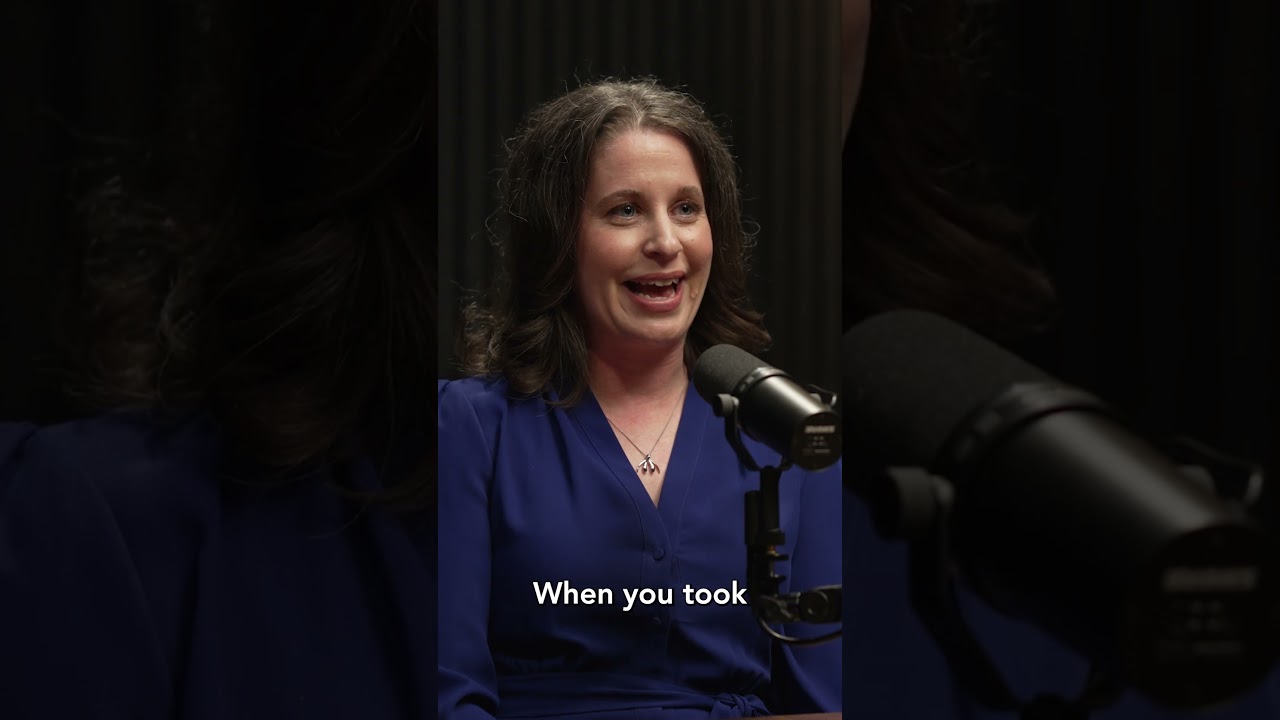
If you have ever asked about hormone therapy for menopause and felt the conversation shut down fast, this perspective helps explain why. In this video, Rachel Rubin, M.D., argues that a widely publicized study and press conference amplified fear about breast cancer, blood clots, and heart disease, while underplaying benefits and key nuances. She describes how the backlash reshaped practice, leaving many clinicians less comfortable prescribing menopause hormone therapy. The takeaway is not that hormones are for everyone, but that risk should be discussed with context, numbers, and individualized decision-making.
When a menopause visit turns into a dead end
You bring up hot flashes, sleep disruption, mood changes, or joint aches, and the room shifts.
Instead of a nuanced discussion, you may hear a quick, global warning about hormone therapy and cancer or clots. This video’s core argument is that this reflexive fear is not accidental, it is the downstream effect of how one major, expensive study was communicated and then remembered.
The framing is blunt: this was “the greatest injustice” imposed by the modern medical system in our lifetime. The point is not that menopause hormone therapy is risk-free, but that a generation of patients and clinicians absorbed a simplified message that crowded out individualized medicine.
The press conference problem: how fear spread
The discussion spotlights a pivotal moment: a high-profile National Institutes of Health press conference announcing a study stop because of increased risk of breast cancer, blood clots, and cardiovascular disease.
That kind of announcement carries unusual authority. It also shapes public memory, especially when it lands on mainstream media.
What’s interesting about this approach is the contrast between headlines and bedside experience. The clinician in the video describes prescribers reacting, in essence, “This does not match my clinic.” That gap is presented as a clue that design issues, interpretation pitfalls, or population differences may have mattered.
Did you know? The Women’s Health InitiativeTrusted Source remains one of the most influential projects shaping modern conversations about menopausal hormone therapy.
What got lost: benefits and the estrogen-only nuance
A major theme is that the public story emphasized harms while minimizing potential benefits seen in the same dataset.
Several outcomes are named directly: decreased colon cancer risk, significantly fewer fractures, lower diabetes rates, and decreases in overall and cancer-specific mortality. These are not minor quality-of-life endpoints, they map to whole-body aging, which is why the video argues menopause medicine should not be treated as a tiny subset of gynecology.
The estrogen-only detail many people never heard
One of the most striking points raised is about estrogen-only therapy (typically relevant for people without a uterus). In the video’s telling, women on estrogen alone had a decreased risk of getting and dying from breast cancer, a nuance that “didn’t make the press conference.”
What the research shows: The North American Menopause Society (NAMS) position statementTrusted Source emphasizes that hormone therapy’s benefit-risk profile depends on factors like age, time since menopause, and formulation.
»MORE: If you want a structured appointment, download a one-page “Menopause visit checklist” you can bring to your clinician, including symptoms, goals, and risk factors to review.
How to talk about HRT risks without headlines
Risk communication is where this video is most practical.
Even accepting the study results at face value, the discussion highlights absolute risk: for every 1,000 women on hormone therapy, “an additional one got breast cancer,” and the claim is that death rates did not increase compared with non-users in that comparison.
Here are ways to make a menopause hormone therapy conversation more data-informed, without self-prescribing:
Important: Do not start, stop, or share hormones based on headlines or social media. A clinician can help review contraindications, interactions, and safer alternatives.
Q: If hormones were “misinterpreted,” does that mean HRT is safe for everyone?
A: No. The video’s message is about nuance, not universality. Hormone therapy can be reasonable for some people and inappropriate for others, depending on timing, health history, and goals.
Rachel Rubin, M.D.
Pro Tip: If you were told “no” years ago, consider asking, “Has the guidance changed for someone my age and health profile?” Bring a list of your top 3 symptoms and your main concern about risk.
Key Takeaways
Frequently Asked Questions
- Why do some clinicians still avoid prescribing menopause hormone therapy?
- The video argues that early, high-profile messaging about breast cancer, clots, and heart disease created lasting fear and reduced prescribing comfort. Over time, that can translate into fewer clinicians trained and confident in individualized hormone therapy discussions.
- What is the difference between estrogen-only and estrogen plus progesterone therapy?
- Estrogen-only therapy is generally used when someone does not have a uterus. If a uterus is present, progesterone (or a progestogen) is often added to reduce the risk of endometrial cancer, and risks and benefits can differ by regimen.
- How can I ask about HRT without feeling dismissed?
- Ask for absolute risk numbers, clarify which formulation is being discussed, and request a review of your personal risk factors. Bringing a short symptom list and your main goal can keep the visit focused and collaborative.
Get Evidence-Based Health Tips
Join readers getting weekly insights on health, nutrition, and wellness. No spam, ever.
No spam. Unsubscribe anytime.