When Women Lose Desire: It’s Not “In Your Head”

Summary
When men lose sexual interest, it is often treated like a medical problem. When women do, it is too often dismissed as aging, stress, or “all in her head.” This perspective reframes low arousal as a real, common health issue that can affect young women, people on birth control, and those in menopause. It also emphasizes something empowering: you are not broken. When hormones, the nervous system, and mental well-being line up, sensation and connection can return. Practical options may include therapy (including CBT), couples work, stress reduction, hormonal approaches (like vaginal estrogen), and selected medications with clinician guidance.
Low sexual desire is not a “small” issue.
It can touch mental health, relationships, self-esteem, and even how safe you feel in your own body.
Why this matters: the double standard in sexual health
When a man loses interest in sex, the reflex is often medical: think erectile dysfunction and “a little blue pill.”
When it happens to a woman, the story too often changes. It gets labeled as aging, stress, or worse, “it’s all in your head.”
This framing matters because it shapes what happens next. If the problem is dismissed, people stop asking questions, stop seeking care, and may start blaming themselves.
Did you know? The diagnostic umbrella for female sexual interest and arousal problems is recognized in clinical guidance, and symptoms must typically be persistent and distressing to the person to qualify as a disorder. You can read more in the DSM-5-TR overviewTrusted Source.
What female sexual arousal disorder can feel like
You can love your partner and still feel nothing.
You can want to want sex and still feel numb.
You can be mentally in the mood, but your body will not respond.
The key insight here is that desire and arousal are not purely “thought problems.” This perspective treats the experience as real and common, affecting young women, people on birth control, and women in menopause.
Not rare, not your fault
The discussion highlights two messages that can reduce shame: it is not rare, and it is not a personal failure.
Important: If low desire is new, sudden, or accompanied by pain, bleeding, or relationship safety concerns, it is worth checking in with a clinician promptly so medical, medication-related, and safety factors are not missed.
What may be driving it: hormones, nerves, and mind
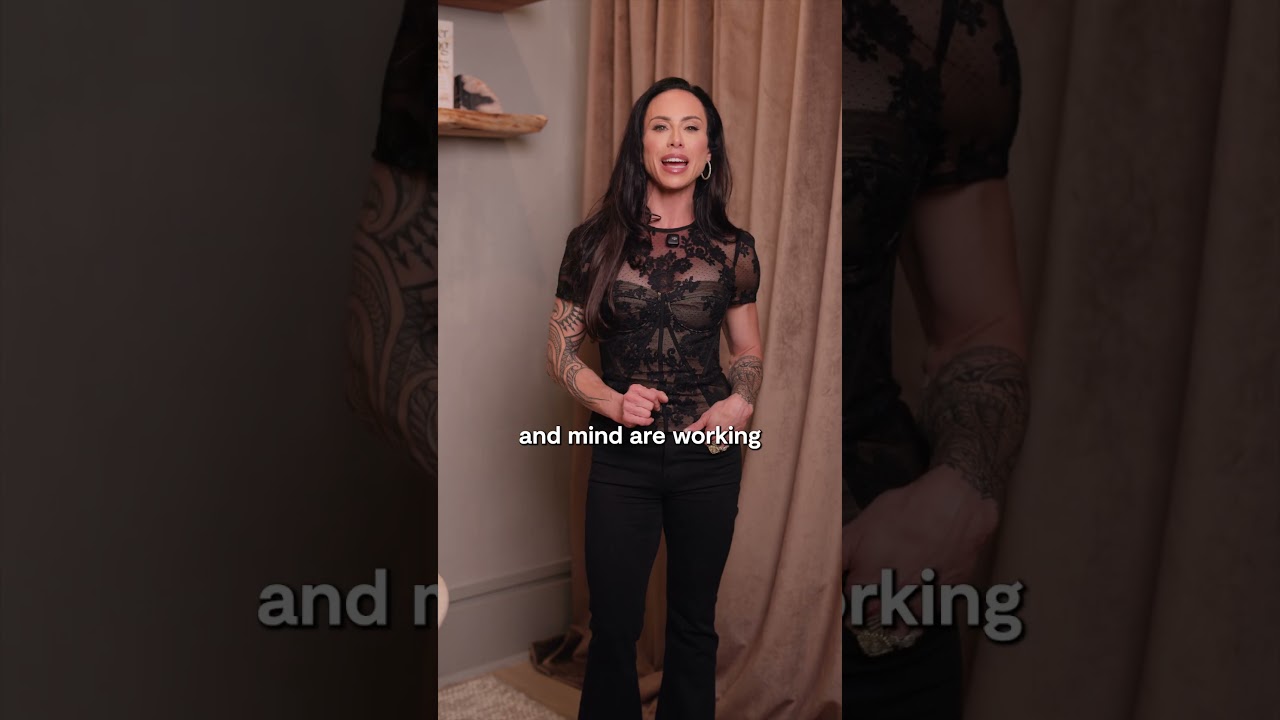
This view holds that arousal works best when hormones, the nervous system, and the mind are working together.
That is a big deal, because it explains why “just relax” advice can fall flat. Stress can shift the body into a fight-or-flight state that makes arousal harder. Hormonal changes across the lifespan, including postpartum shifts and menopause, can influence lubrication, sensitivity, and comfort. Some medications can also affect sexual function, including certain antidepressants, a point noted in clinical resources like the Mayo Clinic overview of female sexual dysfunctionTrusted Source.
And no, it is not fixed with wine and a sexy playlist.
Action steps that match the video’s approach
The speaker’s approach is action-oriented: address the system, not the symptom alone.
How to start the conversation with a clinician
Options mentioned in the video (often combined)
Pro Tip: Bring a short written list to your appointment: symptoms, when they started, meds and birth control, and what you have already tried. It speeds up getting to real solutions.
Q: If I still feel emotionally close to my partner, why is my body not cooperating?
A: Emotional connection and physical arousal run on overlapping but different circuits. Stress hormones, medication effects, hormonal shifts, and pain or dryness can all interrupt the body’s response even when attraction and love are present.
A clinician can help sort out which factors are most likely for you, and a combined plan (therapy plus medical options) is often more effective than a single “quick fix.”
Health educator, MPH
Key Takeaways
Frequently Asked Questions
- Is female sexual arousal disorder the same as low libido?
- They overlap, but they are not always identical. Some people feel mental desire but lack physical arousal (like lubrication or sensation), while others have reduced interest overall. A clinician can help clarify which pattern fits your symptoms.
- Can birth control affect sexual desire or arousal?
- Some people report changes in desire, arousal, or lubrication with certain hormonal contraceptives, while others do not notice an effect. If the timing lines up with starting or switching contraception, it is reasonable to discuss alternatives with a clinician.
- What treatments are commonly discussed for low arousal in menopause?
- Options may include vaginal estrogen for dryness and discomfort, systemic hormone therapy for broader menopausal symptoms, and in selected cases testosterone therapy, all of which require individualized medical guidance. Nonhormonal strategies and therapy can also be part of the plan.
Get Evidence-Based Health Tips
Join readers getting weekly insights on health, nutrition, and wellness. No spam, ever.
No spam. Unsubscribe anytime.