Women's Health
Women's Health focuses on the unique physiological and psychological aspects of health that affect women throughout their life stages. It encompasses topics such as menstrual health, menopause management, polycystic ovary syndrome (PCOS), hormonal balance, reproductive health, and conditions like endometriosis and breast health. It also includes discussions on lifestyle factors such as nutrition, exercise, mental health, and preventive care specific to women.
Explore Topics
In-depth topics to explore in Women's Health.
All Articles
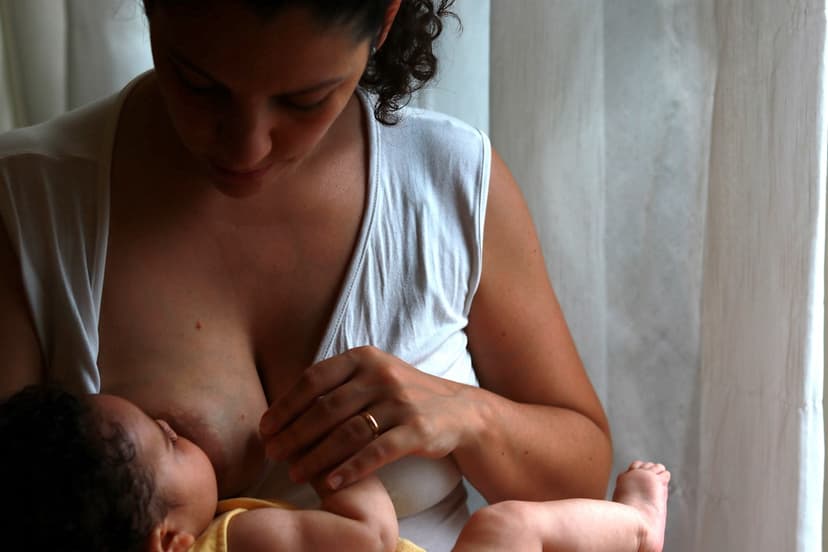
Antidepressants While Breastfeeding: Is It Safe?
Many people can continue or start certain antidepressants while breastfeeding, and untreated depression or anxiety can also carry risks for both parent and baby. The safest option depends on the specific medication, your dose, your baby’s age and health, and whether you used the medicine in pregnancy, so decisions are best made with your prescriber and your baby’s clinician.

When Women Lose Desire: It’s Not “In Your Head”
When men lose sexual interest, it is often treated like a medical problem. When women do, it is too often dismissed as aging, stress, or “all in her head.” This perspective reframes low arousal as a real, common health issue that can affect young women, people on birth control, and those in menopause. It also emphasizes something empowering: you are not broken. When hormones, the nervous system, and mental well-being line up, sensation and connection can return. Practical options may include therapy (including CBT), couples work, stress reduction, hormonal approaches (like vaginal estrogen), and selected medications with clinician guidance.

Why Do I Get Hot Flashes at Night?
Nighttime hot flashes happen when your body’s temperature control system becomes more reactive, often due to hormonal changes, medications, or common sleep triggers. Most are manageable, but persistent or new night sweats deserve a check-in with a healthcare professional to rule out underlying issues.

You Are Not Broken: Hormones, Sex, and Midlife
Many women hit their 40s and 50s and quietly conclude, “Something is wrong with me.” This video’s core message is the opposite: you are not broken, you are undereducated. Dr. Kelly Casperson, a urologist focused on menopause and sexual medicine, connects libido, pleasure, sleep, relationship strain, and hormone shifts, then challenges common myths about “spontaneous desire,” painful sex, and testosterone. The practical throughline is empowering: understand responsive desire, prioritize sex like other health habits, make sex worth desiring, and ask better questions in medical visits so you can get real help instead of shame.
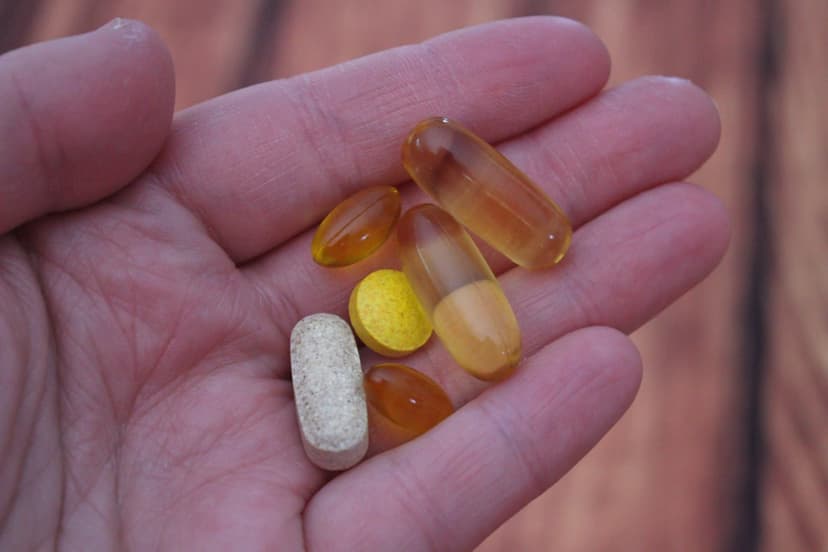
Herbal supplements in pregnancy: safety and risks
Herbal supplements are not automatically safe during pregnancy, and many have limited testing for fetal safety or can interact with medications. Most guidelines suggest avoiding nonessential herbal products unless your obstetric clinician specifically recommends them for your situation.
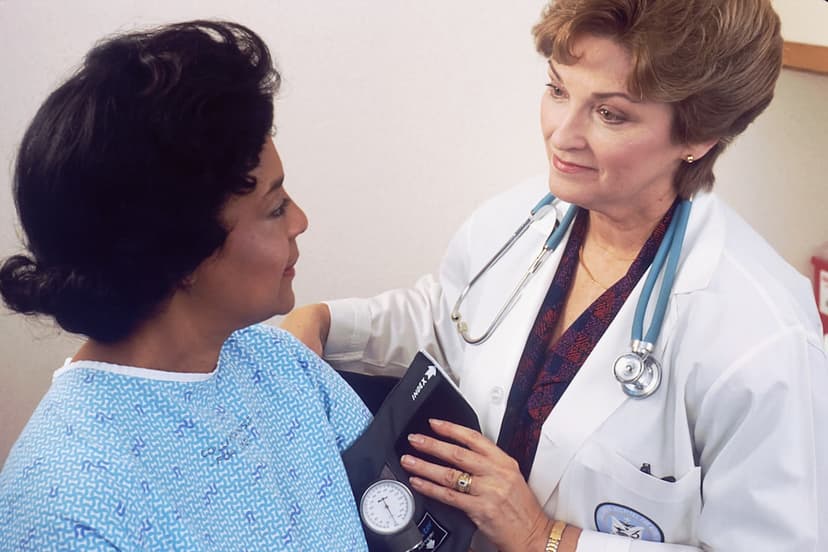
Menopause Hormone Therapy: Fear, Data, and Nuance
If you have ever asked about hormone therapy for menopause and felt the conversation shut down fast, this perspective helps explain why. In this video, Rachel Rubin, M.D., argues that a widely publicized study and press conference amplified fear about breast cancer, blood clots, and heart disease, while underplaying benefits and key nuances. She describes how the backlash reshaped practice, leaving many clinicians less comfortable prescribing menopause hormone therapy. The takeaway is not that hormones are for everyone, but that risk should be discussed with context, numbers, and individualized decision-making.
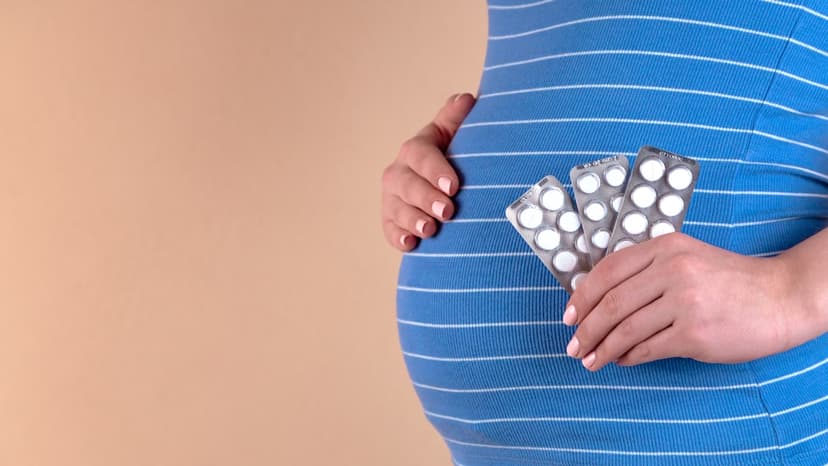
Is it safe to take omega-3s while pregnant?
Omega-3 supplements are generally considered safe during pregnancy when taken in typical prenatal amounts and from reputable brands. The main safety issues are taking very high doses, choosing liver-based oils (high vitamin A), and bleeding risk for people on blood thinners or with certain conditions. Check your prenatal label and confirm the right product and dose with your obstetric clinician.

Is It Too Late for Hormone Therapy After Menopause?
Many people are told hormone therapy is only safe for a short window, then must be stopped. In this video, Rachel Rubin, M.D. challenges that framing and asks a different question: what specific risk are you trying to avoid, and does it match the type of hormone therapy being used today? She highlights three main indications, symptom relief, osteoporosis prevention, and treatment of genital and urinary syndrome of menopause, including local vaginal estrogen or DHEA at any age. A key point is that stopping therapy can rapidly erase bone-density gains, so routine time limits may not fit everyone.
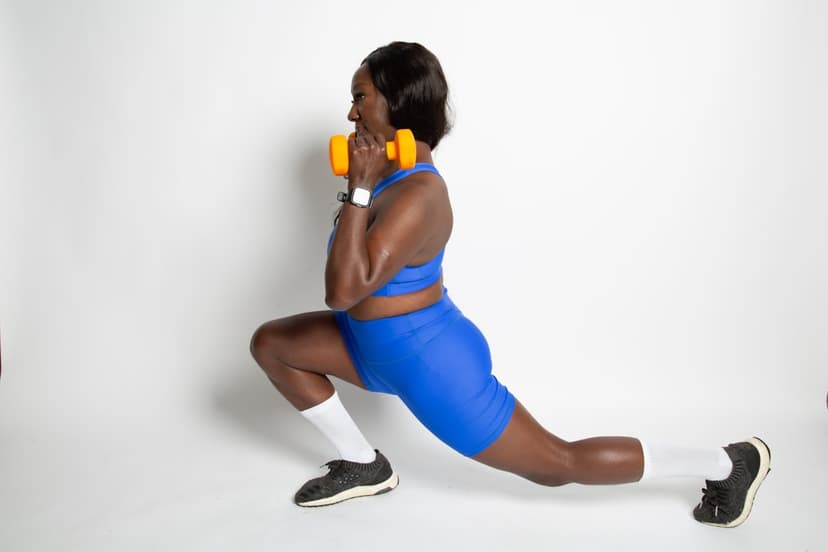
Creatine HCl for Women 40 Plus: Mark Faulkner’s Guide
Creatine is not a hormone or a “bro supplement” in this video’s framing. It is a natural energy molecule your body makes, but often not enough, especially if you eat little red meat or eat mostly cooked proteins. Mark Faulkner argues creatine supports whole-body cellular energy, including brain, immune T-cells, and heart, not just muscle. He also challenges the common claim that creatine monohydrate is “100% absorbed,” describing low absorption and a high rate of bloating and GI complaints in women. His solution is creatine hydrochloride (HCl), positioned as more bioavailable at much smaller doses, with less puffiness and no need for loading.
Is it safe to take antihistamines while pregnant?
Many pregnant people can use certain antihistamines for allergies, but safety depends on the specific medication, your trimester, and your health history. Because products vary widely (and many are combined with decongestants), it’s best to confirm the exact drug and dose with your obstetric clinician.

Can you take magnesium while pregnant safely?
Magnesium is generally considered safe during pregnancy when you get it from food and stay within commonly recommended supplement amounts. Because needs vary and some forms can cause side effects or interact with medicines, it’s best to confirm the right dose and product with your prenatal care provider.

Can You Take Vitamin B12 While Pregnant?
Vitamin B12 is generally considered safe during pregnancy when taken at recommended amounts, and many prenatal vitamins already include it. Extra B12 may be advised for some people (such as those on vegan diets or with absorption issues), but it is best to confirm the right dose with your prenatal care provider.

Is Vitamin E Safe to Take During Pregnancy?
Vitamin E is generally considered safe during pregnancy when you get it from food and the amount included in a standard prenatal vitamin. Extra, high-dose vitamin E supplements are usually not recommended unless your obstetric clinician advises them, because higher intakes may increase bleeding risk or interact with medications.

Is it safe to take probiotics while pregnant?
For most healthy pregnant people, probiotics from foods or supplements are generally considered safe. The main safety concerns are product quality, choosing an appropriate strain, and extra caution if you have immune system problems or serious underlying illness.

Is melatonin safe to take during pregnancy?
Human studies so far suggest melatonin use in pregnancy is probably safe, but the evidence is limited and long term infant outcomes are not well studied. If you are pregnant, it is best to talk with your obstetric clinician before using melatonin, especially if you take other medications or have pregnancy complications.
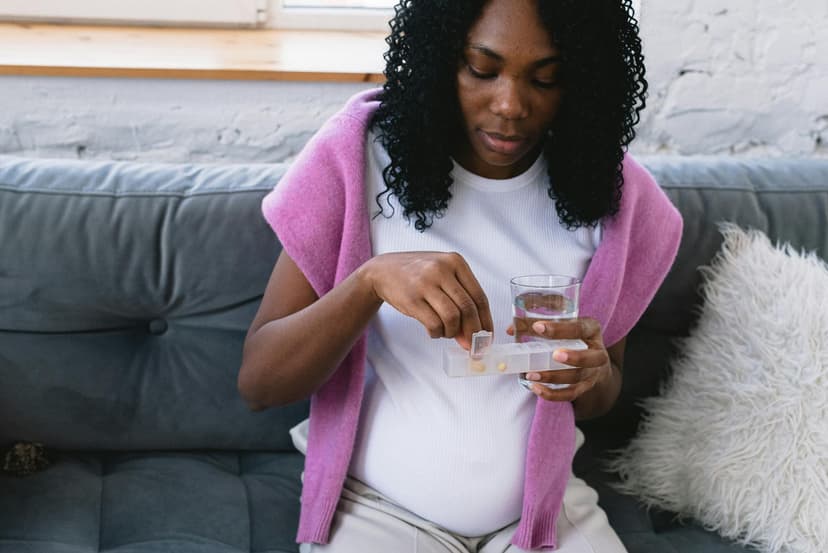
Is vitamin D safe to take while pregnant?
For most pregnant people, vitamin D is considered safe when taken in appropriate amounts, and it is commonly included in prenatal vitamins. Higher-dose supplementation may be recommended if you are deficient, but dosing should be individualized with your prenatal care clinician.