Alcohol and Blood Pressure Meds: Is It Safe?

Summary
Drinking alcohol while taking blood pressure medication is sometimes possible, but it is often not recommended because alcohol can raise blood pressure and amplify side effects like dizziness or fainting. The safest approach is to ask your prescriber what is appropriate for your specific medication, dose, and health history.
The Short Answer
Many people can drink a small amount of alcohol while on blood pressure medication, but it is a common setup for side effects.
Alcohol can lower blood pressure temporarily, then contribute to higher readings later, and it can also make medication effects feel stronger. Clinicians often advise limiting alcohol or avoiding it during medication changes, dose increases, or if you have symptoms like lightheadedness.
If you are unsure, treat alcohol like any other drug interaction, check with your pharmacist or prescriber. This is especially important if you have had falls, fainting, or episodes of very low blood pressure.
Important: Do not drink alcohol if it has ever caused you to feel faint, confused, or severely unsteady while on your medication. Those can be warning signs of dangerous low blood pressure or impaired Coordination.
Why alcohol can be risky with blood pressure meds
Alcohol and blood pressure medications can stack their effects.
Some medications relax blood vessels or slow the heart rate. Alcohol can do similar things in the short term, which can push you into low blood pressure, especially when you stand up quickly. That is why people sometimes notice dizziness getting out of bed, “tunnel vision”, or near-fainting after a drink.
Alcohol also affects the nervous system, reaction time, and balance. Even if your blood pressure stays in a safe range, your risk of accidents can rise if you are sedated or unsteady, particularly at night.
There is also the longer-term issue, regular alcohol intake can make blood pressure harder to control. If your readings are creeping up over time, alcohol may contribute to that Progression, even if you do not feel immediate symptoms.
Medications where mixing with alcohol is more concerning
Not all blood pressure drugs interact with alcohol the same way. The risk is mostly about amplified side effects and unpredictable blood pressure changes.
In general, be extra cautious if you take:
If you take multiple blood pressure medications, the interaction risk tends to be higher because your baseline blood pressure is already being pushed down by more than one mechanism.
Who should avoid alcohol or get personalized advice first
Some situations make alcohol a poor bet, even in small amounts.
Talk with a clinician before drinking if any of these apply:
If you are older, frail, or on medications that already cause sleepiness, it is worth being even more cautious. The goal is preventing injury and avoiding sudden drops in blood pressure.
Practical ways to lower risk if you choose to drink
If your prescriber has not told you to avoid alcohol entirely, you can still reduce the chance of problems.
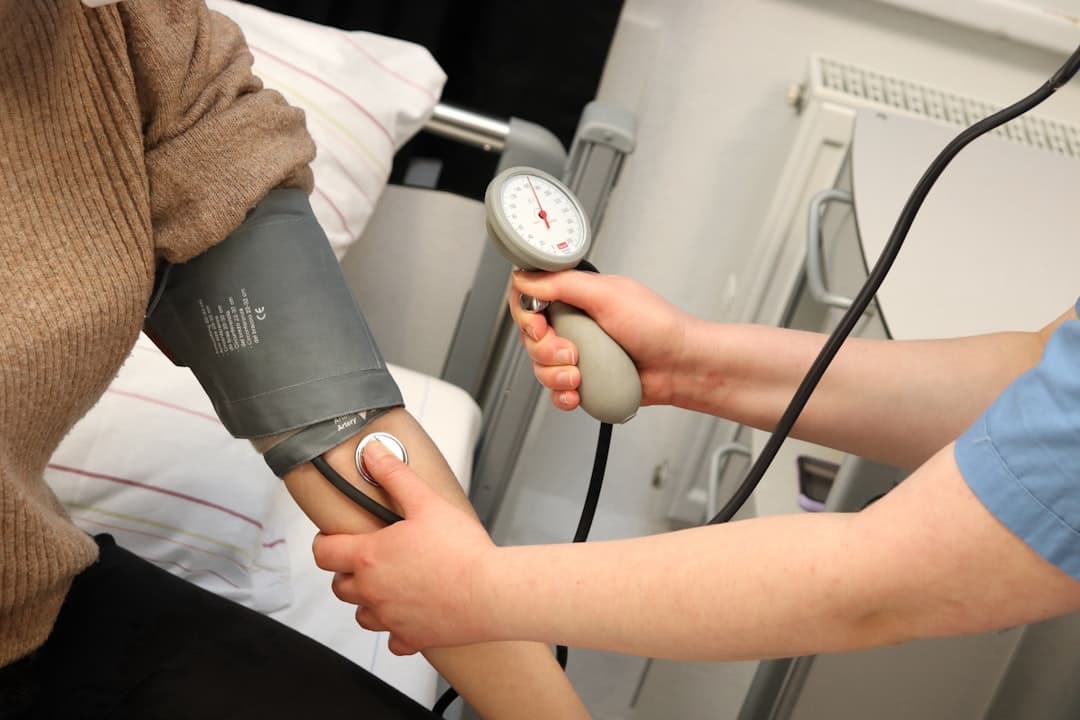
Pro Tip: If you monitor blood pressure at home, take a reading before drinking and again the next morning, not while actively intoxicated. If your cuff uses an arm Transducer, make sure the cuff size and placement are correct so you do not chase inaccurate numbers.
When to stop drinking and seek medical help
Mild flushing or sleepiness can happen, but some symptoms are red flags.
Stop drinking and contact a clinician urgently if you have:
Seek emergency care right away if you have symptoms of a heart attack, including pressure, squeezing, or persistent Chest Pain, especially if it spreads to the arm, jaw, or back, or comes with sweating or nausea.
Alcohol can also worsen judgment and attention. When the brain is sedated, networks involved in self-monitoring, such as the Default Mode Network, can be disrupted, which is one reason people may ignore early warning symptoms. If something feels “off,” it is safer to stop and get help.
Frequently Asked Questions
- Does alcohol make blood pressure medication stop working?
- Alcohol does not usually “cancel out” blood pressure medication, but it can make blood pressure more unpredictable and harder to control over time. If your readings worsen or you need higher doses, your clinician may ask about alcohol intake as one possible contributor.
- Is it safer to drink if I take my blood pressure pill in the morning?
- Timing can matter, but it does not eliminate risk. Some people still experience dizziness or low blood pressure later in the day, especially with longer-acting medications, so ask your pharmacist whether your specific drug has a peak effect to consider.
- Can I have non-alcoholic beer or wine with blood pressure medication?
- Often, yes, but check the label. Some “non-alcoholic” products still contain small amounts of alcohol, and some beverages can be high in sugar or sodium, which may affect blood pressure for certain people.
- What if I drank and then forgot a dose of my blood pressure medication?
- Follow the instructions you were given for missed doses, and do not double up unless your prescriber has told you to. If you are unsure, call a pharmacist, and avoid further alcohol until you are back on your usual schedule.
Get Evidence-Based Health Tips
Join readers getting weekly insights on health, nutrition, and wellness. No spam, ever.
No spam. Unsubscribe anytime.