Blood Pressure
The Blood Pressure niche encompasses a wide array of topics related to the regulation, measurement, and health implications of blood pressure. This includes understanding conditions like hypertension and hypotension, exploring risk factors and potential complications, and investigating treatments ranging from lifestyle modifications to medications. It also covers the impact of diet, exercise, stress management, and monitoring techniques on maintaining optimal blood pressure levels.
Explore Topics
In-depth topics to explore in Blood Pressure.
Blood Pressure: Complete Guide
Blood pressure is a vital sign that reflects how hard your heart and blood vessels are working to deliver blood to your organs. Understanding your numbers, what influences them, and how to measure them correctly can help you prevent heart disease, stroke, kidney damage, and other complications. This guide covers the science, practical best practices, risks, and what modern research supports.
Hypertension: Complete Guide
Hypertension (high blood pressure) is one of the most common and most treatable drivers of heart disease, stroke, kidney disease, and cognitive decline. This guide explains how hypertension works, how to measure it correctly, what lifestyle changes and medications actually lower it, and how to personalize a plan based on risk and comorbidities.
Potassium: Complete Guide
Potassium is an essential electrolyte that helps regulate fluid balance, nerve signaling, muscle contraction, and blood pressure. Most people benefit most from getting potassium through whole foods, but certain medications and kidney issues can make high potassium risky. This guide covers how potassium works, evidence-based benefits, practical intake strategies, and when to be cautious.
Measurement: Complete Guide
Measurement is the process of quantifying health metrics to evaluate whether an intervention is working, for whom, and at what cost. Done well, it turns vague goals like “get healthier” into trackable signals you can act on, while reducing guesswork, bias, and wasted effort. This guide explains how measurement works, what to measure, how often, how to interpret results, and how to avoid common pitfalls.
All Articles

Alcohol and Blood Pressure Meds: Is It Safe?
Drinking alcohol while taking blood pressure medication is sometimes possible, but it is often not recommended because alcohol can raise blood pressure and amplify side effects like dizziness or fainting. The safest approach is to ask your prescriber what is appropriate for your specific medication, dose, and health history.
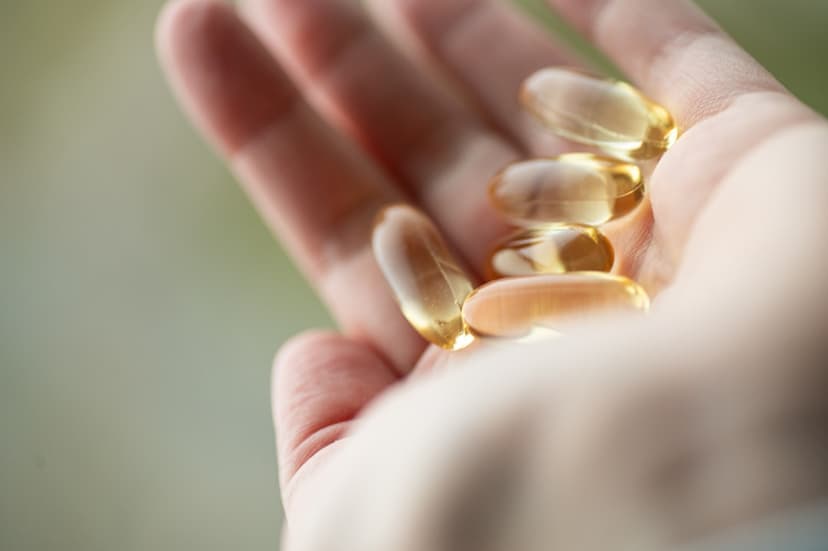
Is it safe to take vitamin D with BP medicines?
Vitamin D is generally safe to take with most antihypertensive medications when used at typical supplement doses. The main concerns are higher calcium levels and kidney-related side effects, especially if you take certain diuretics or have kidney disease. Check with your clinician or pharmacist before starting, particularly if you use multiple blood pressure drugs or take calcium supplements.

Heart Racing After Eating: What It Can Mean
A racing heart after eating is often a normal response to digestion, a large or high-carb meal, caffeine, alcohol, or stress. Sometimes it can be linked to blood sugar swings, low blood pressure after meals, food reactions, or an irregular heart rhythm. If it’s new, frequent, or comes with chest pain, fainting, or shortness of breath, it’s worth getting checked by a healthcare professional.
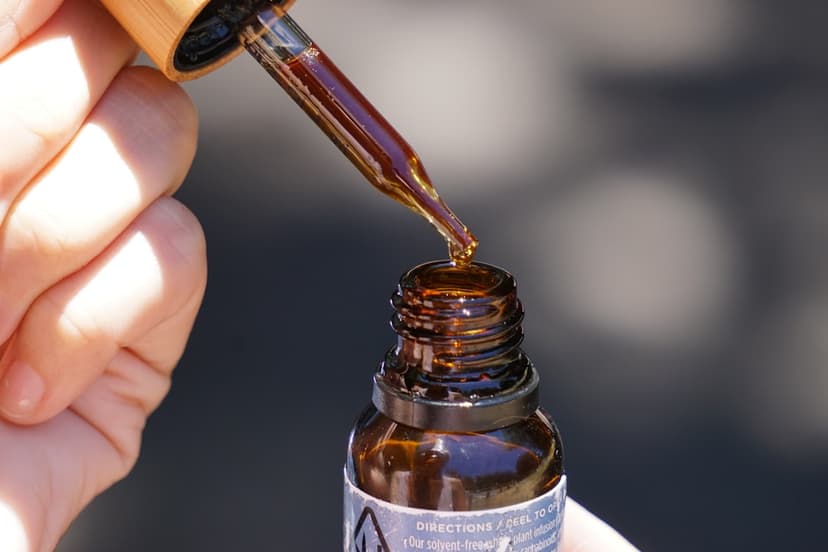
Is CBD oil safe with blood pressure medication?
CBD oil is not automatically unsafe with blood pressure medication, but it can interact with certain drugs and may increase the risk of low blood pressure, dizziness, or excessive sleepiness. Because product strength varies and interactions depend on the specific medication, it is generally recommended to check with your prescriber or pharmacist before using CBD.
Zinc With Blood Pressure Meds: Is It Safe?
Often, zinc can be taken while using blood pressure medication, but it is not always a “no-interaction” combination. The main concerns are reduced absorption of certain drugs or zinc, stomach upset, and higher risk of side effects in people with kidney problems or complex medication regimens. Check with a pharmacist or prescriber, especially if you take multiple medicines or use higher-dose zinc.
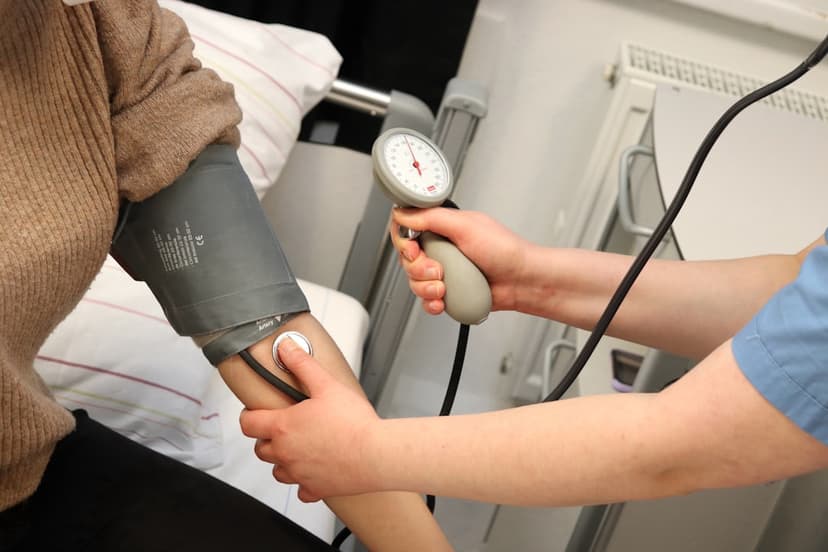
How to Spot Fake Blood Pressure Advice Online
Scrolling for blood pressure tips can feel helpful until two posts say opposite things with equal confidence. This article shares the video’s core message, online health misinformation is common, it can be dangerous, and it can push people to delay care or try risky shortcuts. You will learn the CRAAP test (Currency, Relevance, Authority, Accuracy, Purpose), a simple framework for judging whether a blood pressure claim is likely trustworthy. You will also get practical examples, red flags, and safer next steps for using online info without letting it take over your health decisions.
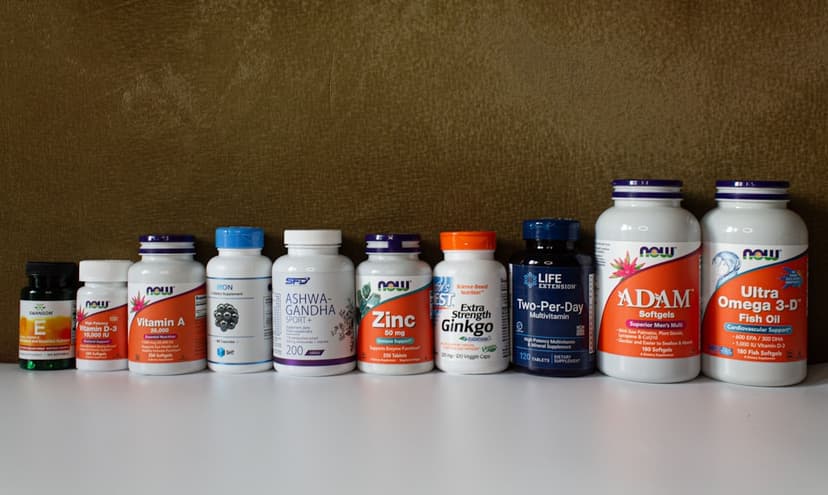
Is it safe to take magnesium with BP medication?
For many people, magnesium can be taken with blood pressure medication, but timing and your specific drug matter. Magnesium may lower blood pressure slightly and can interfere with the absorption of some medicines, so it is safest to confirm the plan with your clinician or pharmacist.
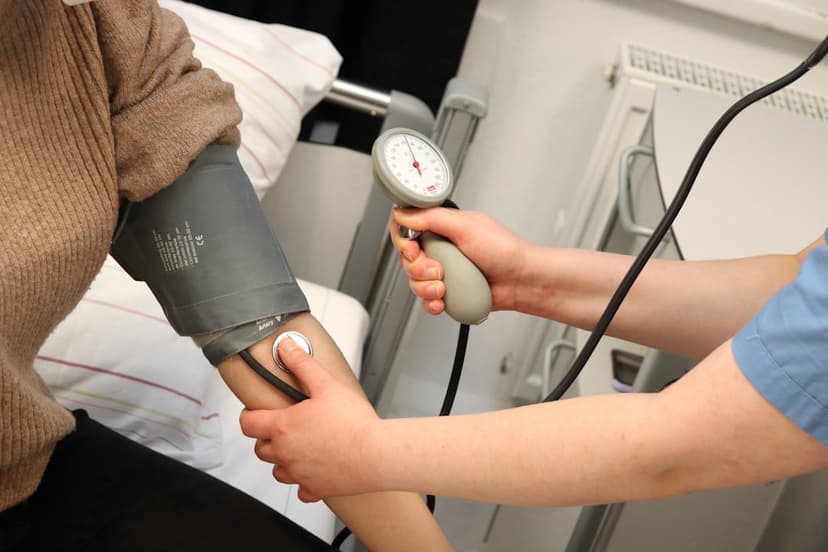
Why You Feel Dizzy When You Stand Up
Dizziness when standing up is often caused by a temporary drop in blood pressure as your body adjusts to gravity. It is commonly linked to dehydration, standing up too fast, certain medications, or being unwell, but persistent or severe symptoms should be checked by a healthcare professional.
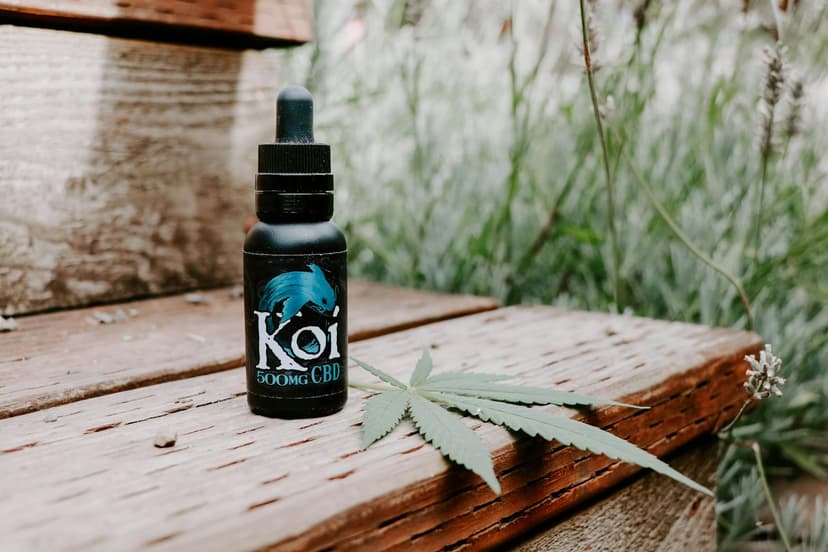
Can You Take CBD Oil While on Blood Thinners?
CBD oil can interact with some blood thinners, especially warfarin, and may increase bleeding risk. If you take any anticoagulant or antiplatelet medicine, check with your prescriber or pharmacist before using CBD, even “low dose” products.
Vitamin D With Blood Pressure Meds: Is It Safe?
Many people can take vitamin D while using blood pressure medication, but safety depends on the specific drug, your kidney function, and your calcium level. The biggest concern is high calcium, which is more likely with certain diuretics or high-dose vitamin D, so it is worth checking with your prescriber and reviewing your total daily dose.

Melatonin With Blood Pressure Meds: Is It Safe?
Melatonin is often tolerated with blood pressure medications, but it can change blood pressure in some people and may interact with certain drug types. If you take antihypertensives, start only with clinician guidance, especially if you have dizziness, falls, or multiple heart medications.

Top Foods to Naturally Lower Blood Pressure
In the video, experts discuss ten foods that may help lower blood pressure naturally. While not a proven list, these foods, including leafy greens, beets, berries, oats, and garlic, have properties that might reduce blood pressure. The experts emphasize the importance of diet in managing blood pressure, supported by research linking fruits and vegetables to heart health.

Transforming Fast Food: Tips for Healthier Choices on the Go
Most people think the “healthiest” fast-food choice is a single magic menu item. The doctors in this video take a different angle, they treat fast food as a realistic emergency option and focus on small, repeatable decisions that make a meal “less bad,” especially for blood pressure. Their approach starts with the obvious swaps, choose grilled or baked instead of deep fried, then moves to the sneaky drivers of calories and sodium: sugary drinks, sauces, dressings, processed meats, and add-ons like cheese and bacon. They also stress portion control and planning ahead, because hungry, rushed ordering leads to emotional decisions. The core message is not to normalize fast food as daily eating, but to use these guardrails when travel, late work, or convenience corners you.