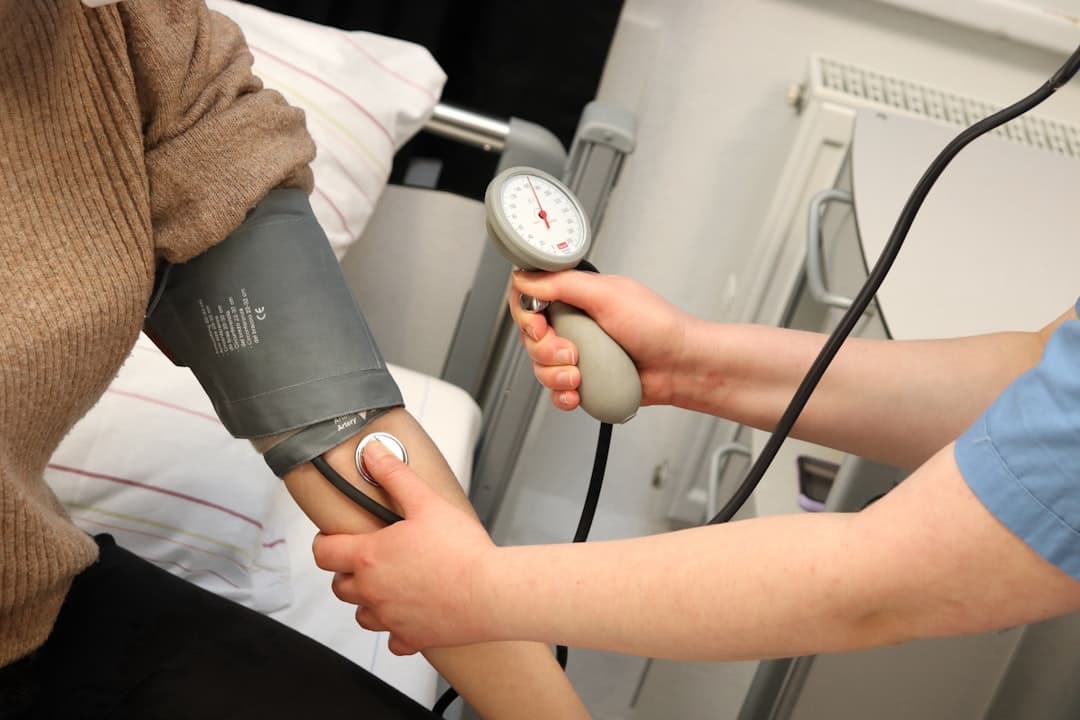
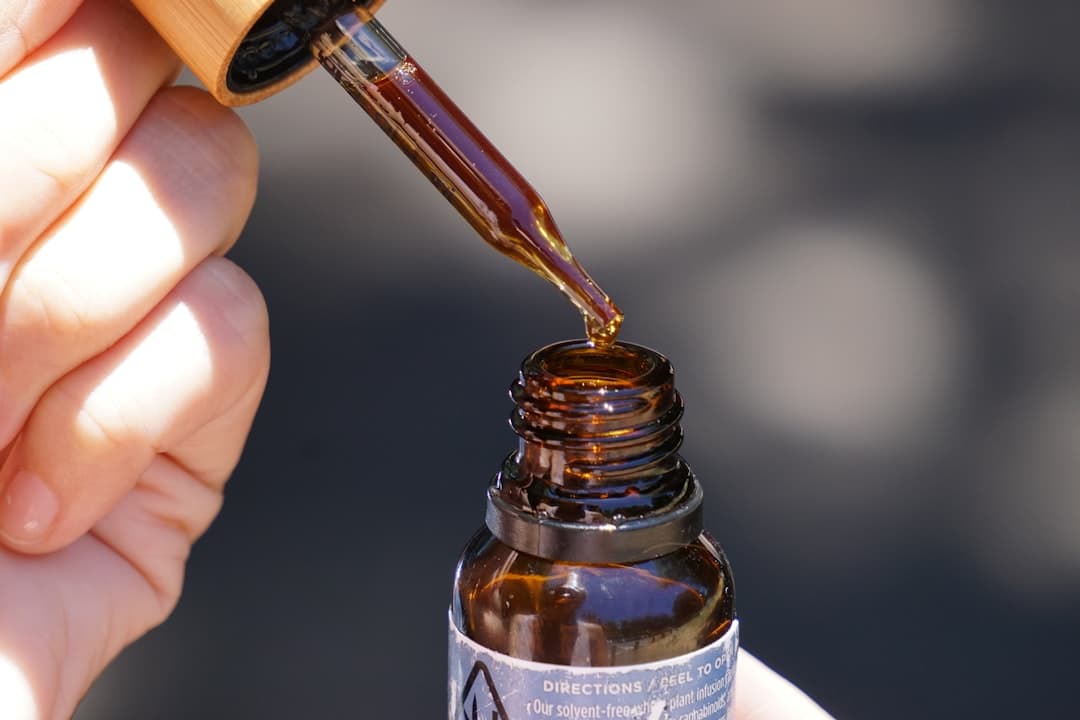
Is CBD oil safe with blood pressure medication?
Summary
CBD oil is not automatically unsafe with blood pressure medication, but it can interact with certain drugs and may increase the risk of low blood pressure, dizziness, or excessive sleepiness. Because product strength varies and interactions depend on the specific medication, it is generally recommended to check with your prescriber or pharmacist before using CBD.
The Short Answer
CBD can change how your body processes some medications, including certain blood pressure drugs, and it can also have its own blood pressure lowering and calming effects.
That combination can be a problem for some people, especially if you already run on the low side, you are older, or you take more than one medicine that can lower blood pressure.
Most clinicians advise avoiding “trial and error” with CBD when you are on prescription blood pressure medication. If you still want to use it, the safest path is to review your exact medication list with a pharmacist or prescribing clinician, then monitor blood pressure and symptoms closely.
Important: Do not stop or reduce your blood pressure medication to “make room” for CBD. Stopping suddenly can cause rebound high blood pressure and raises cardiovascular risk.
Why CBD can be risky with blood pressure meds
There are two main safety issues: drug interactions and additive effects.
First, CBD can interfere with liver enzymes that help break down many medications. If a blood pressure drug is affected, CBD may raise the medicine level in your bloodstream, which can increase side effects. This is similar to why grapefruit is cautioned with some medications.
Second, CBD may lower blood pressure in some people, particularly shortly after a dose. When combined with antihypertensives, this can tip you into blood pressure that is too low, especially when standing up. Low blood pressure can reduce blood flow to the brain briefly, leading to lightheadedness or fainting.
The risk is not the same for everyone. Your baseline blood pressure, hydration status, alcohol use, and other sedating medicines can all change how your body responds.
Medications and situations that deserve extra caution
Not all blood pressure medicines have the same interaction potential, but a cautious approach is reasonable because individuals vary and CBD products vary.
People are often advised to be especially careful if they take:
Certain health situations also raise the stakes:
What safer use can look like (if your clinician okays it)
If your prescriber or pharmacist agrees CBD may be reasonable for you, the goal is to reduce avoidable risk.
Start by clarifying the product. “CBD oil” can mean very different concentrations, and some products contain measurable THC or other cannabinoids that can affect heart rate, alertness, and anxiety. Products may also include alcohol or sedating herbs.
Then plan monitoring. Home blood pressure checks can help you catch a pattern of lows, especially in the first week or after any dose change.
Pro Tip: If you monitor at home, check blood pressure when you feel your best and when you feel symptoms, and include a standing reading (after 1 to 3 minutes upright). A noticeable drop on standing is a common clue that the combination is too much.
Practical harm-reduction steps many clinicians suggest include:
Finally, timing can matter. Some people try separating CBD and medication doses, but separation does not guarantee safety because enzyme effects can last beyond the time you feel CBD.
When to stop and get medical advice
Stop CBD and contact a healthcare professional promptly if you develop symptoms that suggest your blood pressure is too low or your medication levels are higher than expected.
Watch for:
If you have a home cuff, bring your readings to the conversation. Patterns matter more than a single number.
Key Takeaways for Safer Decisions
Frequently Asked Questions
- Does CBD raise or lower blood pressure?
- CBD may lower blood pressure in some people, particularly soon after a dose, and it may also cause relaxation or sleepiness that feels like “low BP.” Responses vary, so if you use CBD with antihypertensives, monitoring and clinician guidance are important.
- Is topical CBD (creams) safer than CBD oil if I take blood pressure medicine?
- Topicals are less likely to cause whole-body effects than oral products, but absorption can still occur, especially with frequent use or large application areas. It is still wise to ask a pharmacist, particularly if you have had dizziness or are on multiple medications.
- Can I use CBD gummies at night if I take my blood pressure medication in the morning?
- Spacing doses may reduce overlapping peak effects, but it does not eliminate interaction risk because CBD can affect medication metabolism beyond the time you feel it. A clinician can advise whether timing changes are reasonable for your specific medication and health history.
- What should I tell my pharmacist or doctor before trying CBD?
- Share the exact product (brand, dose per serving, and whether it contains THC), how often you plan to use it, and your full medication list including supplements. Also mention any history of fainting, falls, liver or kidney disease, and recent blood pressure readings.
Get Evidence-Based Health Tips
Join readers getting weekly insights on health, nutrition, and wellness. No spam, ever.
No spam. Unsubscribe anytime.