Why You Feel Dizzy When You Stand Up
Summary
Dizziness when standing up is often caused by a temporary drop in blood pressure as your body adjusts to gravity. It is commonly linked to dehydration, standing up too fast, certain medications, or being unwell, but persistent or severe symptoms should be checked by a healthcare professional.
What’s happening in your body when you stand
When you stand, gravity pulls blood toward your legs and lower body. For a moment, that means less blood returns to your heart and less blood reaches your brain.
Your body usually corrects this quickly. Sensors in your blood vessels signal your nervous system to tighten blood vessels and slightly increase heart rate so blood flow to the brain stays steady.
If that response is delayed or not strong enough, you can feel lightheaded, woozy, or briefly unsteady. Some people describe it as “seeing stars,” a gray-out, or feeling like they might faint.
This pattern is often called orthostatic (postural) dizziness, and it is common.
Common reasons you might feel dizzy when standing
Sometimes it is simply about timing. Standing up quickly after lying down, especially first thing in the morning, can outpace your body’s ability to adjust.
Dehydration is a frequent trigger. When you are low on fluids, your blood volume can be lower, so blood pressure is more likely to dip when you change position. This can happen with vomiting, diarrhea, fever, heavy sweating, or not drinking enough.
Not eating regularly can contribute too. Low blood sugar or long gaps between meals can make lightheadedness more noticeable, especially when paired with caffeine, heat, or exercise.
Medications are another common culprit. Drugs used for high blood pressure, heart conditions, depression, anxiety, prostate symptoms, and sleep can all affect blood pressure, heart rate, alertness, or balance. Alcohol and other sedating substances can also worsen dizziness through Central Nervous System Effects.
Illness and recovery periods matter. After a viral infection, after surgery, or during a flare of chronic illness, your nervous system and circulation may be less responsive, and you may be deconditioned from resting more.
A less obvious cause is anemia (low red blood cells) or low iron, which can reduce oxygen delivery and make you feel weak or dizzy, particularly with standing. Nutrient gaps can play a role, including some Vitamins, but it is best to confirm with testing rather than guessing.
When it’s normal vs. worth checking
A brief wave of lightheadedness that passes in a few seconds, happens only occasionally, and improves with hydration and slower position changes is often not dangerous.
It is more concerning when dizziness is frequent, worsening, or affecting daily life. It is also worth checking if you have risk factors like diabetes, Parkinson’s disease, known heart disease, or you recently started or increased a medication.
Important: Seek urgent medical care if dizziness comes with chest pain, shortness of breath, new weakness or numbness on one side, trouble speaking, severe headache, confusion, or fainting. Also get urgent help if you might have been exposed to Carbon Monoxide (CO), symptoms can include headache, dizziness, nausea, and confusion.
A fever with severe headache, neck stiffness, or a new rash is another red flag. While dizziness can happen with many minor infections, symptoms like these can be seen in serious conditions such as Meningitis, which needs immediate assessment.
Things that often help (and how to try them safely)
Small changes can make a big difference, especially if symptoms are mild.
Stand up in stages. Move from lying to sitting, pause, then stand, giving your body time to adjust. If you feel lightheaded, sit back down and try again more slowly.
Hydrate consistently throughout the day. Generally recommended hydration varies by person, activity, and climate, but many people do better when they drink regularly rather than “catching up” all at once. If you have heart, kidney, or liver disease, ask your clinician what fluid intake is safe for you.
Be cautious with hot showers and hot environments. Heat widens blood vessels and can make postural dizziness more likely, especially after exercise or alcohol.
Review medications and substances. If symptoms started after a new prescription, dose change, or increased alcohol or cannabis use, ask your prescriber or pharmacist whether dizziness on standing is a known side effect and what alternatives might exist. Do not stop prescribed medicines without medical advice.
Eat regularly and include protein. Balanced meals and planned snacks can reduce lightheadedness related to low intake, especially in people who get symptoms late morning or mid-afternoon.
Consider compression and counter-maneuvers if advised. Some people benefit from compression stockings or from tensing leg and buttock muscles before standing. A clinician can help you decide if these are appropriate, particularly if you have circulation problems.
Pro Tip: If you tend to get dizzy getting out of bed, try sitting on the edge of the bed for a minute, pumping your ankles, and taking a few slow breaths before standing.
If you are repeatedly close to fainting, have fallen, or the dizziness is new and unexplained, it is safer to get evaluated rather than trying to “push through.”
What a clinician may check
The goal is usually to confirm whether your blood pressure or heart rate changes significantly with position, and to look for treatable contributors.
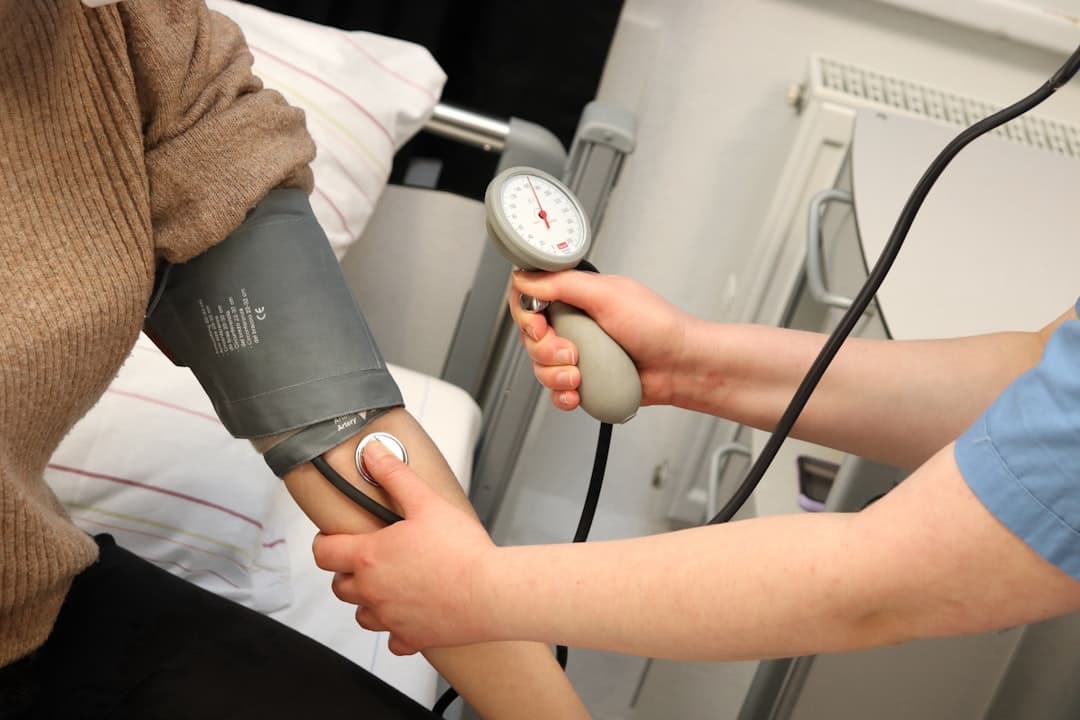
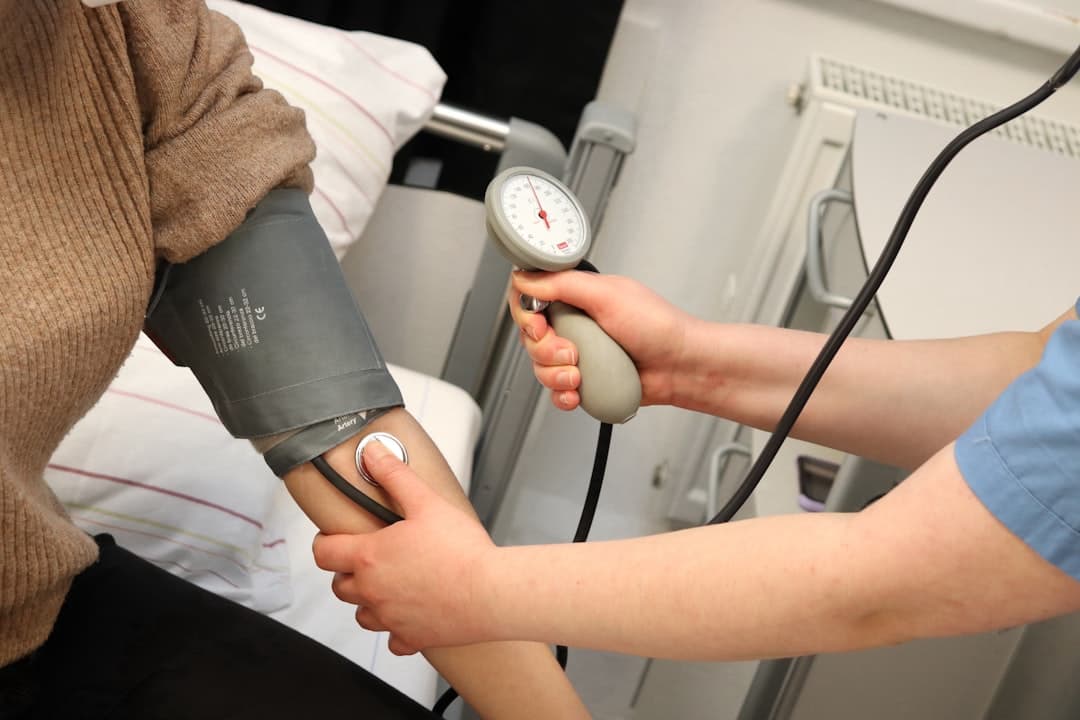
A clinician may measure your blood pressure and pulse while lying down and again after standing. They may also ask about fluid intake, recent illness, menstrual bleeding, diet, and medication timing.
Depending on your story and exam, they might order blood tests for anemia, electrolyte issues, thyroid problems, or vitamin deficiencies. If there are symptoms suggesting a heart rhythm problem, they may do an ECG or recommend longer monitoring.
If nerve or muscle symptoms are present (such as numbness, weakness, or unusual tingling), additional testing may be considered. In some situations, specialists use tools like EMG (electromyography) to evaluate nerve and muscle function, although this is not needed for most people with simple postural dizziness.
If you are worried about a serious underlying disease, it can help to know that many causes of dizziness on standing are manageable. The key is matching the evaluation to your symptoms and risk factors.
Key takeaways
Frequently Asked Questions
- Can anxiety cause dizziness when I stand up?
- Anxiety can make dizziness more noticeable by changing breathing patterns, increasing muscle tension, and heightening awareness of normal body sensations. It can also overlap with dehydration, poor sleep, and skipped meals, which can worsen postural symptoms. If dizziness is new, severe, or includes fainting, it is still important to get checked.
- Why do I feel dizzy when I stand up during pregnancy?
- Pregnancy can increase the chance of lightheadedness because blood vessel tone and circulation change, and dehydration can happen more easily. Standing slowly, staying hydrated, and eating regular meals often helps, but persistent symptoms should be discussed with a prenatal care clinician to rule out anemia or blood pressure issues.
- Is dizziness when standing a sign of low iron?
- It can be, especially if it comes with fatigue, shortness of breath on exertion, pale skin, or heavy menstrual bleeding. Because many issues can cause similar symptoms, a blood test is usually the safest way to confirm whether iron deficiency or anemia is present.
- How can I tell if my dizziness is from an inner ear problem instead?
- Inner ear causes often feel like spinning (vertigo) and may worsen with head movement rather than just standing up. They can also come with nausea, ear fullness, or hearing changes. If you are unsure, a clinician can help differentiate postural dizziness from vestibular conditions.
Get Evidence-Based Health Tips
Join readers getting weekly insights on health, nutrition, and wellness. No spam, ever.
No spam. Unsubscribe anytime.