10 Foot Clues That May Signal Liver Stress

Summary
Feet are easy to ignore, but this video’s core idea is that they can act like an early “dashboard” for liver stress and metabolic problems, especially insulin resistance. It walks through 10 specific foot changes, from yellow discoloration and toenail fungus to swelling, cracked heels, dark patches, gout in the big toe, and strong foot odor. The unifying theme is not that feet diagnose liver disease, but that circulation, bile flow, immune function, inflammation, and blood sugar control can show up at the farthest points from the heart. If you notice persistent or worsening changes, consider discussing liver and metabolic screening with a clinician.
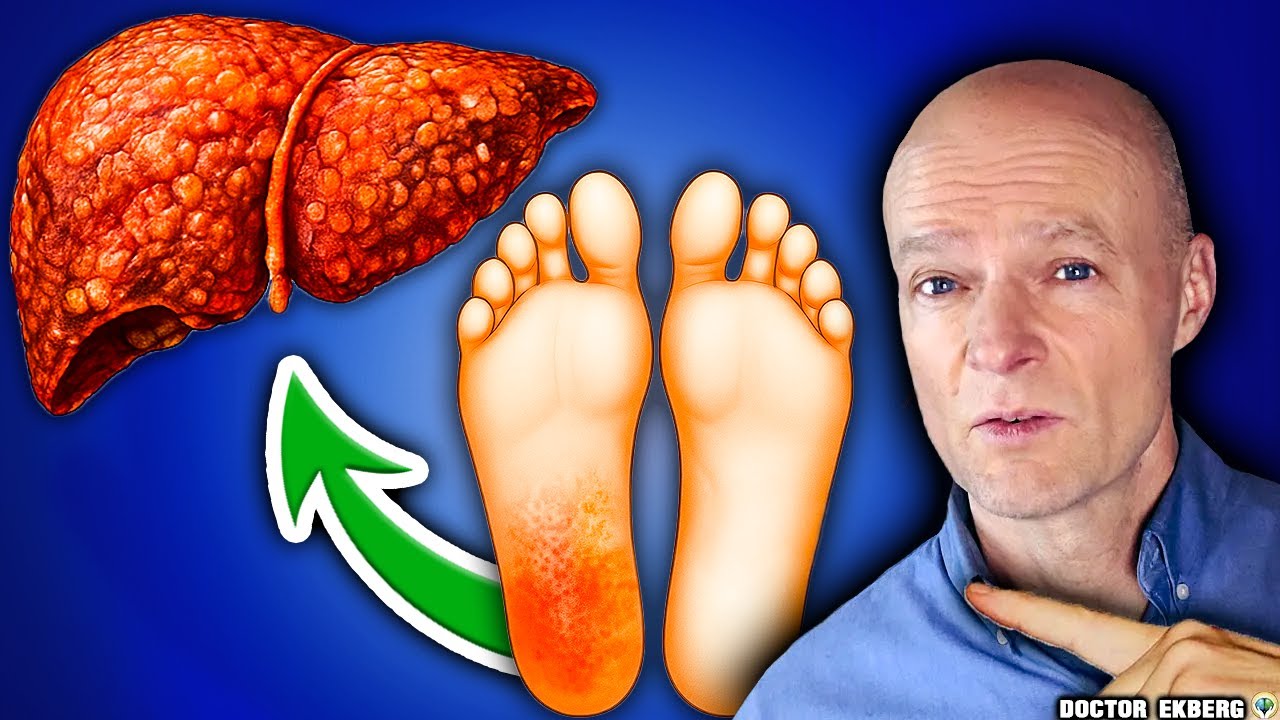
Feet do not usually get invited into conversations about liver health.
Yet the central message here is simple and a little unsettling: because the feet are far from the heart and packed with small blood vessels, nerves, sweat glands, skin, and nails, they can show early clues when metabolism and detox pathways are under strain.
This perspective ties many foot symptoms to a common upstream theme, liver stress plus insulin resistance, with knock-on effects in circulation, immune function, inflammation, bile flow, and even the gut microbiome.
Important: Foot changes are not a diagnosis. If a new symptom is persistent, worsening, painful, associated with fever, spreading redness, open sores, sudden swelling, or yellowing of the eyes, it is worth getting medical care promptly.
Why feet can reflect liver and blood sugar health
The argument centers on the liver as a “metabolic factory.” It processes byproducts, supports immune defenses, helps manage fats through bile, and participates in hormone handling.
When that system is overwhelmed, the discussion highlights a pattern: the body often shows it at the periphery first. Hands and feet can feel it sooner because circulation challenges and nerve irritation tend to show up in the farthest tissues.
This framing also leans heavily on insulin resistance as the bridge between liver stress and foot symptoms. In insulin resistance, blood sugar may run higher, blood vessels may function less smoothly, and pathogens like fungi can have an easier time thriving.
From a research standpoint, this is consistent with the broader medical view that metabolic dysfunction increases risk for nerve problems, circulation issues, and skin and nail infections. For example, diabetes is a major risk factor for neuropathy and foot complications, as summarized by the National Institute of Diabetes and Digestive and Kidney DiseasesTrusted Source.
A practical way to use this “feet as dashboard” idea
You do not need to panic-scan your toes every day.
But you can use a simple pattern: if a change is new, persistent, or paired with other metabolic signs (increasing waist size, fatigue after meals, frequent infections, rising A1C, fatty liver history), treat it as a reason to get curious and consider a check-in with a clinician.
Pro Tip: Take a quick monthly photo of the tops of your feet and toenails in good lighting. It can be surprisingly helpful for noticing gradual changes in color, swelling, or nail thickening.
Yellow feet: jaundice vs carotene vs fungus
Yellow discoloration is presented as a “location matters” symptom.
The key insight is that where the yellow color shows up can point to very different explanations, some benign and some more urgent.
Here are the three patterns described.
If the entire foot looks yellow, the concern raised is jaundice, which can occur when bilirubin builds up because the liver cannot keep up with processing it. In classic jaundice, yellowing often shows in the whites of the eyes and skin first, but severe cases may be visible in the feet too. Jaundice has many possible causes, so it is a situation where prompt medical evaluation is important, see an overview from the Mayo ClinicTrusted Source.
If only the soles are yellow, the video points to carotenemia, meaning higher carotenoids in the blood, often from eating a lot of carotenoid-rich foods like carrots, pumpkin, and sweet potatoes. The nuance here is helpful: it may simply be dietary, but liver stress could slow conversion of carotene into vitamin A, making the color more noticeable. Cleveland Clinic notes that carotenemia is usually harmless and commonly diet-related, see carotenemia overviewTrusted Source.
If yellowing is mainly around toenails, between toes, or in nails, the discussion shifts to fungal infection. The unique angle is that fungal issues are framed not only as a local skin problem, but as something that can worsen when immune function is strained and blood sugar is higher. Diabetes is a well-established risk factor for fungal infections, including nail fungus, and the American Academy of Dermatology describes typical features and risk factors in its nail fungus guidanceTrusted Source.
Another mechanism layered in is nail growth speed. If toxins accumulate and the body is under metabolic stress, nail growth may slow, making nails thicker, more brittle, and discolored over time. That is not a standard diagnostic rule, but it is a useful “watch this trend” idea: slow, thickened, yellow nails deserve attention, especially with other metabolic signs.
Cold, numb, or tingling feet: circulation and thyroid conversion
Cold feet are common, and sometimes it is just the room temperature.
This framing is more specific: cold plus numbness or tingling can suggest reduced circulation and nerve involvement.
One pathway emphasized is blood vessel dysfunction tied to higher glucose. Persistently higher blood sugar can harm the inner lining of blood vessels, the endothelium, which can impair regulation of blood flow and pressure. Over time, that can affect small vessels first. Diabetes-related nerve damage and circulation issues are widely recognized, and the American Diabetes AssociationTrusted Source explains why feet are especially vulnerable.
A second pathway is less commonly discussed in everyday foot articles: thyroid hormone conversion. The view here is that the liver helps convert thyroid hormone T4 into the more active T3, and when liver function is strained, overall metabolism may slow, contributing to feeling cold. Thyroid physiology is complex and involves multiple organs, but it is true that peripheral conversion of T4 to T3 occurs largely outside the thyroid gland, including in the liver, as summarized in endocrinology references like the NIH StatPearls overview of thyroid hormoneTrusted Source.
When numbness deserves faster attention
Numbness is not just annoying, it can change how you walk and increase injury risk.
If numbness is new, progressing, one-sided, or paired with weakness, color changes, or wounds that do not heal, it is reasonable to seek medical care sooner rather than later, especially if you have diabetes or known insulin resistance.
Red, burning feet: inflammation, toxins, and iron overload framing
Burning feet can feel dramatic.
The discussion ties burning and redness to inflammation and irritation of nerves and blood vessels, potentially from accumulation of inflammatory byproducts when the liver cannot keep up.
In inflammation, the body releases chemical messengers called cytokines that can trigger swelling, warmth, and redness. Blood vessels widen (vasodilation), increasing heat and color in the area.
A distinctive point in this video is the emphasis on iron overload as another irritant. Excess iron storage in the liver, including in hemochromatosis, is described as corrosive, like “rusting,” and stressful for the liver and pancreas. Clinically, hereditary hemochromatosis is a recognized condition that can cause iron accumulation and organ damage, and it is important because it is treatable when identified. For a medical overview, see the CDC page on hereditary hemochromatosisTrusted Source.
This does not mean burning feet equals iron overload.
It means burning feet can be a prompt to consider the bigger metabolic picture, including inflammation, glucose control, and whether basic labs might be appropriate in your situation.
Did you know? Hemochromatosis is one of the more common genetic conditions in people of Northern European ancestry, and it is often underdiagnosed because early symptoms can be vague, according to the CDCTrusted Source.
Itchy, dry, flaky feet and cracked heels: bile, fats, and glycation
Dry, itchy feet can be “just skin,” but the video frames it as a possible downstream sign of liver strain.
There are three main mechanisms presented, and they stack.
First is the idea of “alternate exits.” If the liver is overloaded, the body may push more waste products out through the skin. Skin irritation and itching can follow.
Second is bile. The liver produces bile, and bile is important for absorbing fats and fat-soluble nutrients. If bile flow or production is reduced, fat absorption may be less efficient, which can affect skin moisture and barrier function. Bile’s role in fat digestion is standard physiology, see an accessible overview from the Cleveland Clinic on bileTrusted Source.
Third is histamine handling. Histamine is involved in allergic reactions and inflammation, and the viewpoint here is that the liver plays a major role in breaking down histamine after it enters circulation. When the liver is strained, histamine may build up and contribute to itchiness and skin reactivity. Histamine metabolism is complex and involves enzymes in multiple tissues, but it is reasonable to discuss histamine as a contributor to itching in susceptible people, see a primer from the Cleveland Clinic on histamine intoleranceTrusted Source.
Cracked heels get their own emphasis.
The argument is that essential fatty acids support skin integrity, and the liver helps process and distribute fats. On top of that, metabolic stress may reduce circulation to the feet, limiting oxygen and nutrient delivery needed for repair.
Then comes a particularly diabetes-relevant mechanism: glycation. When blood sugar is higher, sugars can stick to proteins, creating advanced glycation end products (AGEs). This can stiffen and damage proteins like collagen, potentially making skin more brittle and prone to cracking over time. AGEs are widely discussed in diabetes complications research, and the National Institute on AgingTrusted Source provides a readable overview.
What the research shows: Higher glucose exposure over time contributes to AGE formation, which is linked to tissue stiffness and complications in metabolic disease, summarized by the National Institute on AgingTrusted Source.
Swollen feet and ankles: albumin, fluid balance, and RAAS
Swelling in the feet and ankles is one of the most visually obvious signs discussed.
Two pathways are highlighted.
One is albumin, a major blood protein made by the liver. Albumin helps keep fluid inside blood vessels by maintaining oncotic pressure (sometimes called osmotic pressure in lay explanations). If albumin is low, fluid can leak into tissues more easily, contributing to edema. Low albumin has many causes, and evaluation matters, but the physiology is well-established, see the Cleveland Clinic explanation of albuminTrusted Source.
The second pathway is the RAAS, the renin-angiotensin-aldosterone system, which regulates fluid balance and blood pressure. The video connects insulin resistance and toxin buildup with RAAS activation, which can increase sodium retention and water reabsorption by the kidneys, worsening swelling and raising blood pressure. RAAS is a core blood pressure system described in many medical references, including an overview in StatPearlsTrusted Source.
Swelling has a long list of possible causes, including heart, kidney, liver, vein, lymph, medication, and pregnancy-related factors.
That is why persistent swelling, especially if it is new, one-sided, painful, or associated with shortness of breath, is a “do not ignore” symptom to discuss with a clinician.
Dark patches, toenail fungus, and odor: insulin resistance and dysbiosis
This section ties together three foot issues that often travel as a group in metabolic stress: skin changes, fungal overgrowth, and odor.
Dark patches (acanthosis nigricans style)
Dark, velvety, thickened patches are discussed as similar to acanthosis nigricans, commonly seen with insulin resistance. While it often appears on the neck or armpits, the video notes it can also show up on feet, especially where friction and pressure occur.
The proposed mechanism is practical: friction creates wear and tear, and the body repairs the area. With insulin resistance, insulin levels may run higher, and insulin is described as “mitogenic,” meaning it can push cell growth. The result can be thickened, velvety skin.
Acanthosis nigricans is recognized clinically as a possible sign of insulin resistance, and the American Academy of DermatologyTrusted Source provides a patient-friendly overview.
Toenail fungus as an immune and glucose signal
Toenail fungus is framed as opportunistic.
When immune defenses are strained and blood sugar is higher, fungi may thrive. The video also adds a liver-centered antioxidant angle: if the liver cannot produce as much glutathione, the body’s key intracellular antioxidant, immune resilience may suffer.
Glutathione biology is complex and not something you can “measure” from your toenails, but the broader point is reasonable: chronic metabolic stress can impair immune function and increase infection risk.
Sweaty, smelly feet: sweat, stress response, and skin microbiome
Sweat itself does not usually stink.
Odor often comes from bacteria on the skin breaking down sweat components. The discussion emphasizes that each body area has its own characteristic bacterial community, and gut dysbiosis may be linked with skin dysbiosis in some people.
A distinctive twist is the link to the sympathetic nervous system. In this framing, dysbiosis and inflammation can increase “stress response” signaling, which boosts sweating in classic areas: palms, soles, and armpits.
»MORE: If you want a simple self-check worksheet, create a “foot trend log” with three columns: symptom, start date, and what else changed (diet, stress, new meds, new shoes). Bring it to your next appointment.
Gout in the big toe: uric acid, fructose, and metabolic health
Gout is described vividly as “broken glass” pain in the joint, most often the big toe.
The unique perspective here is that gout is not only a joint problem, it is also a metabolic signal tied to liver function and insulin resistance.
Uric acid is framed as a double-edged sword. Outside the cell, it can act as an antioxidant. Inside the cell, it may become pro-inflammatory and contribute to insulin resistance and tissue stress.
The video highlights two drivers of higher uric acid.
One is liver dysfunction, meaning reduced processing and handling of uric acid and related byproducts.
The other is fructose metabolism, which can raise uric acid levels. Research supports that fructose metabolism increases uric acid production, and elevated uric acid is associated with metabolic syndrome risk in many studies. For an accessible clinical overview of gout and uric acid, see the Mayo Clinic gout pageTrusted Source.
Another practical point is kidney reabsorption. Insulin resistance can increase the kidney’s tendency to reabsorb sodium, and in this framing, it can also increase uric acid reabsorption, reducing excretion and raising levels.
How to use these 10 signs without spiraling (step-by-step)
These signs work best as a pattern-recognition tool, not a self-diagnosis tool.
Map the symptom precisely. Note location (soles vs whole foot vs nails), timing (sudden vs gradual), and triggers (after meals, after alcohol, after long standing). Precision matters because “yellow soles” and “yellow eyes” are very different clinical conversations.
Look for metabolic clustering. Ask whether the foot change is happening alongside other insulin resistance signals like rising waist circumference, fatigue after carb-heavy meals, higher triglycerides, or a history of fatty liver. Clustering increases the odds that metabolism is part of the story.
Decide what needs urgent care vs routine evaluation. Sudden one-sided swelling, spreading redness with heat, fever, open wounds, black discoloration, severe pain, or yellowing of the eyes are reasons to seek prompt medical attention. Stable dryness, mild odor, or gradual thickening nails can often be discussed at a routine visit.
Bring specific questions to your clinician. Instead of “Is it my liver?”, consider asking about appropriate screening based on your risk factors, such as A1C, fasting glucose, lipids, liver enzymes, urine albumin, iron studies when indicated, and a foot exam if you have diabetes.
Expert Q&A
Q: If I have toenail fungus, does that mean my liver is failing?
A: Not necessarily. Toenail fungus is common and often relates to moisture, shoe environment, minor nail trauma, age, and exposure in communal areas. This video’s point is that recurrent or severe fungal issues can sometimes travel with higher blood sugar or immune strain, so it may be worth checking metabolic risk factors if you have other signs.
If you have diabetes, neuropathy, poor circulation, or you are immunocompromised, it is especially important to get individualized medical guidance because foot infections can become complicated.
Health educator, medically cautious writer
Expert Q&A
Q: What is the one foot symptom that should make me call a clinician quickly?
A: A good rule is urgency when there is rapid change or high risk: sudden one-sided swelling, severe pain (especially with redness and warmth), spreading redness, fever, drainage, or a wound that is not healing. Yellowing of the eyes or widespread skin yellowing also deserves prompt evaluation.
If you have diabetes, any new numbness, skin breakdown, or infection signs should be discussed sooner, because early treatment can help prevent complications.
Health educator, medically cautious writer
Key Takeaways
Frequently Asked Questions
- Can yellow soles just be from food?
- Yes. Yellowing limited to the soles can be consistent with carotenemia, often from eating a lot of carotenoid-rich foods like carrots or sweet potatoes. If you also notice yellowing of the eyes, widespread skin yellowing, dark urine, or feel unwell, seek medical evaluation.
- Why are feet often affected first in metabolic problems?
- Feet are far from the heart and rely on small blood vessels and nerves that can be sensitive to circulation changes and inflammation. When blood sugar is higher over time, vessel lining and nerves can be affected, making symptoms more noticeable in the periphery.
- Is foot swelling always a liver issue?
- No. Foot and ankle swelling can relate to many causes, including veins, lymph flow, heart, kidneys, liver, medications, and prolonged standing. Persistent or sudden swelling is worth discussing with a clinician, especially if it is one-sided or painful.
- Does foot odor mean toxins are coming out through sweat?
- Sweat itself usually does not smell, odor typically comes from skin bacteria breaking down sweat components. The video’s idea is that metabolic stress and dysbiosis may increase sweating and shift skin bacteria, which can worsen odor, but it is not a definitive test of liver function.
- How is gout connected to metabolism in this video?
- The video links gout to insulin resistance and liver stress that can raise uric acid levels, plus fructose metabolism that can increase uric acid production. If you have gout symptoms, a clinician can evaluate uric acid and discuss individualized risk factors.
Get Evidence-Based Health Tips
Join readers getting weekly insights on health, nutrition, and wellness. No spam, ever.
No spam. Unsubscribe anytime.