Blood Sugar & Diabetes
The Blood Sugar & Diabetes niche delves into the intricate relationship between blood glucose levels and diabetes management. It encompasses conditions such as Type 1 and Type 2 diabetes, gestational diabetes, and prediabetes, while exploring treatments like insulin therapy, medication, and lifestyle interventions. The niche also covers dietary strategies, monitoring techniques, and complications associated with uncontrolled blood sugar levels.
Explore Topics
In-depth topics to explore in Blood Sugar & Diabetes.
Sugar: Complete Guide
Sugar is more than a sweet taste. It is a fast, biologically active fuel that can support performance and recovery in the right context, but can also drive blood sugar swings, cravings, dental disease, and long-term metabolic risk when overconsumed. This guide explains how sugar works in the body, when it helps, when it harms, and how to use practical strategies to keep your intake aligned with your goals and health.
Glycemic: Complete Guide
“Glycemic” refers to blood sugar levels and the body’s responses to them, especially insulin and other hormones that regulate energy use and storage. Understanding glycemic patterns helps you make smarter choices about food, timing, movement, sleep, and medications so you can reduce glucose spikes, improve metabolic markers, and lower long-term disease risk.
Glucose Spike: Complete Guide
A glucose spike is a rapid rise in blood sugar after eating, especially after refined or high carbohydrate meals. Small, temporary rises are normal, but frequent large spikes can signal reduced metabolic flexibility and may contribute to hunger swings, fatigue, and long term cardiometabolic risk. This guide explains the biology, when spikes matter, and practical, evidence-based ways to smooth them without turning eating into a math problem.
A1C: Complete Guide
A1C (HbA1c) is a blood test that estimates your average blood sugar over roughly the last 2 to 3 months. It is central to diagnosing and monitoring diabetes, but it has important blind spots, including conditions that change red blood cell turnover and situations where glucose swings matter more than the average. This guide explains how A1C works, how to interpret it, how to improve it safely, and when other tests may be a better fit.
Fasting Glucose: Complete Guide
Fasting glucose is a simple blood test that reflects how well your body maintains blood sugar after several hours without food. It is widely used to screen for prediabetes and diabetes, but it can also miss early insulin resistance. This guide explains how fasting glucose works, what your results mean, how to improve them safely, and which other markers add clarity.
Non-Starchy Vegetables: Complete Guide
Non-starchy vegetables are low-carbohydrate, fiber-rich foods that can improve blood sugar stability, satiety, and overall diet quality without requiring strict dieting. This guide explains how they work, who benefits most, practical ways to eat them daily, potential risks for specific conditions, and what current research supports.
Diabetes: Complete Guide
Diabetes is a condition where the body cannot properly process sugar (glucose), leading to chronically elevated blood glucose and wide-ranging effects on blood vessels, nerves, organs, and energy levels. This guide explains how diabetes works, what improves outcomes, what can go wrong, and practical, evidence-based steps for prevention and day-to-day management.
Insulin Resistance: Complete Guide
Insulin resistance happens when your cells respond poorly to insulin, forcing your body to make more to keep blood sugar stable. Over time, this can drive weight gain, fatty liver, high triglycerides, elevated blood pressure, and progression toward prediabetes and type 2 diabetes. This guide explains the biology, the real-world signs and labs, and the most effective, evidence-based ways to improve insulin sensitivity.
Glucose Spikes: Complete Guide
Glucose spikes are rapid rises in blood sugar after eating, most often driven by high-glycemic carbohydrates, low fiber, and certain lifestyle factors like poor sleep or stress. Some spikes are normal and even useful, but frequent large spikes can signal reduced metabolic flexibility and may contribute to fatigue, cravings, and long-term cardiometabolic risk. This guide explains the biology, when spikes matter, and practical ways to blunt the ones that are most harmful without obsessing over every reading.
Type 2 Diabetes: Complete Guide
Type 2 diabetes is a chronic condition where the body becomes resistant to insulin and struggles to keep blood sugar in a healthy range. This guide explains the biology, proven benefits of treatment, practical day-to-day management, risks to watch for, and what modern research says about lifestyle, medications, and monitoring.
Ozempic: Complete Guide
Ozempic (semaglutide) is a prescription GLP-1 receptor agonist approved for type 2 diabetes and widely used off-label for weight loss. This guide explains how it works, what benefits are realistic, what risks to watch for, how dosing typically progresses, and how to use it in a way that protects muscle and long-term health.
Glucose: Complete Guide
Glucose is your body’s primary fast-acting fuel, powering the brain, muscles, and many essential cellular functions. It is also the central number behind blood sugar testing and diabetes management. This guide explains how glucose works, why it matters, how to keep it in a healthy range, and what the latest research suggests about optimizing metabolic health.
Blood Sugar: Complete Guide
Blood sugar (blood glucose) is your body’s main “fuel-in-transit,” supplying energy to the brain, muscles, and organs. Keeping it within a healthy range supports steady energy, mood, athletic performance, and long-term metabolic health. This guide explains how blood sugar works, why highs and lows matter, how to measure it, and practical, evidence-based ways to improve control.
All Articles
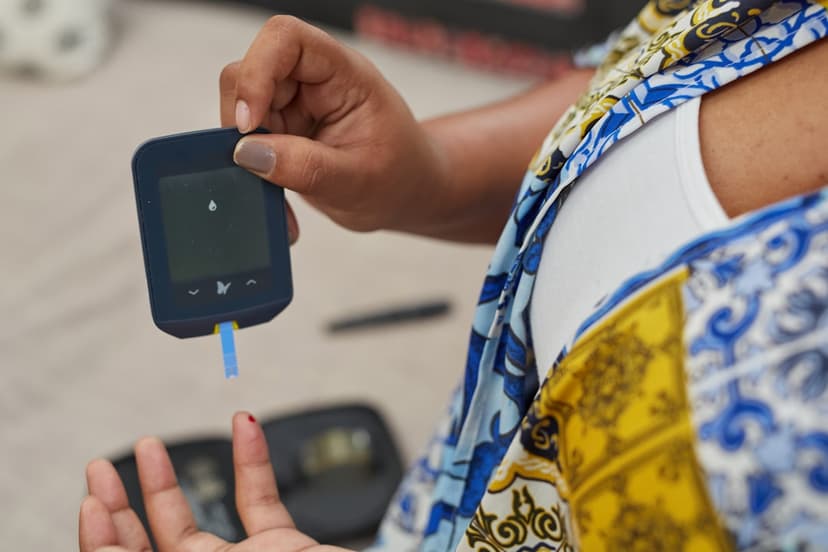
New Blood Sugar Testing Beyond A1C: A Practical Guide
If your A1C looks “fine” but you still feel unsure about your blood sugar health, this video’s message is blunt: A1C can miss important problems. The discussion focuses on common lab pitfalls and a more practical testing stack: fasting glucose and insulin, plus fructosamine and 1,5-anhydroglucitol (1,5-AG, often sold as the GlycoMark test) to better capture shorter-term swings. It also zooms out to cardiovascular risk labs, emphasizing ApoB with ApoA1 (as a ratio), and the value of checking both fasted and postmeal numbers since much risk biology happens after eating.

Best and Worst Rice for Blood Sugar, Ranked
If rice keeps spiking your blood sugar, this ranking offers a practical shortcut. After testing 20 rice types over 20 days, Dr. Ahmed Erin sorts options into a red danger zone, a yellow proceed-with-caution group, and green winners. Long-grain white rice lands in red due to a large carb load per bowl. Brown and wild rice are treated as “okay, but be careful.” Black rice performs better in this framing. The standout swaps are cauliflower rice and konjac-based “shiitake” style rice, which may have minimal impact because most carbs are fiber.

Pistachio Preload: A Snack to Soften Sugar Spikes
If you are going to eat a carb-heavy meal, this video’s key idea is surprisingly simple: have a small handful of pistachios (or walnuts) first. This “preload” uses the fat and fiber in nuts to slow how quickly food leaves your stomach, which can slow glucose absorption and may flatten the post-meal spike by about 20 to 40%. The result, in this framing, is fewer energy crashes, less rebound hunger, and steadier energy even when the meal includes pasta or other refined carbs. It is not a free pass for unlimited carbs, but it can be a practical cushion.
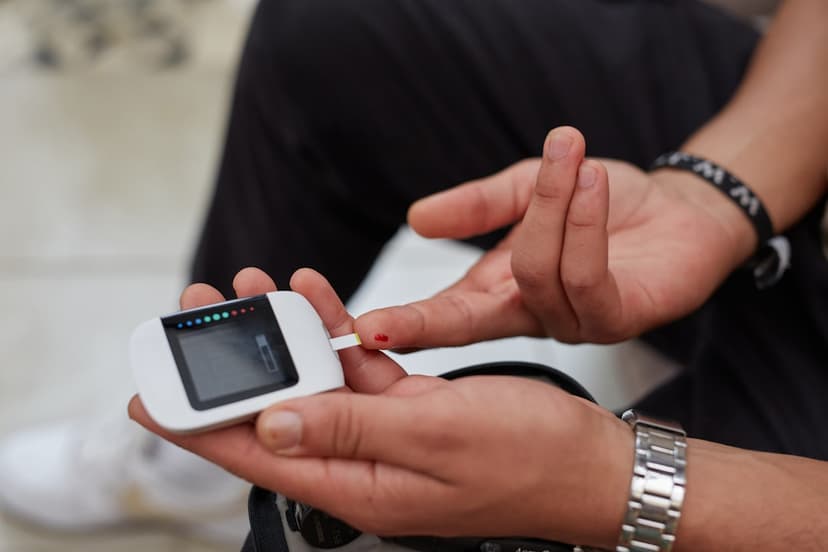
Berberine and Type 2 Diabetes: What a New RCT Found
A 12-week, double-blind, placebo-controlled phase 2 trial in China tested a newer berberine formulation at 500 mg twice daily or 1,000 mg twice daily in people with type 2 diabetes. The discussion highlights a notable A1C drop of about 1 percentage point in the berberine groups, alongside improvements in fasting glucose, insulin measures, triglycerides, CRP, and liver enzymes. A key theme is trade-offs: higher dosing may move some markers more, but GI side effects can occur, and “better absorption” forms are not automatically better if the gut is the main site of action. Talk with your clinician if you use glucose-lowering medications.

Pomegranates for Blood Sugar, What This Video Claims
In the video, This Miracle calls pomegranates a “miracle fruit” for reversing or preventing diabetes, arguing they work on root causes like insulin resistance and pancreatic cell dysfunction. The approach emphasizes daily intake (half to one whole pomegranate), timing (empty stomach, morning, or around workouts), and alternatives like frozen arils or small amounts of unsweetened juice (2 to 4 oz). Research suggests pomegranate polyphenols may support cardiometabolic markers, but effects vary, and pomegranates are not a substitute for prescribed diabetes care.

Could This High-Fiber Pasta Flatten Sugar Spikes?
A striking takeaway from the video is that pasta is not automatically “the enemy” for diabetes, the type of pasta can matter a lot. The clinician describes a patient who ate a large bowl of pasta without a glucose spike after switching from traditional spaghetti to an edamame-based pasta that is much higher in fiber and protein. The video’s framing is simple: fewer digestible carbs plus more fiber and protein can flatten the post-meal curve, possibly through slower digestion and satiety hormones like GLP-1. The nuance is that responses vary, and portions and toppings still count.

10 Foot Clues That May Signal Liver Stress
Feet are easy to ignore, but this video’s core idea is that they can act like an early “dashboard” for liver stress and metabolic problems, especially insulin resistance. It walks through 10 specific foot changes, from yellow discoloration and toenail fungus to swelling, cracked heels, dark patches, gout in the big toe, and strong foot odor. The unifying theme is not that feet diagnose liver disease, but that circulation, bile flow, immune function, inflammation, and blood sugar control can show up at the farthest points from the heart. If you notice persistent or worsening changes, consider discussing liver and metabolic screening with a clinician.

Only Water for 100 Hours, Blood Sugar and Body Changes
A 100-hour water fast, a little over 4 days, is framed as a sweet spot where many people may get most of the benefits of longer fasts. The timeline moves from glycogen use (day 1) to rising ketones (day 2) to deep ketosis and peak autophagy signals (day 3), then more repair-focused processes (day 4). The discussion emphasizes insulin lowering, improved insulin sensitivity, brain fuel shifting from glucose to ketones, and possible immune and gut effects. Electrolyte balance, especially sodium, is highlighted as the biggest practical issue to plan for.

10 Foods That Wreck Blood Sugar Control, Explained
Most people focus only on “sugar” and miss the bigger pattern: repeated high-glycemic starches plus liver stressors can slowly push the body toward insulin resistance. This video’s perspective highlights two timelines, the immediate blood sugar spike from high-glycemic foods and the delayed metabolic damage driven largely by fructose and alcohol, plus inflammatory ultra-processed ingredients like seed oils. You will learn why “natural” sugar in juice is still sucrose, how “healthy” snacks can be candy in disguise, and why some vegan or gluten-free substitutes may spike blood sugar more than the originals.

Blindness, “Cures”, and Ableism, Molly Burke’s View
Molly Burke’s story challenges a common health narrative, that disability automatically equals tragedy and that a “cure” is the only acceptable goal. Diagnosed at age 4 with retinitis pigmentosa, she lost most of her sight rapidly at 14 and lives with light and shadow, plus constant visual hallucinations from Charles Bonnet syndrome. The conversation highlights how marketing and pity based fundraising can shape identity, how disbelief and bullying harm health, and how practical accessibility, education, and respectful behavior around guide dogs can change daily life. This article translates those insights into concrete steps readers can use today.

Control Hunger and Blood Sugar Using Satiety Signals
If you feel hungry on a schedule, crave processed foods, or ride a blood sugar roller coaster, this framework connects the dots. The discussion emphasizes that hunger and fullness are not just willpower, they are coordinated by brain circuits and gut hormones. Key players include ghrelin, which can act like a meal timing clock, CCK, which helps shut down appetite when the gut senses fats and amino acids, and insulin and glucagon, which manage blood glucose. Practical tools include meal timing consistency, prioritizing minimally processed foods, changing the order you eat foods, and adding post-meal movement to blunt glucose spikes.

Agave vs Sugar: What 30 Days Might Do to You
You quit table sugar, swap in agave, and expect better blood sugar. The puzzle is that agave can look “diabetes friendly” on a glucose meter because it barely raises blood sugar at first, yet it is very high in fructose, which the liver must process. This perspective argues that the real issue is not only glucose spikes, it is fatty liver and insulin resistance. Over 30 days, metabolically healthy people might notice little change, but those with insulin resistance, high triglycerides, fatty liver, or regular alcohol intake could be adding extra liver burden, even while blood sugar readings look calmer.

Why Glucose Matters Even Without Diabetes
Being told “you do not have diabetes, so do not worry about glucose” can feel reassuring, but it may miss the prevention window. This article follows the Glucose Goddess perspective: fasting glucose in the “normal” range may still matter, and big meal-related glucose spikes can happen even without diabetes. The core idea is simple, keep fasting glucose in the lower part of normal (often framed as under about 85 mg/dL) and reduce large spikes to support long-term health and day-to-day wellbeing. The focus is on mechanisms, oxidation, inflammation, insulin release, and glycation, plus practical ways to start.

10 Subtle Signs Your Diet Is Harming Blood Sugar
A surprising theme runs through this video: many “random” symptoms, like constant hunger, waking tired, mood swings, stubborn weight, and rising blood pressure, may trace back to unstable blood sugar and nutrient-poor processed foods. The expert frames processed food as both depleted fuel and, in some cases, a dopamine-driven habit that can feel like a drug. He also connects diet to gut health, cravings, sleep hormones, and even skin aging through glycation. This article breaks down the 10 signs, the mechanisms behind them, and practical, non-extreme ways to move toward steadier energy and better metabolic health.

TikTok Health Myths, Protein Hype, and Blood Sugar
Social media makes nutrition and “wellness” feel urgent, especially around protein, sugar, and diabetes. This video’s through-line is skepticism: hype sells, nuance does not. The discussion tackles protein-fortified products, the idea that a single donut “causes diabetes,” fear-based ingredient takes (like Red 40), and outright misinformation (colon “toxins,” anti-hospital claims). It also offers practical anchors: shop mostly the grocery perimeter, use processed foods as gap-fillers, watch sodium, and treat online medical claims as starting points for questions, not conclusions.

10 Daily Habits That Block Kidney Recovery
It is frustrating to feel mostly fine, then learn your kidneys are quietly struggling. This article follows the video’s core message: kidney decline is often silent, and everyday habits can keep kidneys from recovering, especially when blood sugar and insulin resistance are in the background. You will learn the 10 daily “sabotage” patterns highlighted in the video, from blood sugar spikes and processed phosphate additives to NSAID overuse, dehydration, high blood pressure, excess lean protein, ignored lab markers, and chronic stress. You will also get practical, safety-first ways to monitor glucose, understand eGFR stages, and know when a nephrologist’s guidance matters.

Unexpected Medical Emergencies at 30,000 Feet: A Doctor's Experience
In this captivating narrative, we explore a doctor's real-life experiences with multiple medical emergencies during a transatlantic flight. From a severe kidney stone case to a diabetic episode, the doctor navigates language barriers and limited resources to provide care. Supported by research, this article sheds light on the complexities of in-flight emergencies and the vital role of medical professionals on board.

The Hidden Life-Saving Benefits of Muscle Mass
Muscle is not just about appearance, it is metabolically active tissue that can help stabilize blood sugar by pulling glucose out of the bloodstream. In this video’s framing, losing muscle is a serious health risk because low muscle mass is linked with shorter lifespan and poorer quality of life. The key mechanism is simple, more muscle gives your body more “storage space” for glucose, which may lower risk tied to chronically high blood sugar, including type 2 diabetes and heart disease. The discussion also connects resistance training with brain stimulation and stronger bones. Notably, the bar is not extreme, even two full-body sessions per week can help.
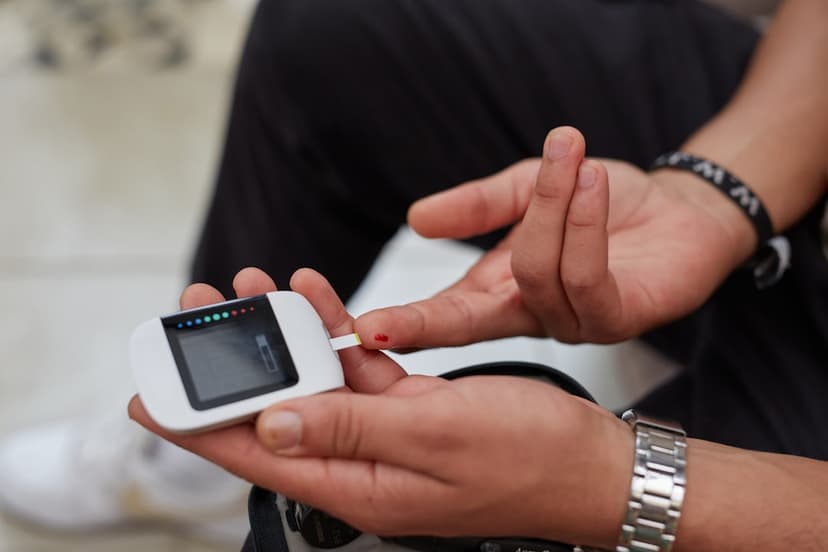
Mastering Blood Sugar Control: The 3-2-1 Rule Explained
Many people ask, “Can I really get my A1C near 5%, or is that unrealistic?” In this video, a clinician argues it is possible for many people, and he frames the fastest progress around a simple timing framework called the 3-2-1 rule. The idea is, stop eating 3 hours before bed, cap intake at two meals per day, and focus on one change at a time so it actually sticks. He links earlier evening eating to less overnight glucose release from the liver, and he describes two meals as a built-in form of intermittent fasting that can improve insulin sensitivity. He also emphasizes that A1C reflects roughly 2 to 3 months of average glucose, and he cites patient examples with large drops in about 8 to 12 weeks without medication changes. The approach is presented as a foundation, not a complete food plan, and it is meant to reduce overwhelm while creating measurable momentum.