Beans for Blood Sugar: The Second-Meal Advantage
Summary
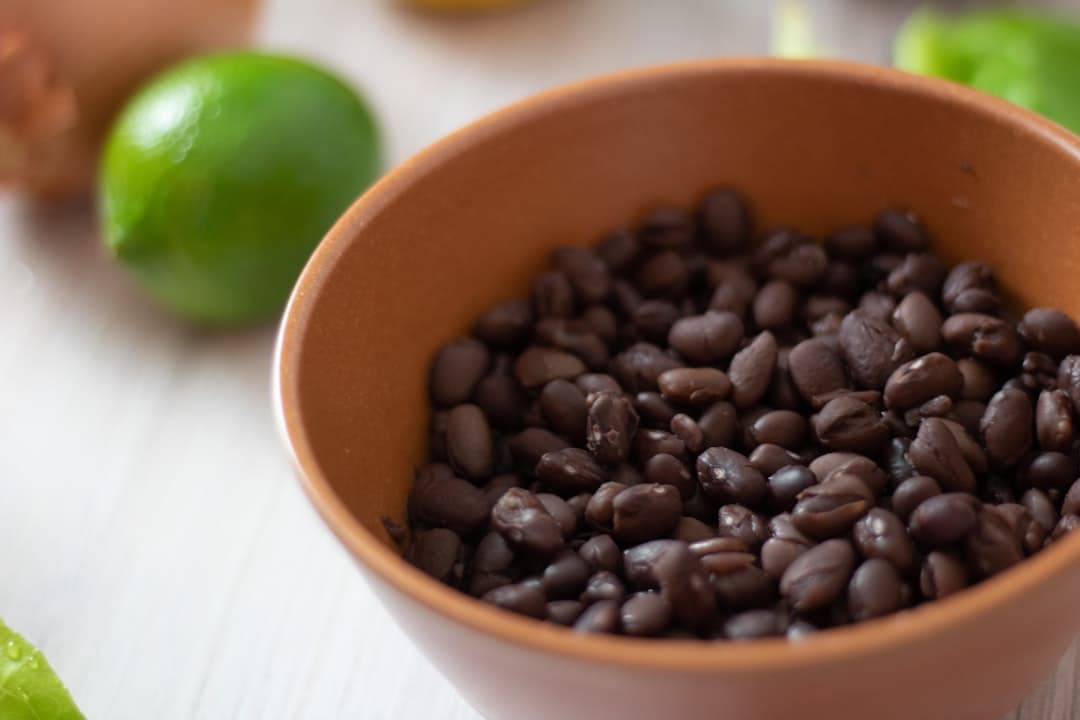
If you are frustrated that your blood sugar still spikes even when you “eat healthy,” this video’s core idea is refreshingly specific: prioritize beans. The clinician spotlights black beans, chickpeas, and lentils as a go-to food that can lower post-meal glucose spikes by slowing digestion, and may even reduce the spike at your next meal, a phenomenon called the second-meal effect. The twist is in the details: avoid pairing beans with rice, add olive oil instead, and consider eating cooked beans after they have cooled, which may blunt spikes even more.

Why blood sugar spikes feel so hard to control
You can do “everything right” and still watch your glucose jump after meals.
That frustration is the entry point here: the video zooms in on postprandial (after eating) spikes, not just fasting numbers, and argues that one simple food category can tilt the curve in your favor.
What makes this perspective feel different is its insistence on metabolic acts you can repeat, rather than chasing perfection. The goal is not a flawless diet, it is choosing a few moves that reliably reduce spikes.
Did you know? Cooling cooked starches can increase resistant starch, which may reduce the rise in blood glucose after eating. This effect is discussed in nutrition science as part of how food structure changes with cooking and cooling (Harvard T.H. Chan School of Public Health, carbohydrates and blood sugarTrusted Source).
The video’s bold claim: beans as a “prescribed” food
The central claim is provocative: a food that lowers sugar more than most medications.
The clinician’s “prescription” is not a supplement or a hack, it is black beans, chickpeas, and lentils. “Pick your fire,” the speaker says, implying you can choose the legume you will actually eat consistently.
This is not positioned as magic. It is positioned as leverage.
How beans change digestion and insulin dynamics
This argument centers on one mechanism: beans slow down digestion.
Legumes are rich in fiber and have a relatively low glycemic impact compared with many refined carbohydrates. Slower digestion tends to mean glucose enters the bloodstream more gradually, which can translate to smaller post-meal spikes and less demand for insulin. The video also adds a practical boundary: benefits can fade “unless you eat a ton of it,” a reminder that portion size still matters.
From a research standpoint, major diabetes guidelines consistently emphasize high-fiber, minimally processed carbohydrates and overall carbohydrate quality. For example, the American Diabetes Association highlights individualized carbohydrate management and the value of fiber-rich foods for glycemic control (ADA, NutritionTrusted Source).
Important: If you use glucose-lowering medication (especially insulin or sulfonylureas), changing carbohydrate patterns can alter glucose readings. Consider checking in with your clinician about monitoring and safety.
Second-meal effect: why the next meal may spike less
The “crazy part,” as described, is that your next meal also spikes less.
This is labeled the second-meal effect, the idea that what you eat now can influence glucose handling hours later. Mechanistically, this may relate to slower gastric emptying, fermentation of fiber in the gut, and improved insulin sensitivity after a higher-fiber meal. The video frames it as your metabolism changing “for hours,” which is a motivating way to think about compounding benefits across a day.
What the research shows: Research on legumes and low-glycemic meals suggests they can reduce post-meal glucose responses, and some studies describe second-meal benefits in certain contexts (National Library of Medicine overview on dietary fiber and glycemic responseTrusted Source).
How to use this strategy in real meals
The practical instructions are unusually specific, and that is where the value is.
Build the plate the video describes
Try the cooling trick
Cook your beans, then let them become cold, and eat them that way (or reheated gently after chilling).
Pro Tip: Batch-cook lentils or chickpeas, refrigerate overnight, then use 1/2 to 1 cup as a salad base with olive oil, lemon, and non-starchy veggies. Many people find this easier to repeat than redesigning every meal.
Q: Do I have to eat beans at every meal to see benefits?
A: Not necessarily. This video’s framing is about “smart metabolic acts,” meaning a single bean-forward meal may help reduce that meal’s spike and potentially the next meal’s spike too. Consistency helps, but perfection is not required.
Health educator, MS, RD
Key Takeaways
Frequently Asked Questions
- Are canned beans okay for blood sugar control?
- Canned beans can still fit this approach because the key features are fiber and a slower digestion profile. Rinsing canned beans may reduce sodium, and you can still chill them after opening to try the cooling strategy.
- What if beans cause gas or bloating?
- Some people feel more gas when increasing legumes quickly. Starting with smaller portions, rinsing well, and increasing gradually may help, and persistent symptoms are worth discussing with a clinician or dietitian.
- Can I do this if I take diabetes medication?
- Food changes can affect glucose readings, especially if you use insulin or medications that can cause low blood sugar. It is wise to monitor your response and talk with your prescribing clinician about any major dietary shifts.
Get Evidence-Based Health Tips
Join readers getting weekly insights on health, nutrition, and wellness. No spam, ever.
No spam. Unsubscribe anytime.