Agave vs Sugar: What 30 Days Might Do to You
Summary
You quit table sugar, swap in agave, and expect better blood sugar. The puzzle is that agave can look “diabetes friendly” on a glucose meter because it barely raises blood sugar at first, yet it is very high in fructose, which the liver must process. This perspective argues that the real issue is not only glucose spikes, it is fatty liver and insulin resistance. Over 30 days, metabolically healthy people might notice little change, but those with insulin resistance, high triglycerides, fatty liver, or regular alcohol intake could be adding extra liver burden, even while blood sugar readings look calmer.
🎯 Key Takeaways
- ✓Agave’s low glycemic index can be misleading because it is roughly 80% fructose, a sugar primarily handled by the liver.
- ✓Table sugar (sucrose) is about 50% glucose and 50% fructose, so switching to agave can increase fructose load even if blood glucose spikes look smaller.
- ✓This viewpoint centers on fatty liver and insulin resistance as the “upstream” problem, with high blood sugar as a later symptom.
- ✓If you already have insulin resistance, prediabetes, type 2 diabetes, fatty liver, elevated liver enzymes, or high triglycerides, agave may be a worse swap than sugar.
- ✓If you are metabolically healthy, active, and keep added sugars low (around 20 g/day), agave may not make a noticeable difference, but it is still not a free pass.
You finally decide to quit sugar.
So you do the obvious things. You toss the sodas, skip dessert, and start sweetening your tea with agave because it sounds like the “clean” option.
Then the confusing part hits. The scale does not move. Your energy still crashes. And at a checkup, you hear something you did not expect, your liver enzymes are up.
This article unpacks that exact puzzle using the video’s core argument: focusing only on blood sugar can miss the bigger metabolic story. In this framing, agave can look better on a glucose meter while quietly increasing the liver’s workload, especially in people already dealing with insulin resistance.
The “healthy swap” puzzle: why agave can backfire
Agave nectar is marketed as natural, low glycemic, and “diabetes friendly.” It shows up in organic snacks, wellness drinks, and the kind of products that signal “I’m trying to be healthier.”
That marketing is not totally made up. Agave does come from a plant, and it often has a low glycemic index, meaning it tends to raise blood glucose less than table sugar.
But the key insight here is blunt: a lower blood sugar spike does not automatically mean better metabolic health.
This perspective argues that many people get misled because mainstream conversations often over-focus on glucose numbers alone. Blood sugar is important, but it can be the downstream “symptom,” not the upstream driver.
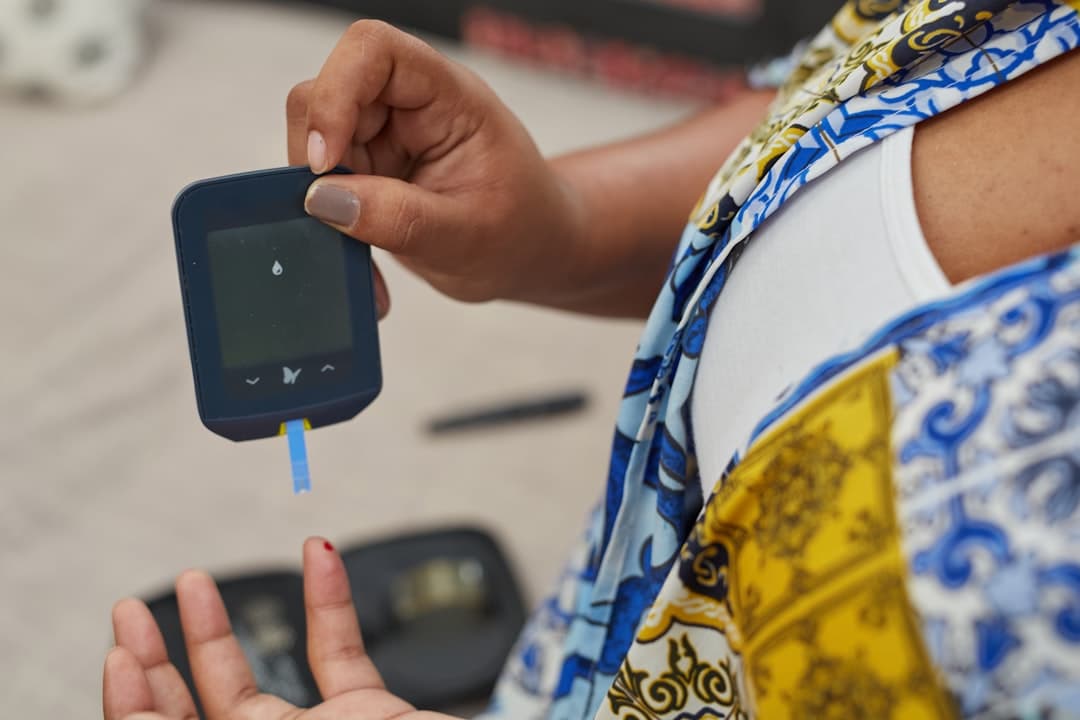
Important: If you are tracking only finger-stick glucose or even continuous glucose monitor (CGM) spikes, you may miss changes happening in the liver, triglycerides, and insulin levels. If you have diabetes or liver disease, talk with your clinician before making major sweetener changes.
Agave vs table sugar: same idea, very different liver math
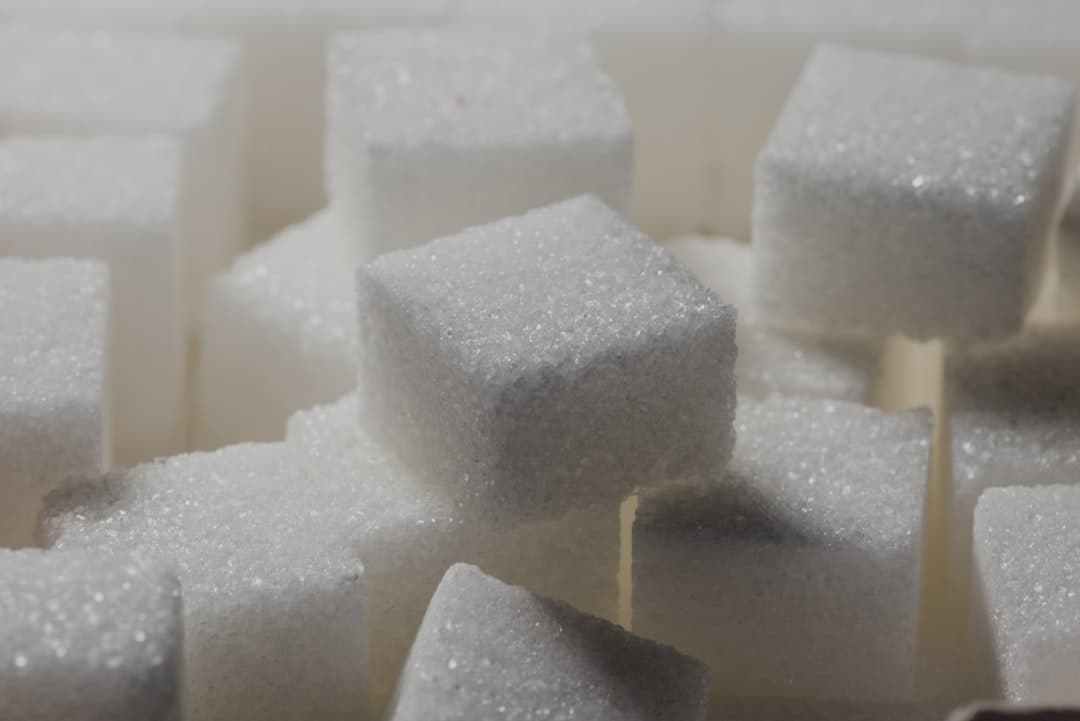
Table sugar is sucrose, and sucrose is not one sugar. It is two sugars linked together: glucose and fructose, roughly 50 percent of each.
Glucose is the sugar your body can use widely. The discussion emphasizes that essentially every cell can use glucose, so the “processing capacity” is spread across the body.
Fructose is different. The argument in the video uses a memorable comparison: if you imagine a 200-pound person with about 200 pounds of cells that can use glucose, you still only have about 3 pounds of liver tissue doing most of the fructose processing.
That creates a bottleneck.
If you eat 100 grams of sucrose, about 50 grams are glucose distributed widely, but about 50 grams are fructose that the liver must deal with. The video’s point is not that the liver is fragile, it is that the liver can get overloaded much more easily when a large share of your sweetener is fructose.
When the liver is overloaded with fructose, this framing suggests more of that fructose gets converted into fat (triglycerides). Those triglycerides circulate in the bloodstream.
In a metabolically flexible body, triglycerides can be used as fuel. But when insulin is chronically high (a common feature of insulin resistance), cells resist incoming fuel. That can mean glucose does not enter cells efficiently, and triglycerides also linger in circulation.
Over time, the discussion links this pattern to high triglycerides and increased risk of non-alcoholic fatty liver disease (NAFLD), now often renamed metabolic dysfunction-associated steatotic liver disease (MASLD).
Research broadly supports the idea that high intakes of added sugars, especially fructose-containing sweeteners, can contribute to liver fat in some contexts. For background, see the American Heart Association’s guidance on reducing added sugars to support cardiometabolic health American Heart Association recommendationsTrusted Source.
Glycemic index: useful data, incomplete story
Glycemic index (GI) measures how quickly a carbohydrate-containing food raises blood glucose compared with pure glucose, which is set to 100.
The video walks through a set of numbers to show why agave gets its halo.
So yes, agave can create a smaller immediate glucose rise. That is real.
But this viewpoint says the GI conversation becomes misleading when it turns into: “low GI equals safe for diabetes.” It is more accurate to say low GI means “less immediate glucose spike,” not “less metabolic work overall.”
Did you know? The glycemic index is about blood glucose response, not liver fat, triglycerides, or insulin levels. Even the Harvard T.H. Chan School of Public Health notes that GI is only one tool, and the overall quality and quantity of carbs matters Glycemic index and glycemic loadTrusted Source.
Why fructose can “hide” on your glucose meter
Fructose can be sneaky.
The discussion highlights a paradox: you do not raise your blood sugar much by eating fructose directly, yet “down the road,” fructose may contribute to higher blood sugar more than you would expect.
Here is the mechanism as laid out in the video, step by step.
The liver-first effect
Fructose is primarily handled by the liver. When fructose intake is high, the liver converts more of it into triglycerides. If that pattern continues, liver fat can increase.
A fatty liver is not just “fat sitting there.” This framing emphasizes that a fatty liver tends to be an insulin resistant liver.
Once the liver becomes insulin resistant, insulin has a harder time doing its job. The body often compensates by producing more insulin. Over time, blood glucose can rise because insulin is less effective and because the liver may release more glucose into the bloodstream.
So the glucose meter can look calm today, while the metabolic conditions that worsen glucose control are building underneath.
Why energy can still crash
Insulin is also an energy traffic controller. When insulin stays high, the body is pushed toward energy storage mode rather than easy fuel access.
This is why someone can switch from sugar to agave and still feel cravings and energy swings. The sweet taste can keep the habit loop alive, and the metabolic environment may still be pointing toward insulin resistance.
What the research shows: Added sugars are associated with higher cardiometabolic risk when they meaningfully raise total calorie intake and displace nutrient-dense foods. The Dietary Guidelines for Americans recommend limiting added sugars to less than 10 percent of daily calories Dietary GuidelinesTrusted Source.
Who should avoid agave, and who might tolerate it
The video does not treat sweeteners as universally “good” or “bad.” It argues they are context-dependent, and that the same food can land differently depending on your metabolic health.
People who should generally avoid agave (especially as a “health” swap)
This viewpoint is clear that agave is a poor choice for many people who are already struggling with metabolic issues.
One especially pointed example in the video is cocktails: replacing sugar with agave in mixed drinks can sound luxurious and healthy, but it may combine two liver burdens at once (alcohol plus a higher-fructose sweetener).
Pro Tip: If you drink alcohol, consider keeping sweetened cocktails as an occasional treat. A “healthier sweetener” does not cancel out the combined liver workload of alcohol plus added sugars.
People who might tolerate small amounts of agave
Could anyone benefit from agave? The video leaves a narrow lane where it may be reasonable.
If you are metabolically healthy, physically active, have low triglycerides, low fasting insulin, and you do not drink much alcohol, then a small amount of agave instead of sugar might offer one practical advantage: less blood sugar spiking because of the lower GI.
That is not permission to pour it freely.
The speaker gives a concrete boundary: many people would do well to keep added sugars below about 20 grams per day on average.
For context, the American Heart Association suggests even tighter limits for many adults, about 25 g/day added sugar for women and 36 g/day for men AHA added sugar limitsTrusted Source.
What 30 days of agave instead of sugar could look like
This is where the video’s “30 days” thought experiment becomes useful. It is not presented as a guaranteed outcome, it is more like a metabolic forecast based on how fructose is handled.
If you are metabolically healthy
You might not notice much.
If your lifestyle is already supportive, good activity level, low added sugar intake, minimal alcohol, then swapping sugar for agave at modest amounts may not create a dramatic difference in weight, energy, or labs over 30 days.
The main change you might notice is slightly more stable blood sugar, which can matter for cravings in some people. But at small doses, the overall difference may be subtle.
If you are insulin resistant, prediabetic, or have type 2 diabetes
This is where the warning lights turn on in the video.
Over 30 days, the concern is that you may increase fructose exposure by switching from sucrose (about 50 percent fructose) to agave (often around 80 percent fructose). Even if your glucose readings look better initially, the liver may be under more pressure.
Possible outcomes in this framing include:
Research on fructose and metabolic health is complex, and outcomes depend heavily on dose and overall calorie balance. Still, many expert bodies emphasize limiting added sugars overall, rather than searching for a “safe” added sugar. The World Health Organization recommends reducing free sugars to less than 10 percent of total energy, with a conditional suggestion to aim for less than 5 percent for additional benefits WHO sugar guidelineTrusted Source.
How to test the swap safely (without getting tricked by numbers)
If you are curious about trying the “no sugar, agave instead” idea, the video’s core lesson is to measure more than one thing.
You are not just trying to create prettier glucose numbers. You are trying to reduce metabolic strain.
»MORE: Consider keeping a simple “sweetener log” for 2 weeks, note what you used, how much, and what it was added to (coffee, yogurt, cocktails). Patterns jump out fast.
How to run a 30-day sweetener experiment
This is a practical, cautious way to approach it, especially if you have prediabetes, diabetes, fatty liver, or high triglycerides. Bring your plan to your clinician if you take glucose-lowering medications or have liver disease.
Set a realistic “added sugar” ceiling, not a “perfect” rule. Aim for a daily cap such as the video’s 20 grams/day of added sugars. This keeps the experiment from turning into “agave everywhere,” which defeats the point.
Track more than glucose spikes. If you use a CGM, note post-meal patterns, but also pay attention to cravings, energy crashes, and hunger. If you have labs available through your clinician, ask whether tracking triglycerides and liver enzymes (ALT, AST) makes sense for you.
Avoid stacking liver burdens. If you are testing agave, do not pair it with frequent alcohol. The video’s argument is that alcohol and fructose compete for liver attention, so combining them can amplify the burden.
Keep the “vehicle food” the same. Sweeteners rarely show up alone. If you switch to agave but also start eating more “organic” snack bars, you changed multiple variables. Try to keep your baseline foods stable so you can interpret what is happening.
Watch the dose creep. Low GI can make people feel safer and use more. Measure teaspoons for a week. You may be surprised how quickly “a little” becomes a lot.
Reassess at day 30 using symptoms and, if appropriate, labs. If you feel more cravings, see no weight change, or your clinician notes rising triglycerides or liver enzymes, that is useful feedback. It may mean the sweetener swap is not helping your metabolic direction.
A quick label-reading checklist
Agave often appears in foods marketed as wholesome. If you are trying to reduce fructose load, labels matter.
Q: If agave has a low glycemic index, why would it be risky for diabetes?
A: The concern in this video is not the immediate glucose spike, it is the liver workload from fructose. Agave is often much higher in fructose than table sugar, and fructose is primarily processed in the liver, where it may contribute to triglycerides and fatty liver in susceptible people.
A glucose meter can look better in the short term while insulin resistance progresses underneath. If you have diabetes, it is worth discussing sweeteners and liver markers with your clinician, not just focusing on glucose readings.
Health educator voice from the video, explained in plain language
Q: Is agave “natural,” and does that make it healthier?
A: Agave comes from a plant, but it is still a processed sweetener, the sugars are extracted and concentrated. “Natural” does not automatically mean metabolically gentle.
If you enjoy agave, the most protective lever is usually the amount and frequency, plus the overall pattern of diet, activity, and alcohol intake.
Nutrition-focused interpretation of the video’s perspective
Key Takeaways
Frequently Asked Questions
- Is agave better than sugar for blood sugar control?
- Agave often causes a smaller immediate rise in blood glucose because it is high in fructose and has a low glycemic index. The video’s perspective is that this can be misleading, since fructose increases liver workload and may worsen insulin resistance over time in susceptible people.
- Can agave contribute to fatty liver?
- The video argues that high-fructose sweeteners can increase the liver’s burden because the liver does most fructose processing. If you already have fatty liver or elevated liver enzymes, it is worth discussing sweeteners and lab monitoring with your clinician.
- How much added sugar is reasonable if you are trying to be healthier?
- The speaker suggests many people do well keeping added sugar around 20 grams per day on average. Public health groups also recommend limiting added sugars, with targets that vary by organization and individual health needs.
- Is agave a good choice in cocktails compared with sugar?
- This viewpoint considers it a poor combination because alcohol and fructose are both primarily processed by the liver. Using agave in cocktails can increase fructose exposure while adding alcohol, which may compound liver strain.
Get Evidence-Based Health Tips
Join readers getting weekly insights on health, nutrition, and wellness. No spam, ever.
No spam. Unsubscribe anytime.