Trauma Shock Lessons, BP, Tamponade, Pneumothorax
Summary
When someone’s blood pressure crashes after trauma, what matters first, and what gets missed? This article unpacks a doctor’s reaction to "Trauma Code," focusing on the practical physiology behind shock, why leaving an impaled object in place can be safer, and how cardiac tamponade and pneumothorax can rapidly collapse circulation. A recurring theme is "mechanism of injury," the story of how the body was hurt, because it guides the right next step. You will also find actionable, non-clinical ways to think about emergencies, what to tell 911, and why risky heroics can backfire.
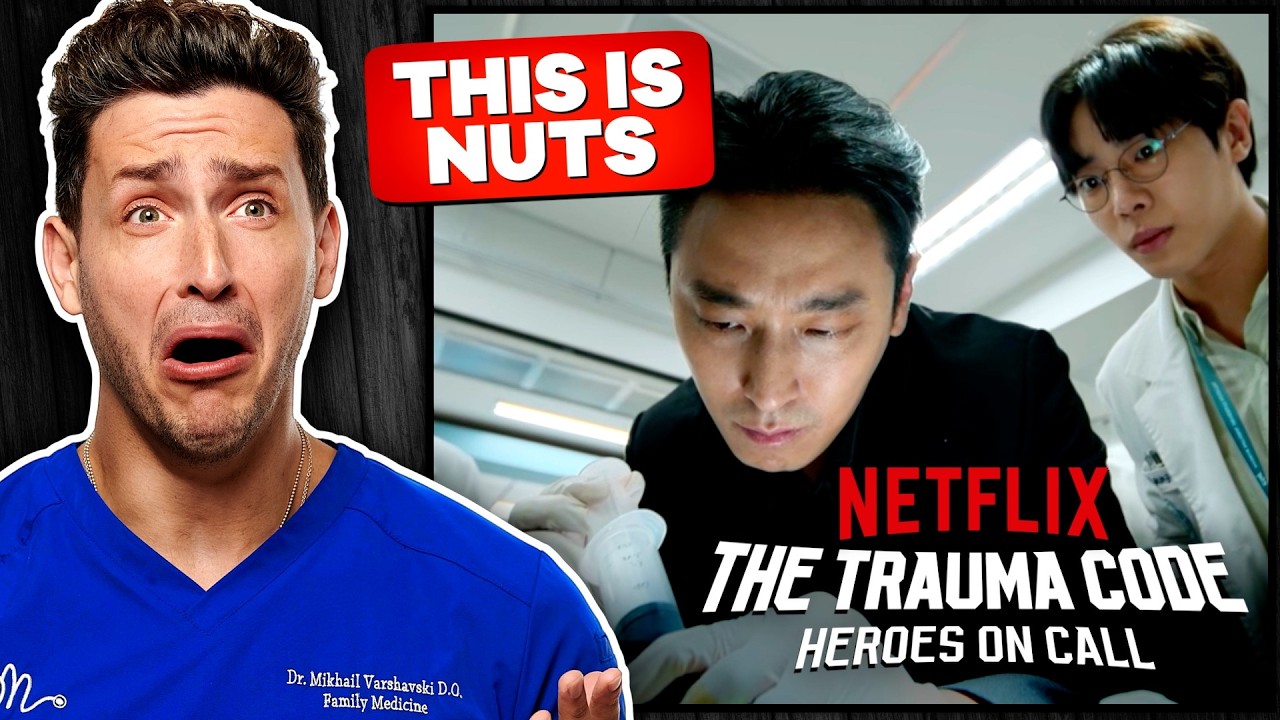
How can someone have a heartbeat on the monitor, yet still be dying from low blood pressure?
That question sits underneath the entire reaction video, a doctor watching a dramatized “trauma code” and repeatedly coming back to one theme: perfusion, meaning whether blood is actually reaching the organs that cannot wait.
The unique perspective here is not a recap of a TV plot. It is an investigative, physiology-first critique of what matters in the first minutes, what looks cinematic but risky, and why the story of the injury often tells you more than a single vital sign.
Important: If you suspect a life-threatening injury, call emergency services. Do not attempt procedures shown in TV dramas. Many interventions discussed below require training and sterile equipment.
Why does blood pressure matter so much in trauma?
A blood pressure “at 60” is framed as a red alert because it can mean the body is not perfusing vital organs. In plain language, the brain, heart, and kidneys are not getting enough flow to keep working.
Low blood pressure is not just a number. It is a clue.
In the video’s early moments, the practical sequence is laid out: get IV access, start fluid resuscitation, and if fluids are not working, consider pressors (medications that raise blood pressure) in an appropriate setting. This matches the broader emergency principle that shock is time-sensitive, and delays can compound organ injury.
What the heart rate is trying to tell you
One of the sharper observations is about the combination of heart rate and blood pressure. When bleeding causes the circulating volume to drop, the body often compensates by speeding up the heart to maintain cardiac output. That is the classic pattern people have heard about, a fast pulse with low blood pressure.
But the video highlights a more ominous pattern: if the heart rate is low while the blood pressure is low, something may be failing at a deeper level. It could reflect severe physiologic collapse, impaired electrical conduction, profound hypoxia, or direct heart injury. The core point is that bradycardia plus hypotension in trauma is especially dangerous, and it should accelerate urgency, not slow it down.
A helpful way to think about this at home is that the body’s “backup systems” can run out. When they do, the numbers may stop making intuitive sense.
Did you know? In shock, clinicians often think in terms of “oxygen delivery,” which depends on blood pressure, heart function, oxygenation, and hemoglobin. Even a normal oxygen saturation can be misleading if circulation is collapsing. The American College of Surgeons’ trauma guidance emphasizes rapid recognition and treatment of shock in early trauma care (ACS Trauma Programs).
The “don’t pull it out” rule, and what it is really about
A steak knife in the abdomen becomes a recurring teaching point: do not pull it out.
This is not because the knife is harmless. It is because the object may be acting like a plug, limiting bleeding until a surgeon can control the vessels directly.
The critique is blunt: you cannot just yank an embedded object and then “see what happens.” If bleeding is the reason the person is dying, removing the object without immediate surgical control can turn a survivable injury into a catastrophic one.
Why abdominal injuries can hide massive bleeding
The abdomen can hold a lot of blood. Some bleeding is visible, but a lot can be internal, including into the retroperitoneal space (the deeper area behind the abdominal cavity). The video calls out a surgical concept often missed in TV: during an exploratory laparotomy, surgeons may “run the bowel,” meaning they systematically examine the intestines to find injuries and sources of bleeding.
That detail matters because it explains why “just get a CT scan” may not be the right next step when a patient is crashing. Imaging is valuable, but it does not replace urgent bleeding control when the physiology is failing.
Pro Tip: If you call 911 for a penetrating injury, tell the dispatcher whether anything is still stuck in the body and whether it has moved. “Object still in place” is important information.
Cardiac tamponade, when the heart cannot fill
The most cardiovascular-specific teaching moment is the explanation of cardiac tamponade.
Cardiac tamponade is not primarily a “weak heart” problem. It is a “heart in a too-tight box” problem.
The heart sits inside a sac called the pericardium. In trauma, blood can leak into that sac. Because the pericardium does not stretch quickly, pressure rises, and the heart cannot relax and fill during diastole. Less filling means less blood pumped out, and blood pressure can collapse.
This is why the video’s description focuses on a simple mechanism: if the heart cannot fill, it cannot pump effectively, even if the rhythm looks organized.
Pericardiocentesis, a bridge, not the full solution
A dramatic moment involves pericardiocentesis, draining blood from around the heart with a needle. The reaction is a mix of “that’s cool” and “why is the team still behind.” The underlying clinical point is that pericardiocentesis can be a temporizing step, but you still have to ask the next question: where is the blood coming from?
If blood is accumulating in the pericardial sac, there may be a heart laceration or nearby vessel injury that ultimately needs surgical repair. The video repeatedly returns to this logic: the procedure is not the end, it is a clue.
What the research shows: Cardiac tamponade is a recognized life-threatening emergency. Rapid diagnosis and treatment are emphasized in cardiology references such as the Merck Manual’s overview of cardiac tamponadeTrusted Source.
Q: If someone has tamponade, would they always have chest pain?
A: Not necessarily. Tamponade symptoms can be nonspecific, including shortness of breath, lightheadedness, rapid heart rate, and low blood pressure. In trauma, the context of injury and sudden collapse may be more telling than pain.
If you suspect severe chest injury or someone rapidly worsens after trauma, treat it as an emergency and call for help.
Jordan H., MD (health educator)
Pneumothorax and the physics of breathing
Later, the focus shifts to a likely pneumothorax, air in the chest cavity that can collapse a lung.
The video’s explanation is unusually practical: lungs inflate because the chest maintains negative pressure. If air enters the pleural space and creates positive pressure, the lung cannot expand normally.
In the most dangerous form, tension pneumothorax, pressure builds and can compress not only the lung but also major blood vessels, reducing venous return to the heart and worsening shock. That is why clinicians may move quickly from “check breath sounds” to a decompression procedure in the right setting.
Why “needle fixes everything” is both true and not true
The reaction includes a tongue-in-cheek line that a needle thoracostomy “will solve everything.” The nuance comes immediately after: even if you reinflate a lung, it may not change the outcome if the dominant injury is catastrophic brain trauma.
That is the investigative thread that runs through the whole video. Fixing one problem is not the same as fixing the patient.
For a grounded medical overview of pneumothorax and when it is dangerous, see the NHLBI explanation of pneumothoraxTrusted Source.
Mechanism of injury, the clue that keeps getting ignored
One of the most distinctive points is the insistence on mechanism of injury.
It is not enough to list symptoms. You need to know how the injury happened.
The video connects this to sports medicine thinking: mechanism often predicts the pattern of damage. A knife in the abdomen suggests bleeding and organ injury. A long fall “on his head” suggests severe traumatic brain injury, even if the chest findings are dramatic.
Head injury, pressure, and herniation
The brain is inside a closed skull. Bleeding increases pressure, and if pressure rises enough, the brain can herniate. The video uses plain language here: at that point, the person can die.
A few other details show the speaker’s procedural awareness, including concerns about cutting in the wrong direction near neck blood vessels, and the risks of attempting complex neurosurgical maneuvers in unstable conditions. Even without endorsing any specific field procedure, the message is clear: precision and environment matter, and improvisation can create irreversible harm.
Another moment that stands out is the discussion of PEA, pulseless electrical activity. You may see an organized rhythm on the monitor but feel no pulse. That mismatch is treated as a life-threatening sign, because electricity without circulation does not deliver oxygen.
For readers who want a high-level, reputable overview of traumatic brain injury and why rapid evaluation matters, the CDC’s TBI basicsTrusted Source is a good starting point.
Actionable takeaways for non-medical people in real emergencies
The video is full of high-acuity procedures that are not appropriate for laypeople. Still, it contains several practical, everyday lessons you can use immediately.
How to give a better 911 report (without guessing diagnoses)
A clear report helps professionals prepare. Try to communicate observable facts.
Describe what happened, not what you think it is. “Fell about 30 feet and landed on head,” or “stabbed, knife still in place,” is more useful than “he has internal bleeding.” Mechanism guides the response.
Share the biggest changes you see. Sudden sleepiness, trouble breathing, turning pale, or collapsing are important. If you know the person’s usual state, say so.
Report severe bleeding and what you did. If you applied pressure, used a tourniquet, or kept an object in place, say that. It helps responders avoid undoing something that is working.
Mention hazards at the scene. The video strongly criticizes risky rescues for a reason: rescuers becoming injured slows care for everyone. If there is wind, unstable terrain, traffic, or violence, say so.
Short is fine. Accurate is better than dramatic.
Resource Callout: Want a simple checklist for what to say in an emergency call? Look for your local emergency medical services “When to call 911” guidance, many regions provide printable scripts.
What not to do, even if TV makes it look heroic
The reaction is especially pointed about unnecessary risk, like operating in dangerous conditions or placing yourself where you could fall. That critique translates well to real life.
Do not move someone with suspected head or spine injury unless there is immediate danger. Movement can worsen injury. Wait for trained help when possible.
Do not remove impaled objects. Stabilize the object if you can do so safely, and let professionals handle removal in a controlled setting.
Do not attempt medical procedures you have only seen on screen. Needle decompression, airway procedures, and surgical steps require training and carry serious risks.
A surprising amount of “help” is simply creating space for professionals to work.
A quick reality check on “fluids and pressors”
It is tempting to translate the video’s early steps into a home plan. But these are hospital decisions.
If you see signs of shock, like fainting, confusion, clammy skin, severe weakness, or very fast breathing after injury, the actionable step is urgent evaluation. In the meantime, keep the person warm, control external bleeding with direct pressure if trained, and monitor responsiveness while waiting for emergency services.
Q: If someone looks pale and sweaty after an injury, should I give them water?
A: It depends, and it is often safer not to give food or drink if there is a chance they will need anesthesia or if they might vomit and aspirate. Focus on calling for help, keeping them warm, and following dispatcher instructions.
Jordan H., MD (health educator)
Key Takeaways
Frequently Asked Questions
- Why is a blood pressure of 60 in trauma so alarming?
- It can mean the brain, heart, and kidneys are not being adequately perfused. In trauma, that often signals shock and a need for immediate emergency evaluation and treatment.
- Why do clinicians say not to remove a knife or other object from a wound?
- The object may be limiting bleeding by compressing injured vessels. Removing it without surgical control can trigger rapid hemorrhage, so professionals usually remove it in a controlled setting.
- What is cardiac tamponade in plain language?
- It is when blood or fluid builds up in the sac around the heart and squeezes it. The heart cannot fill normally, so it cannot pump enough blood out to maintain blood pressure.
- Can a collapsed lung affect blood pressure?
- Yes. In tension pneumothorax, pressure in the chest can reduce blood return to the heart and worsen shock. This is a medical emergency that requires urgent professional care.
- What does it mean to focus on the “mechanism of injury”?
- It means prioritizing how the injury happened, such as a high fall or a stab wound, because it predicts what internal damage is likely. That context can change what clinicians treat first.
Get Evidence-Based Health Tips
Join readers getting weekly insights on health, nutrition, and wellness. No spam, ever.
No spam. Unsubscribe anytime.