Lymphatic Drainage and HDL: A New Heart Angle
Summary
Most heart risk conversations focus on LDL, ApoB, and triglycerides, but this video spotlights a less discussed pathway, the lymphatic system’s role in reverse cholesterol transport. The key idea is that HDL’s job is not only about what shows up on a blood test, it is also about how cholesterol physically exits tissues and returns to the liver for disposal. The discussion connects lymph flow with exercise, post-meal movement, and even bouncing style activities, proposing that “stagnant lymph” may contribute to inflammation and dysfunctional HDL. Research on lymphatic cholesterol transport supports the plausibility of this angle, even as many details remain evolving.
🎯 Key Takeaways
- ✓This video’s central claim is that the lymphatic system is a missing, underrecognized link in reverse cholesterol transport, the pathway that helps move cholesterol out of tissues.
- ✓Atherosclerosis develops in arteries, but most lipid measurements come from venous blood, this mismatch is used to argue that lymphatic transport deserves more attention.
- ✓Dynamic exercise can markedly increase lymph flow, the video cites increases up to about fivefold early in activity, which may help explain benefits beyond lipid numbers.
- ✓Stagnant lymph is framed as an inflammation amplifier, potentially contributing to “dysfunctional” HDL and impaired cholesterol clearance.
- ✓Practical emphasis is placed on daily movement, especially in the post-meal window, plus options like stairs, walking, sauna, and rebounder style bouncing.
The most important takeaway from this video is simple.
Cholesterol management is not only about what is floating in your blood, it is also about how cholesterol physically leaves tissues.
This perspective puts the lymphatic system at the center of a process many people associate only with HDL and the liver, reverse cholesterol transport (the body’s way of moving cholesterol out of peripheral tissues and back toward disposal).
The overlooked highway in cholesterol cleanup
Most heart risk conversations orbit a familiar set of numbers: LDL-C, triglycerides, ApoB, Lp(a), and ratios like ApoB:ApoA1.
The video does not dismiss those.
Instead, it asks a slightly uncomfortable question: if atherosclerosis is an arterial disease, why do we mostly talk about markers measured from venous blood draws?
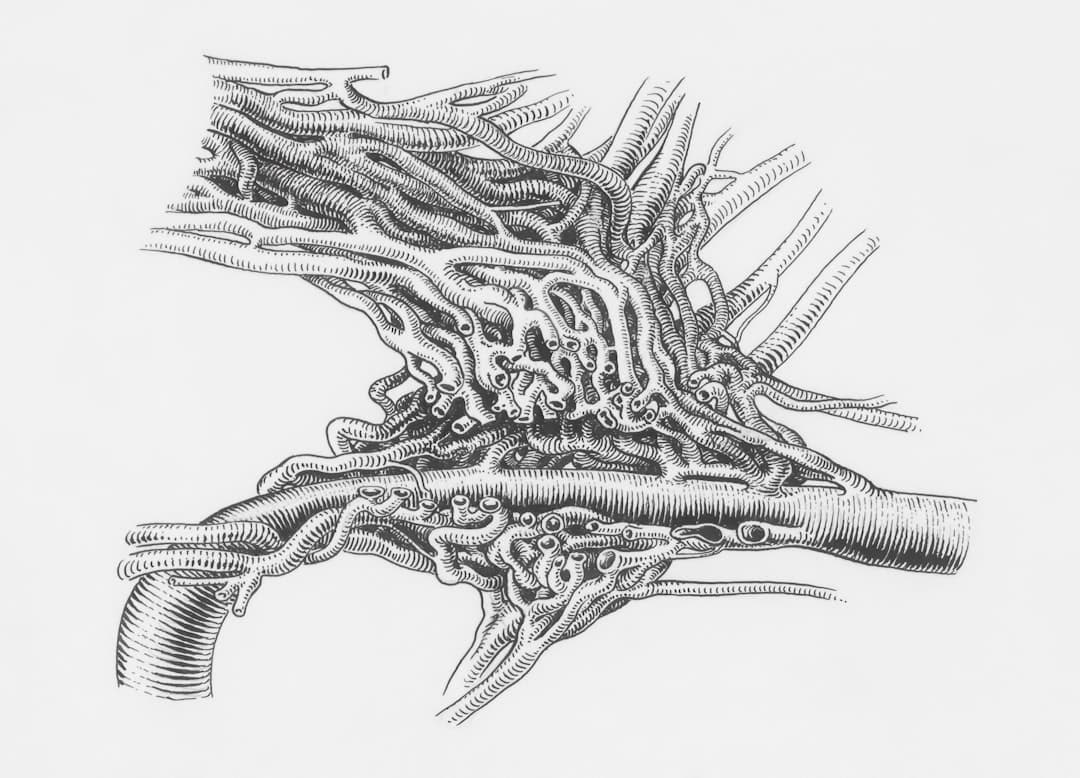
That mismatch is used as a clue. The discussion highlights that something has to connect what is happening in tissues and artery walls to what we can measure in a vein. The proposed connector is the lymphatic system, an often ignored circulation that returns fluid, immune cells, and fats back toward the bloodstream.
A second, related claim is that lymph stagnation has long been associated with inflammatory conditions. Cardiovascular disease is increasingly understood as a chronic inflammatory process, so “stagnant lymph” is framed as relevant, not cosmetic.
Did you know? The lymphatic system is now recognized as a major route for transporting cholesterol from tissues back into circulation. Reviews describe lymph as an important component of reverse cholesterol transport, not a side detail (Frontiers in Pharmacology reviewTrusted Source).
The video’s unique angle is not “HDL is good.”
It is, HDL’s protective story may fail if lymph flow is impaired.
Where plaque actually starts
The transcript emphasizes an immune driven sequence: oxidized LDL can be taken up by monocytes, which become macrophages, which then become foam cells, a foundational unit of plaque.
That matters because it frames plaque as a traffic jam between lipids and immune cells.
In that framing, lymph flow is not just drainage, it is part of the cleanup crew that helps move cholesterol away from the scene.
Reverse cholesterol transport, re-framed through lymph flow
Reverse cholesterol transport is usually summarized like this: HDL picks up cholesterol from tissues and brings it to the liver.
The video adds a missing middle.
The argument centers on the idea that HDL travels “by way of the lymphatic system” back into the venous system, and only then does cholesterol return to the liver, where it can be converted into bile and ultimately excreted.
One sentence implication is huge.
If lymph is sluggish, the return trip is slower, and HDL can become less functional.
This is a nuanced point because many people interpret HDL as a single number. Modern cardiology already recognizes that HDL quantity and HDL function can diverge. The video’s contribution is to propose a mechanism for that divergence, namely, impaired lymphatic transport.
What the research shows: Scientific discussions of cholesterol trafficking describe lymphatic vessels as a key pathway for moving cholesterol out of peripheral tissues, supporting the plausibility of a lymph dependent reverse transport route (Frontiers in PharmacologyTrusted Source).
Another connection the video makes is metabolic.
The liver is presented as a hub where lymph, venous blood, and metabolic health meet. The transcript also notes a relationship between fatty liver disease and increasing atherosclerotic risk. While the video does not present a specific study in the transcript for this claim, broader clinical resources recognize that metabolic dysfunction and fatty liver often cluster with cardiometabolic risk factors (NIDDK overview of NAFLDTrusted Source).
The practical implication is not that lymph explains everything.
It is that lymph may be one reason lifestyle interventions can outperform expectations based on lipid panels alone.
Why athletes may benefit beyond their lipid numbers
Athletes often have better cardiovascular outcomes.
Sometimes their lipid panels do not look dramatically different.
This video proposes a reason: movement is mechanical lymphatic therapy.
The lymphatic system does not have a central pump like the heart. It relies heavily on muscle contractions, pressure changes, and one way valves to keep fluid moving.
So the video leans into a very physical idea.
When you move, you “massage” lymph.
Exercise and lymph clearance
The transcript cites that dynamic exercise can significantly increase lymphatic flow and clearance.
It also claims:
Those are specific, testable style claims, and they are the backbone of the video’s practical advice.
The speaker’s recommendation is not limited to intense training. It includes accessible movement, especially when people are stuck sitting for long periods.
Sitting is the villain in this narrative.
Not because sitting “raises LDL” in a direct way.
Because sitting removes the mechanical forces that keep lymph moving.
Pro Tip: If you have a desk job, set a timer to stand and walk for 2 to 5 minutes every hour. The goal in this framing is not calorie burn, it is restoring the muscle contractions that help lymph circulate.
From sitting to sauna: applying the lymph-first lens
The video’s action plan is intentionally simple.
Do some sort of movement every day.
Then, prioritize it after meals.
This is where the transcript gets practical and a little opinionated: walking in the post-meal window is recommended not only to blunt glucose and insulin, but also to keep lymph flowing.
Below is a lymph first, video aligned menu of options.
A daily “lymph movement” menu (pick 2 to 4)
One sentence matters here.
Do not treat heat like a harmless supplement.
Important: Sauna and hot environments can increase dehydration risk and may be unsafe for people with certain heart conditions, low blood pressure, pregnancy, or those taking medications that affect hydration or blood pressure. If you are unsure, check with a clinician before using sauna or aggressive heat exposure.
The “organic underwear” detour, and what to do with it
The transcript includes a sponsor segment that makes a broader environmental health point: textiles can contain dyes and chemicals, and microplastics and persistent chemicals are increasingly detected in human tissues.
This is not central to lymph flow.
But it reflects the speaker’s worldview: cardiovascular risk is not only lipids and prescriptions, it is also inflammation, immune activity, and exposures.
Evidence is emerging that microplastics can be found in human tissues, and recent research has investigated associations between microplastics in plaques and cardiovascular outcomes. These findings are early and do not prove causation, but they are part of the evolving discussion (NEJM study on microplastics in carotid plaqueTrusted Source).
If you want a practical, non-alarmist way to use this idea, focus on what is most controllable.
Choose lower exposure options when it is easy, especially for items worn close to skin during heat and sweat.
Nuance, edge cases, and what to measure next
This video is not anti LDL.
It is anti tunnel vision.
The transcript explicitly critiques a healthcare pattern: clinicians focus on LDL partly because medications can lower it. The comment section segment also notes triglycerides as an independent risk factor, and points out fewer medication options.
It is worth holding two thoughts at once.
Lowering ApoB and managing LDL related risk is evidence based. Professional guidelines continue to emphasize ApoB containing lipoproteins in atherosclerotic risk management (American Heart Association cholesterol guidanceTrusted Source).
And.
The presence or absence of plaque is not perfectly predicted by any single lab value.
The video highlights a viewer example: ApoB rose, HDL was very high, triglycerides were very low, and CT angiography showed negligible plaque. This is used to argue for looking beyond standard labs when appropriate.
Imaging and advanced markers, used thoughtfully
The speaker encourages going beyond insurance covered basics, including imaging and more detailed lipid testing.
That can be reasonable for some people, especially those with a strong family history, elevated ApoB or Lp(a), or uncertainty about risk.
It can also be unnecessary for others.
Here is a balanced way to think about next steps, based on the video’s spirit without turning it into medical advice.
If you want a more complete picture, discuss these options
The edge case the video implicitly points to is the person with “good numbers” who is sedentary.
A perfect lipid panel does not guarantee ideal lymph flow.
And a person with concerning labs may still improve risk through daily movement, sleep, and metabolic health support, in partnership with their clinician.
Q: If my HDL is high, does that mean reverse cholesterol transport is working well?
A: Not necessarily. HDL is a complex group of particles, and its protective effects depend on function, not only the number on a lab report. This video’s lens suggests that lymphatic flow may influence how effectively cholesterol is moved out of tissues and back toward the liver.
Health educator, evidence informed summary of the video’s framework
Q: Is “lymphatic drainage” massage required to support heart health?
A: The video prioritizes movement over specialized treatments, emphasizing muscle contractions from walking, stairs, running, or rebounder style bouncing. Massage may feel helpful for some people, but it is not a substitute for addressing sedentary time, overall fitness, and traditional cardiovascular risk factors.
Health educator, evidence informed summary of the video’s framework
Key Takeaways
Frequently Asked Questions
- What does the lymphatic system have to do with cholesterol?
- The video argues that cholesterol, especially when carried by HDL as part of reverse cholesterol transport, may travel through lymphatic vessels before returning to venous blood and then the liver. This helps connect tissue level cholesterol handling to what shows up on standard blood tests.
- Can walking after meals really affect heart risk?
- Post-meal walking can support healthier blood sugar and insulin responses, and the video adds a second rationale: rhythmic muscle contractions may help keep lymph moving. Over time, these small bouts of movement can add up, especially for people who sit most of the day.
- Is a rebounder necessary for lymphatic flow?
- No. The rebounder is presented as an option, especially for people who cannot run or do high intensity exercise. Any safe, regular movement that contracts muscles, like walking, stairs, or light jogging, may support lymph circulation.
- If my ApoB is high but my imaging is normal, what should I do?
- This is a situation to review with a clinician who can interpret labs, family history, and imaging together. The video’s theme is to personalize next steps using both biomarkers and, when appropriate, imaging, rather than relying on a single number.
Get Evidence-Based Health Tips
Join readers getting weekly insights on health, nutrition, and wellness. No spam, ever.
No spam. Unsubscribe anytime.