Cholesterol
This niche delves into the intricacies of cholesterol management, focusing on the balance between 'good' HDL and 'bad' LDL cholesterol levels and their impact on cardiovascular health. It covers topics such as the role of dietary and lifestyle changes, the use of medications like statins, and the importance of regular monitoring. Conditions related to cholesterol include hypercholesterolemia and familial hypercholesterolemia, while also addressing preventive measures and the risks of high cholesterol like coronary artery disease and atherosclerosis.
Explore Topics
In-depth topics to explore in Cholesterol.
Statins: Complete Guide
Statins are cholesterol-lowering medications that reduce cardiovascular risk for many people, especially those with established heart disease or very high baseline risk. This guide explains how statins work, what benefits are well supported, where the trade-offs and uncertainties are, and how to have a practical, outcomes-focused conversation with your clinician.
Saturated Fat: Complete Guide
Saturated fat is a common dietary fat found in animal foods and some tropical plant oils, and it can raise blood cholesterol in many people. This guide explains how saturated fat works in the body, what the best evidence says about health outcomes, and how to make practical, personalized choices without getting trapped in extremes.
HDL: Complete Guide
HDL (high-density lipoprotein) is often called “good cholesterol,” but it is more than a single number on a lipid panel. This guide explains what HDL does in the body, why HDL function can matter more than HDL-C, how to interpret your labs in context, and practical, evidence-based ways to improve HDL-related risk.
Statin: Complete Guide
Statins are cholesterol-lowering medications that reduce the risk of heart attack and stroke, especially in people with existing cardiovascular disease or higher overall risk. This guide explains how statins work, who benefits most, how to use them safely, what side effects to watch for, and how to interpret the evidence and common controversies.
LDL: Complete Guide
LDL (low-density lipoprotein) is often called “bad cholesterol,” but it is better understood as a particle that transports cholesterol and other fats through your bloodstream. LDL is essential for normal biology, yet when LDL particle burden is high, it is a major driver of atherosclerosis and cardiovascular disease. This guide explains how LDL works, how to interpret modern lab testing, what actually lowers LDL, and how to balance benefits, risks, and real-world decision-making with your clinician.
Complete Guide to Cholesterol
Cholesterol is a vital yet often misunderstood component of our blood, essential for building healthy cells. This comprehensive guide explores its functions, benefits, risks, and practical applications, backed by scientific research.
All Articles

Saturated Fat, Vegetable Oils, and Heart Risk
Most people assume that if a food lowers LDL cholesterol, it must automatically reduce heart disease and help you live longer. This video challenges that idea using a reanalysis of the Minnesota Coronary Experiment, where replacing saturated fat with corn oil lowered cholesterol but did not improve survival, and outcomes even favored the butter and red meat control group. The practical takeaway is not “eat unlimited butter,” but to be careful about judging foods only by LDL changes. Focus on overall diet quality, minimally processed fats, and personalized risk factors with your clinician.

Lymphatic Drainage and HDL: A New Heart Angle
Most heart risk conversations focus on LDL, ApoB, and triglycerides, but this video spotlights a less discussed pathway, the lymphatic system’s role in reverse cholesterol transport. The key idea is that HDL’s job is not only about what shows up on a blood test, it is also about how cholesterol physically exits tissues and returns to the liver for disposal. The discussion connects lymph flow with exercise, post-meal movement, and even bouncing style activities, proposing that “stagnant lymph” may contribute to inflammation and dysfunctional HDL. Research on lymphatic cholesterol transport supports the plausibility of this angle, even as many details remain evolving.
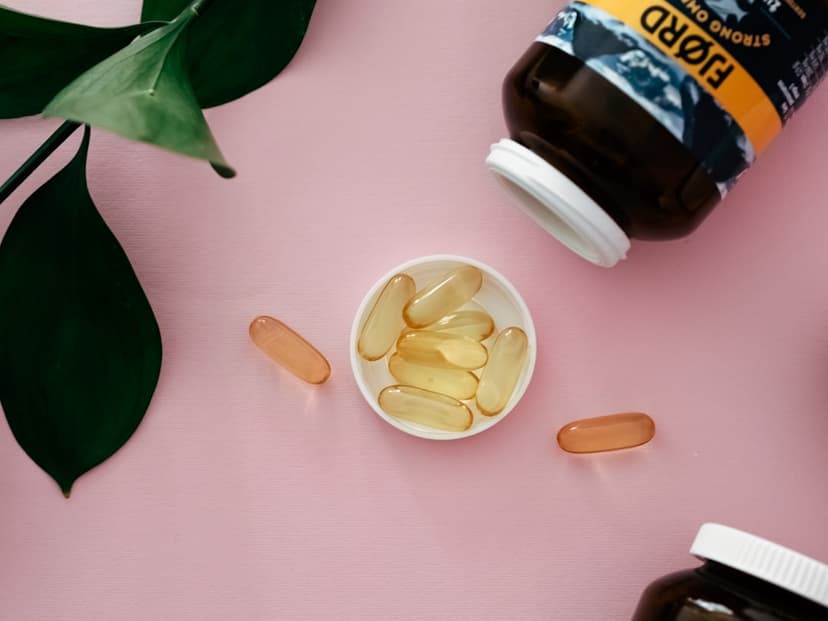
Vitamin E With Cholesterol Meds: Is It Safe?
For many adults, vitamin E can be taken with common cholesterol medicines, including statins, when used at typical supplement doses. The main concern is high-dose vitamin E, which can increase bleeding risk and may be risky with blood thinners or certain medical conditions. Check with your clinician or pharmacist before adding vitamin E, especially if you take multiple medications.

Statins and “3 Days Longer”, What That Claim Really Means
A striking claim from a BMJ analysis is that taking statins for 2 to 6 years “postponed death” by a median of about 3 days in primary prevention trials and about 4 days in secondary prevention trials. This article unpacks what that metric means, why it can sound shocking, and what it does and does not tell you about heart attack and stroke prevention. It also explores trade-offs raised in the video, including muscle symptoms and metabolic effects, plus practical questions to discuss with your clinician when a statin is recommended.

High LDL on Keto and Heart Plaque, What This Study Found
Many people assume that a very high LDL cholesterol number automatically means plaque is building in the heart. This video breaks down a new study of lean mass hyperresponders, people on long-term low-carb ketogenic diets with LDL often above 190 mg/dL, compared with matched controls from the Miami Heart cohort. Despite LDL being about double in the keto group, coronary plaque and calcium measures on coronary CT angiography were not significantly different between groups. The discussion emphasizes metabolic health, oxidation and blood pressure as key context, and why this observational design raises important questions but does not settle the debate.
Vitamin D With Statins: Is It Safe to Combine?
For most people, taking vitamin D with common cholesterol medications (including statins) is generally considered safe at typical supplement doses. The main concerns are taking very high doses, having kidney or parathyroid problems, or using other medicines that can raise calcium, so it is smart to confirm the right dose with your clinician.

The LDL Myth, What This New Statin Analysis Really Means
Many people are told their LDL is “too high” even when they are lean, active, and metabolically healthy. This video argues that the LDL story is more complicated, highlighting a newer meta-analysis of 20 statin trials suggesting LDL and non-HDL reductions do not reliably predict fewer heart attacks or cardiovascular deaths. The discussion pushes for a wider lens: insulin resistance, triglycerides, remnant lipoproteins, blood pressure, fitness, waist size, and tools like coronary artery calcium scans. The goal is not to dismiss statins or medical care, but to replace LDL-only fear with a more complete, outcomes-focused conversation.
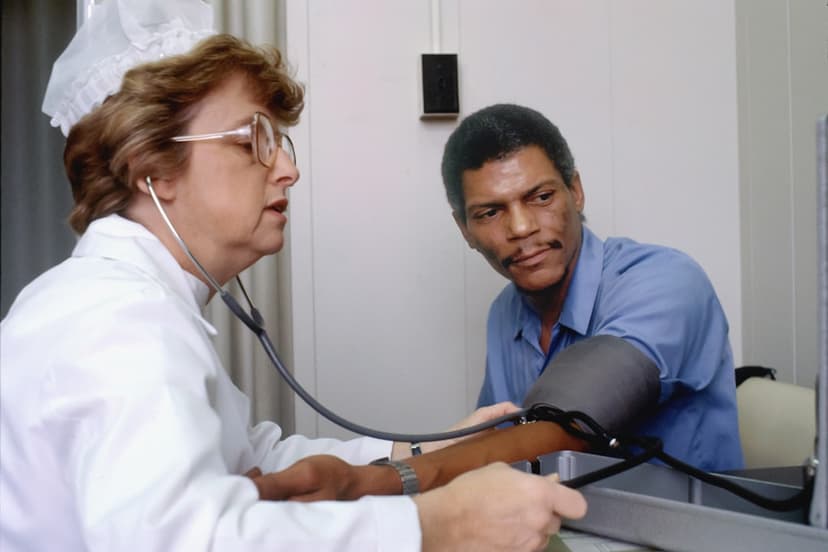
The LDL Paradox: When “Normal” LDL Still Fails
A striking 2009 analysis of more than 136,000 coronary artery disease hospitalizations found that nearly half of patients arrived with LDL cholesterol under 100 mg/dL. This video uses that “LDL paradox” to ask a different question: if LDL is often “normal,” what else is driving plaque and heart events? The discussion centers on immune activation, oxidized or modified LDL, and leaky, dysfunctional endothelium that may allow lipoproteins into the artery wall. It also highlights real-world clues like erectile dysfunction, insulin resistance, and lack of exercise, plus practical ways to think beyond LDL alone.

Peter Attia, LDL, and the Missing Endothelium Piece
A striking moment in this video is the presenter’s case of a 24-year-old endurance runner with extremely high LDL and ApoB, yet excellent metabolic markers, raising a real-world question: are numbers alone enough to judge risk? The video’s core message is nuanced. LDL and ApoB matter, but they are necessary and not sufficient to explain atherosclerosis. The “milieu” matters, especially endothelial health, blood pressure, insulin resistance, and triglyceride-rich lipoproteins. The discussion emphasizes triglycerides and ApoB as high-yield markers, encourages adding lipoprotein(a) testing, and argues for looking beyond standard LDL-C to particle biology and context.

Forget LDL: Try the Triglyceride Glucose Index
A key insight from the video is that pairing fasting triglycerides with fasting glucose can reveal metabolic risk that LDL alone may miss. The triglyceride glucose (TyG) index is a simple calculation using two common lab values, and the speaker aims for a score under about 8, with risk rising as it approaches 10. The practical focus is action: lower fasting triglycerides through regular walking, resistance training, a moderate or low carb approach, and avoiding late night ultra processed “crap” that can push triglycerides up. Use the number as a conversation starter with your clinician.

The Dangerous Cholesterol Lie and What Matters More
Most people were taught a simple story, cholesterol causes heart disease, so lowering cholesterol must prevent heart attacks. The expert in this video argues that this is the most dangerous cholesterol lie because it distracts from root causes like insulin resistance, chronic inflammation, and oxidative stress. He also describes how cholesterol targets and guidelines shifted over time, and why that shift coincided with the rise of statins. Instead of focusing only on total cholesterol or LDL-C, he emphasizes LDL particle size, triglycerides to HDL ratio, hs-CRP, fasting insulin, A1C, and homocysteine as more meaningful markers to discuss with your clinician.

Lowering Cholesterol Naturally: Doctor's Expert Tips
Worried about cholesterol, you are not alone. In this doctor-led approach, the focus stays on what reliably moves LDL, not what trends online. The biggest levers are reducing saturated fat (without replacing it with refined carbs), adding more polyunsaturated fats, using paper-filtered coffee, increasing soluble fiber (including psyllium), and shifting toward plant proteins. Eggs are treated as a “depends on your genetics” food with a modest average LDL effect. The video also flags two “natural” options that can be dangerous: red yeast rice and green tea extract.
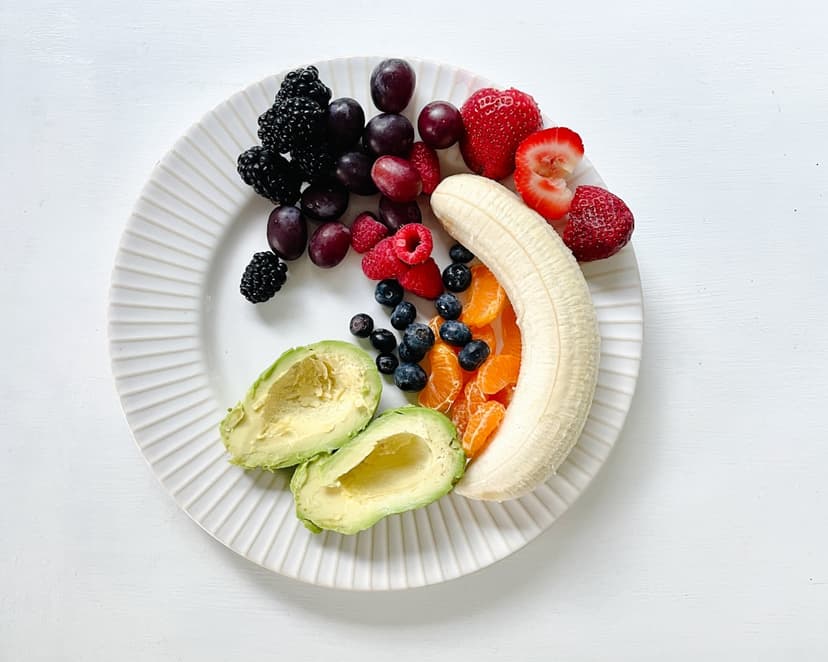
Cholesterol: Debunking Myths and Understanding the Facts
This video’s core message is that cholesterol is not a villain by itself, it is a vital substance your body makes for cell membranes, hormones, and digestion. The controversy starts when people treat one lab number like the whole story, because some people with high LDL never have events, and others with “normal” numbers do. The presenters emphasize that the real-world risk conversation must include smoking, diabetes, blood pressure, family history, exercise, and chronic inflammation, not just LDL alone. They also highlight a practical trap: many people focus on “dietary cholesterol” on labels, even though saturated and trans fats often matter more for raising LDL. Using examples like a candy bar and chips, they show how “low cholesterol” foods can still be high in saturated fat. Finally, they caution against social-media agendas that oversimplify studies, including claims that low cholesterol “causes” death, when low cholesterol can reflect underlying illness.