Do Babies Need the Hepatitis B Vaccine? An Expert's Perspective
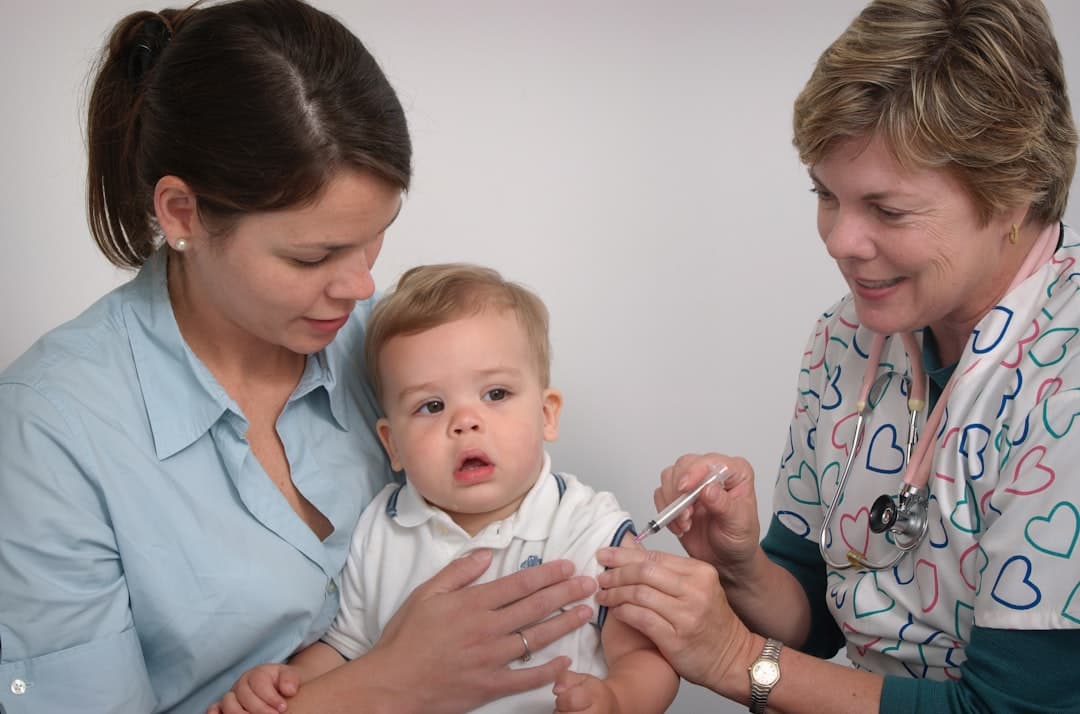
Summary
In the video, an expert discusses the necessity of the hepatitis B vaccine for newborns. While hepatitis B is often sexually transmitted, the expert highlights other transmission routes and stresses the importance of early vaccination to prevent chronic infections that could lead to serious liver issues. The article incorporates this viewpoint, supported by research and statistics, to explore the stakes involved in vaccinating infants against hepatitis B.

Understanding Hepatitis B Transmission
Hepatitis B is widely recognized as a sexually transmitted infection, but it can also be spread through other routes. This is particularly important to understand when considering vaccination in infants. According to the Centers for Disease Control and Prevention (CDC), hepatitis B can be transmitted via blood or other body fluids. In children, this often occurs through close household contact, such as sharing toothbrushes or through bites that break the skin.
Did You Know? Before the routine administration of the hepatitis B vaccine, approximately 18,000 children in the United States were infected annually.
Why Early Vaccination Matters
The stakes are particularly high for infants who contract hepatitis B. Up to 90% of infants who acquire the virus can develop chronic infections, which significantly elevate the risk of developing cirrhosis and liver cancer later in life. These statistics underline the importance of vaccinating infants shortly after birth. By preventing initial infection, the vaccine drastically reduces the likelihood of chronic liver disease.
Changing Risks and Vaccination Timing
A key point raised by the expert in the video is the changing risk profile of hepatitis B post a negative test. Pregnant women who initially test negative for hepatitis B could still acquire the virus later in pregnancy or near delivery. This changing landscape makes the case for early vaccination even stronger, as it accounts for potential late-term exposures that were not initially evident.
Research Highlight: According to recent studies, fact-checking can improve public confidence in scientific recommendations, including vaccination guidelines.
Household Transmission of Hepatitis B
Household transmission is another crucial factor to consider. Infants are at risk of exposure to the hepatitis B virus beyond the delivery room. Everyday interactions, such as minor cuts or sharing personal items, can facilitate the virus's spread among household members. Ensuring that infants receive the hepatitis B vaccine shortly after birth offers a protective barrier against these common yet often overlooked exposure routes.
Historical Impact of Hepatitis B Vaccination
Historically, the introduction of the hepatitis B vaccine has led to a dramatic decrease in the number of infected children. Before the vaccine's widespread use, half of the infections in infants occurred at birth from hepatitis B-positive mothers, while the other half resulted from early childhood exposure through close contact. This substantial reduction in infections underscores the vaccine's effectiveness and the importance of maintaining its use in public health strategies.
Common Misconceptions About Hepatitis B
Despite the clear benefits, misconceptions about the hepatitis B vaccine persist. Some argue that since hepatitis B is primarily sexually transmitted, infants do not require vaccination. However, as outlined, the virus can spread through various non-sexual means, particularly in young children. Addressing these misconceptions is crucial to maintaining high vaccination rates and preventing unnecessary infections.
Important Note: Hepatitis B infection in infants can lead to chronic conditions that are far more challenging to manage than the initial disease itself.
Expert Insights and Recommendations
The expert in the video emphasizes the importance of common sense in public health decisions. While some might question the immediate need for vaccination, the potential long-term benefits and risk reduction far outweigh the arguments against early vaccination. The expert's insights are supported by scientific data and reflect a comprehensive understanding of the disease's transmission dynamics.
Conclusion: Weighing the Benefits of Vaccination
In conclusion, the decision to vaccinate infants against hepatitis B is supported by both scientific evidence and expert opinion. The risks associated with delaying vaccination could lead to severe health outcomes that are otherwise preventable. Parents and guardians should consider these factors and consult healthcare professionals to make informed decisions about their child's health.
Pro Tip: Always consult your healthcare provider to discuss any concerns regarding vaccinations and understand the specific benefits for your family.
Sources & References
Frequently Asked Questions
- What is hepatitis B?
- Hepatitis B is a liver infection caused by the hepatitis B virus, which can lead to chronic liver disease and liver cancer.
- How is hepatitis B transmitted?
- While often sexually transmitted, hepatitis B can also spread through blood and other body fluids, especially in household settings.
- Why vaccinate infants against hepatitis B?
- Vaccinating infants protects them from chronic infections that could lead to severe liver conditions later in life.
- Can hepatitis B be prevented?
- Yes, the hepatitis B vaccine is highly effective at preventing infection when administered early in life.
- When should the hepatitis B vaccine be given?
- The hepatitis B vaccine is typically administered shortly after birth, with additional doses at later intervals as recommended by healthcare providers.
Get Evidence-Based Health Tips
Join readers getting weekly insights on health, nutrition, and wellness. No spam, ever.
No spam. Unsubscribe anytime.