Doctor reacts to TikTok health myths, liver and kidneys

Summary
Is TikTok health advice ever safe to follow, especially when it talks about hydration, detoxing, or “filtering” your blood? This article breaks down a physician’s reaction to several viral clips, including the claim that water is harmful, the hype around detox style blood treatments, and casual misinformation about chemicals and food. The throughline is simple: your liver and kidneys already do most detox work, and many trends confuse buzzwords with biology. You will also get practical, action-oriented steps to support hydration, avoid risky shortcuts, and know when to involve your clinician.
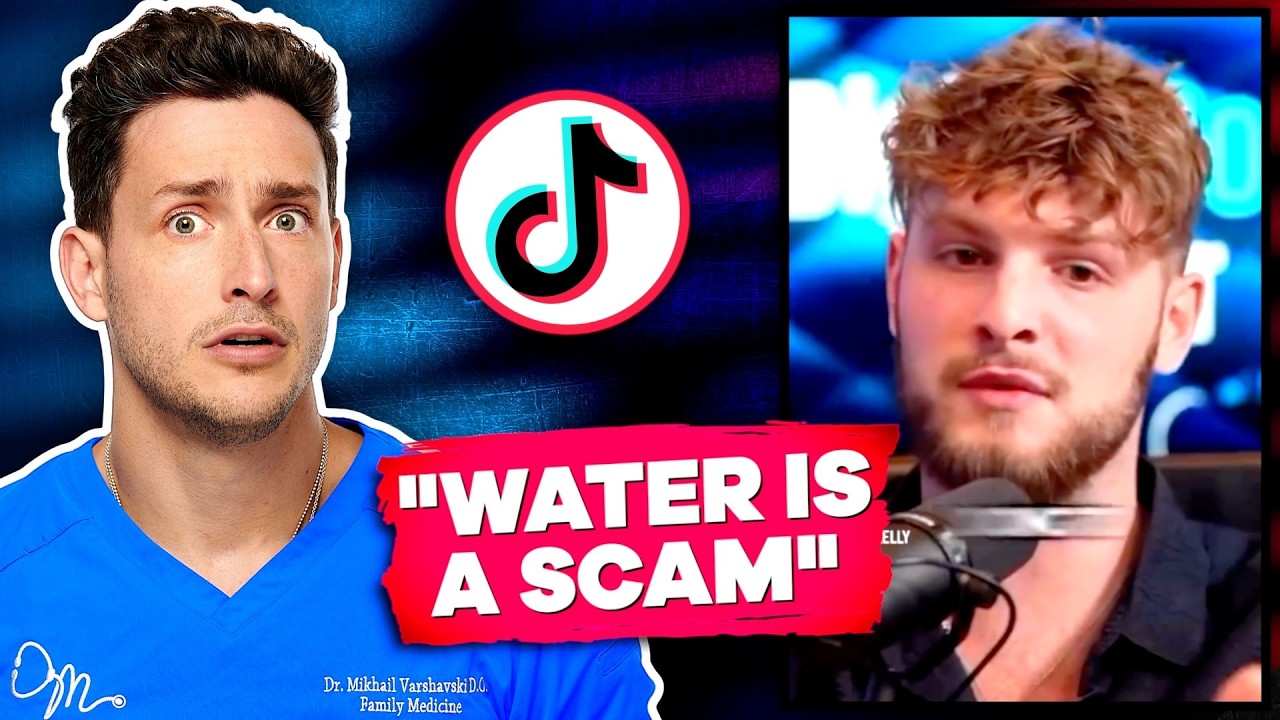
Is this viral health tip actually helping your liver and kidneys, or is it just confident misinformation?
That is the question driving this doctor’s “react” style check-in on scary TikTok health advice. The tone is funny and fast, but the core message is serious: when influencers talk about hydration, detoxing, “chemicals,” or miracle routines, it is easy to get pulled into a story that sounds scientific while skipping the basic biology.
TikTok is “unban,” misinformation is flowing, and the goal here is to slow down, look at what’s being claimed, and choose safer, more realistic steps.
Important: If you have kidney disease, liver disease, heart failure, or you take medicines that affect fluid balance (like diuretics), hydration and “detox” advice should be personalized with your clinician.
Why TikTok health advice feels convincing, and why it can be risky
A lot of viral health content is built like entertainment, not like healthcare. It uses a dramatic hook, a villain (seed oils, water, “chemicals”), and a hero product or procedure.
Then it adds urgency.
The clinician in the video points out a pattern: people throw around science words, add creepy music, and rack up views. The problem is not curiosity, it is certainty without context. When someone confidently says water “dehydrates” you, or that a machine can remove “mold, mycotoxins, glyphosate, plastics” from your blood, it can sound like you are finally seeing behind the curtain.
But your body is not a conspiracy. It is a system.
The liver and kidneys are central to that system. The liver processes many substances, makes bile, helps manage nutrients, and transforms some compounds so they can be eliminated. The kidneys regulate fluid, electrolytes, acid-base balance, and remove waste products into urine. When content ignores that and promises a shortcut, that is where risk starts.
This perspective also highlights a social reality: people share health content when they are scared, and fear makes simple answers feel soothing.
Urgent care vs primary care, why “knowing you” matters
There is a side conversation in the video about why urgent care can feel more collaborative. It is funny, but it lands on an important point: urgent care often does not know your story.
A primary care clinician is more likely to know your baseline labs, medication list, allergies, and what “normal” looks like for you. That context matters for liver and kidney issues because many red flags are subtle at first, for example swelling, fatigue, changes in urination, medication side effects, or abnormal blood tests.
If you are trying to make sense of a TikTok claim, your best “algorithm” is often a clinician who already knows your history.
Hydration reality check: “Water is a scam” vs what your body needs
“Water is a scam” is the kind of line that spreads because it is shocking.
In the video, the influencer argues that water dissolves things, so it is “dissolving” your body, and that bloating or “water weight” proves water is harmful. The doctor responds with basic physiology: blood plasma is mostly water, and water is how cells and substances move around your body.
Hydration is not a wellness trend. It is a requirement.
Your kidneys depend on adequate blood flow and fluid balance to filter waste. Severe dehydration can reduce kidney perfusion and contribute to kidney injury in some situations. On the other side, some people with certain medical conditions can retain fluid and need individualized guidance. The point is not “more is always better,” it is “water is not the enemy.”
A practical benchmark many clinicians use is to watch your urine color and frequency, and to drink when thirsty, unless you have been told to restrict fluids.
Did you know? The human body is roughly 60% water in adults, with variation by age, sex, and body composition, according to the USGSTrusted Source.
What about “hydrating with fats”?
The influencer suggests you can hydrate with fats instead of water. It is true that foods contain water, and some foods are more water-rich than others. But fats are not a substitute for fluid intake.
Water is a solvent and transport medium. It supports circulation, temperature regulation (sweating), and kidney filtration. Fats play important roles in hormones, cell membranes, and energy storage, but they do not replace the need for water.
If you are trying to improve hydration without obsessing, consider adding water-rich foods (soups, fruits, vegetables) and keeping a refillable bottle available.
Safer hydration steps (without turning it into a personality)
A simple approach works best.
Pro Tip: If plain water feels boring, try chilled water, sparkling water, or adding a splash of citrus. The best hydration plan is the one you will actually follow.
Detox culture vs real filtration: kidneys, dialysis, and “blood cleaning” claims
The most kidney-specific moment in the video is the reaction to a detox-style procedure described as “like dialysis.”
That framing is doing a lot of work.
Dialysis is a life-sustaining treatment used when kidneys cannot adequately filter blood. It is prescribed and monitored carefully because changing fluid and electrolyte balance too quickly can cause harm. Calling a wellness procedure “dialysis-like” can make it sound medically grounded, even if the goal is vague, like removing “toxins” or “mold.”
The doctor’s pushback is blunt: kidneys already do what dialysis machines do. If someone needs dialysis, it is because the kidneys are not functioning well enough.
Ozone and “EBOO” style claims, why buzzwords are not evidence
In the clip, the person describes taking blood out, adding ozone or oxygenation, filtering it, then exposing it to UVA, UVB, and visible light before returning it.
The reaction is basically, “this sounds like science words stacked on science words.”
Here is the practical concern for viewers: any procedure that involves removing blood from your body and reinfusing it raises safety questions. Sterility, infection risk, clotting risk, vein injury, and unexpected reactions matter. Even when something is offered in a wellness setting, it can still cause harm.
If you are considering any “blood cleansing” or IV-based detox service, it is reasonable to ask:
If the answers are mostly vibes, that is information.
What the research shows: Public health agencies emphasize that the body already removes waste through the liver, kidneys, lungs, and skin, and that many commercial “detox” claims are not evidence-based. See the NCCIH overview on detoxes and cleansingTrusted Source.
Expert Q&A: “If detoxes are overhyped, what actually supports kidneys?”
Q: What are the most realistic ways to support kidney health without gimmicks?
A: The basics are boring because they work. Staying hydrated (unless you have a medical reason to limit fluids), managing blood pressure, and controlling blood sugar are major kidney-protective moves over time.
Medications and supplements matter too. Many people do not realize that frequent NSAID use (like ibuprofen or naproxen) can be risky for kidneys in certain contexts, especially with dehydration, older age, or existing kidney disease. If you have questions about your personal risk, a primary care clinician can help you interpret labs like creatinine and eGFR and review your medication list.
Internal Medicine Clinician (video commentary perspective)
“Chemical-free” language, microplastics, and food fear
Another thread in the video is the way influencers use the word “chemical” as if it means “poison.”
But everything is chemicals, including water.
The doctor jokes about taking a drink every time a certain influencer says “chemical,” because it is used as a persuasive device rather than a precise concept. This matters for liver and kidney health because fear-based food rules can lead people to make worse overall choices, like cutting out entire food groups, avoiding affordable staples, or chasing expensive “clean” products while ignoring sleep, alcohol intake, and exercise.
The “petroleum diet” clip, what’s useful and what’s noise
The “petroleum diet” segment piles on concerns: food dyes, plastic cups, microplastics, seed oils, and fast food.
Some of that is fair to question. Ultra-processed diets are linked with worse cardiometabolic outcomes, and cardiometabolic health is connected to fatty liver disease risk. But the video also calls out exaggeration, especially around seed oils being “the problem” in a way that distracts from the bigger picture.
If you want a liver-friendly frame, focus less on internet villains and more on patterns:
That is not as viral, but it is more actionable.
»MORE: If you keep getting pulled into food fear content, create a one-page “default grocery list” you trust, then reuse it for 4 weeks. Consistency beats perfection.
Microplastics, a cautious, practical take
Microplastics are a real research topic, and it is reasonable to reduce unnecessary plastic exposure when you can. Still, the science is evolving, and it is easy for influencers to leap from “microplastics exist” to “you are being poisoned daily, buy this solution.”
A balanced step is to use a durable bottle you clean regularly. The video includes a sponsored segment about a UV-cleaning bottle and filtration. While the sponsor message is promotional, the underlying habit is sensible: choose a reusable bottle, keep it clean, and drink enough.
For broader context, the World Health OrganizationTrusted Source has discussed microplastics in drinking water and notes that more research is needed, while also supporting basic water safety management.
Steroids and organ health: the quiet liver and kidney angle
One of the sharpest pivots in the video is the anabolic steroid clip. It is presented as casual advice for young adults who want to “advance their physique,” and the doctor’s reaction is immediate.
Not everyone thinks about liver and kidney health when they think about steroids, but it belongs in the conversation.
Anabolic-androgenic steroids can be associated with a range of health risks, including effects on lipids, blood pressure, heart, mood, and in some cases liver injury, particularly with certain oral formulations. Some bodybuilding supplement stacks also include other compounds that can stress the liver.
If someone is considering performance-enhancing drugs, it is worth having a real, nonjudgmental medical conversation first. Not a comment section debate.
Important: If you have symptoms like yellowing of the skin or eyes, dark urine, severe abdominal pain, or unusual swelling, seek urgent medical care. Those can be signs of serious liver or systemic problems.
Small moves that add up: NEAT, sleep timing, and sustainable routines
Not all the video’s moments are about debunking. Some are about what actually helps.
Taking the stairs instead of the escalator is one of those small, unsexy wins. The doctor frames it as increasing NEAT (non-exercise activity thermogenesis), meaning the calories you burn through everyday movement outside formal workouts.
That matters because metabolic health is tied to liver health. Higher body fat, insulin resistance, and sedentary habits are linked with higher risk of metabolic dysfunction-associated steatotic liver disease (MASLD), formerly NAFLD. You do not need a perfect gym routine to move the needle, you need repeatable movement.
Morning routines, chronotypes, and what not to copy
The video also reacts to a highly produced morning routine with a 3:52 a.m. wake-up, multiple workouts, ice water face dips, and product placement.
The key point is refreshing: not everyone should copy someone else’s schedule. People have different chronotypes, and a routine that works for one person may be miserable for another.
The National Sleep FoundationTrusted Source provides general sleep duration recommendations by age, and most adults do best with around 7 to 9 hours. For liver and kidney health, sleep matters because it affects appetite regulation, blood pressure, and metabolic function.
Action plan: build a “minimum viable” routine
You do not need a cinematic morning. You need a routine that survives real life.
Short routines done consistently can support weight, blood pressure, and blood sugar, which are all downstream supports for kidneys and liver.
How to pressure-test viral health claims before you try them
This is the heart of the video’s unique perspective: you do not have to become a scientist to avoid being misled, but you do need a system.
Here is a simple checklist you can use the next time you see a scary claim about hydration, detoxing, or “chemicals.”
The 5-question TikTok filter
Pro Tip: If a creator says “doctors don’t want you to know,” pause. A better question is, “What would a cautious doctor worry about here?”
Expert Q&A: “How do I talk to my doctor without feeling judged?”
Q: I see scary health advice online, how do I bring it up at a visit without sounding silly?
A: Bring the exact claim and ask one practical question, like “Is this safe for me, given my history?” or “Is there any evidence this helps?” Clinicians are used to this, and it is often faster to address it directly than to let anxiety build.
If you have specific concerns about liver or kidney function, you can also ask whether labs like a comprehensive metabolic panel, liver enzymes, urine albumin, or eGFR are appropriate for your situation. The goal is not to demand tests, it is to make a shared plan.
Internal Medicine Clinician (communication-focused perspective)
Key Takeaways
Frequently Asked Questions
- Is drinking lots of water bad for your kidneys?
- For most healthy people, drinking water according to thirst and routine is safe and supports kidney function. But some conditions, like advanced kidney disease or heart failure, may require fluid limits, so it is best to confirm your target with a clinician.
- Do detoxes or cleanses actually remove toxins from your body?
- Many commercial detoxes are not supported by strong evidence, and your liver and kidneys already remove many waste products as part of normal physiology. If a detox involves IVs, ozone, or blood filtering, ask about risks, evidence, and medical supervision before considering it.
- Are seed oils harmful for liver health?
- The video’s perspective is that seed oils are not the main problem in the way social media often claims. Overall diet quality, calorie balance, fiber intake, and alcohol habits are typically more important levers to discuss with a clinician or dietitian.
- Why does urgent care feel different than primary care?
- Urgent care can feel more collaborative partly because they do not know your medical history, so they are figuring things out in real time. Primary care continuity can improve safety because your clinician can interpret symptoms and labs in the context of your baseline.
Get Evidence-Based Health Tips
Join readers getting weekly insights on health, nutrition, and wellness. No spam, ever.
No spam. Unsubscribe anytime.