Do Fitness Influencers Really Understand Metabolic Health?

Summary
In this article, we explore insights from Mike Israetel, a renowned exercise scientist, on metabolic health and fitness influencers. Israetel emphasizes the significance of caloric deficits for fat loss, and the possibility of new lifters building muscle while losing fat. He also highlights the role of specific muscles during exercises and the body's energy sources during different types of activity. This perspective is supported by scientific research, providing a comprehensive look at fitness through an expert lens.
Introduction to Metabolic Health
Metabolic health is a critical component of overall fitness and well-being. In the realm of fitness influencers, the understanding of metabolic processes can vary widely. This article draws insights from Mike Israetel, a prominent exercise scientist, to uncover what truly constitutes effective metabolic health strategies.
Fitness influencers often highlight trendy diets and exercise routines, but it's essential to ground these in scientific reality. Israetel offers a no-nonsense perspective, emphasizing the importance of evidence-based practices over fleeting trends.
The Importance of Caloric Deficit
One of the fundamental principles in fat loss is maintaining a caloric deficit. Mike Israetel underscores this by stating that, regardless of macronutrient intake, the key to losing fat is consuming fewer calories than you expend. While some diets emphasize low-carb intake, Israetel points out that without a caloric deficit, fat loss is unlikely to occur.
Did You Know? A caloric deficit can be achieved through various dietary patterns, as long as the energy intake is lower than the output.
Supporting research from the Journal of Nutrition confirms that caloric deficits are effective for weight loss across different diet types.
Muscle Building and Fat Loss for New Lifters
Israetel also addresses a common question among new lifters: Can you build muscle while losing fat? According to him, new lifters, often referred to as "newbie gainers," can indeed experience both muscle growth and fat loss simultaneously. This is largely due to their body's heightened sensitivity to exercise stimuli.
For those new to resistance training, the body responds by building muscle while still utilizing fat stores for energy, especially when in a caloric deficit. This phenomenon is supported by a study from the American Journal of Physiology, which notes that initial adaptations to strength training can lead to significant body composition changes.
Understanding Muscle Activation
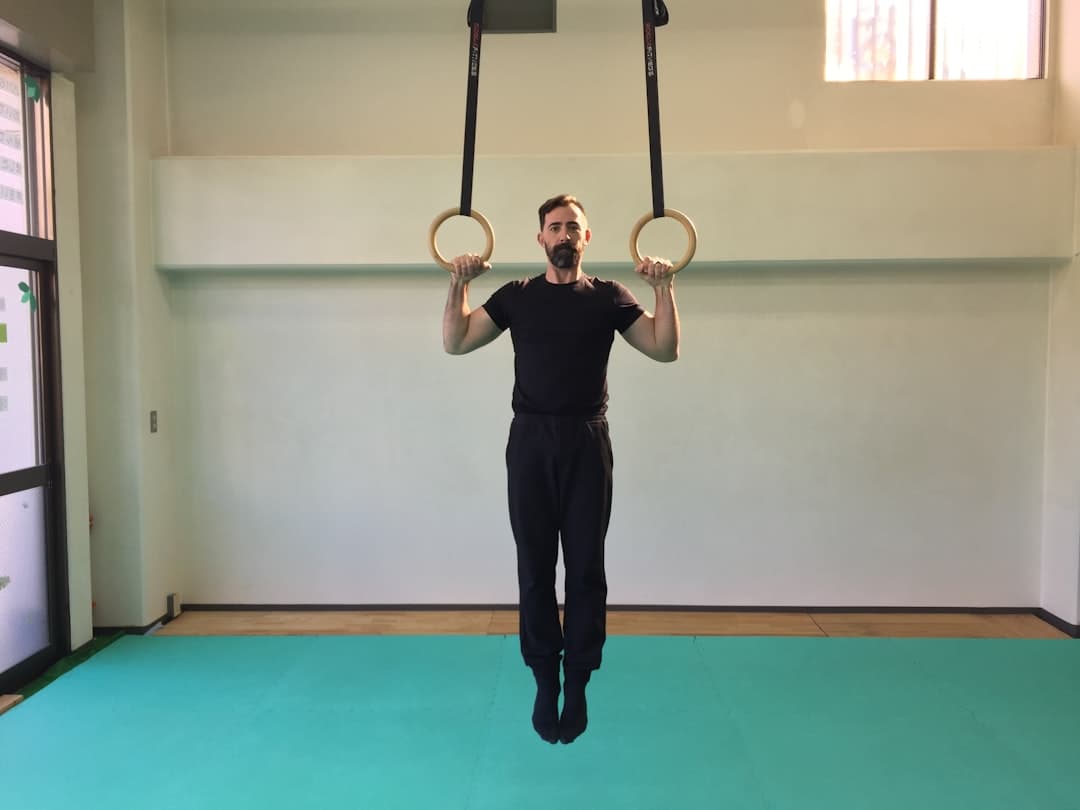
The video highlights the importance of knowing which muscles are active during different exercises. For instance, while performing a specific back exercise, Israetel points out the activation of the rhomboids, a muscle group often overlooked by beginners.
Expert Quote: "Knowing which muscles are engaged can enhance exercise effectiveness and prevent injuries," says Israetel.
Understanding muscle activation helps in targeting specific areas and achieving more balanced muscle development. This is crucial for both aesthetic goals and functional strength.
Energy Sources During Exercise
During low-intensity cardio, the body primarily uses fat as its energy source, a fact that Israetel emphasizes. This contrasts with high-intensity exercises, which rely more on carbohydrates. Knowing how different exercises influence energy utilization can help tailor workouts to suit specific fitness goals.
A research article from the Sports Medicine Journal corroborates this by explaining how exercise intensity affects substrate utilization.
The Role of Scientific Terms in Fitness
Israetel frequently uses scientific terminology such as 'concentric' to describe the positive phase of a lift. Understanding these terms can enhance one’s comprehension of exercise mechanics. For instance, the 'mTOR pathway' is a critical component in muscle protein synthesis, which is activated by resistance training and amino acids like leucine.
Important Note: Familiarity with these terms can improve communication with fitness professionals and enhance learning from scientific literature.
Common Mistakes in Fitness Approaches
Many fitness enthusiasts fall into common traps, such as overemphasizing certain exercises without understanding their purpose. Israetel notes the importance of a balanced approach, focusing on overall fitness rather than isolated muscle groups.
A study from the European Journal of Sport Science highlights common misconceptions in exercise planning that can lead to suboptimal results.
Key Takeaways
Frequently Asked Questions
- What is a caloric deficit?
- A caloric deficit occurs when you consume fewer calories than your body needs, leading to weight loss.
- Can beginners build muscle and lose fat?
- Yes, beginners can often build muscle and lose fat simultaneously due to their body's enhanced responsiveness.
- Why is muscle activation important?
- Understanding which muscles are active during exercises helps in targeting specific areas effectively.
- Which energy source is used during low-intensity cardio?
- Low-intensity cardio primarily uses fat as its energy source.
- What does 'concentric' mean in exercise terms?
- Concentric refers to the phase of a lift where the muscle shortens, such as lifting a weight.
Get Evidence-Based Health Tips
Join readers getting weekly insights on health, nutrition, and wellness. No spam, ever.
No spam. Unsubscribe anytime.