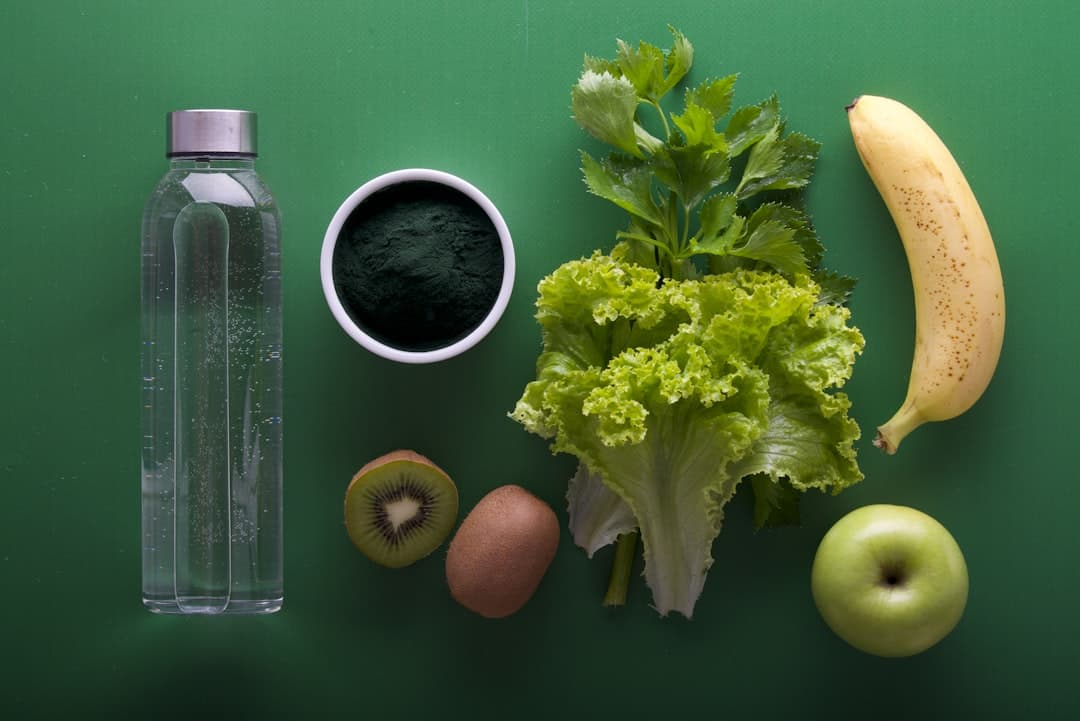
Gluten-free vs whole grain for weight loss
Summary
For weight loss, whole grains are generally more effective for most people because they support fullness, steadier energy, and overall diet quality. A gluten-free diet can be helpful if you have celiac disease or gluten sensitivity, but it is not automatically lower-calorie and can backfire if it relies on gluten-free ultra-processed foods.
The quick take: it depends on why you are changing grains
If you are avoiding gluten for a medical reason, gluten-free can be the right foundation.
If your goal is weight loss and you tolerate gluten, most guidelines suggest keeping whole grains in the mix because they tend to be higher in fiber and more filling than refined grains.
A common misunderstanding is that “gluten-free” means “healthier.” Gluten is a protein, not a calorie. Weight change still comes down to overall intake, appetite, and how sustainable the pattern is.
What happens with weight loss on a gluten-free diet
Gluten-free eating is essential for people with celiac disease, and it can reduce symptoms for some people with non-celiac gluten sensitivity. In those cases, feeling better can make it easier to cook, move, and stick with a plan.
For weight loss specifically, results are mixed in real life because gluten-free products vary a lot. Many packaged gluten-free breads, crackers, and snacks use refined starches, added fats, and sugars to replace the texture gluten provides. That can make them more calorie-dense and less filling, especially if they resemble an Ultra-Processed Diet.
There is also a “health halo” effect. People sometimes eat larger portions because the label feels virtuous, which is a classic example of confusing Correlation (gluten-free label) with the true driver (calorie density and satiety).
Important: If you suspect celiac disease, do not start a gluten-free diet before testing. Most clinicians recommend getting evaluated first because removing gluten can make blood tests and biopsies harder to interpret.
What happens with weight loss on a whole-grain pattern
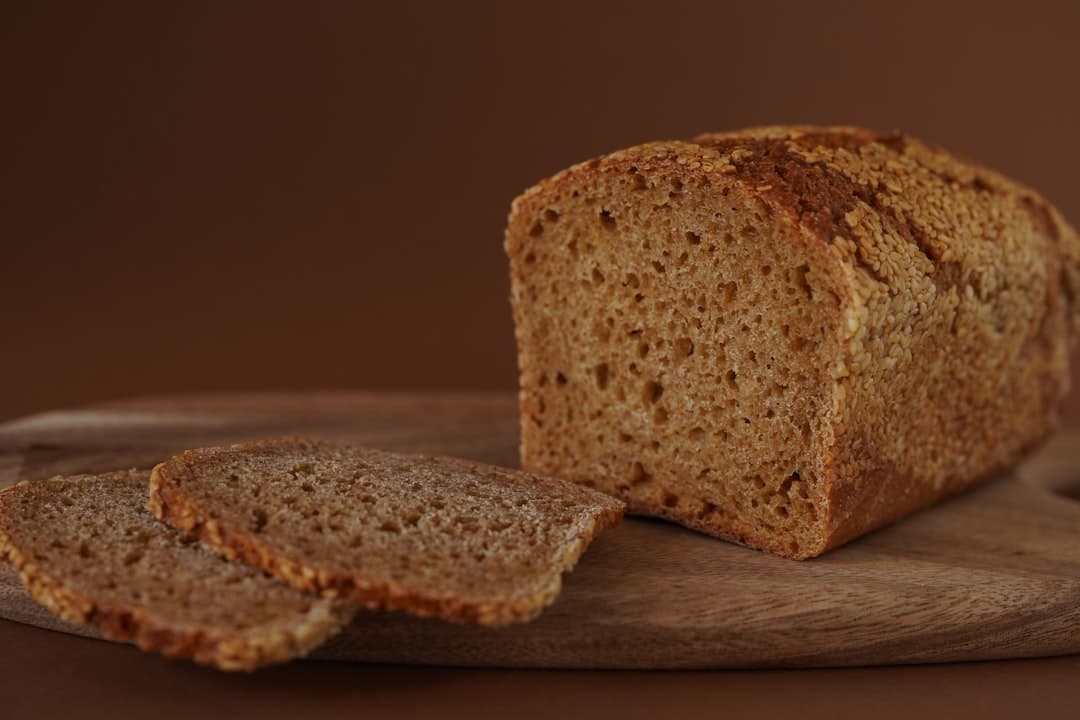
Whole grains include the bran, germ, and endosperm, which usually means more fiber, more micronutrients, and a slower digestion profile than refined grains.
Practically, that often translates to better fullness and fewer intense cravings later in the day. Many people also notice fewer sharp Postmeal Spikes when they swap refined grains for intact or minimally processed whole grains (like oats, brown rice, barley, quinoa, or 100 percent whole-wheat).
Whole grains can fit into many evidence-informed patterns that clinicians commonly recommend for metabolic health, including Mediterranean-style and higher-fiber approaches. They are not magic, but they tend to make the “default meal” more satisfying without requiring extreme restriction.
A caveat: whole grains still contain calories, and portion size matters. Some people do better with smaller grain portions and more non-starchy vegetables and protein, especially if they have insulin resistance or diabetes. A clinician or dietitian can help tailor this.
Key differences that matter most (beyond the label)
The biggest separation is usually not gluten vs no gluten. It is food quality, fiber, and how easy the plan is to maintain.
How to choose based on your situation
Both approaches can work, but they work for different reasons.
Choose a gluten-free approach if:
Choose a whole-grain approach if:
Pro Tip: If you are unsure which direction helps you eat less without feeling miserable, run a two-week “quality-first” experiment. Keep protein consistent, keep snacks mostly whole foods, then compare (1) refined grains replaced with whole grains versus (2) gluten-free swaps that are also minimally processed. Track hunger, cravings, and how easy it is to stick with.
What to eat for weight loss (either way)
If you go gluten-free, prioritize naturally gluten-free whole foods and gluten-free whole grains over specialty substitutes.
If you keep whole grains, aim for intact or minimally processed options more often than breads and crackers.
A simple, practical template many clinicians use is:
If you have digestive symptoms, fatigue, anemia, or unexplained weight changes, it is worth discussing evaluation with a healthcare professional. In some cases, the issue is not gluten itself but an underlying condition involving the gut, hormones, or even immune pathways studied in Immunology.
And if you are considering supplements or “metabolic boosters,” treat them as optional at best. Claims about broad Therapeutic Benefits are often overstated, and your clinician can help you avoid interactions and unnecessary expense.
Frequently Asked Questions
- Can I lose weight on gluten-free bread and pasta?
- You can, but it depends on portions and overall diet quality. Many gluten-free substitutes are made with refined starches and can be less filling, so weight loss is often easier when gluten-free choices are also high-fiber and minimally processed.
- Are oats gluten-free or whole grain?
- Oats are a whole grain, and they are naturally gluten-free, but they are often contaminated with wheat during processing. If you need strict gluten avoidance, look for oats labeled gluten-free and confirm with your healthcare team if you have celiac disease.
- Do whole grains cause inflammation or bloating?
- Some people feel bloated when they increase fiber quickly, especially if they are not used to it. Gradually increasing whole grains, drinking enough fluids, and choosing less processed forms can help, but persistent symptoms should be discussed with a clinician.
- Is a gluten-free diet ever recommended for people without celiac disease?
- Sometimes, particularly if a clinician diagnoses non-celiac gluten sensitivity or if a structured elimination and reintroduction trial shows a clear benefit. It is still important to keep the diet nutritionally balanced and avoid replacing gluten with mostly ultra-processed gluten-free foods.
Get Evidence-Based Health Tips
Join readers getting weekly insights on health, nutrition, and wellness. No spam, ever.
No spam. Unsubscribe anytime.