Not Moving: The 24-Hour Slide Into Body Breakdown
Summary
This video’s core idea is blunt: your body is built to move, and when movement drops, multiple systems start downshifting quickly, not just your waistline. The discussion connects bed rest and “coma-level” inactivity to everyday sedentary living, arguing the same degeneration happens on a slower timeline. It emphasizes muscle protein turnover, loss of neuromuscular timing, and a brain that is largely fed by movement, posture, and gravity signals. The practical takeaway is not “burn more calories,” but “create more signals,” through frequent, varied movement, plus supportive nutrition to reduce inflammation and improve mobility.

Why this matters, movement is a survival signal
A lot of health advice treats movement like a “nice extra” that helps you burn calories.
This video argues something more fundamental: movement is a core input that keeps your body’s systems online, especially the brain.
What’s interesting about this framing is that it changes the goal. Instead of asking, “How do I exercise to lose weight?” you start asking, “How do I move often enough, in enough different ways, that my brain, muscles, metabolism, and joints keep getting the signals they expect?” That shift matters for metabolic health because sedentary time is consistently linked with higher cardiometabolic risk, even when some people still manage to do a workout later in the day. Large reviews describe sedentary behavior as its own risk factor, not just the absence of exercise, and it is associated with worse glucose regulation and cardiovascular outcomes in many populations (sedentary behavior as an emerging health riskTrusted Source, updated evidence overviewTrusted Source).
The speaker uses extreme examples (coma, bed rest, spaceflight) to make a point about everyday life.
If you understand the extreme, you can recognize the slow version happening in plain sight.
Did you know? Reviews of sedentary behavior research describe links between prolonged sitting and higher risk markers for cardiometabolic disease, including impaired glucose control and adverse lipid profiles (sedentary lifestyle evidence overviewTrusted Source).
What can change in the first 24 hours without movement
The video opens with a dramatic claim: the body starts breaking down in about 24 hours without movement. Taken literally, not everyone will experience obvious symptoms within a day, and real-world effects vary by age, baseline fitness, illness, nutrition, sleep, and stress.
But the underlying mechanism is plausible and clinically relevant: when you remove movement, you remove repeated muscular tension, joint loading, and sensory input. That can quickly alter fluid balance, insulin sensitivity, appetite regulation, and how “awake” the nervous system feels.
The discussion is not just about deconditioning in the gym sense.
It is about systems.
Here is the video’s basic “first day” logic, translated into plain language:
Important: If you are on bed rest for a medical reason, do not change your activity plan without guidance. Ask your clinician whether gentle range-of-motion work, breathing exercises, or physical therapy is appropriate for your condition.
Muscle loss is fast, but coordination fades faster
A key detail from the video is the speed of muscle change in complete inactivity. The speaker states that with a total lack of movement, you can lose about 1% of muscle mass every one to two days, and that the contractile proteins actin and myosin have a half-life of about 5 to 7 days. The point is not that every person will match these numbers exactly, but that muscle is dynamic tissue that constantly turns over.
This is an important metabolic health point. Muscle is one of the main places your body disposes of glucose after meals. When muscle mass and muscle quality decline, blood sugar handling can get harder, which can push the body toward insulin resistance (reduced responsiveness to insulin).
Why “use it or lose it” is not just a slogan
The speaker’s mechanism is incentive-based: if you stop demanding performance from a tissue, the body has less reason to spend energy maintaining it.
That idea aligns with basic physiology. Muscle protein synthesis is stimulated by mechanical tension and activity. Without that stimulus, the balance can tip toward breakdown.
Then comes the part many people underestimate.
The video argues that neuromuscular pathways deteriorate even faster than muscle size. In other words, strength is not only about “how much muscle you have,” it is also about timing, coordination, recruitment, and the brain’s ability to drive the muscle. This helps explain why someone can feel surprisingly weak, shaky, or unsteady after illness or prolonged sitting, even if they do not look dramatically smaller.
What the research shows: Sedentary behavior is associated with poorer metabolic health markers and higher risk for cardiometabolic disease outcomes in many studies, which supports the idea that low movement affects more than body weight (sedentary lifestyle evidence overviewTrusted Source).
The brain is fed by posture, gravity, and motion signals
The most unique perspective in the video is the brain-first argument.
The speaker claims the brain’s highest purpose is movement for survival, and that thinking is a secondary “byproduct” that helps refine survival strategies. To support the idea, the video references neuroscientist Roger Sperry (Nobel Prize in Physiology or Medicine, 1981) and attributes to him the statement that about 90% of the brain’s activity is involved in processing movement and posture in a field of gravity.
Whether you agree with the philosophy or not, the practical implication is clear: movement is a major source of sensory input to the nervous system.
And sensory input is not trivia. Your brain is constantly integrating information from joint receptors, muscle spindles, skin, vision, and the vestibular system (balance organs). When you change position, load a limb, or shift your gaze, you create data that the brain must process. The video’s term for this is afferentation, and the claim is that reduced afferentation contributes to degeneration.
The space example, why gravity matters
To make the point vivid, the speaker talks about astronauts. Even highly trained people can lose significant muscle quickly in microgravity. The video mentions about 20% muscle loss in a week in space and notes that even two hours a day of exercise may not fully offset the loss, only slow it.
The deeper message is about gravity as a constant training partner. On Earth, simply standing, walking, and stabilizing your head and trunk provides continuous loading and balance demands. In microgravity, that background signal disappears, and the body deconditions rapidly.
This is also why some people feel lightheaded when they stand up after being sick in bed: the cardiovascular system and nervous system have to readapt to the “gravity problem.”
The sea squirt story, “if you stop moving, you stop needing a brain”
The video uses an unusual biological example: the sea squirt.
As described, the sea squirt starts life swimming with a small nervous system (the video says 177 brain cells). Once it attaches to a rock and becomes stationary, it no longer needs a brain for movement and, in this telling, it consumes its own brain.
You are not a sea squirt, but the metaphor is pointed. The body does not maintain expensive tissue without a reason.
From coma to couch, the same process on a slower timeline
The video’s central bridge is this: the body’s degenerative process is similar whether you are in a coma or “just sitting,” the difference is speed.
That is a strong statement, and it deserves nuance. Real sedentary living is not the same as complete bed rest, and many people sit a lot but still do some movement. Still, the comparison is useful because it highlights a direction of change: less loading, less muscle stimulus, fewer balance challenges, and fewer movement-related brain signals.
The speaker offers a rough timeline analogy: what might happen in 30 days of extreme inactivity could resemble what happens over 30 years of low-grade sedentary living. The discussion also suggests that people get “the first 30 years for free,” with development largely following a genetic plan until the mid-20s, then plateauing, then trending downward after about 30 unless actively supported.
This perspective reframes “normal aging.” Some decline is inevitable, but the argument is that a large portion of weakness, pain, and loss of function is disuse, not just birthdays.
A practical way the video challenges the reader is by asking functional questions, not lab questions:
These are not vanity metrics.
They are independence metrics.
Standalone statistic: Sedentary behavior has been described as a “new health risk” category because it can track with worse health outcomes even beyond traditional exercise measures (sedentary behavior health risk reviewTrusted Source).
A movement menu for real life (not just the gym)
The video pushes back on the idea that movement equals gym workouts.
Yes, weightlifting, running, and high-intensity interval training can be useful. But the baseline goal in this framing is simpler: get signals going.
Pro Tip: If you want a quick behavior shift, stop treating convenience like a virtue. Park farther away, take stairs when available, and avoid waiting for the closest spot if you are physically able.
The “mostly bullets” movement section
Below is a movement menu built directly from the video’s examples, with the same emphasis on signaling, variety, and practicality.
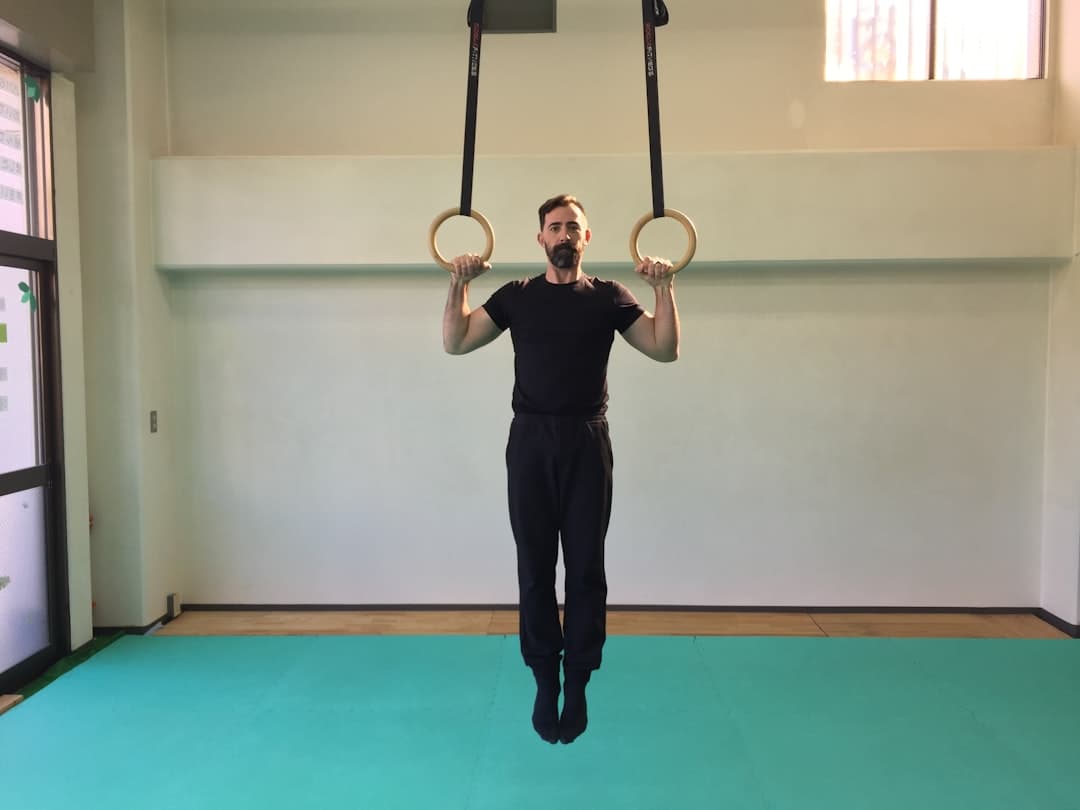
Walk more, but think beyond step counts. Walking provides repeated joint loading, balance adjustments, and rhythmic muscle contractions. In the video’s framing, it is not about “earning food,” it is about feeding your brain and body consistent sensory input.
Take the stairs when they are available. Stair climbing increases leg demand and challenges coordination more than flat walking. It also tends to raise heart rate, which may add cardiovascular benefits for many people.
Use hobbies as training. Hiking, dancing, skating, skiing, and yard work all create different movement patterns and sensory environments. The speaker highlights dancing as a great option for people who dislike “exercise” but enjoy music and social movement.
Add slow movement practices like yoga, Pilates, and stretching. Even though they can feel stationary, they still load tissues, explore range of motion, and stimulate receptors in muscles and joints. For some people, these are also more joint-friendly entry points.
Stop optimizing for less walking. The video calls out a common pattern: waiting several minutes for a close parking spot to save 30 seconds of walking. If you are able, treat those small walks as health deposits.
Make movement part of the day, not a single event. A treadmill session does not automatically cancel out hours of stillness. Many reviews emphasize that reducing total sedentary time and breaking up sitting can matter for metabolic health (updated sedentary evidence overviewTrusted Source).
Short closing thought: you do not need to be extreme.
You need to be consistent.
When walking is hard, how to create signals anyway
Not everyone can “just walk more.” Injury, chronic pain, neurological disease, disability, and recovery from surgery can all change what is safe.
The video’s approach here is compassionate and pragmatic: do what you can, then get creative.
A step-by-step way to increase afferentation safely
Start with what is definitely available to you. If standing is not possible, begin with seated movement: ankle pumps, toe wiggles, gentle knee extensions, or arm circles. The point is to create tolerable, repeatable signals.
Add range of motion in multiple directions. The speaker suggests stretching arms straight up, out to the sides, and in different planes, plus moving fingers and hands. Small joints create a surprising amount of sensory input.
Use breathing and awareness as “nervous system practice.” Breathing exercises are not a replacement for whole-body loading, but they can reduce stress and may help some people feel safer moving. Lower stress can also support better sleep and recovery, which indirectly supports mobility.
Consider water-based movement if joints are a barrier. Water can reduce impact while still allowing muscles to work and joints to move. If you have heart, lung, or balance conditions, ask a clinician what is appropriate.
Use mental practice when physical practice is limited. The video cites studies where people visualize activities like throwing darts, practicing piano, or even doing biceps curls, and improve compared with controls. Mental imagery is not magic, but it can activate motor planning networks and may help maintain skill and engagement during periods of limited movement.
One of the most distinctive suggestions in the video is also one of the most accessible.
Move your head and eyes.
The speaker explains that coordinated head and eye movement is neurologically complex, requiring precise timing to keep vision stable (so the world does not blur). You can practice looking left and right, up and down, tracking objects, moving eyes without moving the head, then moving head with eyes. If you have vertigo, concussion symptoms, or neck problems, it is wise to ask a clinician before doing aggressive gaze or head-movement drills.
Q: If I cannot exercise much, is “small movement” still worth it?
A: In this video’s framework, yes, because the goal is not only calorie burn, it is creating sensory input and motor signaling that the brain and tissues respond to. Even small movements like finger motion, gentle stretching, and head and eye coordination can increase stimulation.
If you have a medical condition that limits movement, it is reasonable to ask a physical therapist for a customized plan that respects your joints, balance, and cardiovascular limits.
Jordan Lee, PT, DPT
How food and inflammation can lock in inactivity
The video ties movement and metabolic health together through a feedback loop.
Low movement can contribute to insulin resistance and chronic low-grade inflammation. Then inflammation and pain can reduce mobility, which reduces movement even more, and the cycle tightens.
This is a useful lens because it explains why “just work out harder” often fails. If someone has back, hip, knee, or shoulder pain, their movement options shrink. If they also have metabolic issues, recovery can feel slower, energy can be lower, and motivation can drop.
The speaker’s proposed way out is a positive feedback cycle:
Cleveland Clinic’s overview of sedentary lifestyle risks highlights that prolonged inactivity is associated with health concerns like weight gain, metabolic changes, and cardiovascular risk, and it encourages breaking up sitting and building activity into daily routines (health risks of a sedentary lifestyleTrusted Source).
This does not mean food is the only driver of inflammation or pain.
But it can be a lever.
In the video, the dietary guidance is intentionally broad: less processed food, lower sugar, and eating in a way that reduces metabolic strain. If you have diabetes, kidney disease, eating disorder history, or take glucose-lowering medications, it is especially important to discuss dietary shifts with a qualified clinician.
»MORE: If you want a practical next step, create a one-page “movement and meals” tracker. Log (1) how many times you broke up sitting, (2) one strength or mobility activity, and (3) one processed-food swap you made that day.
The time factor, why starting earlier matters
The video delivers “bad news and good news.”
Bad news: the longer you wait, the longer it can take to rebuild.
Good news: it is rarely “too late” to start making meaningful improvements, and small actions can compound. Research on sedentary behavior supports the idea that reducing sitting time and increasing activity can improve health markers, even if changes begin later in life (updated sedentary evidence overviewTrusted Source).
Q: Is one daily workout enough if I sit all day for work?
A: A workout can be beneficial, but long uninterrupted sitting may still be a problem for metabolic health. Many experts recommend breaking up sedentary time with brief movement bouts, like standing, walking, or light mobility, to reduce total sitting exposure.
If you have cardiovascular disease risk factors, consider asking your clinician what activity pattern is safest and most effective for you.
Amina Patel, MD, Internal Medicine
Key Takeaways
Sources & References
Frequently Asked Questions
- Is sitting really that harmful if I exercise a few times a week?
- Exercise can help, but long periods of uninterrupted sitting are linked with worse metabolic and cardiovascular markers in many studies. Many people benefit from both planned workouts and frequent movement breaks during the day.
- What is afferentation, and why does it matter?
- Afferentation refers to incoming sensory signals from your body to your brain, including information from muscles, joints, balance organs, and skin. The video’s perspective is that movement increases these signals, which helps maintain brain-body coordination and function.
- If I have joint pain, what kinds of movement might be gentler?
- Some people tolerate water-based exercise, chair-based movement, or slow mobility work like stretching and yoga better than impact activities. Because pain has many causes, it is wise to ask a clinician or physical therapist for individualized guidance.
- Can mental imagery actually help if I cannot move much?
- The video describes research where people who visualize practicing a skill improve more than people who do nothing. Mental practice is not a substitute for physical loading, but it may help maintain motor planning and engagement during limited-mobility periods.
Get Evidence-Based Health Tips
Join readers getting weekly insights on health, nutrition, and wellness. No spam, ever.
No spam. Unsubscribe anytime.