Gut Health
Gut Health focuses on the balance and function of the microorganisms in the digestive tract, known as the gut microbiome. This niche involves exploring the role of probiotics and prebiotics, dietary influences, and the connection between gut health and overall wellness. Topics include digestive disorders, the impact of lifestyle choices on gut flora, and emerging treatments for maintaining a healthy gut ecosystem.
Explore Topics
In-depth topics to explore in Gut Health.
Gut: Complete Guide
Your gut is more than a food tube. It is a living ecosystem that digests and absorbs nutrients, trains your immune system, and communicates with your brain in ways that can influence mood, cravings, and energy. This guide explains how the gut works, what helps or harms it, and how to build a practical, evidence-based gut plan.
Fermented Foods: Complete Guide
Fermented foods are traditional staples like yogurt, kefir, kimchi, sauerkraut, miso, and tempeh that are transformed by beneficial microbes. When chosen and used well, they can support digestion, the gut barrier, immune signaling, and metabolic health. This guide explains how fermentation works, what benefits are most evidence-based, how to use fermented foods safely, and who should be cautious.
Microbiome: Complete Guide
Your microbiome is the vast ecosystem of bacteria, viruses, fungi, and other microbes living in and on your body, especially in your gut. It helps digest food, train your immune system, protect against pathogens, and influence metabolism and brain signaling. This guide explains how the microbiome works, what truly supports it, what can disrupt it, and what research in 2026 says we know and still do not know.
Gut Health: Complete Guide
Gut health is more than “digestion.” It is the day-to-day performance of your gut lining, immune signaling, microbiome balance, and gut-brain communication. This guide explains how gut health works, what improves it in real life, where supplements help (and where they do not), and how to avoid common mistakes that backfire.
All Articles
How Food Signals Shape Mood, Cravings, and Calm
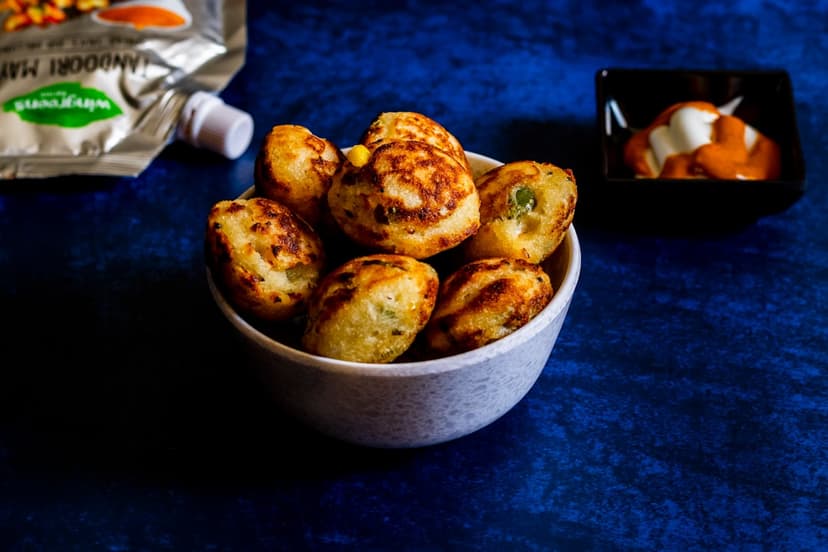
Mood and motivation can feel mysterious, especially when you “eat well” but still feel flat, wired, or craving snacks. This article follows Andrew Huberman’s framing that emotions are not just in the brain, they are brain and body states shaped by gut sensing, the vagus nerve, and nutrient building blocks for neuromodulators like dopamine and serotonin. You will learn why hidden sugar can drive cravings even without sweet taste, how protein versus carbs can shift alertness versus calm, why omega-3 balance matters for depressive symptoms, and why more probiotics is not always better.

Metabolism Foods for Women 40+, Protein-First Plan
If you are 40+ and feel like your metabolism “slowed down,” this approach argues it is less about eating less and more about fueling muscle and gut health intelligently. The core strategy is protein first (often 30 to 50 g per meal, at least 100 g per day), then non-starchy vegetables, then fruit and slow, whole-food carbs, plus healthy fats mostly from whole foods. It also emphasizes meal timing (stop grazing, space meals 3 to 5 hours apart, and finish dinner 2 to 4 hours before bed), hydration, and microbiome diversity (aim for 30+ plants per week).
Probiotics vs prebiotics: which helps gut health?
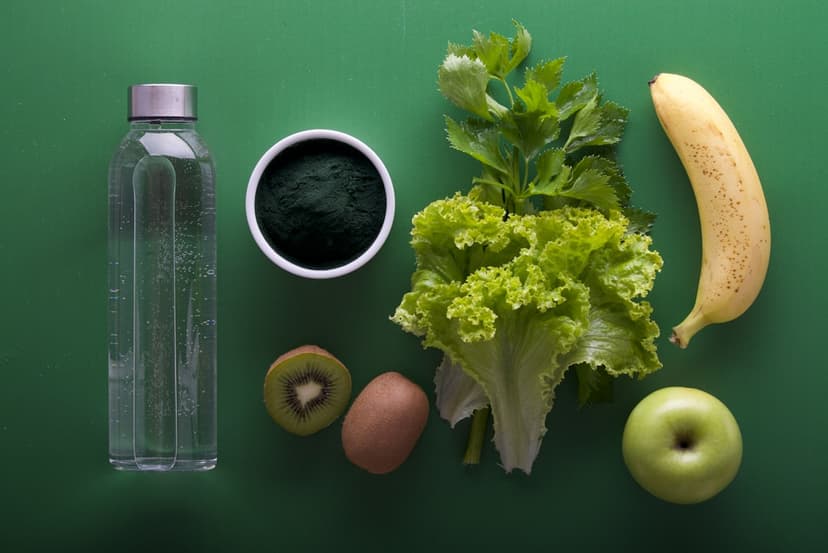
Probiotics are live microorganisms you take to add to your gut, while prebiotics are fibers and compounds that feed the beneficial microbes already there. For many people, prebiotic-rich foods are a gentle first step, and probiotics can be useful for specific situations, but the best choice depends on your symptoms, diet, and health history.

A Carrot, a Ferrari, and Gut Health on the Road
A raw carrot should be easy, but in this video it becomes a surprisingly hard challenge, and that awkward moment is the gut health lesson. The story follows a 50 states in 50 days charity trip, a “wheel of doom,” and a playful deal: eat a full raw carrot, then a big donation to St. Jude. Under the jokes is a real issue many people share, avoiding vegetables for years. This article uses the video’s unique perspective to explore what happens when you suddenly add crunchy fiber, why your body may feel “confused,” and how to build a veggie habit that supports digestion without going from zero to overwhelm.
Veggie Starters: A Simple Way to Tame Glucose Spikes
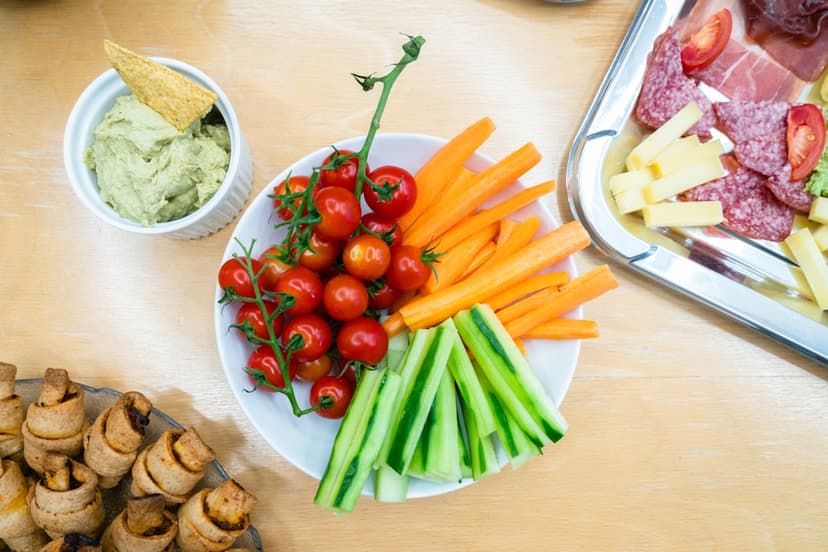
Eating a plate of non-starchy vegetables before the rest of a carb-heavy meal may help blunt glucose spikes, reduce insulin release, and keep you fuller longer. This “veggie starter” approach, popularized by biochemist Jessie Inchauspé (Glucose Goddess), leans on fiber’s ability to slow digestion and on gut hormones like GLP-1 that support satiety. It is intentionally simple: add vegetables first, then eat your usual meal. It can be done at home, at restaurants, and even paired with vinegar as a salad dressing. It is not a free pass for ultra-processed foods, but it can make everyday meals feel better.

Unlock Bigger Calves: A Unique Technique Explored
Calf muscles are notoriously difficult to grow, but recent insights reveal specific techniques that can make a significant difference. This article explores the benefits of standing calf raises with straight knees, the importance of deep stretching, and the impact of toe positioning. Supported by scientific studies, these approaches offer a nuanced perspective on enhancing calf muscle growth.