Unlock Bigger Calves: A Unique Technique Explored

Summary
Calf muscles are notoriously difficult to grow, but recent insights reveal specific techniques that can make a significant difference. This article explores the benefits of standing calf raises with straight knees, the importance of deep stretching, and the impact of toe positioning. Supported by scientific studies, these approaches offer a nuanced perspective on enhancing calf muscle growth.
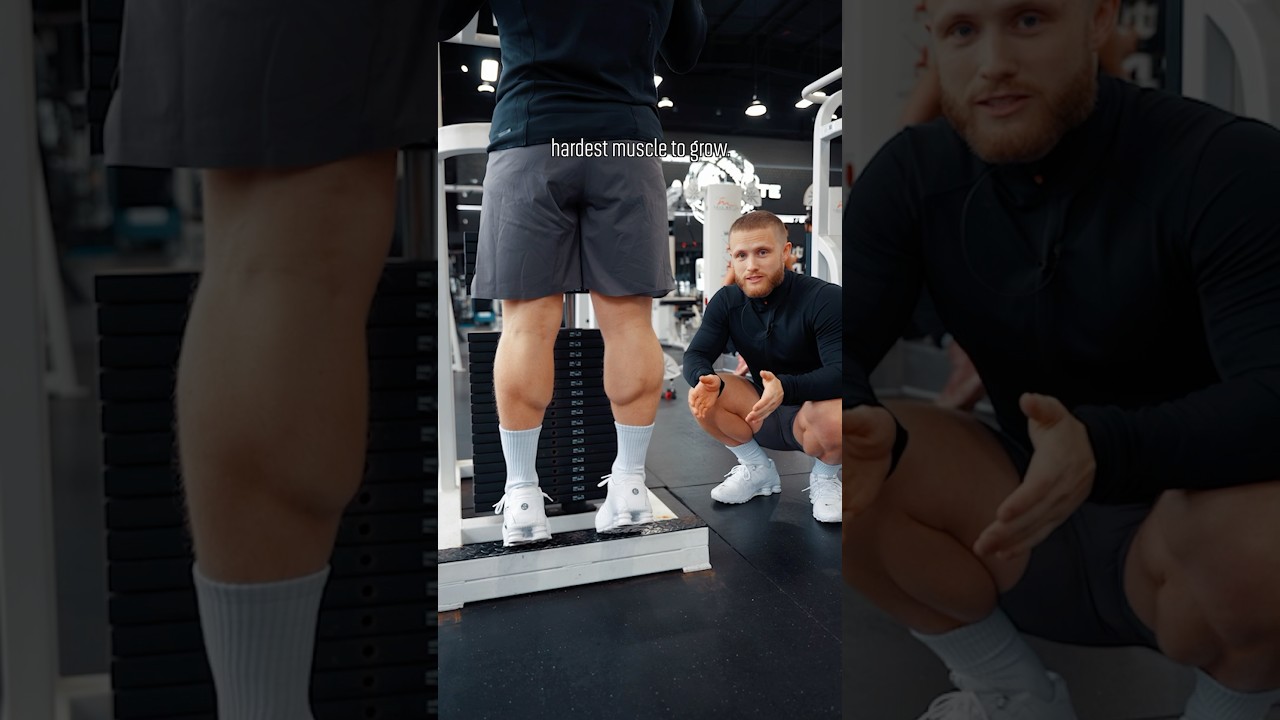
Introduction to Calf Muscle Growth Challenges
Growing calf muscles can be particularly challenging, a common frustration for many fitness enthusiasts. These muscles are inherently stubborn due to their structure and daily use. However, recent insights from experts suggest unique techniques that can significantly enhance their growth.
The Science Behind Standing Calf Raises
One of the key techniques highlighted in the video is the superiority of standing calf raises over seated ones. When performing standing calf raises, it is crucial to maintain straight knees. This positioning engages the gastrocnemius muscle more effectively. According to a study published in Frontiers in Physiology, standing calf raises lead to greater muscle hypertrophy compared to seated calf raises.
Did You Know? Keeping your knees straight during calf exercises maximizes muscle engagement.
Importance of Deep Stretching
Deep stretching is another essential component for calf growth. The video emphasizes the need to continue calf raises until you literally cannot move the weight anymore. This approach, known as working beyond failure, significantly enhances muscle stimulation. A study from PubMed supports this, indicating that partial range exercises beyond failure can lead to greater muscle growth.
Toe Positioning and Muscle Targeting
Toe positioning plays a surprisingly important role in targeting specific parts of the calf muscles. Pointing the toes straight ahead engages the entire calf evenly. However, pointing them outward targets the inner calves, while pointing them inward focuses on the outer calves. Alternating these positions can optimize overall muscle development. This nuanced approach is backed by research, as highlighted in a study on calf muscle hypertrophy.
Research Supporting These Techniques
The effectiveness of these techniques is not just anecdotal. Scientific research provides a solid foundation for these claims. Studies show that standing calf raises and deep stretching contribute significantly to muscle growth. These findings provide a scientific basis for the expert insights shared in the video.
Common Mistakes in Calf Exercises
Despite the clear benefits, common mistakes can hinder progress. Many individuals perform calf exercises with bent knees, reducing the effectiveness of the workout. Additionally, neglecting toe positioning can result in uneven muscle development. Awareness and correction of these mistakes can enhance results significantly.
Practical Tips for Implementing These Techniques
To effectively incorporate these techniques into your routine, start by focusing on form. Ensure your knees remain straight during standing calf raises. Incorporate deep stretching and work beyond failure to maximize muscle tension. Experiment with toe positioning to target different muscle areas, and consider alternating positions regularly for balanced growth.
Conclusion: Achieving Noticeable Calf Growth
Achieving noticeable growth in calf muscles requires a strategic approach. By utilizing standing calf raises with straight knees, prioritizing deep stretching, and varying toe positions, you can overcome the inherent challenges of calf muscle development. Supported by both expert insights and scientific research, these techniques offer a comprehensive strategy for enhancing calf growth. Remember to consult with a healthcare professional before making significant changes to your workout routine.
Pro Tip: Consistency and attention to form are key to maximizing the benefits of these techniques.
Sources & References
Frequently Asked Questions
- What makes standing calf raises more effective?
- Standing calf raises engage the gastrocnemius muscle more effectively due to the straight knee position, leading to greater muscle growth.
- Why is deep stretching important for calf growth?
- Deep stretching beyond failure increases muscle tension and stimulates greater growth, as supported by recent studies.
- How does toe positioning affect calf exercises?
- Toe positioning targets different parts of the calf muscles, with inward positions focusing on outer calves and outward positions on inner calves.
- What are common mistakes in calf exercises?
- Common mistakes include exercising with bent knees and neglecting toe positioning, which can lead to uneven muscle development.
- How can I incorporate these techniques into my routine?
- Focus on maintaining straight knees, deep stretching, and alternating toe positions to effectively implement these techniques.
Get Evidence-Based Health Tips
Join readers getting weekly insights on health, nutrition, and wellness. No spam, ever.
No spam. Unsubscribe anytime.