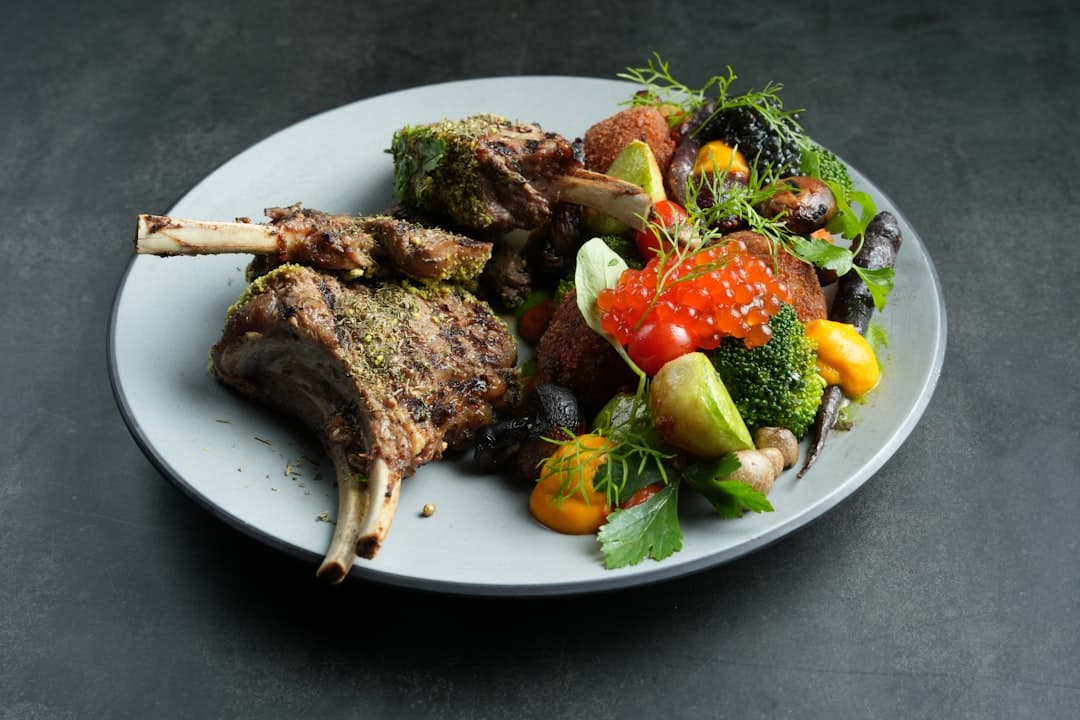
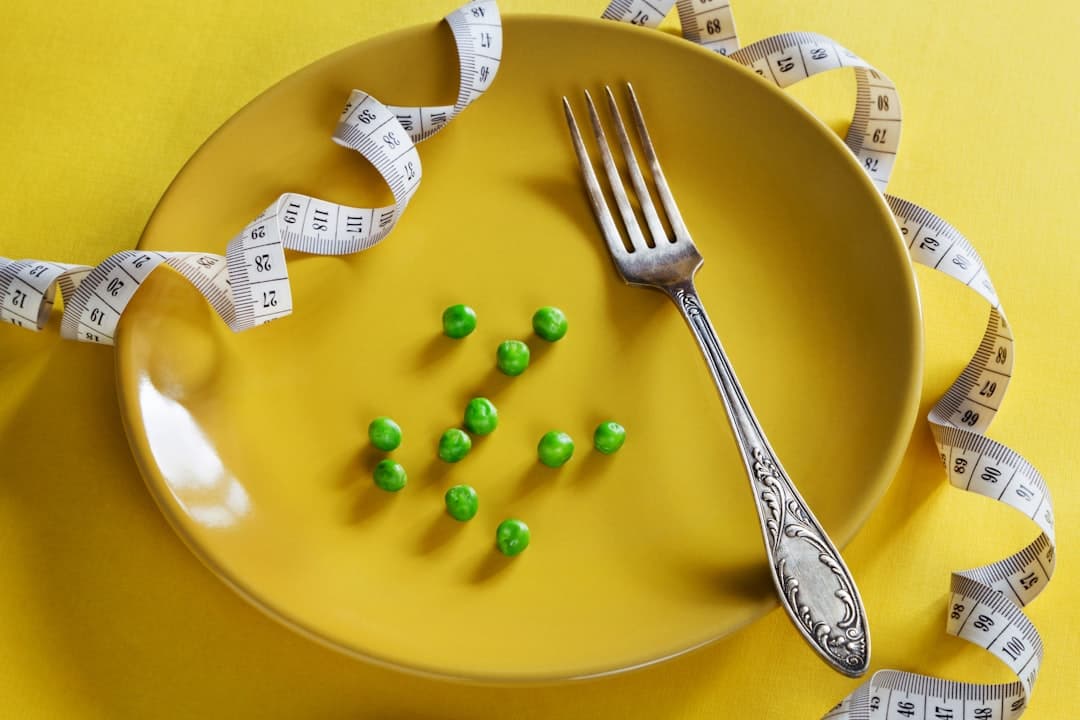
12 Dieting Mistakes That Quietly Stall Weight Loss
Summary
You start a diet feeling unstoppable, then cravings hit, the scale bounces, and suddenly you are “starting again Monday.” This article breaks down the video’s 12 most common dieting mistakes that can stall weight loss, plus one bonus mistake, eating too much fruit. The unique angle here is not just “eat less,” it is working with your biology: prioritize protein and dietary fat, stop chasing zero-calorie sweetness, protect sleep, manage stress, walk after meals, and consider gentle herbal supports. You will also get a simple, step-by-step reset plan you can start today.
🎯 Key Takeaways
- ✓Frontload the day with protein (eggs, meat, fish, kefir, full-fat Greek yogurt) to stay fuller and reduce cravings.
- ✓Low-fat dieting and “diet” sweet drinks can backfire by increasing hunger and sweet cravings for some people.
- ✓Scale weight fluctuates from water, digestion, and hormones, weekly weigh-ins are often less stressful and more useful.
- ✓A short walk after meals can reduce post-meal blood sugar spikes and may support long-term metabolic health.
- ✓Sleep, stress, and alcohol can quietly stall progress by affecting hunger, cravings, and recovery.
You pick a diet. You are motivated. You crush it for a few days.
Then a craving shows up out of nowhere, you “slip,” and the next thing you know you are promising yourself you will restart on Monday.
This video’s perspective is that the problem is often not willpower, it is a handful of predictable mistakes that make your body louder than your intentions. The theme running through all 12 points is simple: work with your physiology (blood sugar, hunger hormones, stress signals, and habits), instead of trying to outsmart it with low-calorie tricks.
The “Monday restart” problem, and why it keeps happening
Most diets fail in the same way. You create rules that feel doable on day one, then your hunger and cravings escalate, your energy dips, and the plan starts to feel fragile.
This framing emphasizes a common puzzle: “Why can I follow the diet for a few days, but not consistently?” The answer offered here is that several popular diet strategies, like low-fat eating, sweet-tasting zero-calorie drinks, and constant snacking, may unintentionally increase appetite and cravings.
One more piece that matters is psychology. When you tie your self-worth to the scale, daily fluctuations can trigger anxiety, and anxiety can trigger emotional eating. A calmer, more structured approach can protect consistency.
Did you know? A short bout of light activity after eating can meaningfully affect post-meal glucose. One review found that post-meal walking can reduce glucose spikes, especially when done soon after eating (Sports MedicineTrusted Source).
Food mistakes that trigger cravings (protein, fat, sweet drinks, and quality)
This section is where the video gets very practical, and a bit blunt. If your breakfast is mostly refined carbs, you might be setting yourself up for hunger before noon.
Mistake 1: Not eating enough protein (especially early)
Starting the day with toast, cereal, oatmeal, or pastries is described as a “recipe for disaster” in this approach. The concern is not that carbs are inherently bad, it is that a carb-heavy, low-protein start can lead to a blood sugar spike and crash, and that crash can feel like urgent hunger.
Instead, the suggestion is to frontload protein. Examples given include eggs, real meat, fish, kefir, or full-fat Greek yogurt. Protein tends to digest more slowly than many refined carbs, which can help you feel full longer.
Research also supports protein’s role in satiety and weight management. Higher-protein diets often improve fullness and can help preserve lean mass during weight loss (Harvard T.H. Chan School of Public Health, proteinTrusted Source).
Pro Tip: If mornings are hectic, keep it simple, Greek yogurt plus nuts, eggs cooked ahead of time, or leftover dinner protein can count as breakfast.
Mistake 2: Going low fat
This view holds that low-fat dieting may work briefly, then backfire. The video argues that without enough dietary fat, the body may struggle with hormone signaling related to hunger and stress, leading to rebound overeating.
Also, many “low-fat” packaged foods replace fat with sugar or starch. That swap can make cravings worse later.
A useful middle ground for many people is to focus less on “low fat” labels and more on food quality and satisfaction. Unsaturated fats from foods like olive oil, nuts, seeds, and fatty fish are widely associated with cardiometabolic benefits (American Heart Association, dietary fatsTrusted Source).
Mistake 3: Relying on zero-calorie sweet drinks
The speaker calls out zero-calorie sodas and energy drinks as a common trap. The logic is that sweet taste without calories can keep the brain expecting sugar, and that can amplify cravings.
The video also claims artificial sweeteners may still trigger insulin release in some situations. The research is mixed and can vary by sweetener, dose, and individual response, so it is not a universal rule. Still, if you notice diet drinks make you snackier, that pattern is worth taking seriously.
The suggested swap is simple: ditch the sweet drinks and use herbal teas like hibiscus, lemon balm, peppermint, or rooibos.
Mistake 4: Only focusing on calories
Yes, a calorie deficit matters for weight loss, but the video’s unique emphasis is that 100 calories is not always “the same” in your body. The claim is that 100 calories of sugar is more likely to drive insulin and fat storage than 100 calories of protein, and that ultra-processed “low calorie” foods (like rice cakes, popcorn, cereal) can spike cravings.
This is essentially a compliance argument: if a food makes you hungrier, it becomes harder to sustain your deficit.
A research-backed way to phrase this is that ultra-processed foods can make it easier to overeat. In a controlled trial, people ate more calories and gained weight when given an ultra-processed diet compared with an unprocessed diet, even when meals were matched for some nutrients (Cell MetabolismTrusted Source).
Hidden “diet sabotagers”, salt fear, sleep debt, and the scale drama
Some stalls have nothing to do with your meal plan on paper. They come from depletion, poor recovery, and constant feedback loops.
Mistake 5: Fearing salt
The video argues that during weight loss, your body can “dump” water and minerals, leaving you feeling low energy and craving-y. From this perspective, salt is not the enemy, it can be part of staying regulated.
The speaker suggests using high-quality sea salt on home-cooked meals, naming Celtic salt, Redmond, and Himalayan salt, and mentions trace minerals.
Important nuance: some people need to limit sodium, especially those with certain heart, kidney, or blood pressure conditions, or those advised by a clinician to follow a low-sodium diet. If you are unsure, it is reasonable to ask your healthcare professional what sodium range fits your health history. General guidance often recommends limiting sodium to support heart health (American Heart Association, sodiumTrusted Source).
Important: If you have high blood pressure, kidney disease, heart failure, or you are pregnant, do not significantly increase salt intake without medical guidance.
Mistake 6: Not prioritizing sleep
This perspective highlights sleep as a metabolic tool, not a luxury. The video claims you burn more calories while sleeping than while awake, and stresses that getting at least eight hours helps your cells handle glucose better the next day.
Even if the “more calories asleep” line is an oversimplification, the core idea is solid: short sleep is linked with increased hunger, higher calorie intake, and worse insulin sensitivity in many studies. Sleep loss can shift appetite hormones in ways that make cravings louder (National Heart, Lung, and Blood Institute, sleep deprivationTrusted Source).
Make sleep easier, not perfect. A consistent wake time, dimmer lights at night, and a wind-down routine often beat complicated hacks.
Mistake 7: Weighing yourself too often
The scale measures total body weight, not body fat. And body weight can swing daily due to water retention, digestion, and hormonal changes.
The key insight here is emotional, not mathematical. If the number goes up and you interpret it as failure, you are more likely to stress eat.
The video’s solution is simple: weigh once per week, at the same time, to reduce “scale drama.” If the scale is a trigger for you, other measures like waist circumference, how clothes fit, or progress photos can be less activating.
Q: Is weighing daily bad for weight loss?
A: It depends on your personality and stress response. Daily weigh-ins can provide useful data for some people, but for others it creates anxiety because normal water shifts look like “fat gain.” If the scale affects your mood or eating, weekly weigh-ins (same day, same conditions) are often a calmer option.
Jordan Lee, RD (Registered Dietitian)
After-meal behavior, alcohol, stress, and liquid calories
This part of the video is about what happens around your meals, not just what is on the plate.
Mistake 8: Sitting or lying down after eating
Sitting down right after a meal is framed as a blood sugar problem. The video claims research shows a 10-minute walk after eating can reduce blood sugar spikes by up to 22%.
The exact percentage can vary by study and population, but the direction is supported. Post-meal walking is consistently associated with better postprandial glucose control (Sports MedicineTrusted Source).
Try to keep it easy. This is not cardio punishment, it is a gentle “glucose cleanup” walk.
Mistake 9: Ignoring alcohol intake
Even if you choose lower-calorie spirits, the video argues alcohol can stall fat loss because the liver prioritizes metabolizing alcohol before burning body fat.
Alcohol can also disrupt sleep cycles, which may increase cravings the next day. If your progress stalls every time weekends include drinks, that pattern is useful information, not a character flaw.
If you drink, consider setting a clear boundary, like fewer drinking days per week, smaller servings, or alternating with water. If you have a history of alcohol use disorder, it is best to discuss changes with a clinician or support professional.
Mistake 10: Chronic stress (and too much intense cardio)
This is one of the video’s most distinctive points. High stress raises cortisol, and the speaker claims cortisol can convert muscle into sugar, which then contributes to fat storage, particularly around the belly.
The biology is complex, but the practical takeaway is strong: when stress is high, your appetite signals and cravings often get louder, and recovery gets worse. If your plan includes punishing workouts plus poor sleep plus a strict diet, it can become a perfect storm.
Instead of more intensity, the video recommends long steady walks in nature to calm the nervous system. It also suggests lemon balm tea and lavender essential oil inhalation as calming supports.
What the research shows: Stress and poor sleep are both linked with changes in appetite regulation and food choices. Improving sleep and stress management can support healthier eating patterns over time (NHLBI, sleep deprivationTrusted Source).
Mistake 11: Smoothies and juices
The argument here is blunt: your brain does not register liquid calories the same way as chewing solid food, especially if you drink it fast.
Juices are singled out because the fiber is stripped away, which can increase the speed of sugar absorption and spike blood sugar. Whole fruit generally behaves differently than juice because it retains fiber and requires chewing, which slows intake.
If you love smoothies, consider making them more “meal-like” by emphasizing protein and fiber, and drinking them slowly. For some people, though, switching to solid meals is the easiest lever.
A practical reset plan, 2 meals a day, smart fruit, and gentle herbs
The final part of the video challenges old diet advice and replaces it with a simple structure.
Mistake 12: Eating little and often
The video calls frequent small meals “old garbage advice” and argues that every time you eat you spike insulin, which blocks fat burning.
Insulin dynamics are nuanced and depend on your overall calorie intake, meal composition, and health status. Still, the practical message is that constant grazing can keep you in a cycle of always thinking about food.
The suggested alternative is a bit of fasting and two solid meals per day, built around nutritious whole proteins and leafy greens. If you have diabetes, a history of eating disorders, are pregnant, or take medications that affect blood sugar, fasting is something to discuss with a clinician before trying.
Bonus mistake: Eating too much fruit
This is a distinctive add-on. The video points out that eating a lot of grapes can leave you hungry soon after, and argues that fruit sugar (fructose) does not trigger certain satiety hormones like GLP-1.
Research on fruit is broader than this, whole fruit intake is generally associated with better health outcomes, but portion size and context still matter. If fruit becomes a stand-in for a balanced meal, it may not satisfy you.
The video’s practical rule: limit fruit to a small portion daily, and eat it after a protein-rich meal for better satisfaction.
How to do a 7-day “stall breaker” reset (video-aligned)
Build two solid meals around protein and greens. Aim for a clear protein anchor (eggs, fish, meat, kefir, full-fat Greek yogurt) plus leafy greens, and add dietary fat as needed for satisfaction. This structure is meant to reduce grazing and calm cravings.
Remove sweet-tasting zero-calorie drinks for one week. Replace them with water or herbal teas mentioned in the video, hibiscus, lemon balm, peppermint, or rooibos. Track whether cravings drop when the sweet taste cue disappears.
Take a 10-minute walk after your main meals. Keep it easy enough that you could hold a conversation. The goal is better post-meal glucose handling, not burning huge calories.
Set a sleep target and protect it like an appointment. The video’s target is eight hours. Choose a bedtime that makes that possible, then make the last 30 to 60 minutes lower stimulation (dim lights, no stressful tasks).
Weigh once weekly, not daily. Pick one day and one time, for example Friday morning after using the bathroom, and stick to it. If the scale triggers anxiety, use waist measurements or clothing fit instead.
»MORE: If your weight loss keeps stalling, consider keeping a 7-day “craving log” that tracks sleep, stress, alcohol, sweet drinks, and post-meal movement. Patterns often show up fast.
Bonus: Herbs and supplements mentioned
The video lists several options that may gently support cravings, stress, bloating, or glucose control, including gymnema, lemon balm, green tea extract, fenugreek, dandelion root, fennel seed tea, and berberine.
These can interact with medications and may not be appropriate for everyone. For example, berberine can affect blood sugar and may interact with diabetes medications, and some herbs are not recommended during pregnancy. If you want to try any of them, it is smart to run it by a pharmacist or clinician, especially if you take prescriptions.
Q: Are “fat-burning” herbs enough to overcome diet mistakes?
A: Herbs may offer small, supportive effects for some people, but they usually work best after the basics are in place, adequate protein, satisfying meals, sleep, and stress management. If you are using herbs to compensate for poor sleep, frequent alcohol, or a highly processed diet, results are often limited.
Jordan Lee, RD (Registered Dietitian)
Key Takeaways
Frequently Asked Questions
- What is the biggest dieting mistake that stalls weight loss?
- In the video’s framing, a common root mistake is building meals that do not satisfy, especially low-protein breakfasts that lead to a blood sugar spike and crash. Many people do better when they anchor meals with protein and add enough fat and fiber to stay full.
- Is a 10-minute walk after eating really worth it?
- Yes, it can be a high-impact habit because it may reduce post-meal blood sugar spikes and support insulin sensitivity. A review in Sports Medicine reports post-meal walking improves postprandial glucose control, especially when done soon after eating.
- Should I stop weighing myself every day?
- If daily weigh-ins increase anxiety or trigger emotional eating, weekly weigh-ins at the same time and under the same conditions can be more helpful. Daily weight changes often reflect water, digestion, and hormones, not true fat gain.
- Are smoothies and juices bad for weight loss?
- They are not automatically “bad,” but the video’s point is that liquid calories are easy to consume quickly and may not keep you full like chewing solid food. Juice is more likely to spike blood sugar because it lacks the fiber found in whole fruit.
- Is eating two meals a day safe for everyone?
- Not always. If you have diabetes, a history of eating disorders, are pregnant, or take medications that affect blood sugar, changing meal frequency or trying fasting is something to discuss with a clinician first.
Get Evidence-Based Health Tips
Join readers getting weekly insights on health, nutrition, and wellness. No spam, ever.
No spam. Unsubscribe anytime.