Nutrition & Diets
The Nutrition & Diets niche delves into the science and art of food consumption, exploring various dietary patterns and their impact on health. It covers topics such as macronutrient balance, popular diets like keto and Mediterranean, and how nutrition influences chronic conditions such as diabetes and heart disease. This subcategory also examines the role of vitamins, minerals, and dietary supplements in promoting wellness and preventing nutritional deficiencies.
Explore Topics
In-depth topics to explore in Nutrition & Diets.
Macros: Complete Guide
Macros, short for macronutrients, are the three main nutrient groups that provide calories: protein, carbohydrates, and fat. Tracking macros is a practical way to align what you eat with a goal like fat loss, muscle gain, or performance, while keeping food choices flexible. This guide covers how macro tracking works, how to set targets, common mistakes, risks, and what modern research supports.
Sodium: Complete Guide
Sodium is an essential mineral that helps control fluid balance, nerve signaling, and muscle contraction. Most people get far more sodium than they need, largely from processed and restaurant foods, which can raise blood pressure and cardiovascular risk. This guide explains how sodium works, how much you likely need, when extra sodium is helpful (like heavy sweating), and how to balance sodium with potassium and overall diet quality.
Artificial Sweeteners: Complete Guide
Artificial sweeteners are sugar substitutes that deliver sweetness with little to no calories. They can help reduce added sugar intake and support blood sugar goals, but effects vary by sweetener type, dose, and individual gut and appetite responses. This guide explains how they work, when they help, when to be cautious, and how to use them strategically.
Matcha: Complete Guide
Matcha is powdered green tea made from shade-grown leaves that are consumed whole, which can amplify both benefits and risks compared with brewed tea. This guide explains how matcha works, what the research actually supports, how to choose a safer high-quality product, and how to use it in a way that fits your goals and health profile.
Tracking: Complete Guide
Tracking is the process of recording diet and exercise to boost awareness and support healthy changes. Done well, it turns vague intentions into measurable feedback so you can adjust habits based on reality, not guesswork. This guide explains how tracking works, what to track, how to do it without obsession, and how to use data to make sustainable progress.
Iron: Complete Guide
Iron is a vital mineral that helps your blood carry oxygen, powers energy production, and supports immune and brain function. This guide explains how iron works, how to spot deficiency, how to eat and supplement safely, and when to test and treat under medical guidance.
Dark Chocolate: Complete Guide
Dark chocolate can be more than a treat: with a high cocoa percentage and relatively low sugar, it delivers flavanols and minerals that may support cardiovascular health, mood, and metabolic markers. But it is still calorie-dense and can carry risks such as heavy metal contamination, caffeine sensitivity, and added sugar in many products. This guide explains how dark chocolate works, what the research supports, how to choose and portion it, and who should be cautious.
Healthy Fats: Complete Guide
Healthy fats are dietary fats that support heart, brain, metabolic, and hormone health when chosen wisely and eaten in appropriate amounts. This guide explains the different types of fats, how they work in the body, the strongest evidence-backed benefits, common pitfalls, and practical ways to eat more of the fats that help and fewer of the fats that harm.
Metrics: Complete Guide
Metrics turn vague goals like “get healthier” into measurable signals you can act on. This guide explains how health metrics work, which ones matter most, how to track them safely, and how to avoid common mistakes like overtesting, misreading trends, or optimizing the wrong number.
Synthesis: Complete Guide
Synthesis is how new substances are made by combining raw materials, whether in a lab, a factory, or inside your own cells. This guide explains the major types of synthesis, how the underlying mechanisms work, where benefits come from, what can go wrong, and how to apply synthesis thinking to health, nutrition, and everyday decision-making.
Ultra-Processed: Complete Guide
Ultra-processed foods are industrial formulations that are far removed from their original ingredients, often engineered to be convenient, hyper-palatable, and long-lasting. They can fit into real life, but frequent reliance is linked with higher calorie intake and poorer cardiometabolic outcomes. This guide explains how ultra-processed foods work, when they may help, where risks show up, and how to shop and eat more strategically without falling for marketing.
Hunger: Complete Guide
Hunger is the body and brain’s drive to eat, shaped by biology, habits, emotions, sleep, and your food environment. Understanding how hunger signals form and how they get distorted can help you eat in a way that supports energy, performance, and metabolic health without relying on willpower alone.
Seeds: Complete Guide
Seeds are nutrient-dense plant foods that provide fiber, healthy fats, minerals, and unique compounds that can support heart health, gut function, and metabolic stability. This guide explains how seeds work in the body, which seeds offer which benefits, how to use them day to day, and where to be cautious.
Processed Food: Complete Guide
Processed food ranges from minimally processed staples like frozen vegetables to ultra-processed products engineered for convenience and hyper-palatability. This guide explains how processing changes nutrition and biology, what benefits processing can offer, where the biggest health risks appear, and how to make practical, sustainable swaps without chasing perfection.
Micronized: Complete Guide
Micronized refers to reducing a material’s particle size to improve how it mixes, feels, and sometimes how it performs in the body. In supplements, “micronized” often aims to improve dispersion in liquids, reduce grittiness, and potentially enhance consistency and tolerability. This guide explains how micronization works, when it matters, what benefits are realistic, and what to watch for on labels, especially with popular powders like creatine.
Trends: Complete Guide
Trends are patterns in your health measurements over time that reveal whether you are improving, declining, or staying stable. Unlike one-off readings, trends help you separate normal day-to-day noise from meaningful change, so you can make smarter decisions about lifestyle, prevention, and care. This guide explains how trends work, what to track, how to interpret results, and how to avoid common mistakes.
Minerals: Complete Guide
Minerals are essential inorganic nutrients that power everything from fluid balance and nerve signaling to thyroid function, bone structure, and energy metabolism. This guide explains how minerals work in the body, how to get them from food, when supplements help, and where people commonly run into problems like deficiencies, excess intake, and mineral interactions.
Added Sugar: Complete Guide
Added sugar is one of the most common (and most misunderstood) ingredients in modern food. This guide explains what added sugar is, how it affects your body, where it hides on labels, practical intake limits, and how to reduce it without feeling deprived.
Vegetable Oils: Complete Guide
Vegetable oils are plant-derived fats widely used for cooking, baking, and processed foods. They can improve blood lipids when they replace saturated fats, but health effects depend heavily on the oil type, processing, cooking method, and overall diet pattern. This guide explains how vegetable oils work, when they help, where they can backfire, and how to choose and use them well.
Carbs: Complete Guide
Carbs, short for carbohydrates, are your body’s most efficient source of quick energy for training and daily life. This guide explains how carbs work, when they help most, how to choose better sources, and how to use them strategically for performance, fat loss, and metabolic health.
Fructose: Complete Guide
Fructose is a naturally occurring sugar found in fruit, honey, and many sweeteners, and it is handled differently than glucose because the liver does most of the processing. That unique metabolism can be helpful in specific contexts, but in high, frequent doses, especially from sugary drinks and ultra-processed foods, it can contribute to fatty liver, high triglycerides, and insulin resistance in susceptible people.
pH: Complete Guide
pH is a simple number that describes how acidic or alkaline something is, but it influences complex real-world outcomes, from digestion and tooth enamel to soil fertility and water safety. This guide explains how pH works, why it matters, how to measure and adjust it safely, and what science actually supports versus common myths.
Satiety: Complete Guide
Satiety is the feeling of fullness after eating that helps determine when you stop eating and how soon you get hungry again. Understanding how satiety works can make weight management, blood sugar control, and food choices feel easier because it targets appetite biology, not just willpower.
Carbohydrates: Complete Guide
Carbohydrates are the body’s most flexible, performance-ready fuel, especially for training, high-output work, and many daily brain and nervous system demands. This guide explains how carbs work in the body, how to choose the right types and amounts, and how to use them strategically for energy, body composition, and metabolic health.
Nutrition: Complete Guide
Nutrition is the daily input that shapes energy, metabolism, hormones, brain function, and long-term disease risk. This guide explains how nutrition works in the body, what to prioritize for real-world health outcomes, how to implement a sustainable approach, and where the evidence is strong versus still evolving.
BIA: Complete Guide
Bioelectrical Impedance Analysis (BIA) is a fast, noninvasive way to estimate body composition, including body fat, lean mass, and total body water. It can be extremely useful for tracking trends, but results are sensitive to hydration, food intake, exercise, and device quality. This guide covers how BIA works, who it helps most, how to use it correctly, and how it compares with alternatives like DEXA.
Protein: Complete Guide
Protein is an essential nutrient your body uses to build and repair tissue, maintain muscle, and produce enzymes, hormones, and immune molecules. This guide explains how protein works, how much you may need for different goals, the best sources, common mistakes, and what today’s research says about safety and long-term health.
Processed Foods: Complete Guide
Processed foods range from minimally processed staples like frozen vegetables to ultra-processed packaged snacks and fast food. This guide explains what processing is, how different types affect appetite, metabolism, inflammation, heart and kidney health, and how to make practical, realistic choices without aiming for perfection.
Normal: Complete Guide
“Normal” is often treated like a verdict, but in health it usually means a statistical reference range, not a guarantee of optimal function. This guide explains how “normal” is defined, why it can mislead, how to use normal ranges alongside symptoms and goals, and how to apply the concept to nutrition, labs, and everyday decisions.
Oxidation: Complete Guide
Oxidation is a normal chemical process that helps your body make energy, fight infections, and signal between cells. The problem starts when oxidation runs too high or too long, creating oxidative stress that can drive inflammation and damage lipids, proteins, and DNA. This guide explains how oxidation works, when it helps, when it harms, and what you can do to keep it in a healthy range.
Calorie: Complete Guide
Calories are units of energy that connect what you eat and drink to how your body fuels movement, organ function, and storage. This guide explains how calories work in human metabolism, when calorie counting helps or backfires, and how to apply calories practically for fat loss, muscle gain, and metabolic health.
Absorption: Complete Guide
Absorption is the process of substances crossing body barriers into the bloodstream, determining how much of what you eat, drink, or take as a supplement actually reaches your tissues. This guide explains how absorption works across the gut, lungs, skin, and other interfaces, what improves or impairs it, and how to apply practical strategies safely for better nutrient status and health outcomes.
Appetite: Complete Guide
Appetite is your brain and body’s drive to eat, shaped by biology, environment, habits, and health. Understanding how appetite works makes it easier to manage hunger, cravings, and fullness without extreme rules. This guide covers the science, benefits, risks, and practical strategies to support a healthier appetite in real life.
Fermented: Complete Guide
Fermented foods are made when microbes transform sugars and other compounds into acids, gases, or alcohol, changing flavor, texture, and sometimes health effects. This guide explains how fermentation works, what benefits are most supported by evidence, who should be cautious, and how to use fermented foods strategically for gut and metabolic health.
Purpose: Complete Guide
Purpose is the “why” behind health information: to educate, sell, persuade, entertain, or provoke. Understanding purpose helps you judge how likely a claim is to be balanced, evidence-based, and safe to act on. This guide explains how purpose shapes what you see online, how to spot hidden agendas, and how to use purpose as a practical trust filter.
Fat: Complete Guide
Fat is an essential macronutrient that powers your body, builds hormones and cell membranes, and helps you absorb key vitamins. This guide explains how different fats work, how much you likely need, the best food sources, common mistakes, and what modern research says about fat, heart health, and body composition.
SNAP: Complete Guide
SNAP, the Supplemental Nutrition Assistance Program, helps millions of low-income people afford groceries each month. This guide explains how SNAP works, who qualifies, how benefits are calculated and used, what you can buy, common pitfalls, and what research shows about SNAP’s impact on food security and health.
Antioxidant: Complete Guide
Antioxidants are substances that help protect your cells from damage caused by free radicals, which are produced during normal metabolism and increased by stressors like pollution, smoking, and poor sleep. This guide explains how antioxidants work, what benefits are well supported, where hype outpaces evidence, and how to get them safely from food and, when appropriate, supplements.
Processed Meats: Complete Guide
Processed meats are convenient, flavorful, and widely eaten, but they come with well-documented trade-offs, especially around sodium, preservatives, and long-term cardiometabolic risk. This guide explains what counts as processed meat, how processing changes the biology of meat in your body, who should be most cautious, and how to make practical, safer choices without needing perfection.
Calories: Complete Guide
Calories are the unit of energy that powers every function in your body, from breathing to lifting weights. Understanding how calories work helps you manage weight, improve performance, and support long-term metabolic health without falling for common diet myths.
Ultra-Processed Foods: Complete Guide
Ultra-processed foods are industrial formulations designed for convenience, shelf life, and hyper-palatable taste, often made with refined ingredients and additives you would not use in home cooking. They can be useful in specific situations, but higher intake is consistently linked with poorer diet quality and worse long-term health outcomes. This guide explains what ultra-processed foods are, how they affect the body, how to identify them, and how to reduce them without perfectionism.
Raw Milk: Complete Guide
Raw milk is unpasteurized milk that some people choose for its “natural” profile, taste, and interest in enzymes, microbes, and potential allergy-related effects. But it also carries a substantially higher foodborne-illness risk than pasteurized milk, with the biggest stakes for children, pregnancy, older adults, and anyone immunocompromised. This guide covers how raw milk differs from pasteurized milk, what benefits are plausible, what risks are well-established, and how to make the safest choice possible if you still decide to use it.
Trans Fat: Complete Guide
Trans fat is a type of unsaturated fat that can significantly raise cardiovascular risk, even at low intakes. While naturally occurring trans fats exist in small amounts in ruminant foods, the major health concern is industrially produced trans fat from partially hydrogenated oils and certain high-heat processing. This guide explains how trans fat works in the body, where it’s found, how to avoid it in real life, and what the science and regulations say today.
Fiber: Complete Guide
Fiber is a plant-based dietary component that supports fullness, digestion, and a healthier gut ecosystem. But “more” is not always better: the type of fiber, your gut tolerance, hydration, and medications all affect outcomes. This guide explains how fiber works, what research supports, how to hit practical targets with real foods, and when to be cautious.
Nutrient: Complete Guide
Nutrients are the essential substances in food that your body uses to produce energy, build and repair tissues, and regulate everything from blood pressure to immunity. This guide explains how nutrients work, what happens when you get too little or too much, how to meet your needs with food first, and when supplements or medical guidance may be appropriate.
All Articles
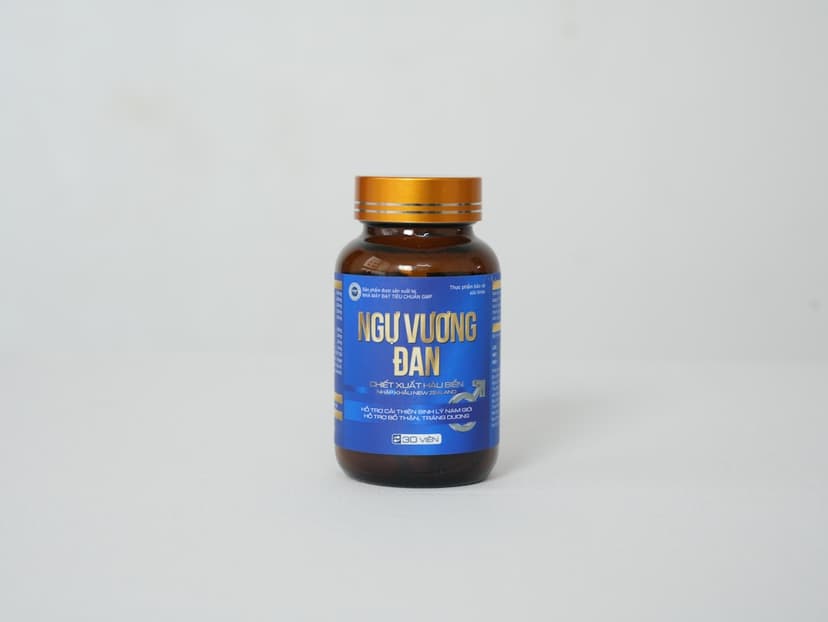
12 Strange Signs You May Need More Vitamin B12
Wondering if low vitamin B12 could be behind odd symptoms like icy feet, nail ridges, tingling, or feeling breathless mid sentence? This article unpacks a video’s unique list of 12 “strange” signs and the biology behind them, especially B12’s role in red blood cells and nerve protection. You’ll also learn why standard serum B12 tests can miss issues, why an MMA test may be more informative, and which everyday factors (low stomach acid, certain meds, alcohol, plant-based diets, aging) may raise risk. Finally, it covers practical ways to improve intake and absorption, with safety minded next steps.
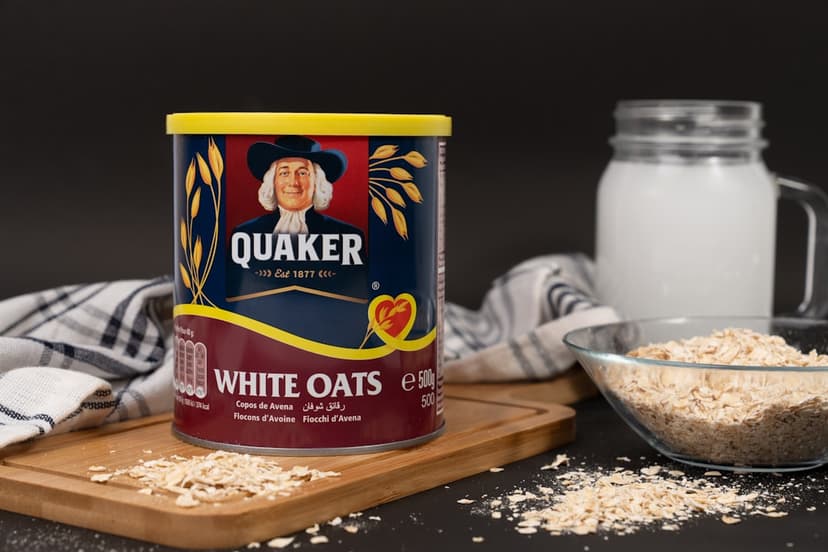
The Truth About Oats, Processing, Sugar Spikes
Most people argue about oats as if they are one single food, either “healthy” or “unhealthy.” The perspective in this episode is different: the health impact of oats depends heavily on processing and on what you eat them with. Using continuous glucose monitors, the host and Prof. Sarah Berry test finely ground instant oats versus less processed oats, and show how blood sugar responses can vary widely between people and meals. The discussion also explores why oats can still support heart health through beta glucan fiber, and how to think about glyphosate concerns without panic.

Keep Asking Why: Women’s Voices in Nutrition Science
When you feel dismissed in a doctor’s office, a classroom, or even your own kitchen, it can be tempting to stop asking questions. This article follows a scientist’s simple message to her younger self, keep pushing, keep asking why, and keep fighting for equality, especially when doors shut. We explore how that mindset connects to nutrition and wellbeing, why women’s voices have historically been underrepresented in research, and how to build support so you are not carrying it alone. You will also find practical, low-pressure steps for advocating for yourself and others.
12 “Healthy” Foods With Hidden Sugar Traps
Many foods marketed as “healthy” can still behave like sugar once you eat them, even when the label says “no added sugar.” This investigative walkthrough follows Ryan, a UK nutritionist, through 12 common traps, including gluten-free wraps, keto-style protein bars, fruity yogurts, oat milk, sauces, soups, granola, and juice blends. The theme is not just grams of sugar, but how fast certain starches and sweeteners can turn into glucose and trigger a blood-sugar roller coaster. You will also find practical label-reading tips and realistic swaps that keep meals satisfying.

Castor Oil for Face and Hair: How to Use It Well
Is castor oil really “nature’s Botox”, or is it just a heavy moisturizer with good marketing? This article unpacks the video’s practical, quality-first approach: choose cold-pressed, organic, hexane-free castor oil, use only a few drops, and stay consistent for at least 6 weeks. You will learn why the oil’s unique fatty acid may help skin look plumper, how to use it around eyes without irritating them, when Jamaican black castor oil makes more sense for the scalp, and which popular claims (like cysts or “liver detox”) are not supported by evidence.

Best and Worst Lunches for Energy and Focus
In the video, the expert walks through a familiar moment, standing at Whole Foods while traveling and trying to pick a lunch that will not sabotage the afternoon. The core idea is simple: lunch strongly shapes energy, focus, cravings, and the odds of reaching for sweets, alcohol, or extra caffeine later. From this perspective, refined-bread sandwiches and low-protein salads are common traps, especially for desk-job days. A more reliable approach is a higher-protein, adequately sized lunch, often built around meat or fish plus salty, fermented, or fatty sides (like olives, sauerkraut, or kimchi) for steadier satiety.

How to Bulk Like a Pro, Science-Based and Realistic
A “proper bulk” is not a dirty bulk, and it is not endless main gaining either. The approach here is a lean bulk built around a small calorie surplus, slow monthly weight gain, enough protein, moderate fat intake, hard training, and some cardio. The unique angle is practical and measured: gain at a controlled rate (often 0.5% to 1% of body weight per month for experienced lifters), adjust calories based on scale trends, and use food flexibility once your totals are set. You will likely gain some fat, but the goal is to maximize muscle gained per pound of weight gained.

Lectins, leaky gut, and smoking, sorting the claims
Is it possible that “healthy” foods like beans and tomatoes are secretly harming your gut, and that smoking could be beneficial if your diet is right? This article unpacks a pointed podcast debate between Dr. Steven Gundry, a cardiothoracic surgeon known for lectin-focused claims, and clinicians pushing for evidence-based nutrition. You will learn what lectins are, what “leaky gut” means in plain language, why mechanistic theories can mislead, and how to make everyday food choices without fear. We also address the nicotine and vitamin C arguments, and why major guidelines still prioritize smoking cessation and ApoB lowering.
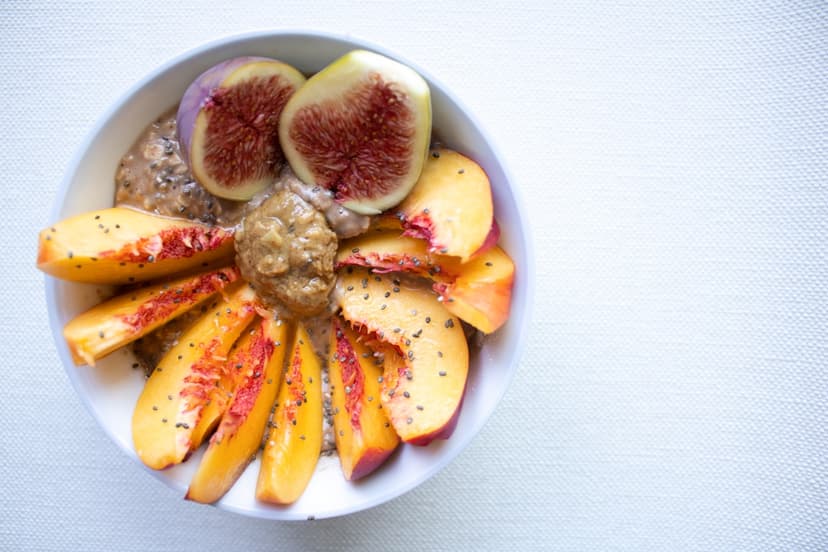
How to Eat in 2025: 7 Tips From Spector and Berry
This 2025 nutrition reset, shaped by Prof. Tim Spector and Prof. Sarah Berry, focuses less on perfect dieting and more on changing the food environment around you. The core ideas are to cut ultra-processed foods, shrink your eating window (often to about 10 hours), stop chasing calories and instead support appetite signals, be mindful with drinks, prioritize plant diversity (aiming for 30 plants per week), stop stressing about protein, and snack smarter. The unique ZOE lens is that your gut microbiome responds quickly, sometimes within weeks, and those changes may influence energy, mood, and cravings.

Matcha Tea Benefits, How to Choose, and Best Uses
Matcha is not just “green tea,” it is the whole leaf in powdered form, which changes the trade-offs. This video’s approach centers on one daily cup made with ceremonial grade matcha, whisked into hot (not boiling) water, aiming for calm focus, metabolic support, and antioxidant intake. It also emphasizes quality control, shade-grown leaves, bright green color, and third-party testing for heavy metals and pesticides. Below, we unpack the 10 benefits discussed, where evidence is promising vs. overstated, and practical ways to use matcha without accidentally canceling out its potential upsides.

How to Read Ingredients Lists Like a Glucose Pro
Most “healthy” packaging claims are noise. The practical method in this video is to flip the package, scan the ingredients in order by weight, and treat any product with sugar in the first five ingredients as dessert. Then ignore calories and compare foods using a simple carb-to-fiber target: aim for at least 1 gram of fiber for every 5 grams of total carbs, plus more protein when possible. This approach helps you spot hidden sugars (including fruit juice concentrates) and avoid being misled by labels like gluten-free, vegan, and organic.

Psych Med Black Box Warnings and Violence Risk
It is frustrating when mass shooting discussions turn into a single-cause argument and skip the uncomfortable questions. This video’s unique angle is a journey of “what changed?” in American behavior, even though guns have been common since 1776. The clip argues that mass shootings should be treated as a health crisis and that psychiatric drugs, especially those with FDA black box warnings for suicidal thinking, deserve serious study for possible links to suicidal or homicidal ideation. The speaker adds a second layer, nutrition, pointing to research on omega-3 status in incarcerated people and the role of food deserts in violence. The takeaway is not a simple answer, but a practical research agenda.

Indian Potbellies: Bloating, SIBO, and Starches
Why do some Indian men seem to have potbellies even without high meat intake? This video’s core idea is that a common vegetarian pattern paired with lots of refined sugars and starches can feed gut microbes, leading to excess fermentation, gas, and a bloated, protruded abdomen. The speaker links this pattern to *SIBO* (small intestinal bacterial overgrowth) and argues that the most effective fix is reducing refined starches and sugars, specifically ingredients like wheat flour, tapioca flour, modified food starch, modified cornstarch, maltodextrin, rice flour, and potato flour. This article unpacks that mechanism, trade-offs, and practical next steps.

10 staple foods for metabolic health, per Dr. Ekberg
Many people look fine on the outside while their lab work tells another story, rising blood sugar, A1C, insulin, and triglycerides. This article unpacks the video’s core idea: you can often shift your health trajectory by building meals around 10 unprocessed, low carb staple foods and crowding out ultra-processed foods, sugar, starch, and industrial seed oils. You will learn why each staple is included, what it may support (inflammation, gut barrier, metabolic flexibility, vascular function), and how to combine them into a simple plan you can discuss with your clinician.

Dr. Mark Hyman’s Systems Plan for Vitality
This article captures Dr. Mark Hyman’s core message from his Huberman Lab conversation, health improves fastest when you stop chasing isolated diagnoses and start fixing the underlying systems that create them. His functional medicine lens focuses on root causes like diet quality, gut dysfunction, toxins, infections, allergens, and stress, plus the “ingredients of health” like real food, sleep, movement, and targeted nutrients. You will learn how this network view connects symptoms that seem unrelated, why inflammation and metabolic dysfunction show up everywhere, and how to build a stepwise plan you can discuss with your clinician.
Are Vegan Meat Alternatives Healthier Than Meat?
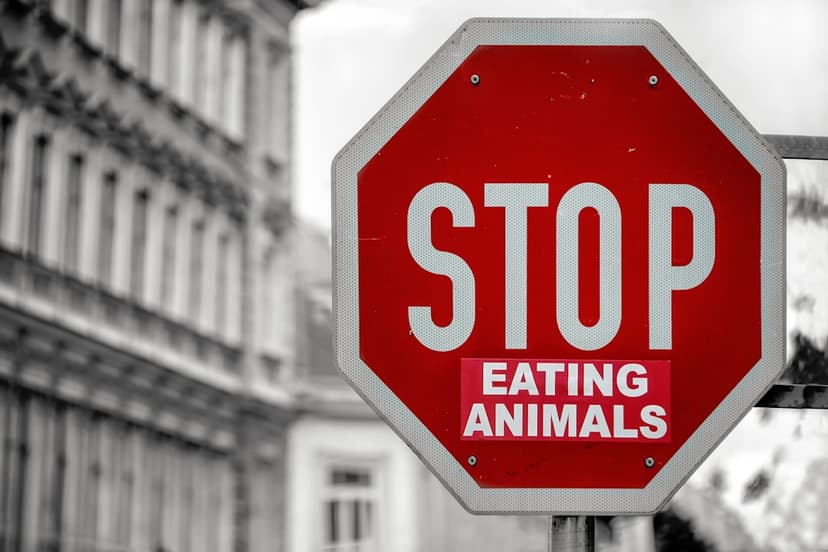
It is frustrating to hear that ultra-processed foods are “always bad”, except when they are vegan. This article unpacks a video critique of an opinion piece arguing that ultra-processed plant-based meats may be better than conventional meat. The video’s unique lens focuses on nutrient accessibility (bioavailability), traditional processing methods like nixtamalization and sourdough fermentation, muscle protein synthesis differences between beef and plant-based patties, and the limits of focusing only on LDL cholesterol. You will also find practical ways to compare products, reduce risk, and make choices that fit your health goals.

Life at 600+ Pounds: Pain, Cravings, and Change
Most people assume extreme obesity is only about willpower. This video’s perspective is different: it frames 600+ pounds as a whole-body physiology problem where pain, breathlessness, skin infections, cravings, and daily logistics all reinforce each other. It highlights why weight loss can reduce joint symptoms, why hygiene becomes medically important, how ultra-processed foods can worsen hunger signals, and why abrupt 1,200-calorie plans can backfire. It also contrasts bariatric surgery’s early appetite changes with the need for therapy and long-term behavior support, and it explains why newer GLP-1 medications can be so impactful by reducing cravings and slowing gastric emptying.

Best No-Carb, No-Sugar Snacks for Real Life
In “The BEST Snacks With No Carbs & No Sugar,” No Carbs frames ultra low carb snacking as a practical tool for staying full, avoiding blood sugar crashes, and keeping variety on a restrictive plan. The core idea is simple: staying under about 50 g of carbs per day may shift the body toward using fat and ketones for fuel, which some people find reduces between-meal hunger. This article walks through the video’s 12 snack ideas and zero-carb drink swaps, plus the real-world trade-offs to consider, like hidden sugars in jerky, portion creep with “fat bombs,” and when to check with a clinician.

Meat, Tools, and the Human Brain, Schindler View
Dr. Bill Schindler, an experimental archaeologist and traditional food educator, frames human nutrition as a story of tools. Unlike most animals, humans are not biologically optimized to eat many raw foods safely. Instead, we externalize digestion through processing, including butchery, cooking, fermentation, and other techniques. In this view, early stone tools enabled access to animal foods, especially organs, fat, and blood, supporting major increases in body and brain size. He also challenges popular blue zone narratives by describing on-the-ground experiences in Sardinia where animal foods were daily staples and vegetables were present but not central.

Celtic Salt Water in the Morning, Benefits and Cautions
This video’s core idea is simple: mix 1/4 teaspoon of Celtic sea salt into a bottle of water, keep it by your bed, and drink it right after waking. The unique perspective is that this small, salty “morning rehydration” is framed as a fast way to restore fluids and electrolytes after sleep, supporting energy, calmer mornings, digestion, and even oral hygiene. The speaker also argues Celtic salt differs from refined table salt because it retains trace minerals, and he emphasizes balance, especially for people with blood pressure or heart concerns.

A Doctor’s Take on David Dobrik’s Weight Loss
David Dobrik’s transformation is entertaining, but the most useful parts are the health lessons hiding underneath the before and after photos. This doctor’s reaction focuses less on chasing a perfect body fat number and more on sustainable habits, realistic expectations, and long-term risk. Key themes include why excess weight matters for future health, why exercise alone often fails without diet structure, how high protein intake can help preserve muscle during weight loss, and why frequent DEXA scans can be more “wow moment” than medical necessity. The journey also highlights how travel, fast food, soda, and alcohol can quietly erase progress.
Best No-Sugar, Low-Carb Snacks Under 3g Net Carbs
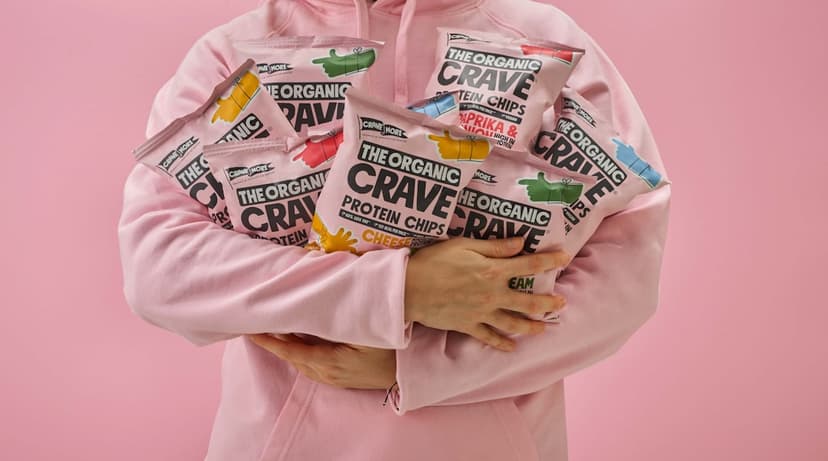
The video’s core claim is bold and specific: truly low-carb snacks should do more than “fit macros”, they should help you stay in fat-burning mode by supporting steadier blood sugar and fewer cravings. Instead of supermarket “low carb” products that may hide starches, seed oils, or sweeteners, the speaker shares 12 practical snacks, each under 3 g net carbs per serving, plus simple recipes. This article walks through those picks, highlights the mechanisms the video emphasizes (protein, fats, fiber, and mineral support), and adds research-backed context for label reading, sweeteners, and gut comfort.

A Science-Based Fridge Setup for Fat Loss Cutting
Cutting for fat loss often fails because the environment makes overeating easy. This video’s unique angle is simple and practical: stock the fridge like a science-based lifter so high-protein meals are automatic, low-calorie volume foods are always available, and cravings have a low-impact outlet. The core staples are egg whites and turkey bacon for breakfast, ground turkey with rice, chicken breasts, and ready-to-drink protein shakes. Carbs center on berries and kiwis, plus nightly big salads with low-calorie dressing. For cravings, zero sugar Jell-O and diet soda are used strategically. Fats come from goat cheese and sunflower seeds.

FDA’s New “Healthy” Label, What Changed and Why
The FDA finalized a new definition for the “healthy” claim in December 2024, after the prior standard largely dated back to the 1990s. The video’s core argument is that the delay mattered, because the old rules allowed foods like sugary cereals, snack bars, and sweetened yogurts to look “healthy” on the front of the package. The discussion also questions long-running nutrition narratives, especially the continued focus on saturated fat and the preference for vegetable oils over butter. The practical takeaway is to treat “healthy” as one data point, prioritize minimally processed foods, and read the Nutrition Facts and ingredient list for added sugars and refined carbohydrates.

Ultimate Bodybuilding Day: What Matters Most
A $10,000 “ultimate bodybuilding day” sounds like a shortcut, but the video’s twist is that money mainly buys convenience, not muscle. The day includes a Michelin-trained chef making high-protein Japanese oyakodon and a macro-friendly seafood risotto, a back session tuned by hypertrophy coach Joe Bennett (deadlift form, cable rows, brutal spinal erector intensity work), then a sensory deprivation float and deep tissue massage. The investigative question is what actually moves the needle. Research generally supports the basics: progressive resistance training, adequate protein, and enough total calories, plus sleep and stress management. The luxury add-ons can help consistency, but they do not replace the fundamentals.
Healthy Junk Food, GLP-1s, and the New Snack Boom
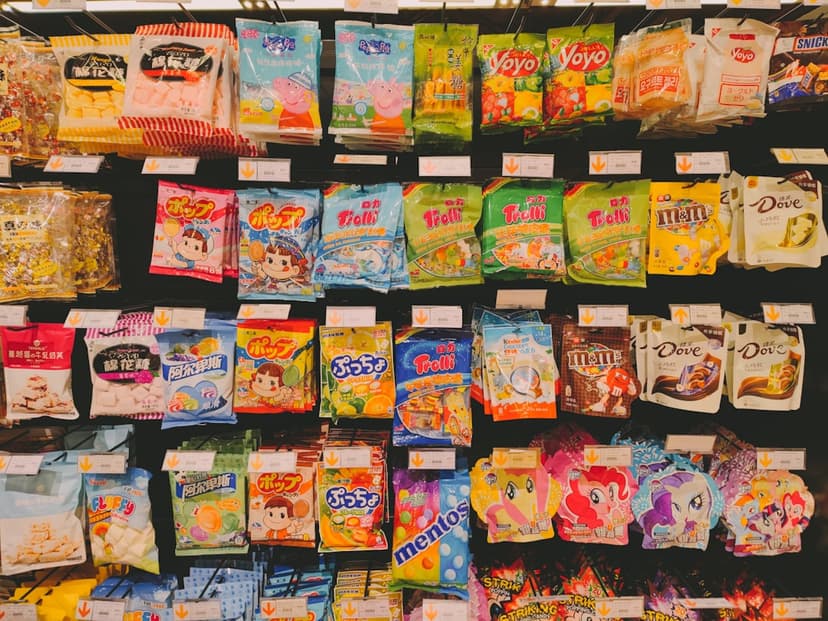
Trying to lose weight can feel like you have to give up “fun” foods forever. In this video, Dr argues something unexpected: widespread weight loss could actually benefit food companies, not just by selling less junk food, but by selling a new kind of snack, high-protein, “healthy junk food.” The idea is that newer weight loss medications can make people feel full sooner, so they may still want chips or sweets, but in smaller amounts, and with more focus on protein and overall nutrition. This article explores that viewpoint, the appetite mechanisms behind it, and how to shop for these products without getting misled by marketing.
10 Best Foods to Eat After 50 for Healthy Aging
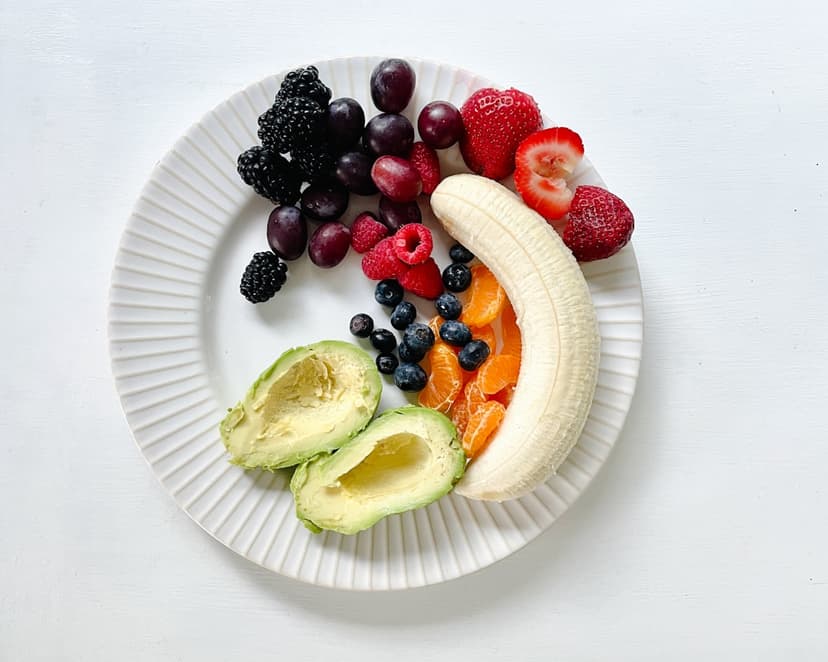
After 50, the video’s core message is simple, your body becomes less forgiving. Muscle, collagen, and metabolic flexibility tend to decline, while insulin resistance, inflammation, and oxidative stress quietly rise. This article follows the video’s exact “top 10” list, fatty fish, avocados, cruciferous vegetables, pastured eggs, bone broth, berries, nuts and seeds (with a Brazil nut caution), dark chocolate (85% and up), fermented vegetables, and grass-fed liver. You’ll also get the video’s unique glycemic index thresholds for aging, plus practical ways to use these foods without overdoing sugar, selenium, or vitamin A.
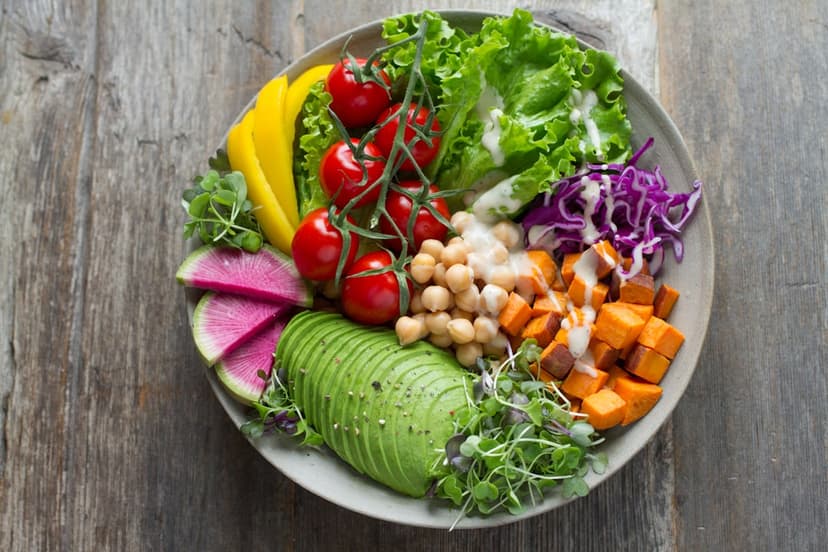
Butter vs Plant Oils, What That JAMA Study Missed
If you saw headlines claiming butter is “deadly,” you were not alone. This article unpacks a recent JAMA analysis that linked higher butter intake with higher mortality and higher plant oil intake with lower mortality. The key puzzle is whether the study measured butter, or measured a whole lifestyle pattern. In the video, the expert highlights major baseline differences between groups, especially smoking and exercise, plus the limits of food frequency questionnaires. You will also learn what substitution studies can and cannot tell you, and how to make practical, balanced fat choices without turning nutrition into a fear campaign.

Why Biggest Loser-Style Weight Loss Backfires
Most people think the problem with The Biggest Loser was just “mean trainers” or TV drama. This video’s take is sharper: the whole incentive structure, lose the most weight fastest to win money, pushes unsafe exercise, starvation-style dieting, and a toxic relationship with the scale. The discussion also highlights overlooked medical risks like dehydration, kidney injury from *rhabdomyolysis*, and demand-related heart strain in undertrained bodies. It challenges popular misconceptions about “detoxes,” “food addiction,” and the Biggest Loser metabolism story, and ends with a more human alternative: prioritize safety, support, and sustainable habits over spectacle.

What a 100-Day Macro Challenge Reveals About Fat Loss
Most people think dramatic before and after results require extreme restriction or performance-enhancing drugs. This video’s angle is different: it spotlights a 100-day transformation built around consistent nutrition tracking with MacroFactor, including flexible foods like an ice cream bar and a photo-based logging feature. The winner, Kendall, also addresses “not natty” accusations and why he worries they can push younger viewers toward steroids. Below is a practical breakdown of the approach highlighted in the video, what macro tracking is actually doing behind the scenes, and how to use similar ideas in a safer, more sustainable way.

Grass-Fed vs Feedlot Beef, What New Metabolomics Suggests
Most people compare grass-fed and feedlot beef using only one yardstick, fat, usually omega-3s versus omega-6s. The video’s unique angle is different: it treats meat as a metabolomics package that reflects the animal’s metabolic health, oxidative stress, and even plant-derived phenolics picked up through grazing. Two Utah State University studies are used to argue that pasture finishing changes dozens of compounds in meat, not just fatty acids. Human trials are limited, so the case is suggestive, not definitive. Still, the video frames grass-fed as a “worth it if you can” upgrade, especially when sourced locally.

10 Kidney-Harming Foods, and What to Eat Instead
Kidney damage can creep up quietly, and this video’s perspective is that the biggest threats are not just salt or diabetes, but modern processed foods and additives that create chemical, inflammatory, or crystal-forming stress. The list runs from high-sodium packaged foods to artificial sweeteners, phosphate additives, seed oils, and sugar, especially fructose. A key nuance is that salt itself is not the only issue, it is sodium without potassium. Another is that protein is not automatically harmful, except in extreme or high-risk situations. Below is a practical, step-by-step guide to the video’s top 10, why they matter, and realistic swaps.

19 Kitchen Mistakes That Drain Nutrients From Food
Two clinicians from Talking With Docs walk through 19 surprisingly practical kitchen “mistakes” that can quietly lower the nutrient payoff of healthy foods. The unique theme is not dieting, it is kitchen mechanics: timing (garlic 10 to 15 minutes, broccoli 40 minutes), heat and water choices (steam vs boil, minimal boil water), and pairing strategies (vitamin C with greens, fat with vitamins A, D, E, K). You will also learn safety-adjacent tips like storing potatoes in the dark to reduce solanine and rinsing rice to lower arsenic exposure.

Top 10 Vegetables You Should Buy Organic First
Choosing organic is not just a trendy upgrade, it can be a practical way to lower day to day pesticide exposure, especially for certain vegetables. This article follows the video’s core message: pesticide use is rising, residues can include multiple chemicals on one crop, and safety testing often misses real life “mixtures” and long term buildup. You will learn the 10 vegetables the video prioritizes for organic, why washing helps but has limits, how the Dirty Dozen and Clean 15 lists work, and simple shopping steps that can reduce exposure substantially.
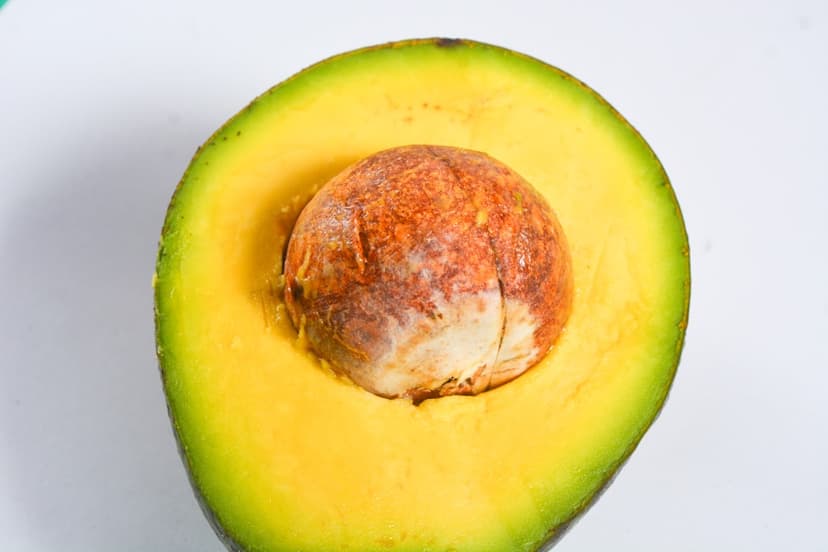
10 signs you may need more dietary fat
If you have been told for years to fear fat, it can be confusing when you feel hungry, tired, foggy, or stuck with blood sugar swings. This article unpacks a specific perspective from the video “10 Signs You NEED To Eat MORE FAT”, focusing on how EPA and DHA, saturated fat, monounsaturated fat, and cholesterol support skin, hormones, brain signaling, energy stability, and more. You will also see the video’s suggested macro ranges, food sources, and a fish oil target (2,000 to 3,000 mg EPA plus DHA per day) for people who do not eat fatty fish regularly.
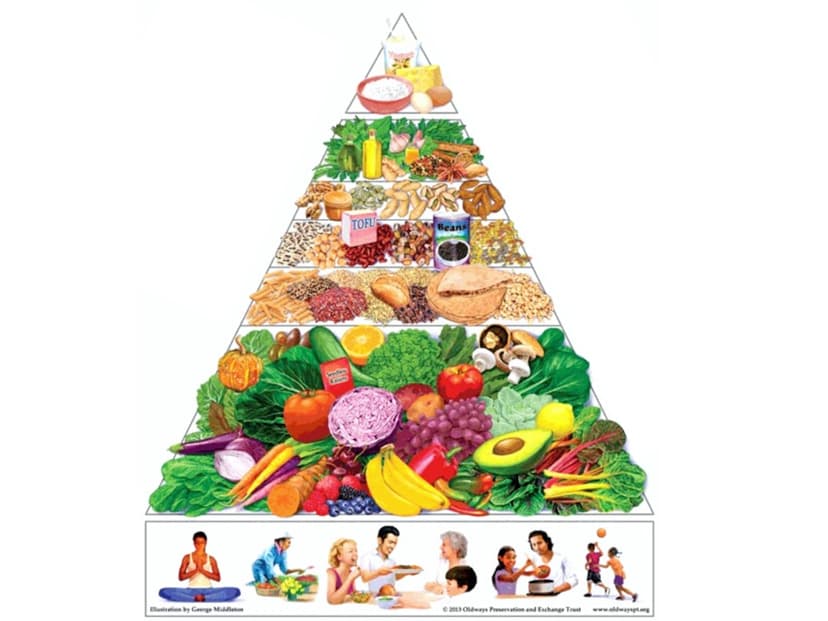
The Real Food Pyramid for Metabolic Health, Eat This
If you feel like you are “eating healthy” but your weight, blood sugar, or triglycerides are not improving, this video’s message is simple: the old, grain heavy pyramid may be backward for most adults. The approach centers on metabolic health and insulin resistance, using a low carbohydrate food pyramid that prioritizes animal source proteins and whole fat dairy, plus fats and oils, with carbs scaled to activity. It also tackles common worries about saturated fat, LDL cholesterol, and red meat, and offers practical ways to apply the pyramid without turning it into a rigid diet.

100 Days to a Healthier Physique: A Practical Plan
If you have ever wanted a clear deadline to finally follow through on nutrition and training, a 100-day transformation window can be a powerful motivator. This article breaks down the video’s unique angle, a “100K in 100 days” challenge that rewards visible change but also values muscle gain and improved health, not just looks. You will learn how to set realistic goals, take fair before-and-after measurements, use food tracking to support consistency, and build habits that are safer and more sustainable than crash dieting.
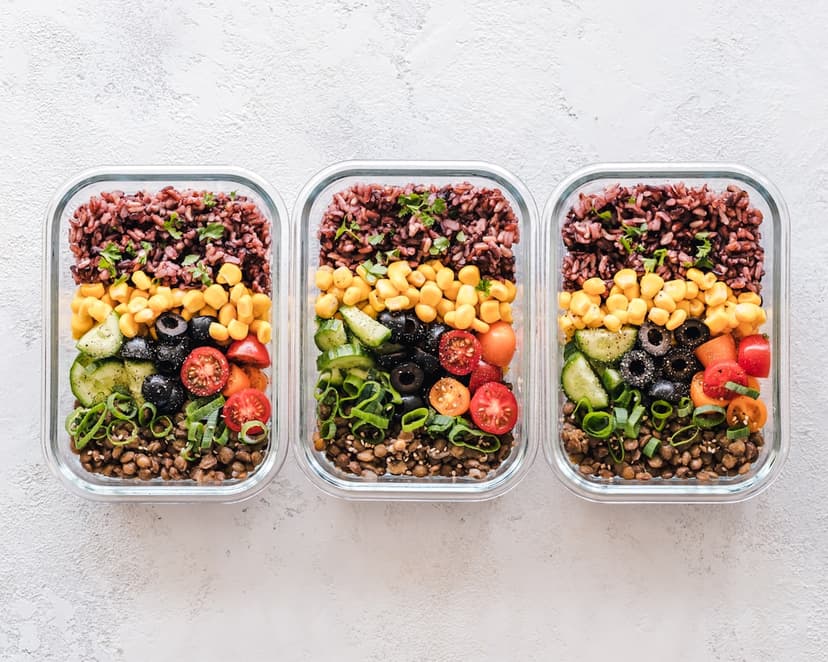
What to Eat Before and After Workouts, Sims Style
Fueling is not just about eating before exercise, it is about supporting the stress of training and the recovery that makes you fitter. This video’s practical approach is simple: before strength training, aim for about 15 g of protein. Before cardio sessions up to 90 minutes, pair that 15 g protein with about 30 g carbohydrate to support intensity and help avoid an excessive cortisol spike. The emphasis stays on real, nutrient-dense foods over ultra-processed “protein” products, with flexible examples like non-fat Greek yogurt plus banana, or “protein coffee” for early mornings.

Why Health Debates Get Politicized, and What Matters
Health topics like raw milk, fluoride, seed oils, and ultra processed foods are increasingly treated as political identity markers rather than practical risk discussions. In this video, the speaker critiques a New York Magazine series about the “Make America Healthy Again” (MAHA) movement, arguing that legitimate concerns about toxins and diet are being bundled with partisan narratives to discredit people and ideas. This article unpacks the video’s unique framing, then cross checks key claims with mainstream research on ultra processed foods, PFAS, pesticides, microplastics, and fluoride, highlighting trade offs, uncertainties, and safer, actionable steps.
Meat Only Diet, Blood Work, and the 15-AG Clue
A surprising detail from this blood work review is that after about 3.5 to 4 weeks of a near-zero-carb, carnivore-style diet, LDL barely moved, A1c nudged down, and fasting insulin dropped, yet a newer marker called 15-anhydroglucitol (15-AG) landed low-normal at 10.9. The central takeaway is not that meat “caused diabetes,” but that short-term glucose variability can show up in ways A1c may miss. The discussion frames 15-AG as a practical tool to spot glucose peaks and troughs, especially for people trying to fine-tune diet, training, sauna use, and recovery.

RFK Jr. at HHS: A Food-First Bet on Health Change
This video frames RFK Jr. becoming HHS Secretary as a rare chance to tackle America’s chronic disease crisis by changing the food system, not just expanding medical care. The speaker focuses on subsidies that make ultra-processed foods cheap, the reality that SNAP can buy items like soda and pastries, and the idea that low-income health gaps are tied to food access. The discussion also critiques media incentives, questions agency priorities, and argues that better nutrition messaging and research funding choices could shift outcomes, especially for kids.

The “Sugar Diet” Claim: Can Pure Sugar Get You Lean?
The viral “sugar diet” idea claims that eating mostly pure sugar in a calorie deficit can improve energy, reduce “crashes,” and even help you get lean, partly by triggering liver signals like FGF-21. This video takes an investigative, skeptical view: yes, high carbs can temporarily increase muscle fullness and vascularity, especially in already lean lifters, but most adults are not metabolically healthy enough for a high liquid-sugar approach to be a smart bet. The discussion emphasizes testing rather than guessing, and warns that what works for a highly trained person may not translate to the average person.

A Doctor’s Take on MrBeast’s 100-Lb Weight Loss Bet
A clinician reacts to MrBeast’s video about “trapping” a participant in a circle until he loses 100 pounds, and the reaction is more nuanced than hype. The core themes are sustainability over spectacle, why single weigh-ins can mislead, how calories and protein matter even with “healthy” foods, and why rest days and medical monitoring are essential. The discussion also turns unexpectedly serious when the participant’s coach dies, highlighting how grief and isolation can affect health behaviors. The participant later shares his “four pillars” (sleep, nutrition, hydration, activity) and the clinician adds a key tip: find a primary care doctor you trust to separate fact from fiction.

Detox Microplastics: Simple Daily Steps That Help
Can you actually do anything about microplastics in your body? This video’s perspective is practical: reduce what you take in, and support the body’s built-in exit routes. The approach focuses on gut lining support (glutamine), “soluble fiber flush” to move particles out in stool, hydration for kidney filtration, lymph movement, sulfur foods for liver phase 2 detox, deep sleep for brain cleanup, autophagy through occasional 18-hour fasts, beta-glucans, sweating, and microbiome support. It also emphasizes kitchen and home swaps to lower ongoing exposure so your body can catch up.

4 Blue Zone Habits for Longer, Healthier Living
Two physicians break down what “Blue Zones” can teach everyday people about living longer with a better health span, not just a longer life. Their take is refreshingly practical: focus less on hacks and more on repeatable patterns found in five longevity hotspots. The four habits they emphasize are eating wisely (mostly plants and not too much), moving naturally (more daily movement, less sitting), staying connected (family, faith, groups), and protecting your outlook (purpose, meaning, stress control). They also address real-world edge cases, genetics, and criticisms, and explain why Blue Zones may be shrinking as ultra-processed foods spread.

Doctor-Favorite OTC Picks That Actually Make Sense
Over-the-counter aisles can feel like a wall of hype, so this video takes a refreshingly practical approach: ask medical specialists what they personally “swear by.” The picks are not flashy, they are functional. Think nasal saline for congestion, preservative-free thicker eye drops for dry eye, psyllium husk fiber for smoother bowel movements, lubricant for comfort during sex, Vicks VapoRub as a budget toenail option, a home blood pressure cuff for self-tracking, tea as a long-standing wellness habit, fluticasone spray used creatively for adhesive itch, and topical diclofenac for joint pain. The throughline is simple: choose tools with clear, realistic benefits.

10 US-Legal Foods Banned in China, What to Know
It is frustrating to learn that foods on everyday US shelves can contain additives or processing aids that other countries restrict. This article unpacks the video’s list of 10 examples, from ractopamine in meat production to chlorine-washed chicken, preservatives like BHA/BHT and TBHQ, and dough improvers like potassium bromate. The through-line is not panic, it is leverage: understand labels, ask better questions, and “vote with your wallet.” You will also see a practical “before vs after” shopping comparison and a step-by-step label-reading system you can use today.

Milk Kefir: A Deep Dive Into Gut Health Benefits
Milk kefir is not just “drinkable yogurt.” In the video, the presenter describes being late to kefir, then becoming a regular home fermenter, making it 3 to 4 days per week for its tang, light carbonation, and “feel good” effect. He frames kefir as a whole food probiotic that can be more practical than pills, highlights its unique mix of bacteria and yeasts, and walks through a simple countertop method (18 to 24 hours). Research reviews and newer microbiome papers suggest kefir may support gut function and may influence markers like blood sugar in some groups, but results can vary by product and person.

RFK Jr’s “Banned Foods” List, What It Means for Your Plate
Most people think “banned foods” means a simple list of bad items to avoid. The presenter’s point is different and more practical, he frames it as a policy and incentives problem that shapes what ends up in schools, SNAP purchases, and everyday grocery carts. In his view, modern food is often “not food anymore,” because it is packed with artificial colors, industrial sweeteners, seed oils, and preservatives that keep products shelf-stable. He argues tax-funded programs should promote health, not disease, and questions why government money would subsidize soda, candy, and ultra-processed foods. He also highlights a less discussed issue, the GRAS loophole, where companies can self-certify new chemicals as safe without notifying the FDA. The article below translates his 10-item focus into realistic shopping, cooking, and label-reading steps, while noting trade-offs and who should be careful with higher-risk choices like raw milk.

The Surprising Truth About Raw Milk: A Deep Dive
Raw milk has surged in popularity, often framed as a more “natural,” easier-to-digest option with extra enzymes and probiotics. This video’s unique perspective is not anti milk, it is pro evidence. It traces how unsafe milk in the 1800s helped drive pasteurization, a change linked to dramatic drops in infant deaths. It also explores the intriguing “farm effect” research suggesting early life farm exposures, possibly including raw milk, may reduce allergies and asthma. But the discussion emphasizes a key trade-off: raw milk carries a much higher risk of serious foodborne illness, while most nutrition claims are unproven for adults.