Thomas Johnson on Blueprint, Baselines, and Food

Summary
Thomas Johnson, often labeled “Brian Johnson’s son” or “blood boy,” frames health as a lived experiment, not a purity contest. In this Q&A style journey, he describes adopting the Blueprint basics, diet, sleep, exercise, and why they deliver most of the payoff for him at 19. He also shares a striking idea: healthy living can feel less “high,” but it raises your baseline and reduces the lows, making bingeing feel actively unpleasant. This article explores his perspective, the role of environment and feedback loops, and what research suggests about sleep, ultra-processed foods, and sustainable habit change.
A health experiment seen from the inside
Thomas Johnson opens with a problem that sounds small, but is actually revealing. He watches himself in a documentary, dislikes how he came across, and wishes he could redo it.
Then he corrects the instinct.
A point in time is not the whole person. The healthier relationship, in his framing, is to “love myself in that moment,” love himself now, and keep room for a future self that will also be imperfect.
That tone matters because it quietly rejects a common health narrative: the idea that the “healthy” version of you is the only acceptable one. Instead, this is a story about iteration. Try something, observe results, adjust, repeat.
It also sets up the video’s unique perspective on nutrition and lifestyle change. This is not presented as a moral upgrade. It is a learning process that changes how your body feels, how your mind interprets cravings, and even what feels rewarding.
Did you know? Highly processed foods can be engineered to be “hyper-palatable,” combining salt, sugar, and fat in ways that may encourage overeating in some people. Research discussions often connect ultra-processed foods to higher calorie intake and weight gain in controlled settings, although individual responses vary. See the NIH summary of a controlled trial on ultra-processed diets and calorie intake hereTrusted Source.
One more detail from his story adds context: he grew up with a father he describes as playful and safe, not strict. The household vibe was “hands off,” more experimentation than enforcement. That parenting style becomes a blueprint of its own, it is how Thomas later learns to adopt the Blueprint protocol without turning it into rebellion or compliance.
The Blueprint basics, and why he says they are “90%”
Thomas says he has followed the Blueprint protocol for about three years. But he draws a bright line between what he considers foundational and what he sees as advanced.
The foundation is diet, sleep, and exercise.
In his view, those basics account for “90% of the benefits.” Most of the more intensive work his dad does is framed as addressing accumulated aging damage, and at 19 he does not feel he has much of that to reverse.
This is an unusually practical stance in a world where health content often starts with supplements, wearables, and lab panels. His order of operations is the opposite: get the big rocks in place, then consider the smaller ones.
What “basics first” can look like in real life
This perspective becomes clearer when you translate it into decisions a person can actually make on a Tuesday.
A subtle but important twist is how he talks about motivation. He did not adopt these behaviors because he was told he “had to.” His dad told him what he was doing, but left room for autonomy.
That autonomy, Thomas argues, protected the change.
From intense highs to a steady baseline
One of the most distinctive ideas in the video is Thomas’s description of what it feels like to move from an “unhealthy” pattern to a “healthy” one.
He says the transition is difficult because there is an adjustment period where you are not experiencing as many intense highs.
But the trade is that you also stop experiencing the intense lows.
Over time, he describes reaching a baseline: not extremely high, not extremely low, just constant. And once he hit that point, he reports that the thought of pizza or binge eating is “painful,” not because the food is forbidden, but because he knows how he will feel afterward.
This is a different argument than “junk food is bad.” It is closer to: “my nervous system now prefers stability.”
That framing aligns with what many people notice when they reduce highly processed foods and stabilize sleep. Blood sugar swings, sleep debt, and irregular eating patterns can affect hunger cues and energy. Research suggests sleep loss can alter appetite-regulating hormones and increase hunger in some settings, although the magnitude varies among individuals. A review in the field discusses sleep and appetite regulation hereTrusted Source.
Still, Thomas’s point is experiential, not biochemical. He is describing a feedback signal: his body makes the “old” behavior feel less rewarding.
Pro Tip: If you are trying to change your eating pattern, track how you feel 2 to 4 hours after a meal, not just how it tastes in the moment. Many people find that energy, focus, and sleep quality are the signals that make new habits stick.
This “baseline” concept also has a psychological angle. When your days are less volatile, you may start valuing predictability. That can be protective for mental health, relationships, and work, even if it feels less exciting at first.
Rascal Talmage, cravings, and the “micro-dose” view of food
Thomas borrows a character concept from his dad’s “evening Brian,” but he renames it. His version is Rascal Talmage, a mischievous part of the mind that tries to sabotage health changes.
The key twist is that Rascal Talmage is not only present at night. He is “always present.”
That matters because it rejects a simplistic narrative where cravings only appear when you are tired or stressed. For him, the impulse is a constant companion that gets quieter with practice.
He describes going through “50 to 100 iterations,” staying up late, having the cookie, and relearning that it is “never ever worth it.” Eventually, the influence of Rascal Talmage shrinks.
Food is not a drug you can quit
His most interesting nutrition claim is about why food can be uniquely hard.
Food, he says, is like a drug you cannot quit cold turkey. You have to “micro-dose” it. You have to eat, but not exceed.
This is not a clinical model, but it is a practical one. It acknowledges that total abstinence from eating is impossible, and that rigid restriction can backfire for some people. For anyone with a history of disordered eating, this is a place to be especially cautious and to consider support from a qualified clinician.
Research on binge eating and restraint is complex, but many clinicians recognize that overly rigid food rules can increase preoccupation with food in susceptible individuals. If you notice loss of control eating, intense guilt, or compensatory behaviors, it is worth discussing with a healthcare professional.
How to run your own “iteration loop” safely
This is the heart of his approach: learn through repetition, but keep it constructive.
Short closing thought: iteration works best when you can recover quickly. If a change makes you feel unwell, dizzy, or emotionally worse, it is reasonable to pause and reassess with a clinician.
Environment over willpower, the feedback-loop theory
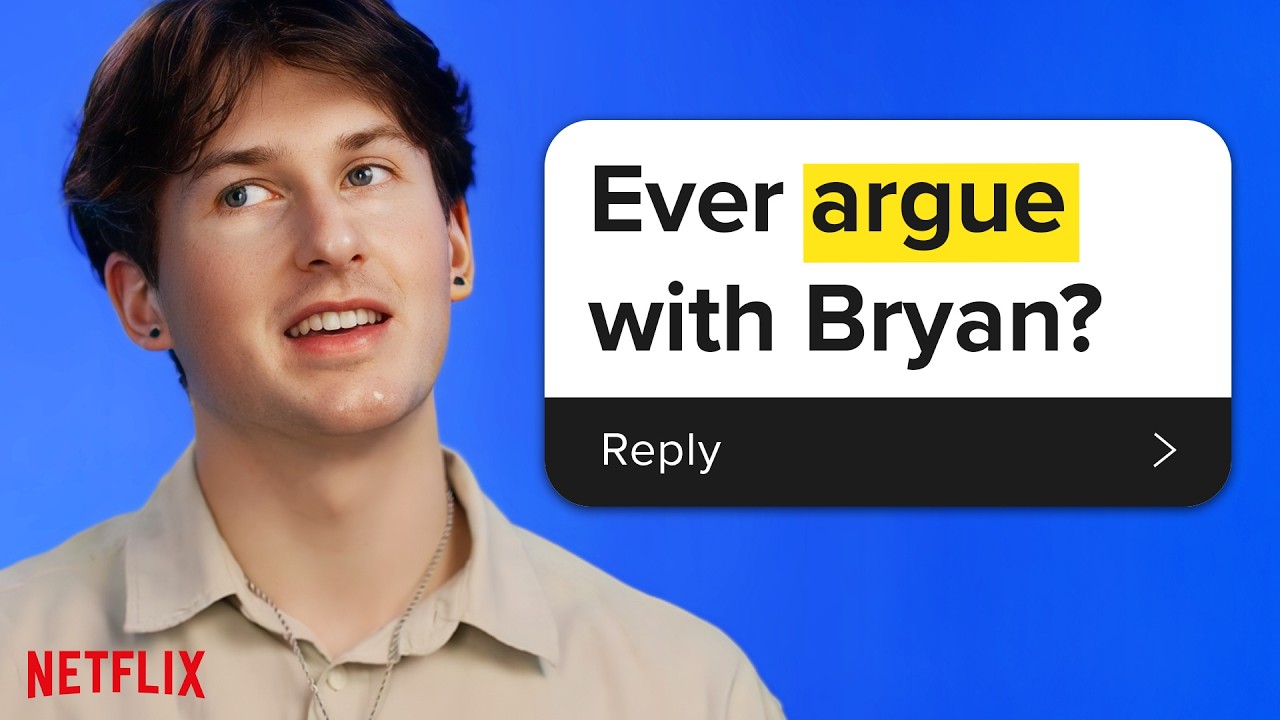
Thomas is asked whether he ever “secretly rebelled” against his dad’s health rules. His answer is revealing: there were not many rules.
His dad told him what he was doing, but did not demand compliance.
That hands-off approach, Thomas argues, let him discover the benefits directly. He built a positive feedback loop: he felt healthier, and that feeling reinforced the behavior. It was not about getting approval.
This is a strong claim about behavior change: the most durable motivation may be internal, but it often begins externally, through environment.
The discussion also hints at something many families struggle with. If health becomes a control dynamic, it invites rebellion. If health becomes a shared experiment, it invites curiosity.
Important: If you are a parent trying to influence a teen’s eating or exercise habits, consider focusing on the environment (availability of foods, consistent mealtimes, family movement, sleep routines) rather than surveillance or shame. If weight or eating is already a sensitive topic, a pediatrician or registered dietitian can help you choose language that protects mental health.
Building a “support system” that makes health easier
At the end, he gives advice to another 19-year-old: he does not claim to have life answers, especially in a fast-changing world. But he says he is not lost on health.
His practical recommendation is to baby step into it and surround yourself with friends and environments that promote healthy habits.
Here are ways to operationalize that idea without turning your life into a wellness project:
Research on habit formation supports the idea that context cues shape behavior, and that consistent routines can reduce decision fatigue. A practical overview of how habits form and how cues drive behavior is discussed by the American Psychological Association hereTrusted Source.
When optimization gets weird, biomarkers, devices, and sexual health
The video has a moment that is comedic on the surface but interesting underneath. Thomas is asked the “weirdest” health thing he has seen his dad do, and he says none of it seems weird from the inside.
He mentions nighttime erections as an example that outsiders may find strange.
Then he reveals he is moving into a new phase. After “nailing” the basics, he is considering blood work, microplastics testing, and pace-of-aging metrics. He also references his dad posting “world’s best biomarkers,” around 40 of them, and says he has a goal to beat them.
This section exposes a real tension in modern health culture: when does tracking become helpful, and when does it become a game that steals attention from the basics?
Nighttime erections and what they can signal
No single metric can define health, and sexual health data can be sensitive. But nocturnal erections are sometimes discussed in medicine as one clue about vascular and neurologic function.
If someone has persistent erectile difficulties, clinicians may consider sleep, stress, medications, alcohol, cardiometabolic risk, and mental health. The National Institute of Diabetes and Digestive and Kidney Diseases provides an overview of erectile dysfunction evaluation and causes hereTrusted Source.
Thomas’s take is not “everyone should measure this.” It is more like: once you have handled the basics, you may become curious about additional signals.
What the research shows: Erectile dysfunction can sometimes be an early sign of cardiovascular issues, especially in older adults, because penile blood vessels can be affected by vascular disease. The American Heart Association discusses links between erectile dysfunction and heart health hereTrusted Source.
For a 19-year-old, the relevance is different than for a 50-year-old. If a young adult is concerned about sexual function, it is still reasonable to talk with a clinician, especially if there are symptoms like pain, hormonal concerns, depression, medication side effects, or sleep problems.
A cautious way to think about testing
Testing can be empowering, but it can also create anxiety or false certainty.
A practical, medically cautious approach is:
If you have a history of anxiety, obsessive tendencies, or disordered eating, intensive tracking can sometimes worsen rumination. In that case, simpler routines may be healthier than more data.
Health as a stable investment during an unpredictable life
Thomas repeatedly returns to uncertainty.
He describes how quickly his life changed in three years: leaving the Mormon church, moving, school changes, a gap year, living in different countries. He emphasizes he cannot predict outcomes, and does not want to “bank” choices on outcomes dependent on unpredictable circumstances.
So what does he bank on?
Health.
He calls health one of the only worthy investments he can confidently make right now. That is not a claim that health guarantees success. It is a claim that health increases your capacity to handle whatever happens next.
This is where the nutrition angle connects to overall wellbeing. Eating, sleeping, and moving are not just about biomarkers. They shape attention, mood stability, resilience, and the ability to build relationships.
He even frames dating like a game of compatibility discovery, and says he would like someone who prioritizes health. In other words, health is not a side project. It is a value that influences relationships, work, and identity.
»MORE: If you want to explore your own “basics first” plan, create a one-page personal baseline checklist: sleep window, default breakfast, weekly movement minimum, and one social support habit. Keep it visible for 30 days.
Expert Q&A: Is it normal to feel “less high” when you clean up your diet?
Q: I started eating healthier and I feel flatter emotionally. Is that normal?
A: Some people notice that when they reduce sugar, alcohol, or highly processed foods, the quick dopamine-style spikes of pleasure feel less intense. In exchange, energy and mood can become more stable, which can feel unfamiliar at first.
If the “flat” feeling is persistent, severe, or paired with depression symptoms, it is important to talk with a healthcare professional. Diet changes can overlap with sleep changes, stress, and underlying mental health issues, and it is worth getting individualized support.
Jordan L. Hayes, RD (Registered Dietitian)
Expert Q&A: How much should a young adult focus on biomarkers?
Q: Should I be doing lots of testing if I am young and feel fine?
A: For many healthy young adults, the highest-return actions are still sleep, balanced nutrition, regular physical activity, and avoiding tobacco. Basic preventive care and age-appropriate screening are usually more important than extensive self-testing.
If you have symptoms, a strong family history, or specific concerns, targeted labs reviewed by a clinician can be useful. The goal is to choose tests that change decisions, not just generate numbers.
Mina Patel, MD (Family Medicine)
Key Takeaways
Frequently Asked Questions
- What does Thomas Johnson mean by the “baseline” after getting healthy?
- He describes a steadier day-to-day state with fewer extreme highs and fewer extreme lows. Over time, that stability can make binge eating or late nights feel less rewarding because you remember the downside more clearly.
- Does he recommend advanced testing like microplastics tests for everyone?
- No. His emphasis is to nail the basics first, diet, sleep, and exercise. He mentions testing as a later step once the foundation is stable, and it is reasonable to review any testing plan with a clinician.
- Why does he say food is like a drug you cannot quit cold turkey?
- His point is that you still have to eat, so the challenge is learning boundaries rather than total abstinence. He frames progress as repeated iterations, noticing how choices feel, and gradually reducing the pull of overeating.
- What role did parenting style play in his health habits?
- He credits a hands-off, playful approach that let him discover benefits on his own. That autonomy helped him stick with healthier habits for internal reasons, not because he was trying to earn approval.
- Is measuring nighttime erections a standard health practice?
- It is not a routine recommendation for most people. Nocturnal erections can be discussed clinically in some contexts, but if someone has concerns about sexual function or sleep, it is best addressed with a healthcare professional.
Get Evidence-Based Health Tips
Join readers getting weekly insights on health, nutrition, and wellness. No spam, ever.
No spam. Unsubscribe anytime.