Zinc, the Overlooked Nutrient for Testosterone
Summary
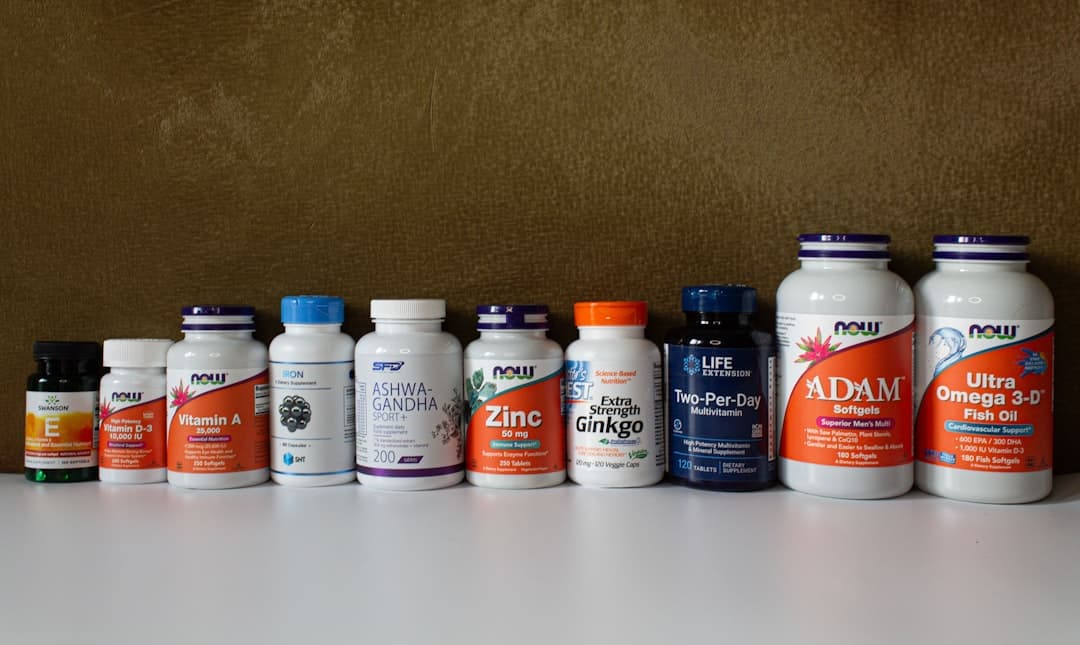
Male infertility is estimated to contribute to about 30 to 40% of infertility-related cases, and this video’s core point is that zinc insufficiency is an overlooked, fixable factor that may relate to low testosterone and fertility. The practical takeaway is to cover basics before chasing exotic “testosterone boosters.” Zinc supports testicular development, sperm health, and many enzyme systems, but intake can be low, especially with limited animal foods or high-phytate diets. The video suggests many people may benefit from moderate zinc supplementation, commonly 30 to 50 mg per day, while avoiding excessive long-term dosing.
🎯 Key Takeaways
- ✓This perspective emphasizes basics first, zinc insufficiency may undermine testosterone and fertility even if you take popular “T boosters.”
- ✓A 2023 systematic review found serum zinc is positively correlated with total testosterone, and supplementation improved testosterone in deficient states.
- ✓Zinc is concentrated inside cells and the nucleus, supporting DNA-related processes that matter for conception and spermatogenesis.
- ✓Diet patterns can reduce zinc absorption, especially high phytic acid and fiber intake common in some vegetarian and vegan diets.
- ✓More is not always better, very high zinc over long periods may contribute to imbalances and oxidative stress, so moderate dosing and medical guidance matter.
Male infertility is thought to contribute to about 30% to 40% of infertility-related cases, and the argument here is that one small, cheap nutrient may be getting missed.
Zinc is that nutrient.
The video’s unique angle is not “here is another hack,” it is a back-to-basics message. Before stacking trendy supplements to “optimize” hormones, it may be worth asking whether you are simply insufficient in zinc, a trace mineral tied to testosterone status and male reproductive function.
Did you know? The video highlights that zinc insufficiency is common, and that modern diets, reduced animal food intake, and lower mineral density in foods may make it easier to fall short.
Why zinc is being called “overlooked” for testosterone
A lot of testosterone conversations focus on flashy ingredients, tongkat ali, herbs, and complex “stacks.” This framing emphasizes something less exciting but often more practical, cover the basics first.
Zinc is positioned as “low risk” and widely available, which matters if you are trying to make a simple, affordable change. The speaker also links the topic to a real-world trend many people notice anecdotally, couples around them struggling with conception.
Here is the misconception the video pushes back on, if testosterone is low, you must need a specialized booster. Another possibility is that the body is missing building blocks that help the reproductive system function normally.
What the research shows: A 2023 systematic review in Journal of Trace Elements in Medicine and Biology reported that serum zinc was positively correlated with total testosterone, and that zinc deficiency reduced testosterone while supplementation improved it in deficient states (systematic review summary on ScienceDirectTrusted Source).
What zinc does in the body (and why sperm cells care)
Zinc is described as a “trace mineral,” but its job list is not small. The discussion highlights that zinc acts as a cofactor for over 300 enzymes and proteins, many involved in DNA repair, transcription, and translation.
That matters for fertility because sperm production is a high-turnover process. Cells are dividing, maturing, and packaging genetic material. When zinc status is low, the video’s point is that the system can lose resilience, and problems may show up as lower testosterone, impaired spermatogenesis, or reduced overall reproductive function.
Where zinc is stored and why that matters
What is interesting about this approach is how “cellular” it gets. Zinc is not just floating around in blood.
That inside-the-cell and inside-the-nucleus detail is part of the video’s core logic. If zinc supports DNA repair and cell division, then low zinc can be a quiet bottleneck for reproduction.
Why the video connects zinc to male development
The speaker strongly emphasizes zinc’s role in normal testicular development, including during fetal development. The idea is practical and preventative, if a pregnant person is carrying a boy, zinc intake is worth paying attention to.
The video mentions concerns people hear about, such as unescended testicles, low testosterone, and ambiguous genital development, and then argues zinc should be “on the radar” in prenatal nutrition.
Important: Pregnancy nutrition is individualized. If you are pregnant or trying to conceive, discuss supplement doses with an OB-GYN or midwife, especially because prenatal vitamins already contain zinc and other minerals.
Zinc, testosterone, and fertility, what the research actually shows
The discussion points to two key bodies of evidence, testosterone correlations and fertility markers.
First, testosterone. The cited 2023 systematic review concludes that zinc deficiency reduces testosterone levels and that supplementation improves testosterone levels, with the size of the effect depending on factors like baseline zinc, baseline testosterone, dosage form, and duration (Journal of Trace Elements in Medicine and BiologyTrusted Source).
Second, fertility. A 2025 review in Antioxidants describes zinc as essential for normal testicular development, spermatogenesis, prevention of sperm degradation, and overall male fertility (Antioxidants journal homepageTrusted Source). The review’s emphasis is not only blood zinc, but also seminal plasma zinc, and the pattern that fertile men tend to show higher seminal zinc levels than infertile controls.
One nuance the video adds is that both extremes may be problematic. Low zinc is associated with impaired spermatogenesis, but very high zinc levels may increase oxidative stress and contribute to other alterations that could also harm fertility.
“More” is not automatically “better.”
Q: If zinc is linked to testosterone, should everyone take high-dose zinc?
A: Not necessarily. The video’s viewpoint is that moderate zinc can be helpful when intake is low, but very high intakes for long periods may shift the benefit-risk balance, including mineral imbalances. If you are considering doses above what is in a typical multivitamin, it is wise to review your plan with a clinician and consider whether labs or diet changes come first.
Health writer summary of the video’s approach, informed by nutrition safety guidance
Everyday reasons people come up short on zinc
The video’s practical message is that zinc insufficiency can happen quietly, especially with modern eating patterns.
Food patterns, absorption, and the “phytate” issue
Zinc comes from both animal and plant foods, but the video emphasizes that the most reliable sources are often animal-based.
Common dietary sources mentioned include meat, milk, fish, seafood, red meat, legumes, certain mushrooms, nuts, and fortified cereals (the speaker notes they do not generally recommend cereals for most people).
Vegans and vegetarians may need more zinc attention for two reasons.
The video also briefly describes zinc handling in the body, it is absorbed in the small intestine, enters the portal circulation to the liver, then circulates in blood.
Intake numbers that put “insufficiency” into perspective
The transcript cites average intakes of about 14 mg/day for men and 9 mg/day for women, and frames that as suggesting many people may not be getting enough.
For reference, the NIH Office of Dietary Supplements lists the Recommended Dietary Allowance (RDA) for zinc as 11 mg/day for adult men and 8 mg/day for adult women, with higher needs in pregnancy and lactation (NIH Zinc Fact SheetTrusted Source). This does not mean everyone needs supplements, but it helps explain why some people choose them.
How to use zinc practically (food, supplements, timing)
This is where the video becomes very “everyday.” The main idea is to build a zinc foundation before chasing complex hormone stacks.
A simple food-first checklist (Pattern A)
If you want a practical starting point, consider a short audit of your week.
A food log for just 3 to 5 days can reveal whether zinc is even on your plate.
Pro Tip: If you take zinc and it upsets your stomach, try taking it with food, unless your clinician recommends otherwise. Nausea is a common reason people quit minerals too quickly.
Step-by-step: a practical zinc supplementation approach (Pattern E)
This video leans toward supplementation as a simple baseline strategy, especially when diets are low in zinc.
Start by estimating your baseline intake. Look at your typical week, do you eat seafood, red meat, dairy, legumes, nuts, or fortified foods? If your diet is mostly plant-based and high in grains and legumes, absorption may be lower, so “adequate on paper” may not always feel adequate in real life.
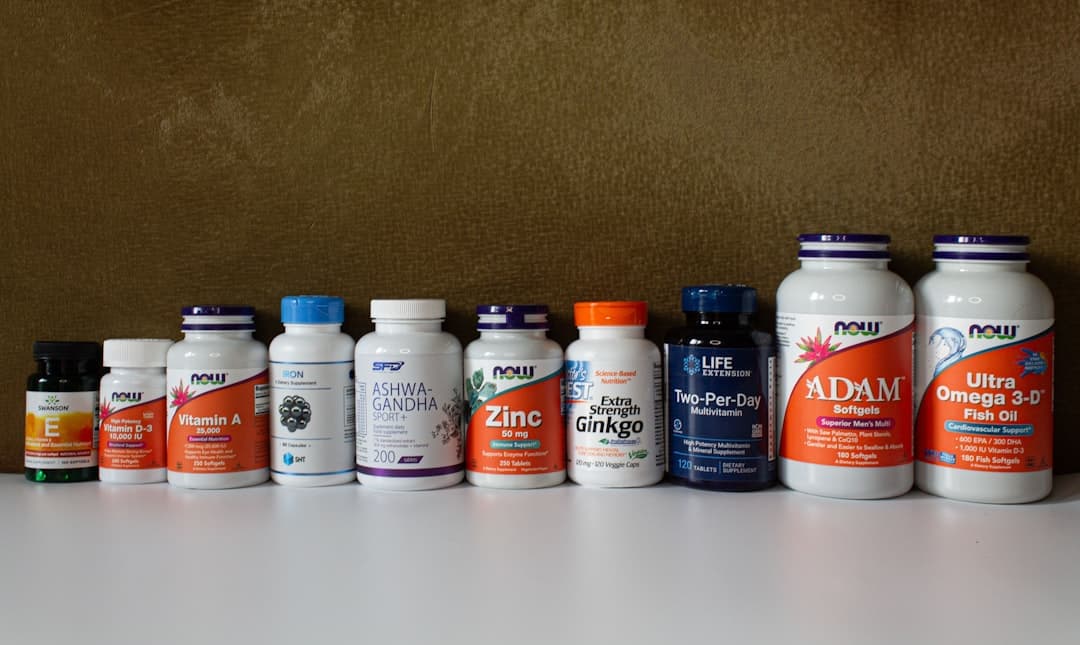
Choose a moderate dose, not a megadose. The speaker suggests that most people would benefit from 30 to 50 mg of zinc per day, particularly if they sweat a lot from exercise or sauna. This is above the RDA, so it is worth discussing with a clinician, especially if you plan to use it daily for more than a short period.
Pay attention to duration, and avoid long-term extremes. The video mentions that taking 100 mg per day for many months or years could potentially push zinc too high and skew the benefit-risk ratio. NIH notes the tolerable upper intake level (UL) for adults is 40 mg/day from supplements and food combined, because higher chronic intakes can impair copper absorption and cause other issues (NIH Zinc Fact SheetTrusted Source).
Think in “stacks” only after basics are covered. The speaker mentions common compounds people use for testosterone, like tongkat ali, but argues zinc sufficiency should come first. If the foundation is missing, add-ons may not deliver much.
Timing and the ZMA idea
The speaker shares a personal routine, taking zinc plus magnesium at night, and references the popular ZMA combo (zinc, magnesium, and aspartic acid) as something studied in athletic contexts.
If you try bedtime minerals, be aware of practical issues. Magnesium can be calming for some people, while zinc can cause nausea in others, and both can interact with certain medications (for example, some antibiotics) by affecting absorption.
»MORE: If you are trying to conceive, ask your clinician about a “preconception lab” discussion that includes vitamin D, iron status, and possibly zinc and copper, especially if you are using supplements daily.
When to get medical guidance sooner
A few situations deserve extra caution.
Q: Could zinc help if I exercise a lot or use the sauna often?
A: The video argues that sweating may increase zinc losses, which could make zinc intake more relevant for frequent exercisers and sauna users. It is still smart to avoid assuming deficiency, consider diet first, and talk with a clinician if you want to use higher-dose zinc long term.
Video-based guidance summarized for general education
Key Takeaways
Frequently Asked Questions
- What dose of zinc did the video suggest for supporting testosterone?
- The speaker suggested that many people may benefit from about 30 to 50 mg of zinc per day, especially if they sweat a lot from exercise or sauna use. Because this can exceed the adult upper limit of 40 mg/day, it is best to discuss longer-term use with a clinician.
- Can vegetarians and vegans get enough zinc without supplements?
- Many people can, but the video notes two hurdles, fewer animal-based zinc sources and reduced absorption from high-phytate, high-fiber patterns. Plant sources like legumes and nuts help, and preparation methods plus careful planning can improve mineral availability.
- Is more zinc always better for fertility?
- No. The video highlights that low zinc is linked with impaired spermatogenesis, but very high zinc may contribute to oxidative stress and other changes that could also harm fertility. Moderate dosing and avoiding long-term megadoses is a safer framing.
- Why take zinc at night with magnesium, like ZMA?
- The speaker described taking zinc and magnesium before bed and referenced ZMA as a popular combination studied in athletic settings. Nighttime timing is often chosen for convenience, but tolerance varies, and some people get nausea from zinc if taken without food.
Get Evidence-Based Health Tips
Join readers getting weekly insights on health, nutrition, and wellness. No spam, ever.
No spam. Unsubscribe anytime.