Supplements & Vitamins
The Supplements & Vitamins niche encompasses information on dietary supplements, including vitamins, minerals, and herbal supplements, focusing on their roles in maintaining health and preventing deficiencies. This subcategory covers topics such as the benefits and risks of supplement use, absorption and bioavailability, and the impact of supplements on specific health conditions like osteoporosis, anemia, and immune function. It also explores lifestyle factors such as dietary habits and nutrient interactions, providing insights into personalized supplement regimens.
Explore Topics
In-depth topics to explore in Supplements & Vitamins.
Magnesium: Complete Guide
Magnesium is an essential mineral that powers hundreds of biochemical reactions, influencing energy, nerves, muscles, heart rhythm, blood sugar, and sleep. This guide explains how magnesium works, who may benefit most, how to choose the right form and dose, and how to avoid common side effects and interactions.
Vitamin C: Complete Guide
Vitamin C is an essential, water-soluble nutrient best known for immune support, antioxidant protection, and its role in collagen production. This guide covers how vitamin C works in the body, evidence-backed benefits, practical ways to get enough from food or supplements, and when high doses may cause problems.
Dose: Complete Guide
Dose is the specific amount of a substance taken at one time, and it is one of the biggest drivers of whether something helps, does nothing, or causes harm. This guide explains how dose works in the body, how to choose practical and safer doses for medicines and supplements, what research can and cannot tell you, and the most common dosing mistakes to avoid.
Supplement: Complete Guide
Supplements can help fill nutrient gaps, support specific health goals, and treat certain deficiencies, but they also carry real risks when misused. This guide explains how supplements work, what benefits are well supported, how to choose and use them safely, and what research and regulators currently say.
Vitamin D: Complete Guide
Vitamin D is a fat-soluble nutrient and hormone-like signal that helps regulate calcium, bone remodeling, immune function, and muscle performance. Many people run low due to limited sun exposure, darker skin pigmentation, aging, higher body fat, and lifestyle factors. This guide covers how vitamin D works, evidence-based benefits, practical ways to optimize status, and how to avoid common supplementation mistakes.
Vitamins: Complete Guide
Vitamins are essential micronutrients that your body needs for energy metabolism, immunity, blood formation, bone health, and cellular repair. This guide explains how vitamins work, how to meet your needs through food and supplements, what the research actually supports, and how to avoid common mistakes like unnecessary megadosing or missing key cofactors.
Supplements: Complete Guide
Supplements can help fill nutrient gaps, support specific health goals, and, in some cases, treat deficiencies. But they are not risk-free: quality varies, interactions are common, and “natural” does not always mean safe. This guide explains how supplements work, who they help most, how to use them wisely, and what current research says.
All Articles
Can You Take Fish Oil During Chemotherapy?
Fish oil is not automatically unsafe during chemotherapy, but it is not a “take it no matter what” supplement either. Because omega-3s can affect bleeding and may interact with certain cancer drugs or supportive medications, most people should check with their oncology team before starting or continuing fish oil.

Vitamin C vs Vitamin E for Immune Support
Vitamin C and vitamin E support immune function in different ways, mainly through antioxidant protection and support of immune cell activity. Vitamin C is more commonly used for short-term immune support, while vitamin E may matter more when dietary fat intake is low or deficiency risk is higher. The best choice depends on your diet, health conditions, and medications, so check with a healthcare professional for personalized guidance.
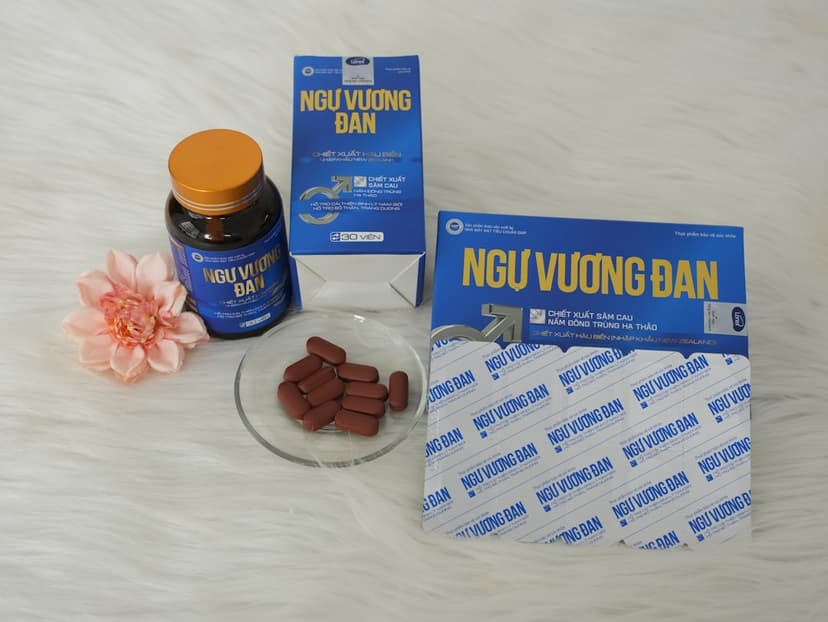
Is it safe to take vitamin B12 with antibiotics?
For most people, taking vitamin B12 with antibiotics is generally considered safe. The main concern is that certain antibiotics can lower B12 absorption or affect your gut bacteria, so your clinician may suggest timing adjustments or monitoring if you are at risk of deficiency.
Fish oil vs flaxseed oil for inflammation
Fish oil and flaxseed oil can both support an anti-inflammatory diet, but they provide different omega-3 fats. Fish oil delivers EPA and DHA directly, while flaxseed oil provides ALA that your body must convert. The best choice depends on your diet, goals, and any bleeding risk or medication use, so check with a clinician if you are unsure.
Magnesium Citrate vs Glycinate for Sleep
Magnesium glycinate is often preferred for sleep because it tends to be gentler on the stomach and is commonly described as calming. Magnesium citrate can also help, but it is more likely to loosen stools, which may disrupt sleep for some people. If you have kidney disease, take interacting medications, or are pregnant, check with a healthcare provider before supplementing.
Vitamin D While on Anticoagulants: Is It Safe?
Vitamin D is generally considered safe to take with most anticoagulants at typical supplement doses. The main concerns are taking high doses for long periods, having conditions that raise calcium levels, or using vitamin K antagonists like warfarin, where consistent supplement use and monitoring matter.
Choosing the Best Magnesium Form for Your Needs
Magnesium is a core mineral for everyday wellbeing, but the form you choose can matter. This video’s central idea is simple: match the magnesium “salt” to the outcome you want. For sleep and whole body support, magnesium glycinate is highlighted. For exercise, sauna use, and muscle cramping, magnesium malate is emphasized. For brain-focused goals like mental wellness, anxiety indicators, and migraine-prone states, the discussion spotlights a newer form, magnesium N-acetyl-taurinate (ATA Mg), described as more lipophilic and potentially better at reaching brain tissue. Safety, labeling, and dosing details still matter, especially if you have medical conditions or take medications.
Vitamin D With Antibiotics: Is It Safe Together?
For most people, taking vitamin D while on antibiotics is generally considered safe and does not cause a direct interaction. The bigger concerns are taking too much vitamin D, having kidney issues, or using specific antibiotics or other medicines that change calcium levels. If you are unsure about your dose or your antibiotic type, check with a pharmacist or clinician.
Is vitamin K safe to take with anticoagulants?
It may be safe for some people to take vitamin K with anticoagulants, but it depends on which blood thinner you use. Vitamin K can reduce the effect of warfarin and similar medicines, so changes in supplements or diet should be discussed with your prescribing clinician.
B12 vs B6 for Energy: Key Differences and Uses
Vitamin B12 and B6 both help your body convert food into usable energy, but they address different problems. B12 is more likely to help energy if you are low in B12 (for example from low intake or absorption issues), while B6 is more relevant when diet is limited or certain medications affect B6 status. If fatigue is new, persistent, or severe, it is worth checking for common medical causes and discussing testing and supplement choices with a healthcare provider.
Magnesium Glycinate for Sleep, Study Breakdown
A recently published randomized, double-blind, placebo-controlled trial looked at **magnesium bisglycinate chelate** in adults ages 18 to 65 with self-reported poor sleep. Over **4 weeks**, people took **two capsules 30 to 60 minutes before bed**, totaling **250 mg elemental magnesium** plus about **1,500 mg glycine** daily. Sleep quality was tracked using the **Insomnia Severity Index** and other measures. The main takeaway is practical: this specific magnesium form produced **modest but statistically significant** improvements, and the discussion highlights a plausible “two-part” mechanism, magnesium’s GABA support plus glycine’s brain effects.
Magnesium + Vitamin D: A Brain Health Connection
Many people think of magnesium as a “muscle mineral,” but this video’s core message is brain-first: low magnesium in the brain may be linked with neuroinflammation, oxidative stress, and overactivation of the *NMDA receptor*. A second key point is the two-way relationship with vitamin D: magnesium helps activate vitamin D, and vitamin D can help magnesium absorption, creating a feed-forward loop. The discussion also stresses that magnesium form matters, especially if your goal is cognitive support. Here is how to think about the mechanism, the magnesium plus vitamin D pairing, and practical, safety-minded next steps to discuss with your clinician.

Food Fixes for Vitamin Gaps and Supplement Mistakes
It is frustrating when nutrition advice feels either overly simplistic or wildly confident, especially online. This case-based article follows the video’s playful but practical puzzle format: a pirate-like diet leading to scurvy risk, gluten hiding in “healthy” foods for celiac disease, supplement-driven kidney stone concerns, and a severe sunburn that changes calorie and protein needs. The unique takeaway is not “take more supplements.” It is learning how real-world food choices, label reading, and a few targeted nutrients can support wellbeing, while avoiding common traps like hidden wheat in sauces or high-oxalate add-ons.
Is It Safe to Take Vitamin B12 With Metformin?
For most people, it is generally safe to take vitamin B12 while taking metformin. In fact, clinicians often consider B12 supplementation or testing because long term metformin use can be linked with lower B12 levels. Ask your healthcare provider whether you should have your B12 checked and what dose makes sense for you.
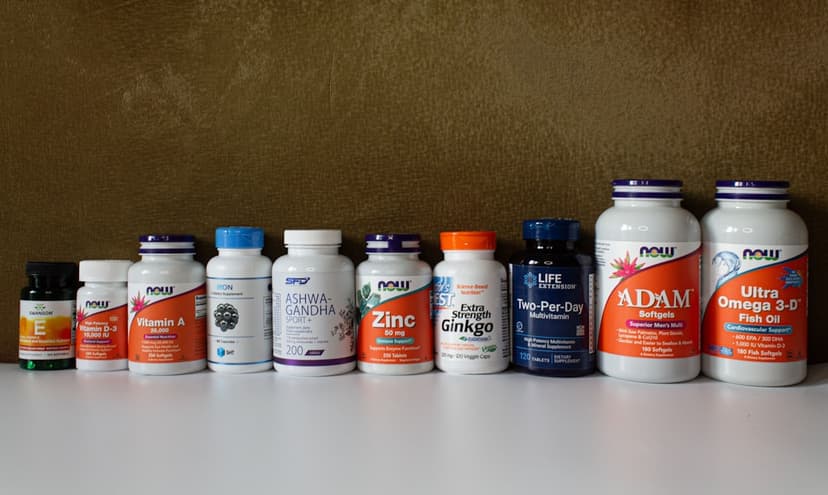
Zinc, the Overlooked Nutrient for Testosterone
Male infertility is estimated to contribute to about 30 to 40% of infertility-related cases, and this video’s core point is that zinc insufficiency is an overlooked, fixable factor that may relate to low testosterone and fertility. The practical takeaway is to cover basics before chasing exotic “testosterone boosters.” Zinc supports testicular development, sperm health, and many enzyme systems, but intake can be low, especially with limited animal foods or high-phytate diets. The video suggests many people may benefit from moderate zinc supplementation, commonly 30 to 50 mg per day, while avoiding excessive long-term dosing.
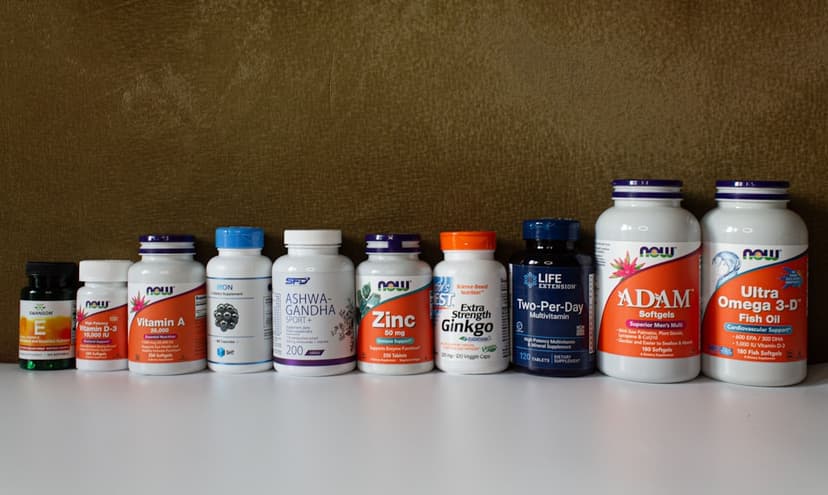
Vitamin C vs Zinc for Immune Support: What to Choose
Vitamin C and zinc can both support normal immune function, but they work differently and fit different needs. Vitamin C is often used to help cover dietary gaps and support antioxidant defenses, while zinc is more directly tied to immune cell function and may be most useful when intake is low. For personalized dosing and to avoid side effects or interactions, check with a healthcare professional.
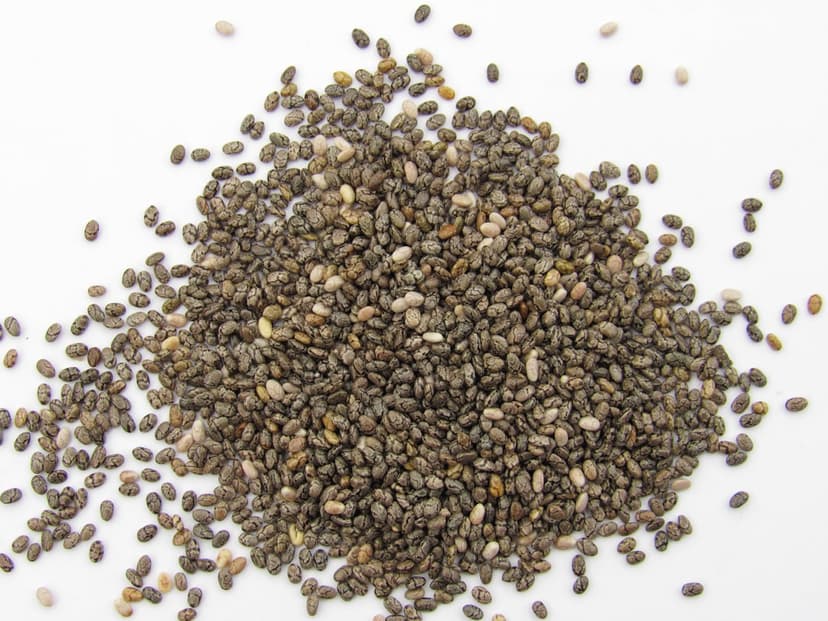
Flaxseed vs chia for omega-3: which is better?
For omega-3 intake from plants, both flaxseed and chia seeds are good sources of ALA, but neither provides the same omega-3 form found in fish (EPA and DHA). Flaxseed often edges ahead for ALA per serving, while chia tends to be easier to use without grinding and is very fiber-rich. The better choice depends on how you will eat them, your digestion, and whether you also need EPA and DHA from other sources.
Vitamin D Needs Magnesium to Work, Here’s Why
Many people hear, “Take vitamin D with magnesium,” but it can sound odd since magnesium is water soluble and vitamin D is fat soluble. This video’s key point is that the connection is not about solubility, it is about biochemistry. Magnesium helps vitamin D bind to its carrier protein and supports enzymes that convert vitamin D into the forms measured in blood and used by the body. The discussion also highlights common shortfalls in both nutrients, magnesium-rich foods, and practical supplement timing like splitting doses (for example, 150 mg in the morning and 200 mg at night) when diet is low.

3 Meals That Support Cleaner Arteries, Ryan’s Way
A UK nutritionist, Ryan, frames artery plaque as a slow repair process that can go off track, triggered by small injuries to artery lining from diet, high blood sugar, stress, smoking, and more. His practical solution is a rotating set of three meals built around specific nutrients: omega-3s and nitrates (salmon and arugula), vitamin K2 and fermented foods (beef, sauerkraut, brie), and nitric-oxide-supporting compounds plus minerals (garlic chicken with mushrooms and pumpkin seeds). He also emphasizes sunlight-driven vitamin D, stress control, and keeping blood “smooth” through hydration and omega-3 rich foods.

Anemia or Low Iron? The Test Many People Miss
Most people think anemia is the first sign of low iron, but this video argues the opposite, many people feel awful while hemoglobin is still normal. The key step is checking ferritin, a marker of iron stores that is often skipped. This perspective also highlights who gets missed most often, especially menstruating and pregnant women, plus people with inflammation where ferritin can be misleading. You will learn the practical symptom checklist, the lab tests to ask about (CBC, ferritin, transferrin saturation), and a real-world comparison of oral iron options versus IV iron, including side effects and approximate costs.
Best Magnesium Form for Brain, Muscle, and Sleep
Magnesium supplements are not interchangeable, and the video’s core message is to match the magnesium form to your goal. Using a 2019 rat study, the speaker highlights big differences in absorption and where magnesium ends up in the body. Magnesium citrate is framed as useful mainly for constipation because it is poorly absorbed. Magnesium malate looks stronger for muscle tissue and serum levels, while magnesium acetyltaurate stands out for brain uptake and anxiety-like markers in animals. This article translates that practical framework into actionable shopping and safety tips, with a few research-backed guardrails.
Is it safe to take vitamin D with statins?
For most people, taking vitamin D with a statin is generally considered safe at typical supplement doses. The main concerns are taking more vitamin D than you need, or having health conditions or medications that make high vitamin D levels risky. If you have muscle symptoms, kidney issues, or you take multiple medications, ask your clinician whether you should check a vitamin D level first.

Night Leg and Foot Cramps: What’s Behind Them?
You fall asleep, then a sudden calf or foot cramp jolts you awake, forcing you to bend your toes back and stretch through sharp pain. This article follows nutritionist Ryan’s investigative take on why these cramps show up at night, focusing on mineral delivery to nerves and muscles, hydration, and his key idea that a slightly alkaline blood pH can “lock up” magnesium. You will also get his five practical bedtime strategies: an apple cider vinegar and sea salt drink, tonic water (quinine), a step stretch, magnesium (including glycinate), and even two pickles before bed, plus safety notes and when to check in with a clinician.
Vitamin D with anti-seizure meds: is it safe?
Often, yes. Vitamin D is commonly used alongside anti-seizure medications, and it is frequently recommended because some seizure drugs can lower vitamin D and affect bone health. Because needs vary by medication, dose, and your health history, confirm the right dose and monitoring plan with your clinician.
Magnesium as the Next Breakthrough Supplement
If you have tried supplements and felt nothing, the issue may not be you, it may be the form, the dose, or the expectations. In this video, the conversation centers on Andrew Huberman’s prediction that magnesium is the next breakthrough supplement, similar to how vitamin D3 became mainstream and creatine is now gaining broad acceptance. The unique angle here is practical and product-savvy: focus on absorbable forms (malate, glycinate, L-threonate, acetyl taurate, orotate), avoid cheap filler blends (oxide, citrate), and use magnesium as a “metabolic salt” that supports energy, brain signaling, and sleep when behaviors are already in place.
Omega-3 Supplements and Blood Thinners: Is It Safe?
Often, omega-3 supplements can be used with blood thinners, but the combination may raise bleeding risk in some people, especially at higher doses or with multiple blood-thinning products. The safest approach is to review your specific blood thinner, dose, and bleeding history with your prescribing clinician before starting omega-3s.

Is Vitamin E Safe to Take During Chemotherapy?
Vitamin E is not automatically safe to take with chemotherapy, especially in higher-dose “antioxidant” supplements. Because vitamin E can affect bleeding risk and may reduce the intended effects of certain cancer treatments, most people should only use it during chemo if their oncology team approves it.
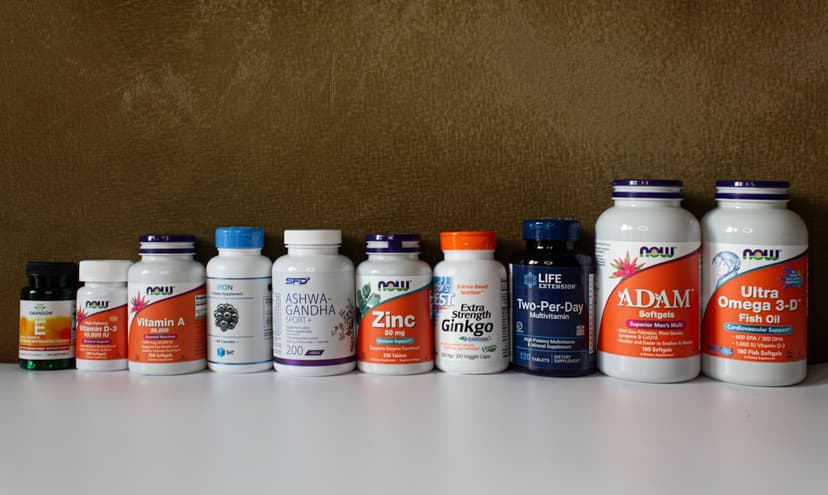
Vitamin D and Antidepressants: Is It Safe Together?
For most people, taking vitamin D while on antidepressants is generally considered safe at typical supplement doses. The main concern is not a direct interaction, but taking too much vitamin D or having health conditions or medications that raise calcium levels. Check in with your prescriber or pharmacist if you take multiple medicines, have kidney issues, or plan higher-dose vitamin D.
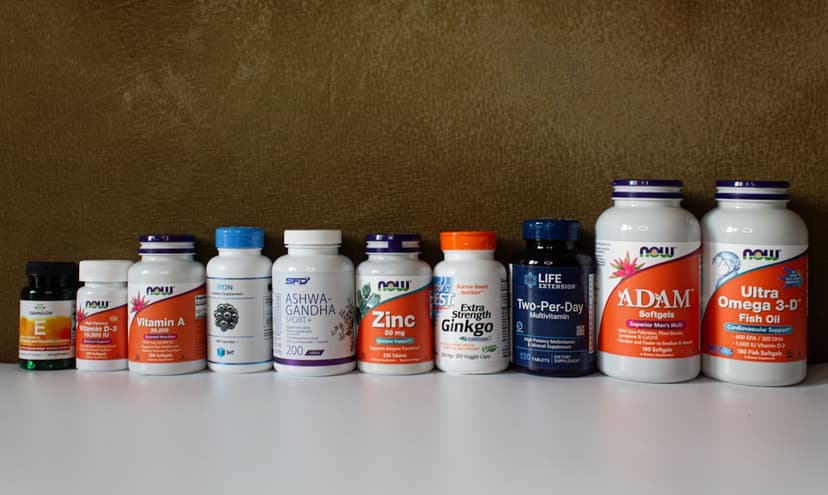
Vitamin C During Chemotherapy: Is It Safe?
Vitamin C from foods is usually considered safe during chemotherapy, but high-dose vitamin C supplements may not be appropriate with certain chemo drugs or radiation. Because interactions depend on your exact regimen, it is best to check with your oncologist or oncology pharmacist before taking any vitamin C supplement.
Is It Safe to Take Vitamin B12 With Blood Thinners?
Vitamin B12 is generally considered safe to take with most blood thinners, and it does not usually increase bleeding risk. Extra caution is still important if you take warfarin or if you start high-dose supplements, since changes in diet and supplements can affect monitoring and dosing. Check with your prescriber or pharmacist before adding B12, especially if your blood thinner requires regular lab tests.
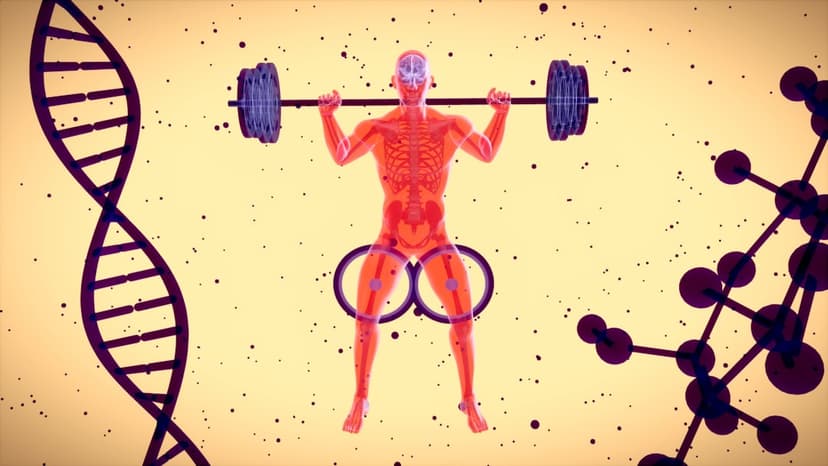
High-Dose Vitamin D: Muscle Gain vs Fat Storage
Most people think vitamin D is only about bones, or that “more is always better.” The video’s unique angle is different: a 2024 narrative review (with animal and mechanistic data) proposes that higher vitamin D status may change how the body allocates surplus calories, nudging energy toward muscle growth instead of fat storage by lowering myostatin signaling and improving leptin production or sensitivity. The discussion also ties leptin to appetite and inflammation, and explains why the speaker often pairs vitamin D with vitamins K2 and A, while monitoring calcium when aiming for higher blood levels.
Vitamin D with blood thinners: Is it safe?
Vitamin D is generally considered safe to take with most blood thinners at typical supplement doses, and it does not act like vitamin K. The main concerns are taking very high doses without monitoring and confusing vitamin D products with vitamin K containing supplements. Check with your prescriber or pharmacist, especially if you take warfarin or have kidney or parathyroid conditions.
Are Daily Multivitamins Helpful? A Doctor-Led Look
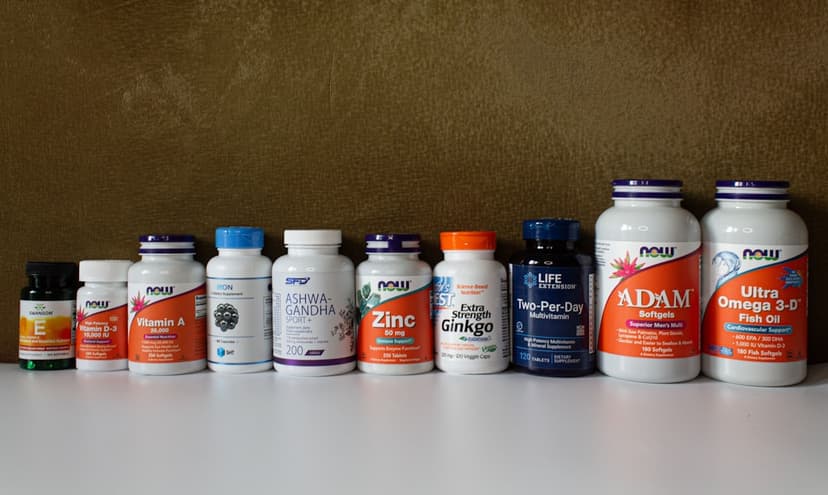
Multivitamins feel like an easy win, one pill to cover every nutritional base. But the video’s core message is blunt: for most generally healthy adults eating a reasonably balanced diet, daily multivitamins have not been shown to reduce heart disease, cancer, or overall risk of death. A big reason people keep taking them is that many feel healthier, a pattern consistent with placebo effects. Still, the discussion highlights five groups where a multivitamin can make practical sense, especially pregnancy (folic acid) and situations where diet or absorption is limited.
Fish Oil With Anticoagulants: Is It Safe?
Fish oil can be risky to combine with anticoagulants because omega-3s may add to blood-thinning effects, increasing bleeding risk in some people. If you take warfarin or another anticoagulant, talk with your clinician before starting fish oil, and do not change your dose without guidance.
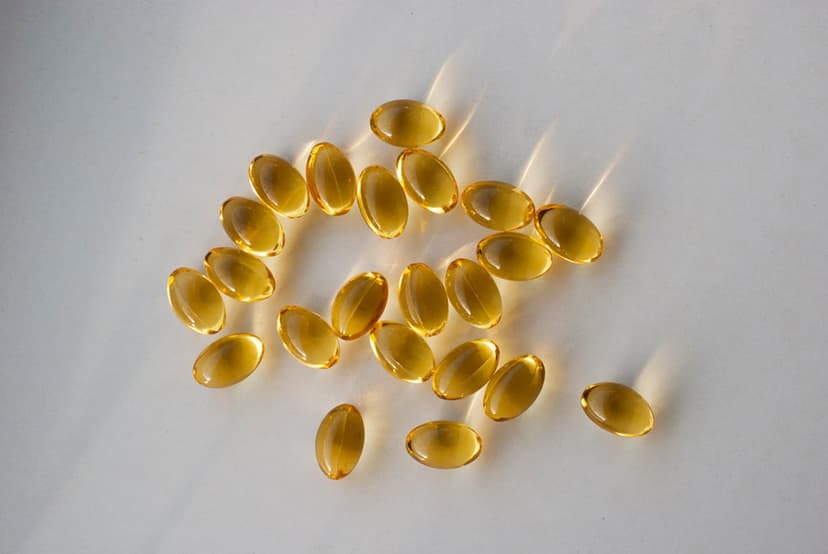
Fish Oil and Blood Thinners: Is It Safe Together?
Sometimes, fish oil can be taken with blood thinners, but it is not automatically “safe” for everyone. The main concern is added bleeding risk, and people on warfarin may also see INR changes, especially after dose increases. Check with your anticoagulation clinic or prescriber before starting, stopping, or changing your fish oil dose.
Vitamin E and anticoagulants: is it safe together?
Vitamin E is not always safe to combine with anticoagulants because it may increase bleeding risk, especially at higher supplement doses. If you take a blood thinner, check with your prescribing clinician or pharmacist before starting vitamin E, even if it is “just a vitamin.”
Is it safe to take vitamin C with blood thinners?
Vitamin C is generally safe with many blood thinners at typical dietary and standard supplement doses, but high-dose vitamin C may interfere with warfarin’s effect. If you take warfarin or have unstable INR results, check with your clinician before starting or changing vitamin C.

High-Dose Vitamin D for Muscle, Leptin, and Fat
This video’s big idea is simple but provocative: higher, even “supraphysiologic,” vitamin D status might help the body send extra calories toward muscle growth rather than fat storage. The discussion centers on a 2024 narrative review that connects vitamin D to two key signals, **myostatin** (a brake on muscle growth) and **leptin** (a hormone tied to satiety, inflammation, and energy sensing). The evidence highlighted is largely animal and mechanistic, not a human randomized trial, but it raises practical questions about vitamin D testing, seasonal deficiency, and how to supplement safely, especially when aiming for higher blood levels.

Oxalates: Hidden Triggers in “Healthy” Foods
Oxalates are natural compounds in many plant foods, especially spinach, Swiss chard, nuts, tea, rhubarb, and sweet potatoes. The video’s core message is practical: if you are susceptible, high oxalate meals, especially raw spinach salads and smoothies, can be a hidden trigger. The discussion highlights calcium binding, kidney stone risk, and possible links to vague symptoms like fatigue or joint aches in some people. The good news is that food prep matters. Strategies like boiling, soaking, sprouting, and fermentation can lower oxalates, while pairing high oxalate foods with calcium-rich foods may reduce absorption.