High-Dose Vitamin D: Muscle Gain vs Fat Storage
Summary
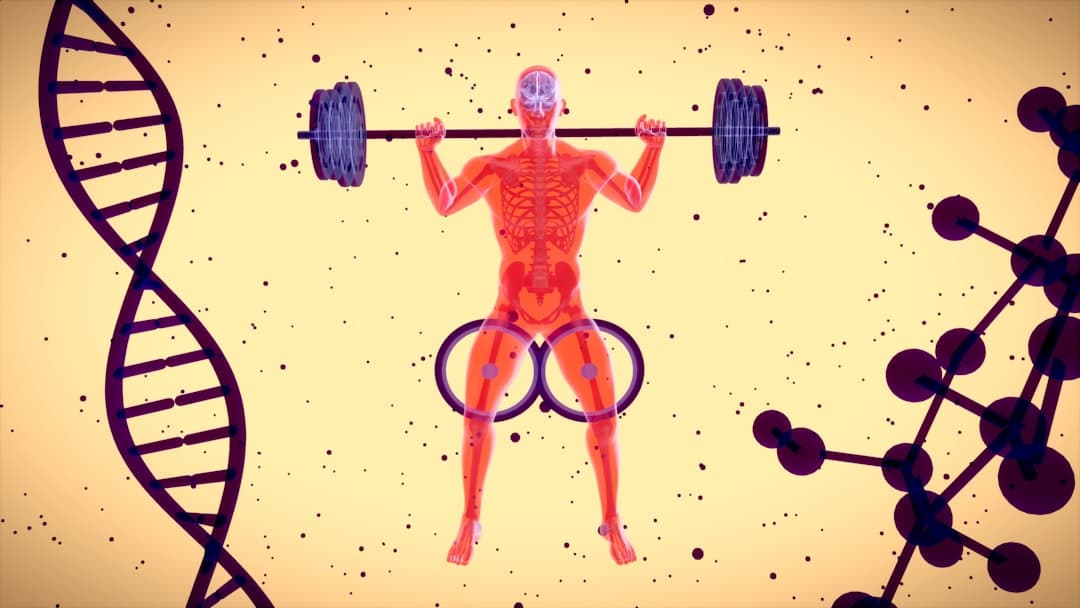
Most people think vitamin D is only about bones, or that “more is always better.” The video’s unique angle is different: a 2024 narrative review (with animal and mechanistic data) proposes that higher vitamin D status may change how the body allocates surplus calories, nudging energy toward muscle growth instead of fat storage by lowering myostatin signaling and improving leptin production or sensitivity. The discussion also ties leptin to appetite and inflammation, and explains why the speaker often pairs vitamin D with vitamins K2 and A, while monitoring calcium when aiming for higher blood levels.
🎯 Key Takeaways
- ✓The video spotlights a 2024 narrative review proposing a new “calorie allocation” model that integrates leptin and myostatin signaling, not just simple calories-in versus calories-out.
- ✓In the discussed animal data, restoring vitamin D to normal lowered myostatin, while higher doses mainly improved leptin sensitivity rather than further lowering myostatin.
- ✓Leptin is framed as both an appetite signal and an immune modulator, higher leptin is linked with more inflammatory tone, so improving leptin sensitivity may matter beyond weight.
- ✓The speaker’s practical approach includes aiming for higher 25(OH)D blood levels (often 65+ ng/mL), but watching serum calcium and considering K2 alongside vitamin D.
- ✓This is not a human randomized trial, it is mechanistic and animal-based evidence, so real-world effects in people remain uncertain and likely vary by baseline vitamin D status and health context.
What most people get wrong about vitamin D and body composition
Vitamin D gets treated like a one-trick nutrient.
Most conversations stop at bones, fracture risk, and maybe mood. The video takes a more metabolic view: vitamin D status might influence whether surplus calories are stored as fat or used to support muscle growth, at least in animal and mechanistic models.
A second common mistake is assuming sunlight makes deficiency unlikely. The speaker shares an anecdote tied to the “winter sun problem,” even in sunny places like Colorado. A key point is that sun exposure between October and March can be insufficient for meaningful skin production of vitamin D, a phenomenon popularized by vitamin D researcher Michael Holick. This seasonal limitation is consistent with broader public health explanations of why vitamin D deficiency is common at higher latitudes and during winter months, even for people who spend time outdoors (NIH Office of Dietary Supplements, Vitamin DTrusted Source).
The third mistake is thinking the only relevant question is “How many IU should I take?” This perspective shifts the focus to signaling pathways, especially myostatin and leptin, and to measurable outcomes like blood 25-hydroxyvitamin D (25(OH)D) and safety markers such as calcium.
Did you know? Vitamin D is not just a “vitamin,” it acts like a hormone precursor, and many tissues have vitamin D receptors, which is one reason researchers keep exploring effects beyond bone (NIH Office of Dietary Supplements, Vitamin DTrusted Source).
The 2024 review’s core idea: vitamin D as a “calorie allocation” signal
The centerpiece of the video is a 2024 paper titled High-dose dietary vitamin D allocates surplus calories to muscle growth instead of fat via modulation of myostatin and leptin signaling. The speaker emphasizes what it is and what it is not.
It is not a randomized clinical trial in humans.
It is a narrative review that leans on mechanistic and animal model data to propose a broader model of energy balance. The striking claim quoted in the discussion is that higher dietary vitamin D “preferentially allocates excess calories to muscle growth instead of storing them as fat” by decreasing myostatin signaling and increasing leptin production or sensitivity.
A different framing than “calories in, calories out”
The video’s unique framing is that energy balance is not only about how many calories you burn, it is also about where those calories go. In this model, leptin and myostatin act like coordinated signals that help the body decide whether extra energy supports muscle growth, linear growth, or fat storage.
The paper uses a memorable metaphor: if muscles are an engine, myostatin communicates not just how much fuel is being used, but how big the engine is. That matters because a bigger “engine” (more muscle) changes metabolic demands and can alter how the body handles a surplus.
This idea is appealing because it matches a real-world frustration. Two people can eat similarly and gain weight differently, one seems to gain more fat, another maintains more lean mass. The review proposes vitamin D status as one possible modifier of that partitioning, at least under certain conditions.
What the research shows: Animal and mechanistic work summarized in the 2024 review suggests vitamin D repletion can reduce myostatin signaling, and higher doses may improve leptin sensitivity, which together could influence whether surplus energy supports muscle versus fat.
Myostatin: the muscle “brake” vitamin D may influence
If leptin is the appetite and energy sufficiency signal, myostatin is framed as a muscle growth “brake.”
Myostatin is a protein involved in limiting muscle growth. The speaker mentions the well-known example of cattle with naturally low myostatin that appear extremely muscular, plus rare human genetic variants associated with unusually high muscularity. Those examples are not vitamin D studies, but they illustrate why lowering myostatin signaling is an attractive target in muscle biology.
Here is the nuance the video highlights: the animal data suggest a difference between correcting deficiency and going beyond normal.
That second point matters. It suggests there may be a threshold effect where the biggest myostatin-related benefit is from not being deficient, rather than endlessly escalating dose.
Why this could matter for body composition
If myostatin signaling is lower, muscle protein synthesis may face less inhibition, especially when combined with training and adequate dietary protein. In practical terms, the model implies that in a calorie surplus, the body might be more likely to invest some of that energy into lean tissue.
But this is also where the trade-off thinking comes in. Myostatin is not “bad” in every context. It is part of a regulatory system. Blunting it too aggressively, if that were possible in humans via supplements alone, could have unknown consequences.
So the actionable takeaway is not “chase myostatin suppression.” It is to recognize the plausible pathway, and to treat vitamin D repletion as one part of a bigger muscle-support plan.
Pro Tip: If you are lifting regularly and trying to gain muscle, correcting low vitamin D status may be a more defensible goal than aiming for extreme levels, because the review suggests the myostatin effect showed up most clearly with repletion to normal.
Leptin: appetite, fat mass, and the inflammation connection
Leptin is where the video becomes more than a muscle discussion.
Leptin is produced primarily by fat cells and signals the brain, especially the hypothalamus, about energy stores. When leptin signaling works well, higher fat mass generally increases leptin, which can reduce appetite and support energy balance. When leptin signaling does not work well, people can have high leptin and still feel hungry.
One specific detail from the video is a leptin number used as a practical marker of concern: leptin levels above about 29 ng/mL are described as a range where leptin resistance is often seen.
This is presented as analogous to insulin resistance. The hormone is present, sometimes in high amounts, but the signal is not being “heard” effectively.
Leptin as an immune signal (not just an appetite signal)
A distinctive part of the speaker’s viewpoint is that leptin is also a pleiotropic adipokine (meaning it has multiple effects beyond appetite). The discussion emphasizes that higher leptin can shift immune tone toward more chronic inflammation. That is why, in this framing, improving leptin sensitivity could matter for inflammatory conditions and overall immune balance.
This immune angle overlaps with what is known about vitamin D and immune regulation. Vitamin D is involved in immune function, and vitamin D receptors are found on many immune cells. Mainstream reviews describe vitamin D as an immunomodulator, although exactly how that translates to clinical outcomes depends on context and baseline status (NIH Office of Dietary Supplements, Vitamin DTrusted Source).
The video also brings in T-regulatory cells (T-regs), a type of immune cell involved in dampening excessive immune responses. The speaker notes that vitamin D can increase T-regulatory activity, and mentions interleukin-10 (IL-10) as one anti-inflammatory signaling molecule linked to this pathway. Probiotics, fermented foods, exercise, and lower excess body fat are also described as factors that may support a healthier immune balance.
The key bridge is this: if high-dose vitamin D improves leptin sensitivity in animal models, that could theoretically influence both appetite regulation and inflammatory tone.
Practical takeaways: testing, targets, and pairing D with K2 and A
The video is not shy about practical targets.
The speaker describes a clinical habit of testing vitamin D broadly, inspired by a mentor who saw improvements in blood pressure, glucose, mood, and sleep after raising low vitamin D levels. The dosing range mentioned from that clinical experience is 4,000 to 6,000 IU per day for many adults.
A second practical point is a target blood level. The speaker suggests aiming for 65 ng/mL or higher of 25(OH)D for many people, particularly during cold and flu season, and notes some clients reaching around 100 ng/mL under monitoring.
This is more aggressive than many mainstream targets. For comparison, the NIH fact sheet discusses sufficiency and risk thresholds and notes that excessive vitamin D can cause harm, particularly via hypercalcemia (NIH Office of Dietary Supplements, Vitamin DTrusted Source).
Why the video pairs vitamin D with K2 and vitamin A
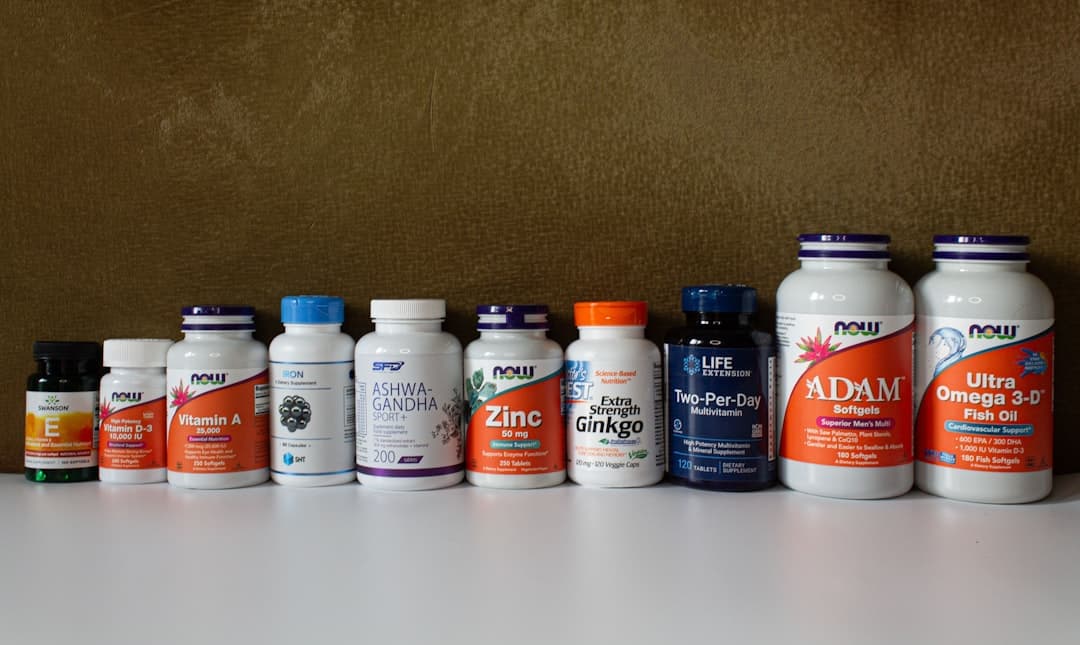
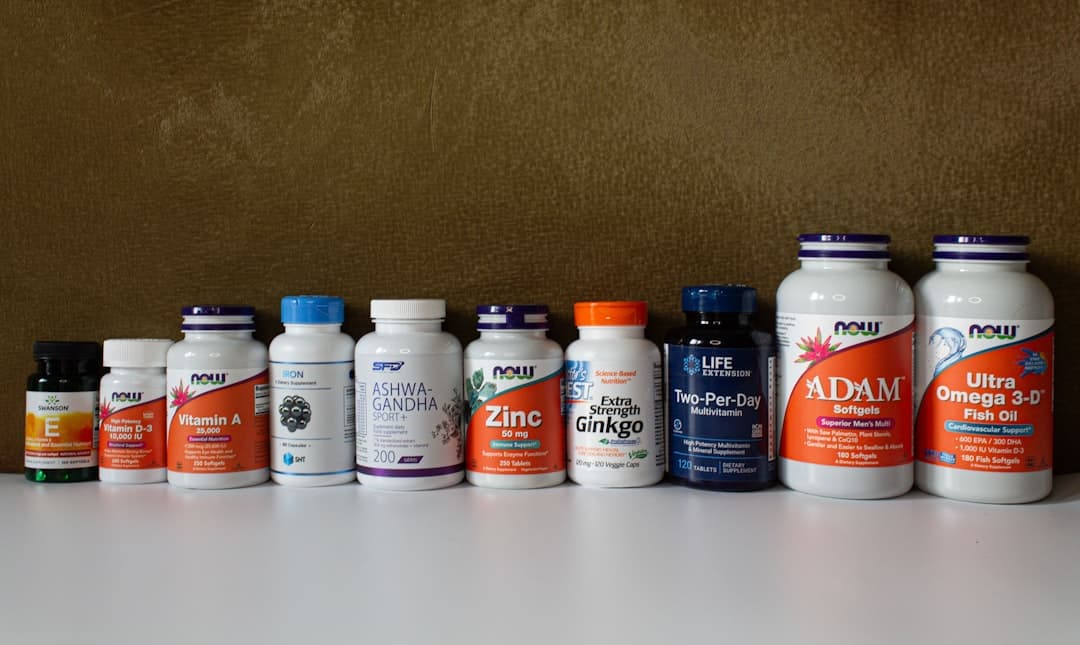
A unique element in the video is the supplement “stack” logic.
This pairing is also framed as food-based logic. Cod liver oil and some dairy foods contain both vitamins A and D, implying nature often packages them together.
The most important safety point raised is monitoring calcium when pursuing higher vitamin D levels. Vitamin D increases calcium absorption. Too much vitamin D can raise blood calcium, which can be dangerous.
Important: If you are using higher-dose vitamin D, it is wise to involve a clinician and monitor labs. Vitamin D toxicity is uncommon but can occur, typically showing up as elevated calcium and related symptoms. Mainstream guidance highlights hypercalcemia as the key risk of excess vitamin D (NIH Office of Dietary Supplements, Vitamin DTrusted Source).
A step-by-step way to approach this safely
If the video’s hypothesis interests you, a cautious, test-informed approach is the most reasonable interpretation.
Start with a baseline blood test (25(OH)D, and discuss whether calcium and kidney function labs make sense for you). This helps separate “repletion” from “escalation.”
Correct deficiency first, then reassess. The review’s story suggests the myostatin-related effect may be strongest when moving from low to normal.
Decide on a target range with your clinician. The speaker likes 65+ ng/mL, but individual factors matter, including medical history, medications, kidney function, and calcium balance.
Consider the co-nutrients thoughtfully. If you supplement vitamin D, ask whether vitamin K2 is appropriate for you, especially if you are on anticoagulants. Discuss vitamin A as well, since excessive preformed vitamin A can also be harmful.
»MORE: If you want a simple one-page tracker, create a “Vitamin D lab log” with date, dose, 25(OH)D level, calcium level, and any symptoms, then review it with your clinician at each retest.
Nuances and edge cases: when “high-dose” could backfire
The video’s enthusiasm is paired with an important limitation: the key paper is not a human randomized trial.
That single fact changes how strongly you can apply the conclusions. Animal models are useful for mechanism discovery, but humans differ in dosing, metabolism, body size, lifestyle, and genetics.
Here are the edge cases worth thinking through, using the video’s own logic and mainstream safety considerations.
If you are already sufficient, the marginal benefit may be smaller. The review suggests myostatin dropped with repletion to normal, but higher dosing did not necessarily keep lowering serum myostatin.
If you have conditions that increase hypercalcemia risk, extra caution is needed. Granulomatous diseases (like sarcoidosis) and some lymphomas can increase active vitamin D production, raising calcium risk. This is a clinician-level nuance, but it is exactly the kind of scenario where “high-dose for everyone” can go wrong.
If you take certain medications, interactions matter. Thiazide diuretics can raise calcium, and combining them with high vitamin D may increase hypercalcemia risk. People on warfarin should not add vitamin K2 without medical guidance.
If your goal is fat loss, leptin sensitivity is not a shortcut. Even if vitamin D improves leptin signaling, fat loss still depends on sustained behavior patterns, diet quality, sleep, stress, and activity. The video’s model is about “allocation” in a surplus, not magical fat melting.
A final nuance is children. The speaker recommends 2,000 IU per day for children, stating that 400 IU is too low for optimal growth, especially in winter. Mainstream pediatric recommendations vary by age and organization, and tolerable upper limits also vary, so parents should involve a pediatric clinician before adopting higher doses (NIH Office of Dietary Supplements, Vitamin DTrusted Source).
One punchy way to summarize the trade-off is this: higher vitamin D targets might offer metabolic upside for some people, but the safety margin narrows as you push levels higher, especially without lab monitoring.
Q: If high-dose vitamin D might improve leptin sensitivity, does that mean it reduces hunger?
A: It might in theory, because leptin helps signal energy sufficiency to the brain, and the reviewed animal data suggest higher vitamin D improved leptin sensitivity. But hunger is multi-factorial, sleep, stress, protein intake, food environment, and medications can all dominate appetite signals.
A practical approach is to treat vitamin D as one potential lever, not the lever. If you are deficient, correcting that deficiency may support overall health, and any appetite changes should be monitored rather than assumed.
Jordan Smith, RD (Registered Dietitian)
Q: Is it safe to aim for 65 to 100 ng/mL of 25(OH)D like the speaker mentions?
A: Safety depends on the person, the dose used, duration, and whether calcium and kidney function remain normal. Many public health sources emphasize avoiding excessive vitamin D because toxicity can cause hypercalcemia, which can be serious.
If someone is considering higher targets, it is reasonable to do it only with clinician oversight and periodic lab monitoring, especially if they have kidney disease, a history of kidney stones, or conditions that affect calcium metabolism.
A. Patel, MD, Internal Medicine
Key Takeaways
Frequently Asked Questions
- Is the evidence that vitamin D builds muscle in humans strong?
- The video centers on a 2024 narrative review with animal and mechanistic data, not a human randomized trial. Human outcomes likely depend on baseline vitamin D status, training, protein intake, and overall health.
- What labs are most relevant if someone is using higher-dose vitamin D?
- A common starting point is blood 25(OH)D to assess vitamin D status. Many clinicians also consider serum calcium and kidney function markers when doses are higher or when risk factors for hypercalcemia exist.
- Why do some people pair vitamin D with vitamin K2?
- The video’s rationale is that vitamin K2 supports proteins involved in calcium handling, potentially helping keep calcium directed toward bone rather than soft tissues. People on anticoagulants should discuss K2 with a clinician before using it.
- Does winter sun provide enough vitamin D?
- Often not, especially at higher latitudes, because UVB intensity can be too low for meaningful skin production during winter months. This is one reason vitamin D insufficiency is common and why testing can be helpful.
Get Evidence-Based Health Tips
Join readers getting weekly insights on health, nutrition, and wellness. No spam, ever.
No spam. Unsubscribe anytime.