Dr. Stacy Sims’ 30g Protein Morning Coffee
Summary
How do you get 30 grams of protein in before training without cooking breakfast? This video’s answer is refreshingly practical: build a protein coffee the night before. The key is mixing **protein powder** into **cold** milk first (to avoid clumps), then adding a double shot of coffee and chilling it. It is designed to feel effortless, so you start the day already “stacking” protein. This article breaks down the exact steps, why the cold step matters, and how to tailor it to your preferences while keeping caffeine and added sugar in mind.
How do you hit 30 grams of protein before training when you barely have time to find your shoes?
This approach answers that with one move: turn your morning coffee into a ready-to-drink protein dose.
Why add protein to coffee in the first place?
This perspective is all about removing friction. If you already drink coffee, adding protein can feel almost automatic, which makes it easier to be consistent.
The key insight here is “stacking up” protein early. Instead of hoping you will make a full breakfast, you start the day with a meaningful protein amount that you can build on later.
Did you know? Many active adults under-eat protein at breakfast, then try to “catch up” at dinner. Spreading protein more evenly across the day may support muscle protein synthesis, especially when paired with training (International Society of Sports Nutrition position standTrusted Source).
How to make Dr. Sims’ protein coffee (step-by-step)
The method is intentionally simple, and it is built around one non-negotiable detail: keep the mixing step cold.
The exact recipe shown
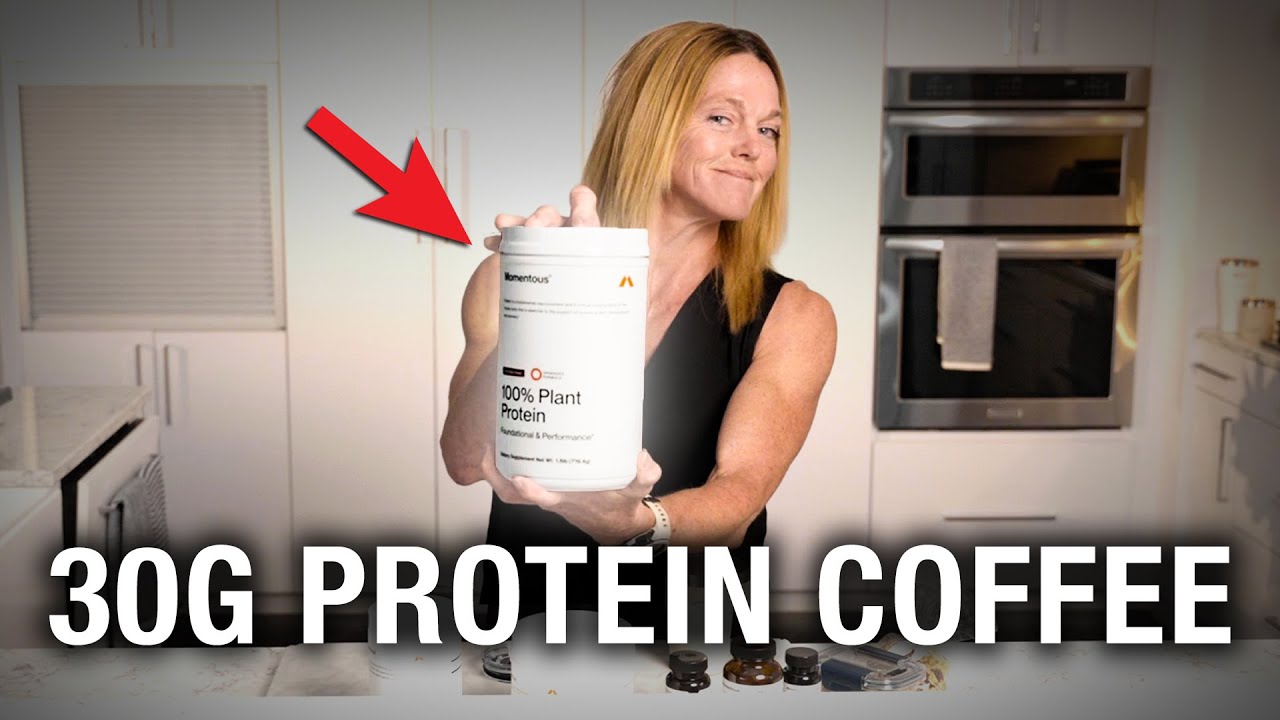
Measure the protein powder. Use about two level tablespoons, which the speaker notes comes out to about 30 g of pure protein. Check your tub’s nutrition label, since “two tablespoons” can vary by product.
Add cold milk first. Pour about 4 oz of milk, with a preference for unsweetened almond milk to avoid extra sugar. Stir until smooth.
Add coffee, then chill. Pour in a double shot of coffee, put the lid on, and store it in the fridge so it is ready first thing in the morning.
Pro Tip: Mix powder into cold liquid before coffee. Hot liquid can denature proteins and, more importantly here, makes many powders clump and turn “glugly,” which can ruin the texture.
Make it work for your body and routine
Chocolate protein makes it a mocha-style drink, but unflavored works too. The point is not the flavor, it is the repeatable habit.
A few practical tweaks that still match the video’s intent:
Important: If you have kidney disease, are pregnant, or have been told to limit protein or caffeine, ask a clinician for personalized guidance before making high-protein, high-caffeine drinks a daily routine.
Caffeine and protein, smart timing for training days
This drink is framed as pre-training. Caffeine can improve perceived energy and performance for some people, but sensitivity varies widely (Mayo Clinic on caffeineTrusted Source).
What the research shows: Position statements suggest caffeine can be ergogenic at about 3 to 6 mg per kg body weight for many athletes, though lower doses may still help and side effects increase with higher intake (International Society of Sports NutritionTrusted Source).
Expert Q&A
Q: Why does it have to be cold before you add coffee?
A: The practical reason is texture. Many protein powders clump in hot liquid, which makes the drink gritty and unpleasant, and that can kill consistency.
Cold mixing first helps the powder fully hydrate, then adding coffee becomes easy and smooth.
Dr. Stacy Sims, PhD
Key Takeaways
Frequently Asked Questions
- Can I mix protein powder directly into hot coffee?
- The video’s method recommends against it because hot liquid often makes protein powder clump and taste unpleasant. Mixing into cold milk first usually creates a smoother drink.
- Is 30 grams of protein in one drink too much?
- For many active people, 30 g can be a reasonable single serving, but needs vary by body size, goals, and medical history. If you have kidney disease, are pregnant, or have dietary restrictions, check with a clinician.
- Do I have to use almond milk?
- No. The recipe uses about 4 oz of milk of your choice, with a preference for unsweetened almond milk to keep sugar low. You can use dairy or other non-dairy options based on taste and tolerance.
Get Evidence-Based Health Tips
Join readers getting weekly insights on health, nutrition, and wellness. No spam, ever.
No spam. Unsubscribe anytime.