Raising Body-Confident Girls Through Strength
Summary
Many families treat girls’ training like a smaller version of boys’ sports. Dr. Stacy Sims argues that the bigger gap is education: puberty changes, body image pressure, and toxic sport culture can collide just as girls need support most. Her NextGen framing centers on practical tools for parents, coaches, and dads, starting with normalizing functional movement and strength training, not just sport practice. The goal is to build body confidence, reduce diet culture messaging, and create safer environments where girls can fuel, grow, and perform without shame.
🎯 Key Takeaways
- ✓Puberty education gaps can leave girls feeling confused or ashamed, while boys often get clearer expectations and support.
- ✓Strength training and functional movement can be a confidence builder, not just performance training.
- ✓Parents, coaches, and dads can actively counter diet culture by focusing on capability, skills, and health, not body size.
- ✓Sport environments matter, eliminating toxic culture can protect both physical and mental health.
- ✓Small, repeatable actions (language, routines, training variety) can shift a girl’s relationship with her body over time.
What most people get wrong about girls’ training
They assume sport practice alone is enough.
In the video, Dr. Stacy Sims is sitting in the car waiting for her daughter to get home from school so she can drive her to training, specifically strength training. Not soccer. Not surfing. Functional movement.
That detail matters because it flips a common script. Many youth programs treat strength as “extra” or only for elite athletes. This perspective treats it as foundational, a way to help girls feel capable in their bodies while they are changing fast.
Did you know? Puberty is a time of rapid bone building, and peak bone mass is strongly influenced by adolescence. Weight-bearing activity supports bone health, according to the NIH Osteoporosis and Related Bone Diseases Resource CenterTrusted Source.
Why functional movement and strength matter in the teen years
Strength training is not just about lifting heavy.
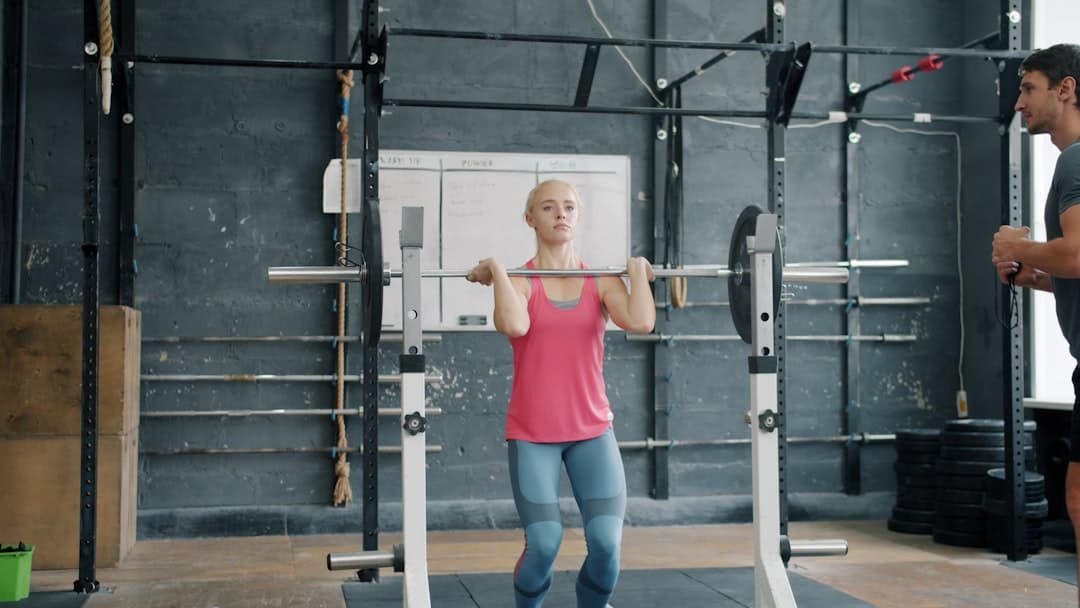
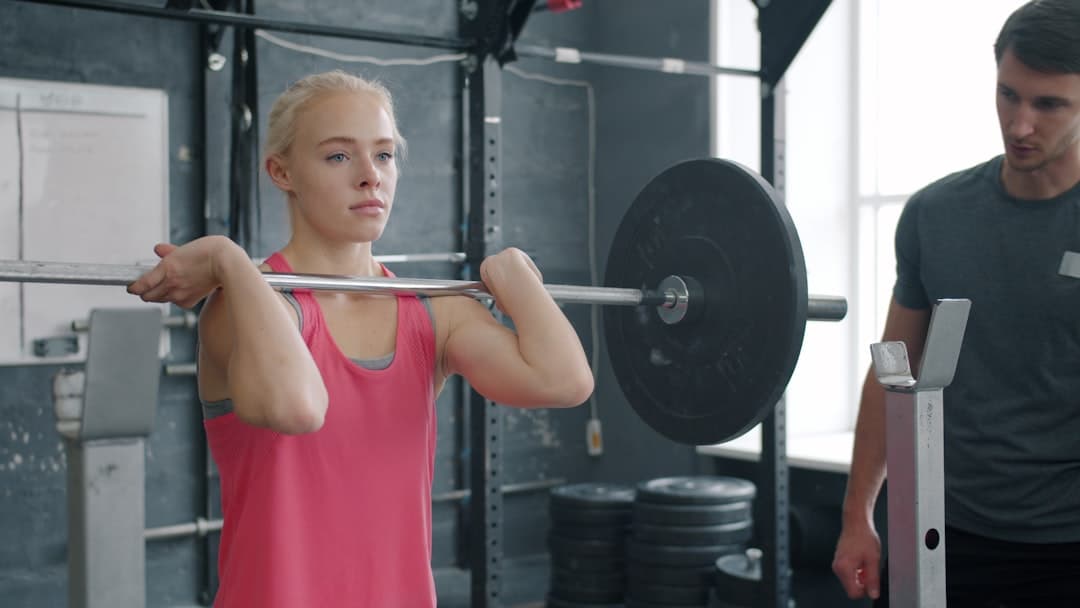
It can mean learning to hinge, squat, push, pull, land, and rotate with good mechanics, then gradually adding resistance. This can support coordination and resilience, and it may reduce injury risk when paired with age-appropriate coaching.
What “functional movement” can look like
What the research shows: Youth resistance training, when supervised and age-appropriate, can improve strength and fitness and is considered safe for most kids, per the American Academy of PediatricsTrusted Source.
Puberty changes need better, earlier education
The key insight is the education gap.
The video frames NextGen as being about puberty changes and the lack of awareness of what is happening with daughters versus sons. When girls do not get clear, shame-free explanations of normal changes, they can interpret normal development as “wrong,” especially in appearance-focused sports.
This is also where broader health outcomes show up. Puberty is tied to growth, bone density, menstrual cycle maturation, and mental health vulnerability. If a girl starts restricting food to manage body changes, it can snowball into low energy availability, missed periods, and stress fractures.
Important: If a teen has a missed period for 3 months or more after previously regular cycles, frequent stress injuries, dizziness, or rapid weight change, consider discussing it with a qualified clinician. Menstrual changes can be a health signal, not just an inconvenience.
Tools to squash diet culture at home and in sport
Dr. Sims’ goal is practical: give parents, coaches, and dads tools to navigate the “craziness” and build a body-positive, confident generation.
How to apply that idea this week
Pro Tip: Use capability language. Swap “I hate my legs” for “My legs help me sprint, jump, and surf.” It sounds simple, but repeated scripts shape body image over time.
Q: Does strength training make girls bulky during puberty?
A: Most teens do not gain large muscle size from strength training alone because muscle growth depends on many factors, including training volume, nutrition, and hormones. For many girls, strength work improves confidence and performance without dramatic size changes.
Dr. Stacy Sims, PhD
Key Takeaways
Frequently Asked Questions
- At what age can girls start strength training?
- Many kids can begin learning strength and functional movement once they can follow instructions and have qualified supervision. A pediatrician or qualified coach can help tailor activities to maturity level and sport demands.
- How can parents spot diet culture in youth sports?
- Red flags include weigh-ins, coaches commenting on bodies, pressure to restrict food, or treating weight loss as performance improvement. If you see these patterns, consider discussing concerns with the program leadership and your child’s clinician.
Get Evidence-Based Health Tips
Join readers getting weekly insights on health, nutrition, and wellness. No spam, ever.
No spam. Unsubscribe anytime.