What The Office Gets Right About Germs, STIs, Birth
Summary
The most useful takeaway from this reaction video is that “common sense” health logic often breaks down in real life. Washing hands does not “weaken” immunity, rabies is preventable only if treated before symptoms, and “negative” test results usually mean good news. The analysis also reframes herpes simplex as common and often mild, calls out stigma, and connects unintended pregnancy prevention to long-acting reversible contraception. Even comedic moments, like pepper spray chaos and baby “marking,” become reminders about workplace safety, eye irrigation, and hospital newborn security systems.
🎯 Key Takeaways
- ✓Handwashing and vaccines reduce spread in shared spaces, the “coddle your immune system” idea ignores how infections actually transmit.
- ✓Rabies is almost always fatal after symptoms begin, but post-exposure prophylaxis (PEP) plus thorough wound washing can dramatically reduce risk.
- ✓In medical testing, “negative” often means normal, “positive” often means something was detected, the wording can be confusing but important.
- ✓Oral herpes (HSV-1) is widespread and can be asymptomatic for years, stigma and blame are usually more harmful than the sore itself.
- ✓Unintended pregnancy is a serious public health issue, long-acting reversible contraception (IUDs, implants) reduces user error compared with daily pills.
- ✓Pepper spray exposure usually improves with time and water irrigation, but enclosed spaces can affect many people at once and can require medical evaluation.
The most important throughline in this reaction video is simple: a lot of health advice that “sounds tough” or “sounds logical” falls apart when you apply real-world biology and public health.
A workplace does not become safer because people stop washing their hands. Rabies does not become less scary because it is rare in the United States. And herpes does not become a moral failing because a sitcom character panics.
What’s interesting about this clinician-style breakdown is how it uses comedy scenes to teach practical risk thinking: what actually spreads disease, what actually prevents it, and where stigma and misinformation do the most damage.
The big theme: comedy exposes real health blind spots
The episode jumps from germs to hospitals to STIs to pepper spray to childbirth, but the pattern stays consistent. People overreact to the wrong things and underreact to the right ones.
One character fears hand sanitizer because it will “cost you your life,” while another worries rabies is contagious like an STI. In real medicine, the bigger concern is usually the boring stuff: consistent hand hygiene, timely vaccination, and knowing when to seek care.
This framing also matters for women’s reproductive health, even when the scene is not explicitly “gynecology.” Sexual health conversations often involve women’s bodies, pregnancy risk, and the uneven burden of stigma. The video’s perspective repeatedly returns to two points: infections can be common and mild, and prevention works best when it is practical, not judgmental.
Did you know? Rabies still causes tens of thousands of deaths globally each year, with most occurring in Asia and Africa, even though deaths are rare in the United States. This gap is largely about access to timely prevention.
Germs at work: the “vampire cough,” handwashing, and the hygiene myth
The “vampire cough” joke is a comedic way to teach cough etiquette: cough into your elbow instead of your hands. The point is not perfection, it is reducing how much respiratory mucus ends up on shared surfaces.
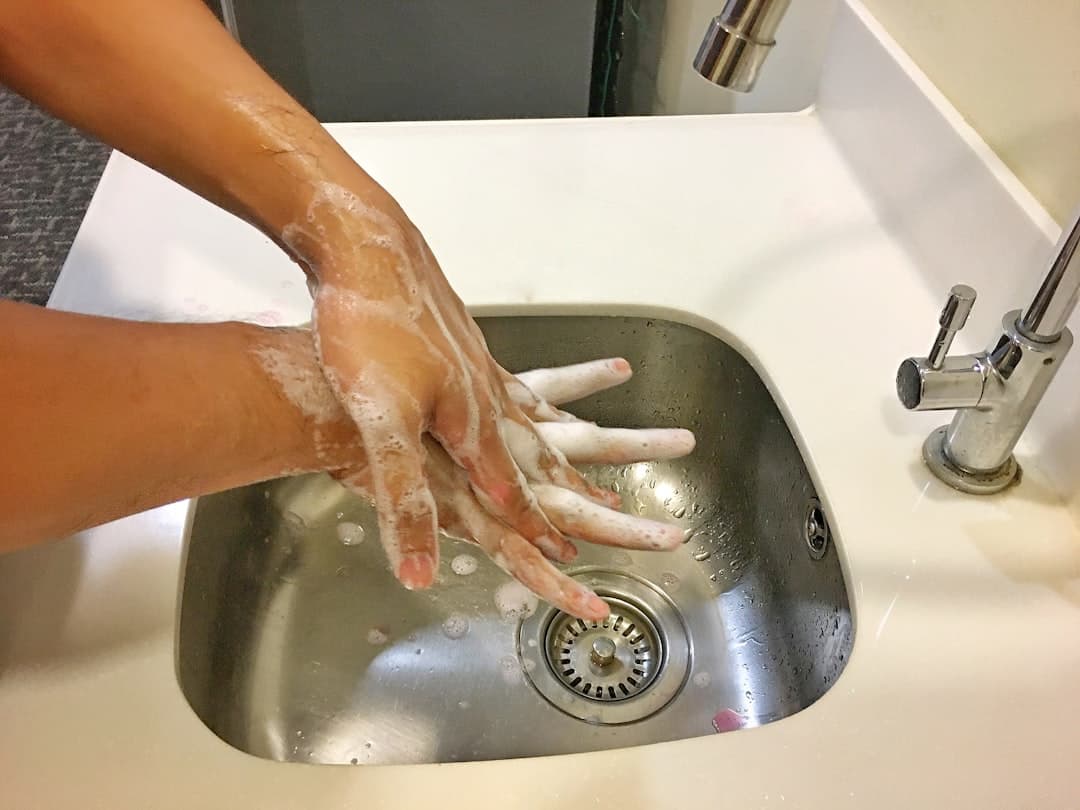
Handwashing is still one of the simplest, highest-impact tools in a shared indoor environment.
The hygiene hypothesis, but not the way people use it
A character argues that “coddling” the immune system is the worst thing you can do, and that exposure to germs is the best way to get stronger. The clinician reaction pushes back with nuance: yes, there is a “balance,” and the hygiene hypothesis is often discussed, but it does not mean you should invite infection by sneezing on coworkers.
This perspective highlights a common misunderstanding. Immune systems do learn from exposure, but “learning” does not require repeated preventable infections at the office. Many infections carry real risks, including complications, missed work, pregnancy complications for some people, and transmission to vulnerable family members.
Practical prevention is not the same thing as living in a sterile bubble. It is targeted behavior that reduces spread.
The key insight here is that “exposure” already happens in daily life. The goal is not to eliminate microbes, it is to reduce avoidable transmission.
Pro Tip: If you are sick and must be around others, combine strategies. Masking, elbow cough etiquette, and handwashing work better together than any single step alone.
Rabies: why timing, wound washing, and PEP matter
The hospital scene pivots to rabies after multiple animal bites, and the reaction correctly treats it as a time-sensitive emergency. Rabies is unusual, but it is not casual.
Once rabies symptoms begin, the disease is almost always fatal. Prevention depends on acting before symptoms.
What “PEP” means in real life
The video names the core concept: post-exposure prophylaxis (PEP). In practice, rabies PEP typically includes immediate wound care, a series of rabies vaccines, and in some cases rabies immune globulin, depending on the person’s vaccination status and the nature of the exposure. The goal is to give the immune system a head start before the virus reaches the central nervous system.
A crucial, easily missed step is wound washing. The reaction highlights that careful washing can reduce the chance of infection dramatically. Public health guidance also emphasizes immediate cleansing and medical evaluation after potential rabies exposure (CDC rabies post-exposure careTrusted Source).
How to respond after an animal bite (especially if rabies is possible)
Wash the wound right away. Use running water and soap, and flush thoroughly for several minutes. This is a simple step that can meaningfully reduce risk.
Seek urgent medical advice the same day. A clinician can assess the type of animal, whether it was available for observation/testing, and whether rabies PEP is recommended.
Follow the recommended vaccine schedule exactly. PEP is time-sensitive, and missed doses can undermine protection. If you are pregnant or immunocompromised, your care team may tailor the plan.
Important: Do not wait for symptoms to “see what happens.” With rabies, waiting is the danger.
What the research shows: Global rabies deaths remain concentrated in regions with limited access to vaccines and immune globulin, which is why prompt care and availability of PEP are central to prevention (WHO rabies fact sheetTrusted Source).
Test results language: why “negative” is often good news
A scene about possible skin cancer turns into confusion when the test result is “negative,” and a character is oddly upset. The reaction makes a point that many patients experience in real clinics: medical language is unintuitive.
In many tests, negative means the lab did not detect the disease marker being tested for. Positive means it did detect something.
That said, context matters. A “negative” pregnancy test may be good news for one person and upsetting for another. A “positive” screening test may require confirmatory testing rather than meaning you definitively have a disease.
If you are handed results without explanation, it is reasonable to ask:
»MORE: Consider keeping a one-page “My Health Results” note on your phone with your recent tests, dates, and what follow-up was recommended. It can reduce confusion when you see multiple clinicians.
Cold sores, genital herpes, and stigma: what the scene gets right
The “pimple vs cold sore” storyline is played for laughs, but the reaction treats it as a real sexual health teaching moment. A lip lesion might be a cold sore, but it might also be something else, and if you are unsure, getting it checked is reasonable.
A standout point in the reaction is normalization: herpes is common, many people have it, and many have mild or no symptoms.
HSV-1 and HSV-2 are not “one up here, two down there”
The discussion emphasizes that while herpes simplex virus type 1 (HSV-1) is commonly associated with oral herpes and type 2 (HSV-2) with genital herpes, either type can infect either location. This matters for counseling and for reducing shame, because the location does not define someone’s character or sexual history.
The reaction also notes a practical clinical reality: routine STI screening often does not include HSV blood testing unless there is a specific reason, such as symptoms that can be swabbed or pregnancy-related considerations. People may carry HSV for years without knowing.
According to CDC information, many people with genital herpes do not know they have it, and transmission can occur even without visible sores (CDC genital herpes overviewTrusted Source).
Stigma is the real “infection” in this scene. The panic, blame, and urge for revenge are understandable as emotions, but they are not helpful public health strategies.
Expert Q&A
Q: If I have had cold sores before, do I need to tell someone before kissing them?
A: It depends on context and your relationship, but the highest-risk time for transmission is when you have symptoms, including tingling, burning, or an active sore. Avoiding kissing and oral sex during that window is a practical harm-reduction step.
If you are in an ongoing relationship, a straightforward conversation can be helpful, especially if your partner is pregnant, immunocompromised, or has eczema, because complications can be more serious in certain situations. If you are unsure about your specific risk, a clinician can help you interpret your history and options.
Dr. Maya Lewis, MD, Obstetrics and Gynecology
Unintended pregnancy and contraception: reducing “human error”
The video briefly but pointedly reframes unintended pregnancy as a serious concern, especially for younger people who may not have financial stability, emotional readiness, or supportive circumstances.
This is where the women’s reproductive health lens becomes explicit. Pregnancy risk is not just a “consequence of sex” punchline. It is a life-changing outcome that deserves prevention strategies that match real human behavior.
Why long-acting reversible contraception (LARC) comes up so often
The reaction highlights a practical concept: methods that require perfect daily use create more opportunity for mistakes. Pills can be effective, but they depend on consistent timing, refills, and routines. LARC methods, such as IUDs and implants, remove much of that day-to-day burden.
This is not about one “best” method for everyone. It is about matching a method to someone’s goals, tolerance for side effects, medical history, and ability to use it consistently.
ACOG supports LARC as safe and highly effective for many people, including adolescents, and emphasizes shared decision-making and access (ACOG LARC guidanceTrusted Source).
Choosing contraception with a “systems” mindset
Start with your priorities. Are you trying to avoid pregnancy for a few months, a few years, or indefinitely? Do you want lighter periods, fewer cramps, or non-hormonal options?
Consider error-proofing. If your schedule is unpredictable, a method you do not have to remember daily may fit better.
Plan for STI protection separately. Many highly effective pregnancy prevention methods do not protect against STIs, so condoms and testing still matter.
Revisit the choice after life changes. Postpartum, after a new partner, or after side effects, it is normal to reassess.
Expert Q&A
Q: If I am worried about unintended pregnancy, is an IUD or implant “better” than the pill?
A: Many people find IUDs and implants easier because they are not dependent on daily routines, so real-world effectiveness tends to be higher. That said, “better” depends on your medical history, your bleeding preferences, and how you feel about hormones or procedures.
A good next step is to discuss options with a clinician who can review contraindications, expected side effects, and what to do if you want pregnancy soon. If STI risk is present, pairing contraception with condoms and regular testing is still important.
Dr. Maya Lewis, MD, Obstetrics and Gynecology
Pepper spray exposure and newborn safety: what real protocols look like
Two separate scenes, pepper spray in an office and a baby needing to be “marked,” end up teaching the same lesson: safety systems exist because panic is predictable.
Pepper spray, enclosed spaces, and eye irrigation
The reaction notes that pepper spray causes intense burning and tearing because of capsaicin exposure, and that enclosed, aerosolized exposure can affect many people at once. Most cases improve with time and decontamination, and water irrigation is often the simplest first step.
Still, symptoms can be frightening, and some people, especially those with asthma or other respiratory conditions, may have more severe reactions. Poison control centers commonly advise removing contaminated clothing, washing skin, and irrigating eyes with room-temperature water, and seeking medical care if symptoms are severe or persistent (Poison Control pepper spray guidanceTrusted Source).
Newborns are slippery, and hospitals plan for that
The childbirth joke about using a Sharpie to “mark” a baby lands because it plays on a real fear: infant mix-ups or abductions. The reaction counters with reality, hospitals use identification bands and security systems, including infant tags that trigger alarms if a baby is taken into restricted areas.
This is not just trivia. It is reassurance that modern maternity units use layered safeguards.
If you are delivering in a hospital, you can ask ahead of time:
These questions are normal, and good units expect them.
Key Takeaways
Frequently Asked Questions
- Is it true that hand sanitizer and handwashing weaken your immune system?
- Handwashing and alcohol-based sanitizer reduce the spread of germs, especially in workplaces where many people share surfaces. Immune health is not improved by intentionally spreading infections, and prevention helps protect higher-risk people around you.
- Can you catch rabies from being in the same hospital room as someone?
- Rabies is not spread through casual contact like sharing air in a room. It is typically transmitted through bites or saliva entering broken skin or mucous membranes, and exposures should be evaluated urgently.
- Why do doctors say a test is “negative” when that sounds bad?
- For many tests, “negative” means the lab did not detect what it was looking for, which is often reassuring. If you are unsure, ask what was tested and what follow-up, if any, is recommended.
- Is a cold sore the same thing as herpes?
- Cold sores are commonly caused by herpes simplex virus, often HSV-1. Many people carry the virus without symptoms, and outbreaks can be mild, so a clinician can help confirm what a sore is and discuss ways to reduce spread.
- What contraception is best for preventing unintended pregnancy?
- There is no single best option for everyone, but long-acting reversible contraception like IUDs and implants can reduce user error because you do not have to remember a daily pill. A clinician can help match a method to your health history and preferences.
Get Evidence-Based Health Tips
Join readers getting weekly insights on health, nutrition, and wellness. No spam, ever.
No spam. Unsubscribe anytime.