A 365-Day Lifting Challenge and Mental Wellbeing

Summary
A year-long, no-steroids lifting challenge between two brothers highlights a practical truth about strength training and wellbeing. One brother had 15 years of lifting experience and gained 2.7 lb of lean mass after a bulk and cut. The other started as a non-lifter with higher body fat and gained 10 lb of lean mass while dropping body fat from 36% to 29%. The story also includes a notable mental health observation, social anxiety feeling “almost gone,” which connects exercise habits to broader wellbeing. Results will vary, and training to failure 5 days per week may not fit everyone.
You start a new routine hoping it will help your body, then you notice something else changing too, like how you feel in social situations.
That is the heart of this 365-day, no-steroids muscle challenge between two brothers.
A relatable starting point: feeling stuck in your body and mind
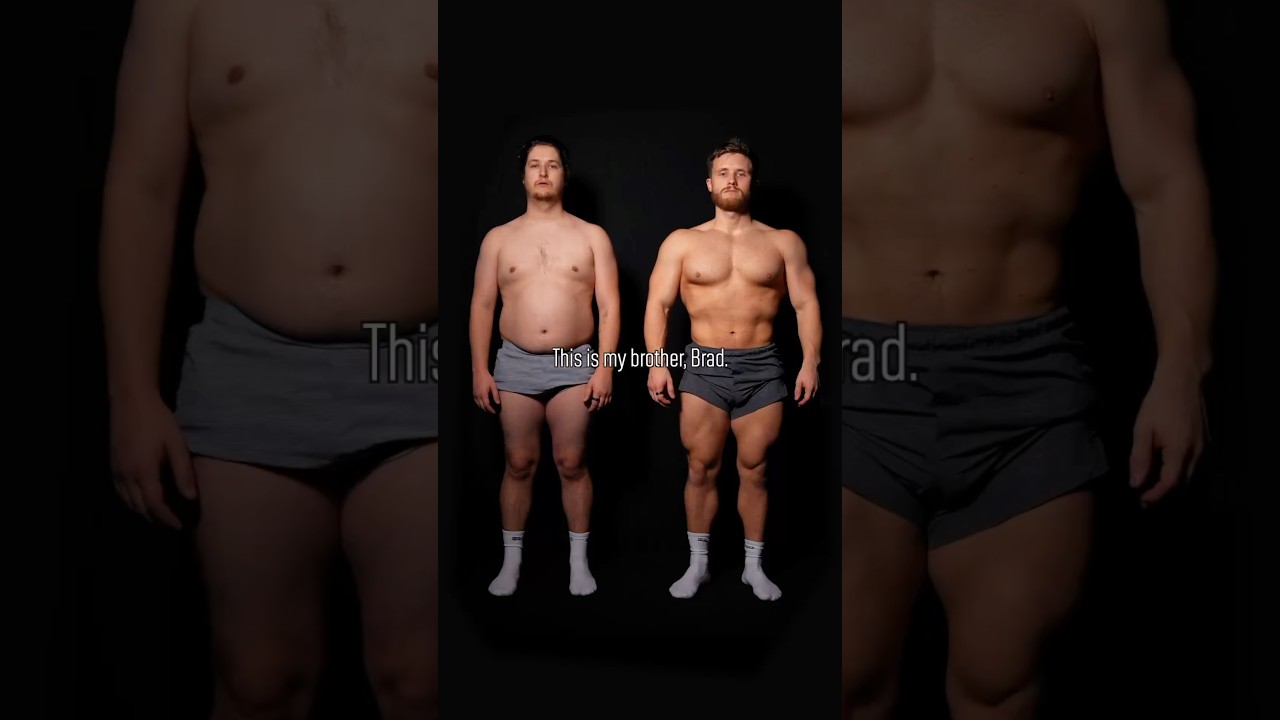
The setup is simple and personal: two brothers start at the same body weight, 165 lb, but with very different training histories and body composition. One has about 15 years of lifting and begins around 15% body fat. Brad is the only one in the family who does not lift, and he starts around 36% body fat.
The goal is not vague “getting fit.” It is a concrete year-long test of how much lean mass each can gain.
Did you know? Regular physical activity is linked with better mental health, and the CDC notes it can help reduce anxiety and improve mood in many people. Physical activity and mental healthTrusted Source
What the 365-day challenge actually did (and why it worked differently)
The training rule is intense: lifting 5 days a week, taking every last set to failure, “no exceptions.” That approach emphasizes effort and consistency, two ingredients that often drive early progress.
Why Brad gained more
The key insight is that beginners often respond fast to training because almost any well-structured stimulus is new. Brad gained 10 lb of lean mass over the year, while the experienced lifter gained 2.7 lb of lean mass.
That contrast fits a common pattern in strength training: the more trained you are, the harder it is to add new muscle.
What the research shows: The American College of Sports Medicine describes progressive resistance training as a proven way to improve strength and body composition over time, with programs tailored to experience level. ACSM resistance training guidanceTrusted Source
Bulking, cutting, and the real-world tradeoffs
The year includes a bulk that comes with a cost. One brother reports gaining 11 lb of fat during the bulk.
Then comes the cut, returning to the starting scale weight while keeping some of the new muscle.
Important: Training to failure 5 days per week can increase soreness and injury risk for some people. If you have depression, anxiety, chronic pain, or a medical condition, consider checking in with a clinician before adopting an all-out plan.
The mental health angle: social anxiety shifting with training
One of the most striking moments is not about physique at all: the experienced lifter notices his social anxiety is almost gone, and says it had been debilitating at times.
That does not mean lifting is a standalone treatment for depression or anxiety. But it does highlight how a consistent routine, physical challenge, and progress you can measure may support overall wellbeing.
Pro Tip: If “failure training” feels intimidating, aim for sets that stop with about 1 to 3 reps left in the tank at first. Many people can build strength this way while recovering better.
Q: Can strength training help depression or anxiety symptoms?
A: Research suggests exercise can reduce symptoms for some people, and resistance training is included in that broader evidence base. The effect varies, and it is usually best viewed as one tool alongside therapy, medication when indicated, sleep support, and social connection. If symptoms are severe or worsening, reaching out to a licensed mental health professional is important.
Jordan Lee, MPH
How to apply this safely if you are starting out
You do not need a 365-day “no exceptions” rule to benefit.
»MORE: Consider keeping a simple “training plus mood” journal for 2 minutes a day, noting workout completed, sleep quality, and one mood word.
Key Takeaways
Frequently Asked Questions
- Is training to failure 5 days a week necessary to build muscle?
- It is not necessary for many people. A more moderate approach, stopping a set when you feel you could do 1 to 3 more reps, may still build muscle while being easier to recover from.
- Why did the beginner gain more lean mass in the same year?
- Beginners often experience faster early gains because training is a new stimulus. People with many years of lifting usually need more precision and recovery to add smaller amounts of muscle.
- Can lifting weights help with social anxiety or depression?
- Exercise may help some people feel less anxious or depressed, and the video includes a personal report of social anxiety improving. Effects vary, so it is best used as one support alongside professional care when needed.
Get Evidence-Based Health Tips
Join readers getting weekly insights on health, nutrition, and wellness. No spam, ever.
No spam. Unsubscribe anytime.