Are Energy Drinks Unhealthy? A Practical Reality Check
Summary
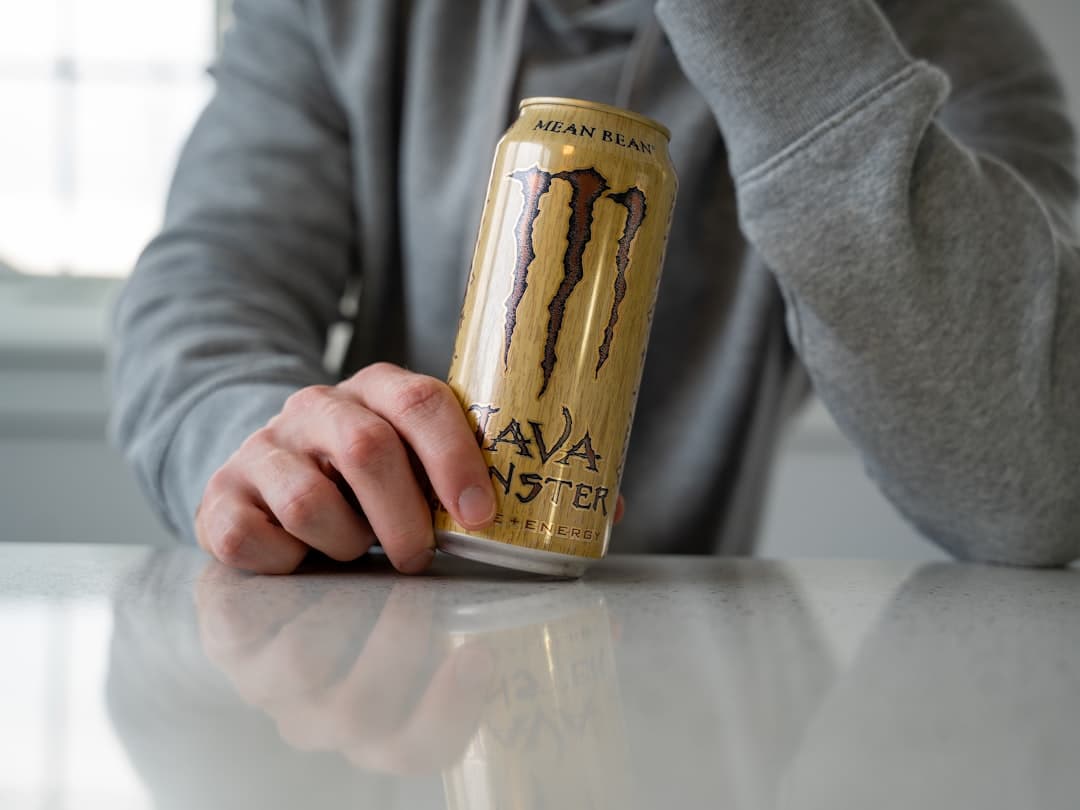
Energy drinks are not automatically “toxic,” but the practical risk is how easily they can disrupt sleep, increase jitteriness, and, in some people, contribute to heart rhythm symptoms. The video’s core perspective is blunt: an occasional energy drink is probably not a big deal for a young, healthy person, but widespread overconsumption is harming sleep and mental health at a population level. It also pushes back on sensational headlines about taurine and “turbocharged cancer,” pointing out the gap between mouse studies in specific cancers and everyday human use. The most actionable takeaway is to treat energy drinks like a performance tool, not a default beverage, and to protect sleep on purpose.
🎯 Key Takeaways
- ✓An occasional energy drink is unlikely to be catastrophic for most young, healthy people, but frequent use can meaningfully disrupt sleep and mood.
- ✓Sensational claims that taurine “causes cancer” often misrepresent limited animal or lab research and do not translate cleanly to everyday human risk.
- ✓The most common real world downside is sleep loss, which can ripple into mental health, cardiovascular health, and daytime performance.
- ✓Energy drinks can be associated with palpitations or heart rhythm symptoms in some people, especially with high caffeine intake or underlying risk factors.
- ✓Health choices are not only individual, the video highlights a policy angle, subsidizing sugary drinks may worsen long term health costs.
Energy drinks are not automatically “unhealthy,” but they are easy to overuse, and the downsides tend to show up through sleep and mental health.
That is the video’s most useful reality check: the scary headline is rarely the real problem, the day to day pattern is.
The bottom line first: energy drinks are not “instant cancer”
The framing here is intentionally blunt: life causes cancer. If you live long enough, your baseline risk of developing some form of cancer rises with age.
So when someone says, “My gym friends say energy drinks cause cancer,” the practical response is not panic, it is context. An energy drink every now and then is described as “probably not the end of the world” for someone who is young and otherwise healthy.
At the same time, this perspective does not let energy drinks off the hook. The concern is overconsumption, and not in an abstract way. Overuse can harm sleep, worsen mental health, and create knock on effects across cardiovascular and neurological health because sleep is foundational.
A helpful way to think about it is risk stacking. One can of an energy drink is not the same as daily high caffeine plus short sleep plus high stress plus alcohol on weekends plus minimal recovery.
Important: If you have chest pain, fainting, new or worsening palpitations, or severe anxiety after energy drinks, it is worth stopping the product and talking with a clinician promptly. Those symptoms deserve individualized evaluation.
The taurine and “turbocharged cancer” claim: what got exaggerated
The video calls out a specific media pattern: a dramatic headline takes a narrow study and turns it into a broad warning for everyone.
In this case, the ingredient taurine (spelled “torine” in some coverage) was linked by some outlets to “turbocharged cancer.” The key point is not that research should be ignored, it is that what was studied matters.
What the study actually means in plain language
The discussion highlights a common translation error:
That is not the same claim as “taurine causes cancer in healthy humans who drink energy drinks.” Those are completely different questions.
This is where skepticism is healthy. Animal studies can be valuable for early signals, but they are not a direct forecast of everyday human outcomes, especially when dose, metabolism, and context differ.
Did you know? Many health headlines begin as accurate scientific questions, but become misleading when the population changes from “mice with a specific disease” to “all humans in daily life.” Learning to spot that switch can protect you from unnecessary fear.
What the research can and cannot tell you
If you want a grounded approach, focus on what is already well established about energy drinks: caffeine exposure, sugar load (in sugar sweetened versions), and sleep disruption.
For caffeine, mainstream guidance generally suggests keeping total daily caffeine under 400 mg per day for most healthy adults. That threshold appears in the FDA’s overview of caffeineTrusted Source.
If you are pregnant or breastfeeding, or if you have certain medical conditions, the safer limit may be lower, and it is worth discussing with your obstetric clinician. The American College of Obstetricians and GynecologistsTrusted Source commonly advises limiting caffeine during pregnancy.
What actually makes energy drinks feel risky: sleep, anxiety, and the brain
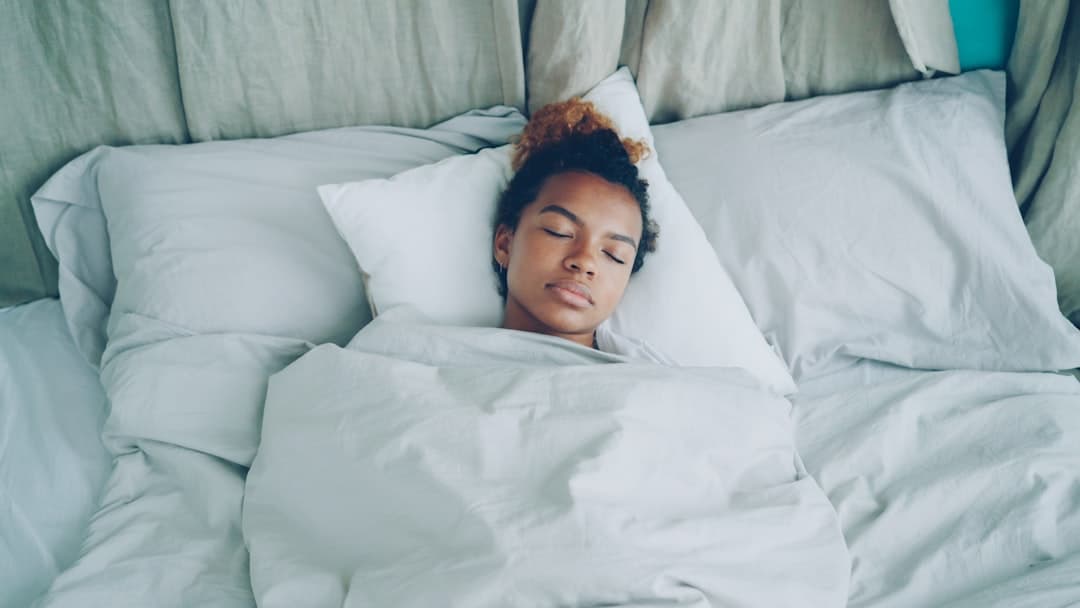
The most consistent through line is sleep. Not cancer headlines, not one ingredient, sleep.
Energy drinks are often used as a workaround for fatigue, but the trade can be brutal: you feel sharper now, then you sleep worse, then you need more stimulation tomorrow.
That loop can matter for depression and anxiety symptoms, even if the drink is not the root cause.
Sleep is the multiplier
The video connects energy drinks to sleep hygiene in a broader conversation about sleep paralysis and insomnia.
A key insight is simple: caffeinated products can make sleep problems worse, and improving sleep hygiene can reduce episodes for many people. Sleep paralysis is described as fairly common, with about 30 percent of adults experiencing at least one episode in their lifetime.
“30ish% of adults in their lifetime will have one episode of sleep paralysis.”
Even if you never experience sleep paralysis, the message stands, sleep disruption is not a small side effect. Poor sleep can worsen irritability, lower stress tolerance, and intensify anxiety sensations like a racing heart.
Caffeine’s timing matters because its effects can last for hours. The National Sleep FoundationTrusted Source explains that caffeine can stay in your system long enough to interfere with sleep, especially if used later in the day.
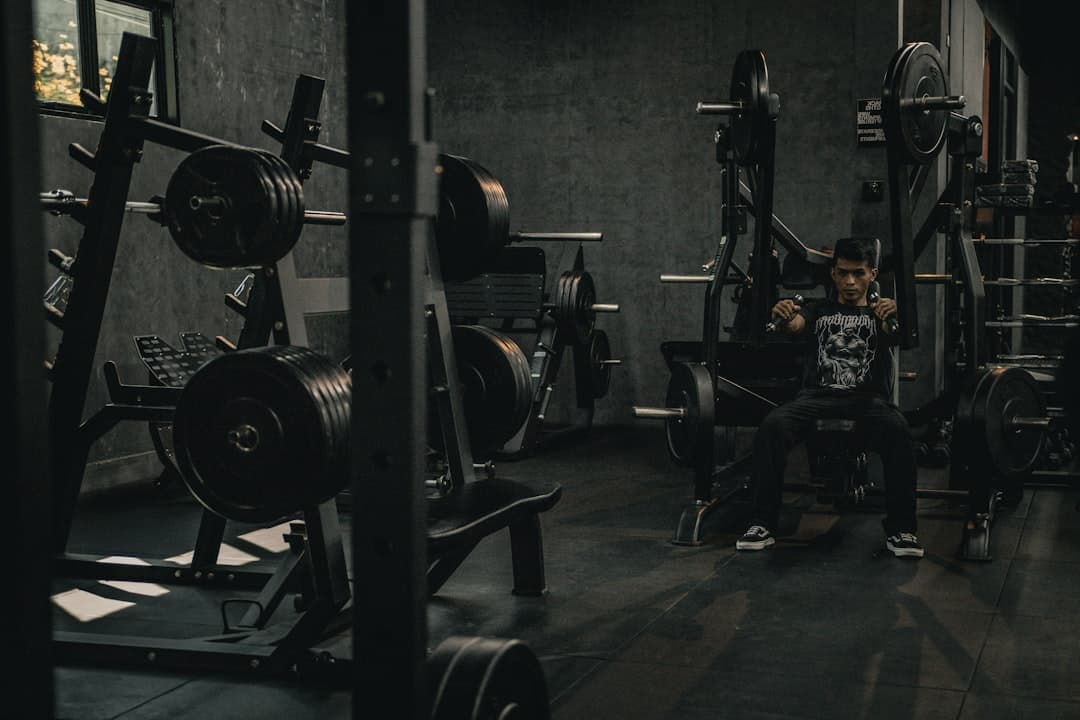
Pro Tip: If you use an energy drink for workouts, experiment with moving it earlier. A simple rule is to avoid caffeine in the late afternoon or evening so your brain has time to wind down.
“Sleep scores” and orthosomnia, when tracking backfires
The video also tackles sleep trackers in a way that ties back to energy drinks.
If you wake up refreshed and functioning well, a device telling you that your sleep was “bad” can create anxiety and actually worsen performance. That phenomenon has been described as orthosomnia, a preoccupation with achieving perfect sleep metrics.
This matters because energy drinks can become part of a perfection cycle, you chase performance, then chase recovery, then chase data, and anxiety rises.
A practical reframe is to use data as a clue, not a verdict. If you feel well, do not let a questionable score convince you otherwise.
When insomnia needs more than willpower
For persistent insomnia, the video points toward CBT-I (cognitive behavioral therapy for insomnia). CBT-I is widely recommended as a first line treatment for chronic insomnia by major guidelines, including the American Academy of Sleep MedicineTrusted Source.
Energy drinks can be a barrier to CBT-I working well because they reinforce the cycle of daytime fatigue and nighttime alertness.
»MORE: If you are stuck in a caffeine plus poor sleep loop, consider keeping a one week “sleep and caffeine log,” write down caffeine timing, amount, bedtime, wake time, and how you felt. Bring it to a clinician or therapist if symptoms persist.
Heart rhythm concerns: when “just caffeine” is not so simple
The video flags a specific risk that tends to get less attention than cancer headlines: heart arrhythmias.
Not everyone will experience this. But some people do notice palpitations, a pounding heartbeat, or a sense that their heart is skipping beats after high caffeine, especially when combined with stress, dehydration, or intense exercise.
Why energy drinks can feel different than coffee
Even when caffeine content is similar, energy drinks can be consumed faster, paired with workouts, or used on top of other caffeine sources.
Common patterns that can raise the risk of unpleasant symptoms include:
If you have a known heart condition, high blood pressure, panic disorder, or a history of arrhythmias, it is reasonable to ask your clinician whether energy drinks are a good idea for you.
What the research shows: Reviews have raised concerns that energy drinks may be associated with changes in heart rate, blood pressure, and electrical conduction in some individuals, particularly at high doses or in sensitive groups. For an overview, see discussion in medical literature summarized by sources like the National Center for Complementary and Integrative HealthTrusted Source.
A practical way to use energy drinks (if you choose to)
This is not a moral issue. It is a tradeoff issue.
If you choose to use energy drinks, the most practical goal is to get the benefit without accidentally stepping into the sleep and anxiety trap.
Quick checklist before you crack the can
Ask yourself two questions:
Am I using this to enhance performance, or to compensate for chronic sleep loss?
Will this dose likely interfere with my sleep tonight?
If the honest answer is “I am exhausted and it is already late,” the drink is more likely to cost you tomorrow than help you today.
How to use energy drinks with fewer downsides
This section is intentionally mostly bullets, because the choices are concrete.
Short version, if your energy drink improves one workout but ruins your sleep, it may be a net loss.
Expert Q&A box: energy drinks and cancer fear
Q: Do energy drinks cause cancer because they contain taurine?
A: The video’s point is that this claim is often based on overstated headlines rather than direct evidence in healthy humans. Some studies look at taurine in animal models or specific disease contexts, which does not automatically translate to everyday cancer risk from occasional energy drink use.
A more practical health focus is how energy drinks affect sleep, anxiety, and heart symptoms, because those are common and immediate. If you are worried due to personal cancer risk factors, it is reasonable to discuss caffeine and diet patterns with your clinician.
Dr. Mike, MD (video perspective)
The bigger picture: misinformation, news framing, and policy tradeoffs
A unique part of the video is that it does not stay purely personal. It zooms out.
The discussion links energy drinks to how news spreads, how stories get framed, and how public benefits programs intersect with health.
Why the same story looks different across outlets
The video uses the taurine story as an example of why comparing coverage matters. Some outlets emphasize fear, others emphasize nuance.
This is where the “Ground News” sponsorship fits into the message, not as medical advice, but as a media literacy point: misinformation often lives in the blind spots where you only see one angle.
If you tend to feel anxious after reading health news, you might benefit from slowing down and asking:
That simple checklist can reduce unnecessary fear spirals.
SNAP benefits and sugary beverages, a controversial but practical argument
The video also mentions Nebraska considering limits on using SNAP benefits for sugary sodas and energy drinks.
The reasoning offered is a systems level argument: if public funds subsidize unhealthy beverages, and those choices contribute to chronic disease, then society may pay again later through medical costs, including severe outcomes like dialysis.
You do not have to agree with the policy conclusion to take the health point seriously. Sugar sweetened beverages are strongly associated with weight gain and metabolic risk, and major organizations encourage limiting them, including the American Heart Association guidance on added sugarsTrusted Source.
This perspective is also a reminder that “personal choice” is shaped by environment, pricing, marketing, and stress. Energy drinks are not just a beverage, they are a business model built around urgency.
Expert Q&A box: energy drinks, depression, and sleep
Q: If I have depression, should I avoid energy drinks completely?
A: There is no one rule that fits everyone, but the video’s emphasis is that sleep disruption can worsen mental health, and energy drinks can make sleep harder. If you notice that caffeine increases anxiety, irritability, or insomnia, reducing dose or frequency is a reasonable experiment.
If depression symptoms are significant or worsening, it is worth talking with a clinician or therapist, especially if caffeine is being used to push through chronic fatigue.
Health writer summary of the video’s viewpoint
Key Takeaways
Frequently Asked Questions
- Is one energy drink a day too much?
- It depends on the caffeine amount, your total caffeine from all sources, and how it affects your sleep and anxiety. Many healthy adults aim to stay under about 400 mg of caffeine per day, but if daily use disrupts sleep or triggers palpitations, consider cutting back and discussing with a clinician.
- Do energy drinks cause cancer?
- The video argues that this claim is often based on sensational headlines rather than direct evidence in healthy humans. A more evidence grounded concern is that frequent energy drink use can impair sleep and worsen mental health, which can affect overall health over time.
- What is taurine, and is it dangerous?
- Taurine is an amino acid like compound commonly added to energy drinks. Some research explores taurine in specific disease models, but that does not automatically mean it is harmful for everyone, the bigger day to day issue is usually caffeine dose and sleep disruption.
- Can energy drinks cause heart problems?
- They can contribute to palpitations or heart rhythm symptoms in some people, especially with high caffeine intake, dehydration, or underlying heart risk. If you get chest pain, fainting, or persistent palpitations, stop the product and seek medical evaluation.
- Do sleep trackers help if caffeine affects my sleep?
- They can help you notice patterns, but the video warns that sleep scores can also create anxiety and reduce performance if you trust the number more than how you feel. If you wake up refreshed, do not let a questionable score convince you that you slept terribly.
Get Evidence-Based Health Tips
Join readers getting weekly insights on health, nutrition, and wellness. No spam, ever.
No spam. Unsubscribe anytime.