Depression
The 'Depression' niche delves into the intricacies of depressive disorders, exploring conditions such as major depressive disorder, dysthymia, and seasonal affective disorder. It covers topics including the psychological and physiological symptoms of depression, various treatment options such as antidepressants and psychotherapy, and the impact of lifestyle factors like sleep, diet, and exercise on mental health. This niche also addresses the challenges of living with depression, strategies for management, and the role of support systems and community resources.
All Articles

Stop Overthinking: The 9-Minute Brain Reset Plan
Overthinking can feel like your brain is “on” at 2:00 a.m., replaying a text, a mistake, or a conversation from years ago. This video’s core message is investigative and surprisingly hopeful: your brain is not broken, it is running a protective loop that has become unhelpful. The approach separates productive thinking from repetitive rumination, then maps the cycle (trigger, thoughts, feelings, behaviors, consequences). You will learn five common drivers (anxiety, perfectionism, fear of failure, painful memories, and a hyperactive default mode network) and a short, action-first plan: name the loop, use a timed worry window, and take small, safe steps forward.

Over-Ordered Medical Tests, What’s Worth It, What’s Not
It is easy to assume that more testing always means better care, especially when you feel anxious, exhausted, or depressed. This video’s core message is more practical: tests should be ordered when they are likely to change management, not just to “check a box.” Several clinicians highlight how low-value testing can create false alarms, extra radiation, unnecessary antibiotics, and spiraling worry. The video also makes an important exception for mental health: psychiatry often needs more basic medical testing, not less, because thyroid problems and other conditions can mimic anxiety or depression.

Why You Feel Responsible for Everyone’s Emotions
Many people think they are simply “empathetic,” but the video’s core insight is sharper: constantly managing a parent’s mood is often a childhood survival role that follows you into adulthood. Licensed therapist Katie Morton describes common family roles (hero, caretaker, mediator, scapegoat, mascot, lost child, golden child) and how “healthy intuition” can turn into exhausting mindreading. The article explains how this pattern can keep your nervous system on high alert, why it feels safer to keep fixing, and how to step out with awareness, boundaries, cognitive reframing, and compassion for the discomfort that comes with change.

Do You Need a Full-Body MRI? Anxiety, Risk, Proof
Most people assume a full-body MRI is either a miracle that “catches everything” or a reckless test that mainly creates false alarms. This conversation takes a different angle. Prenuvo CEO Andrew Lacy frames whole-body MRI as a proactive, information-first practice that may reduce health anxiety and catch disease earlier, even while long-term mortality data is still developing. The discussion also tackles false positives, overdiagnosis, and why major medical organizations do not recommend routine scans for asymptomatic people. If you are considering a scan, this guide helps you ask better questions and plan smarter follow-up.
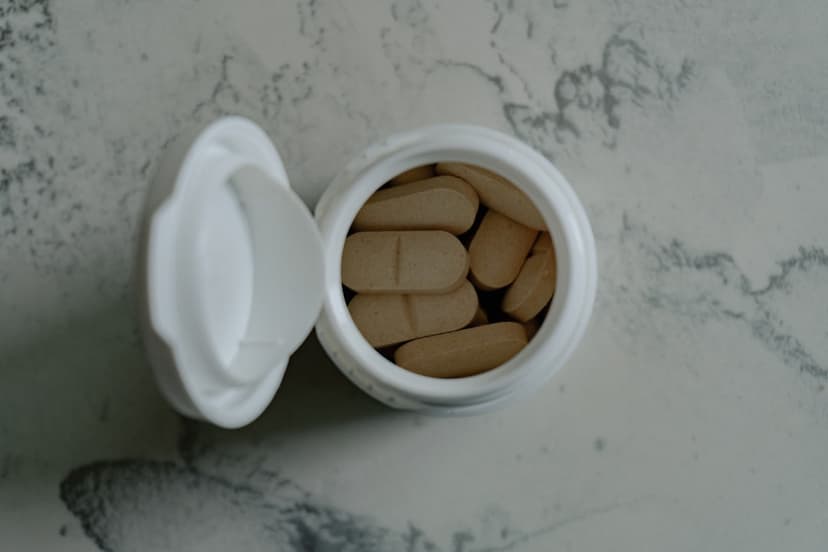
Creatine for Depression, What One Pilot Study Found
Can a muscle-building supplement help mood? In this Journal Club discussion, clinicians review an 8-week pilot trial that added 5 g/day creatine monohydrate to cognitive behavioral therapy (CBT) for depression. Both groups received CBT every 2 weeks, but the creatine group improved more on a validated depression questionnaire. The takeaway is optimistic but cautious: it is a small, single-region study with a high dropout rate, so it cannot change medical practice yet. Still, the framing is practical, creatine is generally affordable and widely used, and it may be worth discussing with a clinician as an add-on while also prioritizing exercise and therapy.

Why You Want to Run Away, and What to Do Instead
Wanting to run away is not always about travel or spontaneity. In this therapist-style perspective, the urge to disappear often builds when people pleasing and weak boundaries create a life that feels like a cage. Conflict feels unsafe, saying no feels like betrayal, and “vanishing” starts to look like the only relief. The way out is usually smaller and more practical than a plane ticket: define boundaries as actions, let others help, and rebuild daily space to reconnect with who you are. Research on boundaries, stress, and depression supports these steps as protective skills.

Bryan Johnson’s Advanced Guide to Better Sleep
This article breaks down the unique sleep framework discussed on Bryan Johnson’s podcast: treat sleep like a serious craft, protect bedtime like an appointment, and use a simple pre-sleep signal, your resting heart rate, to see whether your day set you up for quality sleep. The discussion connects late eating, stress, screens, travel, and intense TV to higher heart rate and worse sleep, then explores why that matters for willpower, mood, and depression risk. You will also find research-backed context on circadian rhythm, alcohol, and sleep deprivation, plus practical steps to build a repeatable wind-down routine.

A 365-Day Lifting Challenge and Mental Wellbeing
A year-long, no-steroids lifting challenge between two brothers highlights a practical truth about strength training and wellbeing. One brother had 15 years of lifting experience and gained 2.7 lb of lean mass after a bulk and cut. The other started as a non-lifter with higher body fat and gained 10 lb of lean mass while dropping body fat from 36% to 29%. The story also includes a notable mental health observation, social anxiety feeling “almost gone,” which connects exercise habits to broader wellbeing. Results will vary, and training to failure 5 days per week may not fit everyone.

Is it safe to take vitamin B6 with antidepressants?
For many people, vitamin B6 taken at typical supplement doses is unlikely to cause problems when used with common antidepressants. The main safety concern is taking too much B6 over time, which can cause nerve-related side effects, and using it without clinician guidance if you take multiple medications or have medical conditions.

Morning Light, Cortisol, and Mood: What Matters
Most people start the day with a phone screen or dim indoor lighting, but this video argues that is not enough light to meaningfully shift morning cortisol and daytime alertness. The key idea is simple but specific: get bright light early, ideally outdoors, or use a 10,000 lux light box, to support a healthier cortisol rise that may translate into better energy, focus, and mood. This perspective also highlights practical edge cases, like seasonal changes, inconsistent schedules, and when bright light could be a poor fit.
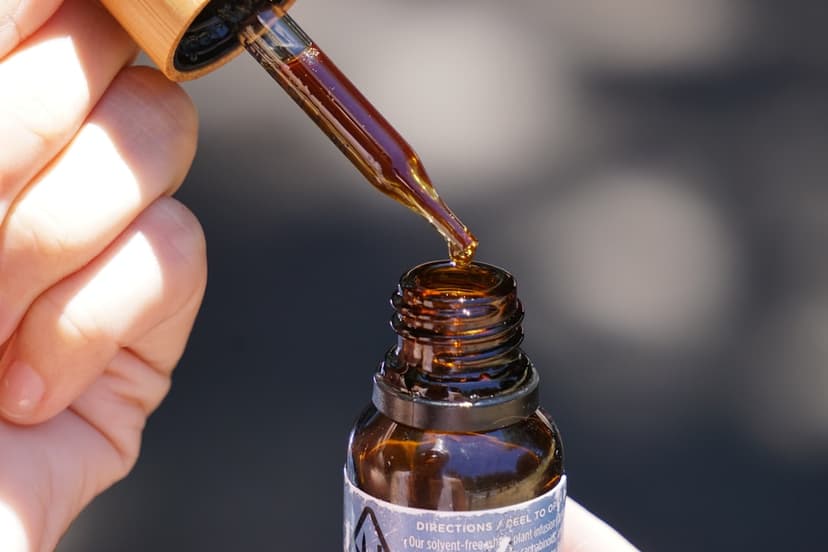
Can You Take CBD Oil While on Antidepressants?
CBD oil and antidepressants can sometimes be used together, but the combination is not automatically “safe” because CBD may change how your body metabolizes certain medications. The biggest concerns are increased side effects (like sedation, dizziness, or nausea) and, more rarely, more serious reactions. If you want to try CBD, it is generally recommended to speak with the clinician who prescribes your antidepressant first.

AI Deepfake Scams, Shame, and Mental Health Fallout
Most people think AI scams are mainly a tech problem. This video flips that idea, arguing scams are “99% psychology and 1% technology,” because they exploit urgency, fear, shame, and guilt. When a deepfake looks like a trusted doctor or even your child, the pressure to act fast can override good judgment. The emotional aftermath can be worse than the financial loss, including anxiety, self blame, and cognitive distortions that can worsen depression. This article breaks down the video’s key warning signs, simple verification steps, and ways to reduce stigma so people get support sooner.
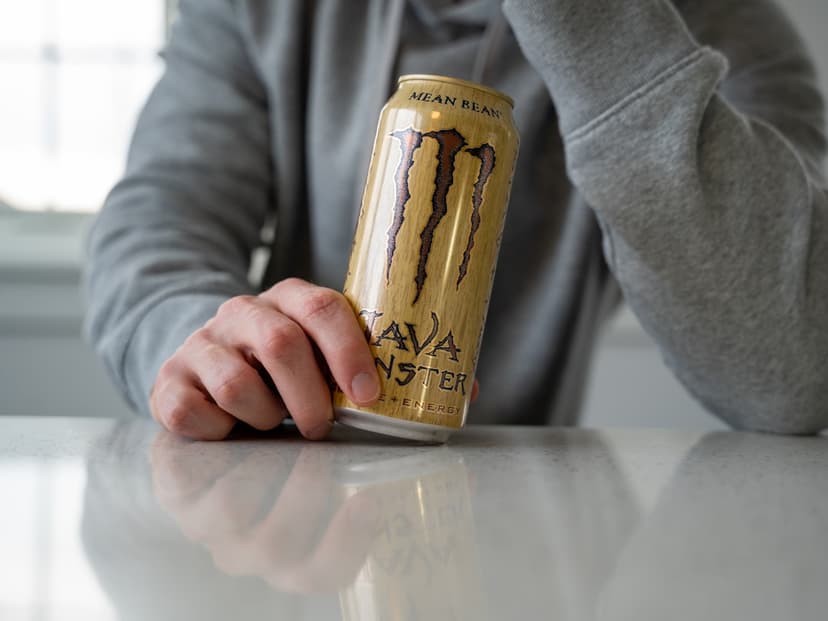
Are Energy Drinks Unhealthy? A Practical Reality Check
Energy drinks are not automatically “toxic,” but the practical risk is how easily they can disrupt sleep, increase jitteriness, and, in some people, contribute to heart rhythm symptoms. The video’s core perspective is blunt: an occasional energy drink is probably not a big deal for a young, healthy person, but widespread overconsumption is harming sleep and mental health at a population level. It also pushes back on sensational headlines about taurine and “turbocharged cancer,” pointing out the gap between mouse studies in specific cancers and everyday human use. The most actionable takeaway is to treat energy drinks like a performance tool, not a default beverage, and to protect sleep on purpose.

Can You Take Fish Oil With Antidepressants Safely?
For many people, fish oil can be taken alongside antidepressants without major problems, and some use it to support overall health. The main safety concern is a potential increase in bleeding or bruising, especially if you also take blood thinners, have a bleeding disorder, or are preparing for surgery. Check with your prescriber or pharmacist before starting, particularly if you take multiple medications or have complex health conditions.
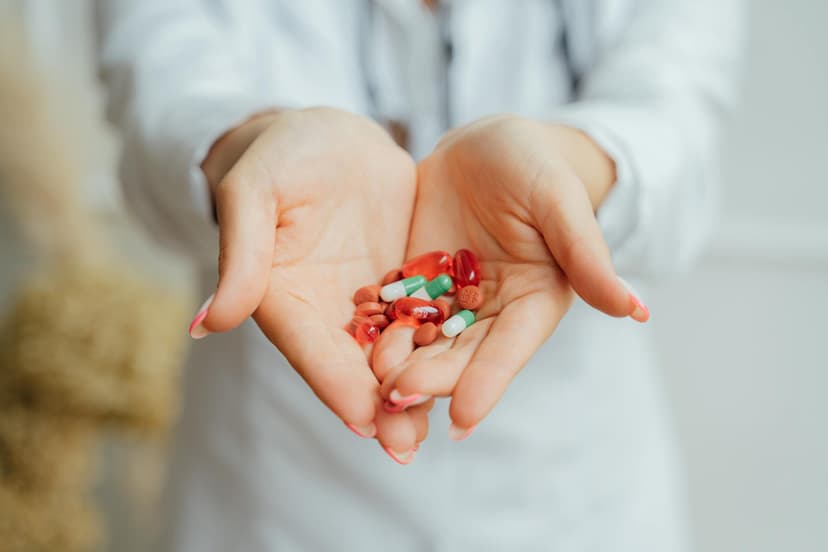
Melatonin With Antidepressants: Is It Safe?
Melatonin is often used short term for sleep, and many people on antidepressants can take it, but it is not risk-free. The main concerns are extra drowsiness, next-day impairment, and potential interactions that depend on the specific antidepressant and your health history. It is safest to check with your prescriber or pharmacist before starting, especially if you take multiple mental health medicines.