Herbal Remedies
The Herbal Remedies niche explores the use of plant-based solutions for health and wellness, focusing on the therapeutic properties of herbs such as ashwagandha, turmeric, and ginseng. Topics include the treatment of specific conditions like stress, inflammation, and fatigue, as well as the integration of herbal supplements into a holistic lifestyle approach. This niche also covers traditional and modern perspectives on herbal medicine, safety considerations, and the interplay between herbal remedies and conventional treatments.
All Articles
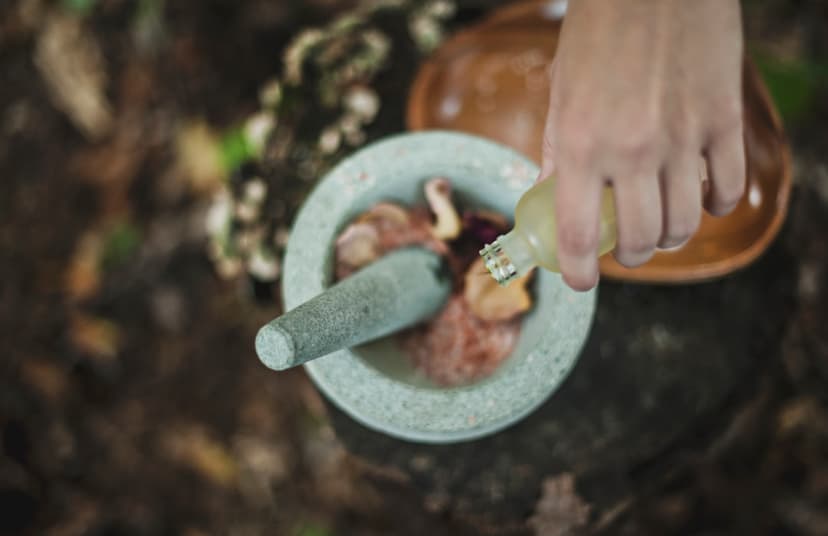
Turmeric and anticoagulants: is it safe to combine?
Turmeric (especially concentrated curcumin supplements) can increase bleeding risk when taken with anticoagulant medicines. Many clinicians recommend avoiding turmeric supplements unless your prescriber specifically says it is OK. Small amounts used in cooking are often tolerated, but you should still check with your anticoagulation team first.
Melatonin vs valerian root: which helps sleep more?
Melatonin tends to be a better fit for sleep timing problems (like jet lag or a shifted schedule), while valerian root is more often used for general restlessness or trouble winding down. Neither is “best” for everyone, and effects vary by person and product quality. If you take other medicines, are pregnant, or have ongoing insomnia, check with a healthcare professional before trying either.
Valerian Root With Antidepressants: Is It Safe?
Valerian root is not considered a universally safe add-on to antidepressants because it can increase drowsiness and may interact with certain antidepressant types. The safest approach is to avoid combining them unless your prescribing clinician or pharmacist confirms it is appropriate for your specific medication and health history.
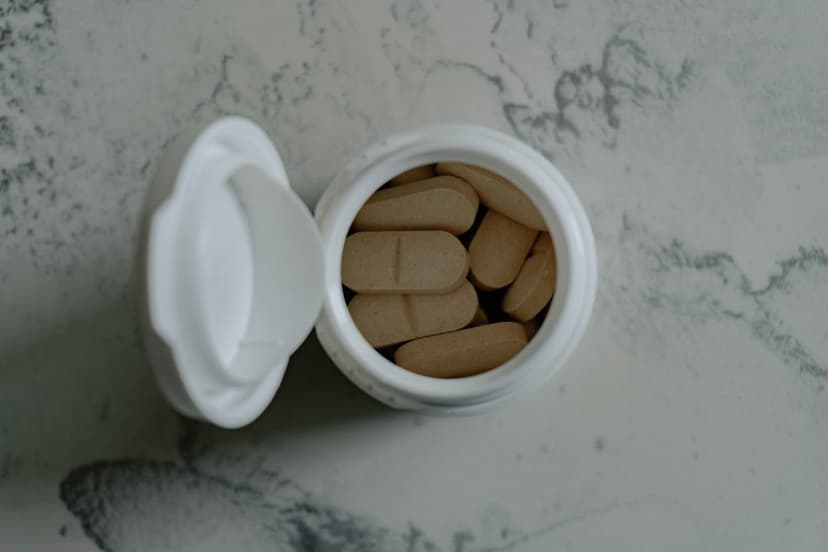
Antidepressants and Herbal Supplements: Is It Safe?
Taking antidepressants with herbal supplements is not always safe, some combinations can raise side effect risk or reduce how well your medication works. The safest approach is to check every supplement (even teas and “natural” blends) with a healthcare professional before combining them.
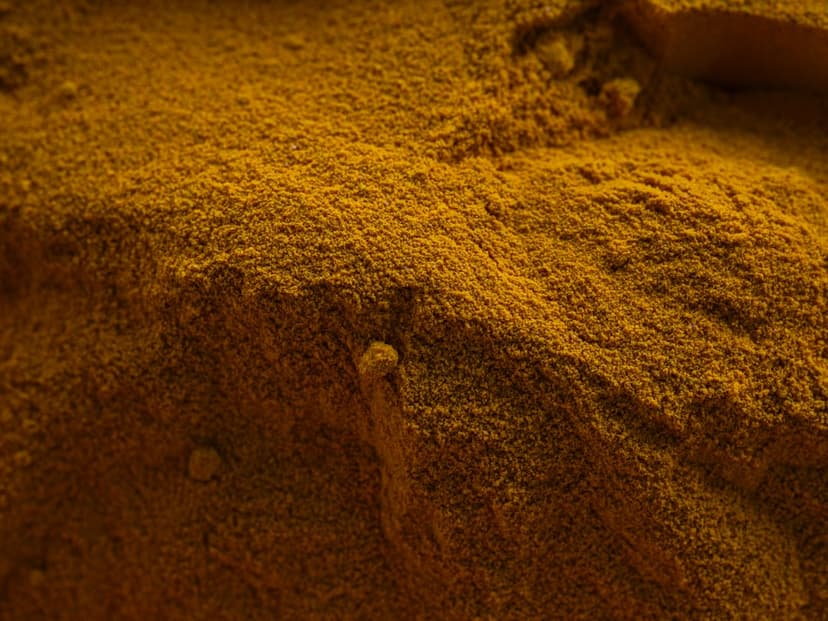
Turmeric vs ginger for inflammation: how to choose
Turmeric and ginger can both support a healthy inflammatory response, but they tend to shine in different situations. Turmeric is often chosen for longer-term joint and tissue support, while ginger is commonly used for digestion-related discomfort and day-to-day aches. The best choice depends on your symptoms, medications, and how you plan to take them.
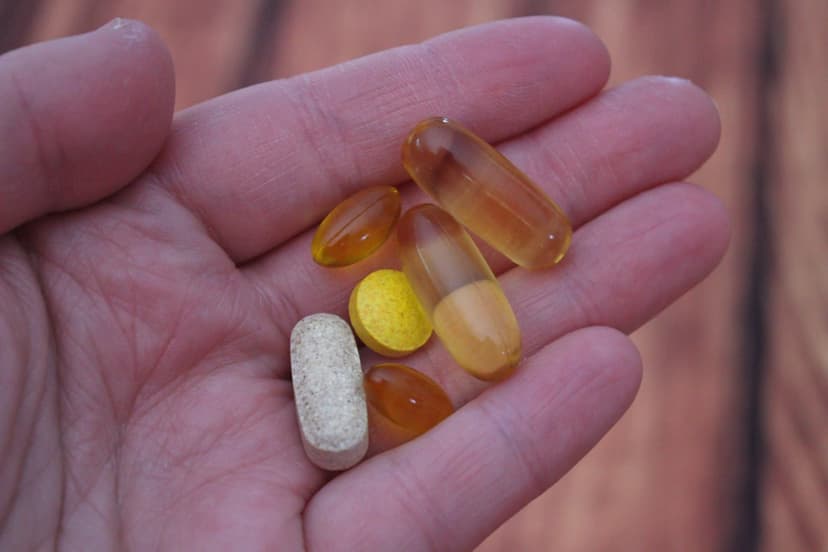
Is it safe to take turmeric with blood thinners?
Often, it is not considered a safe combination to take turmeric supplements while using blood thinners, because it may increase bleeding risk. Small amounts of turmeric in food are usually less concerning, but you should still check with your prescriber or pharmacist before combining them.
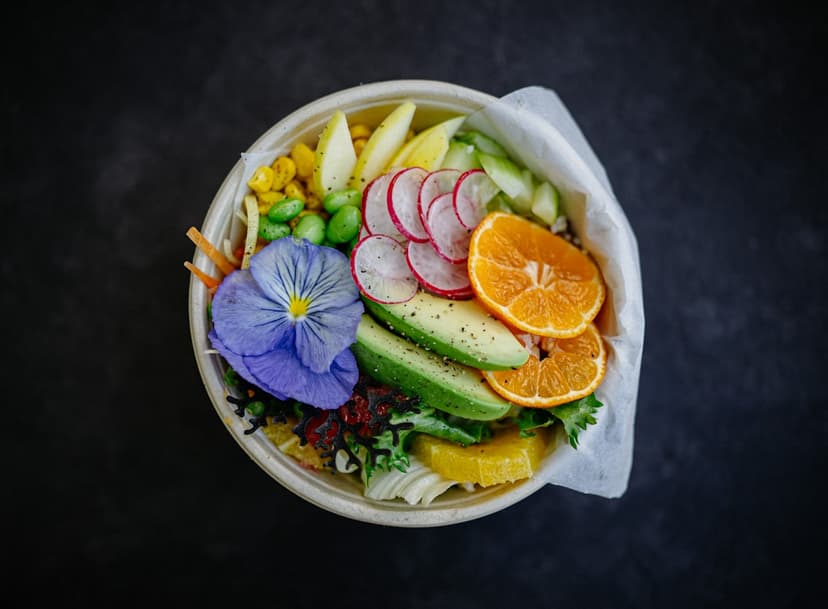
10 Anti-Inflammation Superfoods, A Root-Cause View
Most people ask, “What single food kills inflammation?” This video’s answer is more challenging and more useful: inflammation is a response, so the first move is removing what triggers it, then using nutrient-dense foods to rebuild metabolic and gut resilience. The list mixes animal foods, plant foods, and two add-ons (green tea and turmeric), with heavy emphasis on insulin resistance, omega-3 balance, and the gut barrier. You will also learn why decaf green tea may not deliver the EGCG you expect, and why turmeric’s reputation may come mostly from gut effects unless absorption is improved.
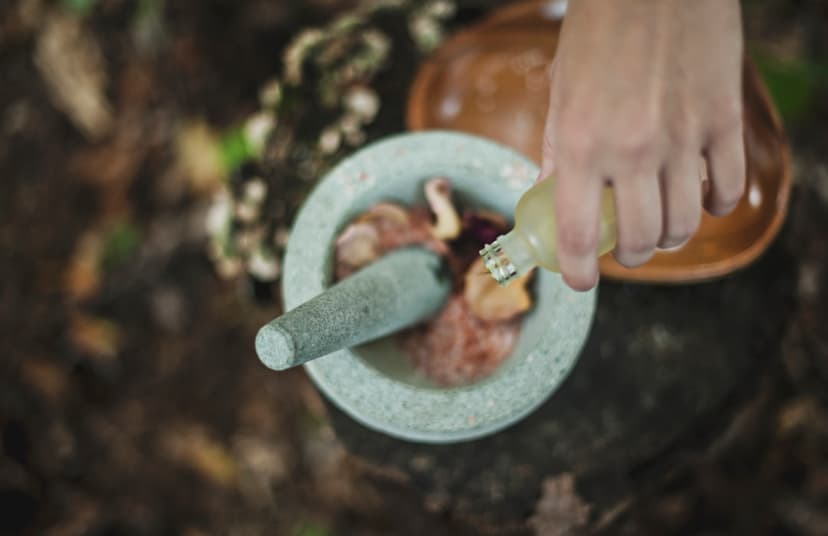
Exploring Daily Turmeric: Insights from Experts
Turmeric, a spice with a history in traditional medicine, is gaining attention for its potential health benefits. Experts Dr. Paul Zalzo and Dr. Brad discuss turmeric's active ingredient, curcumin, and its anti-inflammatory properties. They highlight the importance of combining turmeric with black pepper for better absorption and share insights on its impact on joint health, cognition, and potential risks.