Is it safe to take turmeric with blood thinners?
Summary
Often, it is not considered a safe combination to take turmeric supplements while using blood thinners, because it may increase bleeding risk. Small amounts of turmeric in food are usually less concerning, but you should still check with your prescriber or pharmacist before combining them.
The Short Answer
Turmeric contains curcumin and other compounds that may affect how blood clots. When you are already taking a blood thinner, adding turmeric (especially concentrated supplements) can tip the balance toward easier bruising or bleeding.
Most clinicians recommend avoiding turmeric or curcumin supplements unless your anticoagulation clinician specifically OKs it. This is particularly true if your blood thinner requires close dose monitoring.
Food use is different. Using turmeric as a spice in normal culinary amounts is generally viewed as lower risk than capsules, extracts, or high-dose “anti-inflammatory” products, but it is still worth a quick medication review.
Important: Do not start, stop, or “test out” turmeric while on blood thinners without checking in first. Sudden changes in supplements can change bleeding risk, and in some cases can affect medication levels or monitoring results.
Why turmeric can be risky with blood thinners
Blood thinners work by reducing the blood’s ability to form clots, either by interfering with clotting factors or by reducing platelet activity. Turmeric may add to these effects through mild antiplatelet and anticoagulant-like actions reported in lab and limited human data.
That does not mean turmeric is “stronger” than your medication. The concern is unpredictability, since supplement potency varies widely and your individual response can differ based on age, liver and kidney function, and other medications.
Another issue is product formulation. Many curcumin supplements are combined with ingredients that increase absorption (often labeled as “enhanced bioavailability”). That can raise exposure compared with turmeric powder used in cooking.
Your body’s drug processing and drug Clearance can also change with illness, dehydration, or starting new medicines. When several small factors stack up, bleeding risk can rise faster than people expect.
Who should be especially cautious (or avoid it)
Some people can tolerate culinary turmeric without problems, but the risk calculation changes if you have other bleeding risks.
Be extra cautious, and consider avoiding turmeric supplements entirely, if any of these apply:
Access to consistent follow-up matters, too. If you have barriers to timely medication review or lab checks, improving Universal Access to Healthcare can be a safety issue, not just a convenience.
Food vs supplements: how to think about “dose” safely
Most guidelines and clinical practices treat turmeric in food differently from turmeric supplements because the concentration is much lower and the exposure is more consistent.
Turmeric in food: A pinch or teaspoon used in cooking is typically intermittent and diluted across meals. For many people on blood thinners, clinicians may consider this acceptable if it is consistent and you are not having bleeding symptoms.
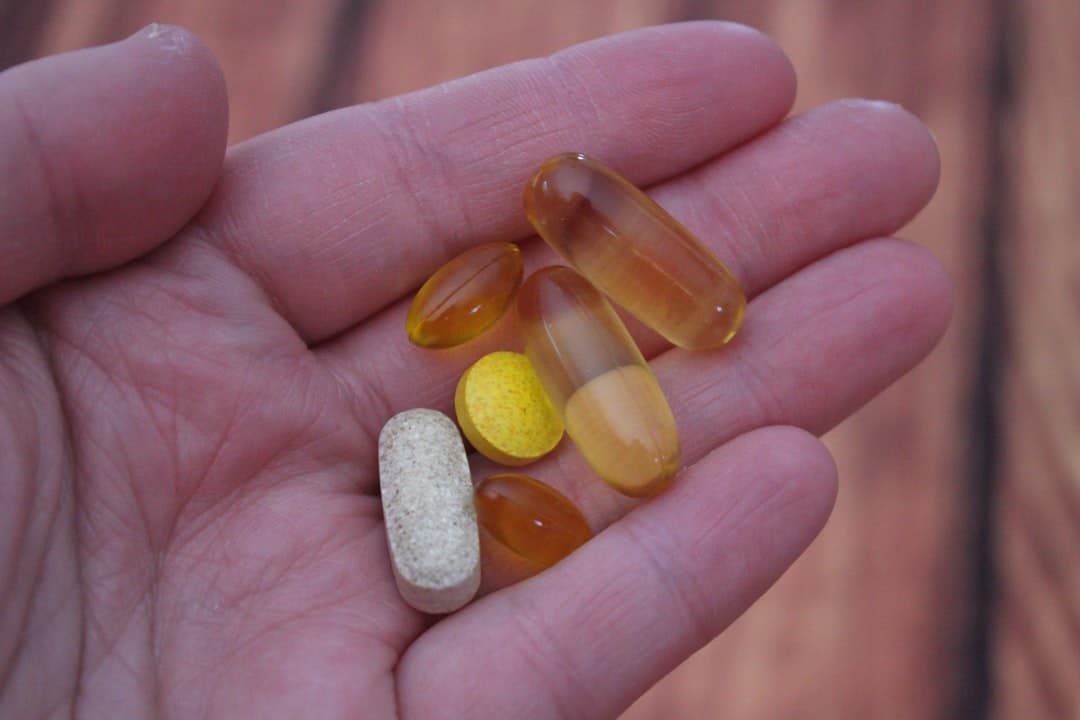
Supplements (capsules, extracts, shots, gummies): These can deliver far more curcumin than food, sometimes with absorption boosters. Labels do not always reflect real potency, and products can vary between brands and even between batches.
If you want to use turmeric for joint pain or inflammation, it is reasonable to ask your clinician about alternatives with a clearer safety profile for your specific medication list. Some options may involve physical therapy, topical treatments, or other approaches that require only Moderate Effort but reduce the interaction risk.
Pro Tip: If your clinician says culinary turmeric is okay, keep your intake consistent week to week. “Occasional mega-doses” (for example, turmeric shots for a few days) are more likely to cause surprises than steady, small amounts.
Warning signs: when to stop and get medical advice
If you are on a blood thinner and you start turmeric, stop it and seek medical advice promptly if you notice signs of abnormal bleeding.
Watch for:
If you have chest symptoms or shortness of breath, that is a separate emergency pathway. People sometimes focus only on bleeding and forget that blood thinners are also used to prevent dangerous clots.
Key takeaways for safer decision-making
(If you are also taking other supplements sometimes marketed for heart health, such as Hydroxytyrosol, bring the full list to your visit so your team can review the combined bleeding and interaction risk.)
Frequently Asked Questions
- Does turmeric interact more with warfarin than with newer blood thinners?
- Warfarin is monitored and is known to be sensitive to many diet and supplement changes, so clinicians are often especially cautious with added supplements. Newer anticoagulants can still carry additive bleeding risk with turmeric, but the interaction may be harder to detect because routine lab monitoring is not typically used.
- What about topical turmeric creams or turmeric in skincare?
- Topical products generally lead to much lower whole-body absorption than pills, so they are less likely to affect bleeding. Still, if you notice increased bruising or you are using large amounts on broken skin, check with your clinician.
- Is it safer to take turmeric if I space it out from my blood thinner dose?
- Timing separation does not reliably reduce risk because the concern is overall effect on clotting and possible changes in medication handling, not just stomach-level absorption at the same moment. Do not rely on spacing as a safety strategy without clinician guidance.
- Are there other supplements I should be careful with while on blood thinners?
- Yes. Several herbal products can increase bleeding risk or interact with anticoagulants, including some “heart,” “sleep,” and “stress” blends. Bring every supplement to your appointment, including pre-workouts and products sometimes marketed alongside [Anabolic Steroids](/glossary/anabolic-steroids), since combination stacks can be hard to evaluate.
Get Evidence-Based Health Tips
Join readers getting weekly insights on health, nutrition, and wellness. No spam, ever.
No spam. Unsubscribe anytime.