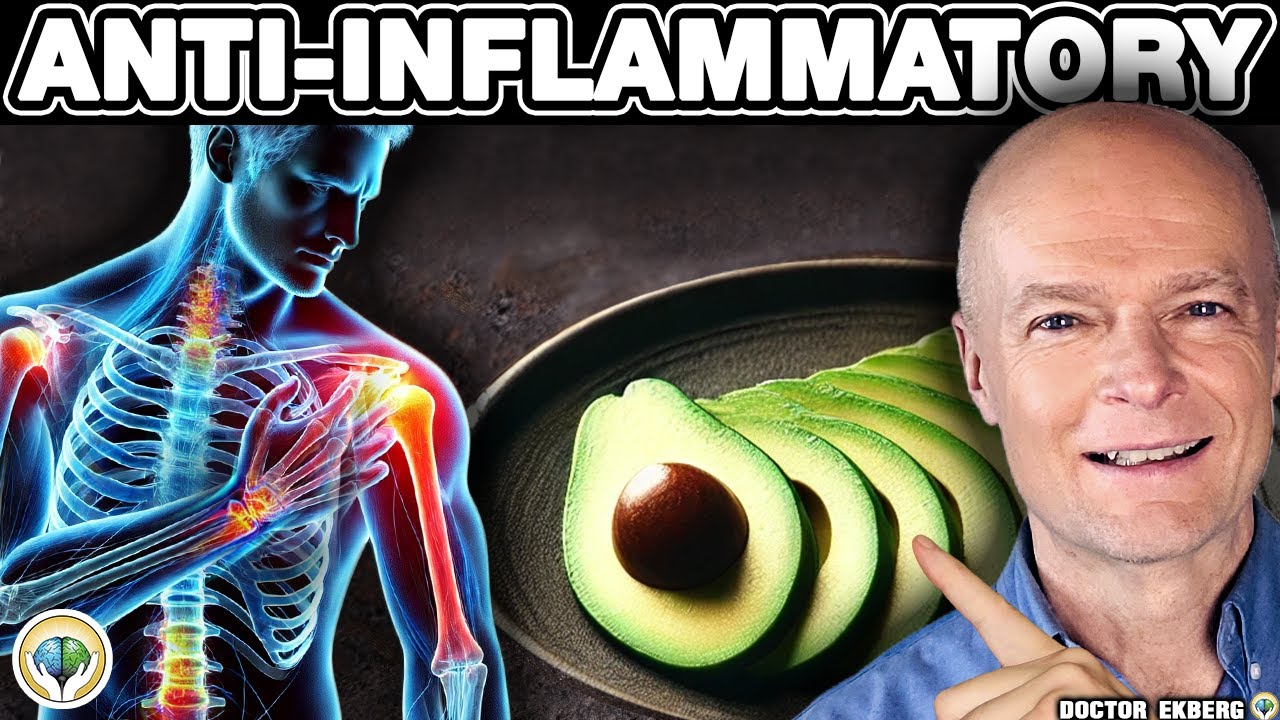
10 Anti-Inflammation Superfoods, A Root-Cause View
Summary
Most people ask, “What single food kills inflammation?” This video’s answer is more challenging and more useful: inflammation is a response, so the first move is removing what triggers it, then using nutrient-dense foods to rebuild metabolic and gut resilience. The list mixes animal foods, plant foods, and two add-ons (green tea and turmeric), with heavy emphasis on insulin resistance, omega-3 balance, and the gut barrier. You will also learn why decaf green tea may not deliver the EGCG you expect, and why turmeric’s reputation may come mostly from gut effects unless absorption is improved.
Why “anti-inflammatory superfoods” often disappoint
What if the reason your inflammation is not improving is not because you have not found the right superfood, but because you are using superfoods like pills?
That is the core tension in this video. The discussion starts with a list of 10 foods and add-ons, but quickly pivots into a critique of the modern “take something for something” mentality. The key insight here is that inflammation is a response to something, so trying to “out-supplement” a diet built on ultra-processed food is framed as a losing strategy.
A vivid example is offered: you cannot sprinkle turmeric on a donut and expect a meaningful change. Another example is the 2007 product “Diet Coke Plus,” a vitamin C fortified soda that was pulled after pushback, because adding vitamins to a chemically processed drink does not create a health food.
This framing emphasizes root causes first.
Instead of hunting for a single magic ingredient, the video argues for addressing drivers like insulin resistance, nutrient deficiencies, dysbiosis (microbiome imbalance), oxidative stress, toxic burden (chemicals, metals, pollution), and food reactions. Then, and only then, “superfoods” can act as an upgrade to an already solid foundation.
Important: If you have chronic symptoms, take medications, are pregnant, or have a diagnosed condition (like inflammatory bowel disease), it is wise to discuss major diet changes or supplements with a clinician who knows your history.
A quick mechanism map: why these 10 items made the list
The list is not random. It clusters around three biological levers:
Did you know? Many “inflammation” signals measured in blood, such as C-reactive protein (CRP), are downstream markers. They can go up due to infections, injuries, metabolic dysfunction, sleep loss, and more. That is one reason single-food solutions often underperform. CRP is commonly described by clinical labs and health agencies such as the CDCTrusted Source.
Superfoods 1 to 3: Low-insulin proteins and stable fats
The first three items are not herbs at all.
They are the “base layer” foods: animal proteins and fats that are framed as nutrient-dense, generally well tolerated, and low in insulin impact.
1) Grass-fed meat and organ meats
This perspective highlights meat, and especially organ meats, as concentrated nutrient packages. Specific nutrients called out include vitamin B12, zinc, iron, vitamin A, and choline.
The anti-inflammatory logic is mostly metabolic: meat is described as having an extremely low insulin impact, meaning it does not meaningfully raise blood sugar for most people. Because insulin resistance is framed as a primary driver of chronic inflammation, foods that do not push insulin up are positioned as helpful.
A second argument is tolerance. The speaker claims relatively few people have true allergy or sensitivity reactions to meat compared with many other foods, and suggests that when meat is not tolerated it may relate to digestion, including low stomach acid.
Pro Tip: If a high-protein meal consistently leaves you heavy, bloated, or nauseated, consider discussing digestion and medication interactions with a clinician. Some common drugs (for example, acid reducers) can change stomach acidity and digestion, and self-experimenting can backfire.
What does research add here? The nutrient density of organ meats is well established in food composition databases. For example, the USDA food data system catalogs micronutrients across foods, including organ meats like liver, through FoodData CentralTrusted Source.
2) Wild-caught fish
Fish is presented as similar to meat in nutrient density and low insulin impact, but with one major differentiator: EPA and DHA.
These long-chain omega-3 fatty acids are framed as building blocks for cell membranes and as modulators of inflammatory messengers (the video mentions cytokines such as TNF-alpha and interleukin-6). You do not need to memorize the names to follow the argument. The claim is practical: if you are low in omega-3s, your inflammation control tends to be worse.
The video also emphasizes the omega-6 to omega-3 ratio. It describes many modern diets as skewed to around 20:1 or 25:1 omega-6 to omega-3, while suggesting a healthier target closer to 1:1 or 1:4.
Then comes a blunt warning: you cannot fix the ratio by adding fish while continuing heavy use of seed oils.
Humor is used to make the point memorable: “Goldfish crackers do not count as seafood,” even if they are marketed as “Chilean sea bass flavor.”
Research broadly supports omega-3s as important dietary fats. The NIH Office of Dietary Supplements summarizes EPA and DHA roles and evidence in its Omega-3 Fatty Acids fact sheetTrusted Source.
3) Healthy fats (as seed-oil replacements)
The third “superfood” category is not one food, but a strategy: use natural, stable fats that are described as “inflammation neutral,” especially when they replace industrial oils.
The list given includes:
Mechanistically, the emphasis is substitution. If seed oils and commercial fry oils are part of what is driving inflammation in your pattern of eating, replacing them with more stable fats may reduce the overall inflammatory load.
Several specific compounds are mentioned:
A nuanced point is made about trans fats. CLA is technically a trans fat, but it is framed as “nature’s trans fat,” distinct from industrial trans fats found in partially hydrogenated oils.
For research context, evidence supports extra virgin olive oil as a core component of dietary patterns associated with better cardiometabolic outcomes, including the Mediterranean pattern. For a high-level overview, see the American Heart Association discussion of dietary fats and heart health, including unsaturated fats like olive oil: AHA dietary fats guidanceTrusted Source.
Superfoods 4 and 5: Vegetables and berries as gut and blood sugar tools
If the first section was about keeping insulin low with protein and stable fats, this section adds plant foods that are framed as both metabolic and microbiome tools.
4) Vegetables, especially crucifers and alliums
The video pushes vegetables, but with a constraint: choose primarily non-starchy vegetables to avoid triggering insulin spikes and worsening insulin resistance.
Two groups are singled out.
Cruciferous vegetables include broccoli, cauliflower, cabbage, and Brussels sprouts. They are described as having powerful antioxidant, detox-support, and anti-cancer properties.
Allium vegetables include garlic, onion, leek, shallots, chives, and scallions. The star compounds here are organo-sulfur compounds, with allicin (especially in garlic) called the most potent.
This is where the liver and gut barrier storyline becomes explicit.
Organo-sulfur compounds are described as supporting the liver’s detox pathways and providing raw materials for glutathione, a major intracellular antioxidant. They are also described as supporting gut health through bile production, prebiotic effects, and antimicrobial actions that may reduce bacteria that produce inflammatory compounds like LPS (lipopolysaccharide).
Research supports that cruciferous and allium vegetables contain bioactive compounds that can influence antioxidant pathways. For example, the NIH notes glutathione’s role and the body’s antioxidant systems in broader context: NIH oxidative stress overviewTrusted Source.
What the research shows: LPS is widely studied as a trigger for inflammatory signaling when it crosses from the gut into circulation. This is one reason gut barrier integrity and microbiome balance are active research areas. A readable overview of gut barrier concepts is available through resources like Harvard Health on the gut microbiomeTrusted Source.
5) Berries
Berries are framed as the “exception fruit” category.
The video highlights raspberries, blackberries, strawberries, and blueberries mainly because they are widely available. What makes berries “super” in this framing is their combination of low glycemic impact, high fiber, and high polyphenols.
Polyphenols are described as not being classic nutrients you absorb like vitamins. Instead, they act as important plant chemicals that support the gut microbiome, which then supports the brain, blood vessels, and overall microbial balance.
That gut-to-brain emphasis is consistent with growing research interest in the gut-brain axis. For a research-grounded overview, see the NIH discussion of microbiome and health in NCCIH probiotics and prebioticsTrusted Source.
Superfoods 6 and 7: Eggs and collagen-rich foods for repair
This section is about “building materials.”
Not just antioxidants, but nutrients your body uses to maintain tissues and immune signaling.
6) Pasture-raised eggs
Eggs are described as one of the most complete foods available.
The nutrients emphasized are:
From a research standpoint, vitamin D and selenium are well-characterized nutrients with established roles, even though individual outcomes vary by baseline status and overall diet. The NIH fact sheets provide practical summaries for both Vitamin DTrusted Source and SeleniumTrusted Source.
7) Bone broth and collagen-rich cuts
Bone broth is presented alongside slow-cooked, collagen-rich cuts like beef shank, chuck roast, oxtail, short ribs, and pork shoulder.
The culinary point is simple: these are not fast-grill foods. They are tough, collagen-heavy cuts that become tender with long cooking.
The health mechanism offered is more specific. Collagen-rich foods provide amino acids including glycine, proline, and glutamine, described as important for gut lining repair and immune modulation.
This is not a promise that bone broth “heals” anyone’s gut on its own. It is a claim about inputs: if the gut barrier and immune balance matter for inflammation, then nutrients used in tissue maintenance may be relevant.
Research on collagen and gut outcomes is still evolving, and results depend on context. For general protein and amino acid basics, the NIH overview of dietary protein can be helpful: NIH protein overviewTrusted Source.
Q: Is bone broth automatically anti-inflammatory for everyone?
A: Not necessarily. Some people tolerate it well and find it easy to digest, while others may react to high-histamine foods or rich broths depending on how they are prepared and stored. If you notice flushing, headaches, or digestive upset after broth, consider discussing food tolerance patterns with a clinician.
Jordan Smith, RD (Registered Dietitian)
Superfood 8: Fermented foods and the “tolerance” question
Fermented foods are where the video’s gut-first philosophy becomes unavoidable.
Examples given include kefir, yogurt, kimchi, and sauerkraut. The distinction made is that many foods discussed earlier act as prebiotics (they feed beneficial bacteria), while fermented foods provide probiotics, the bacteria themselves.
One sentence captures the hierarchy: most inflammation is framed as coming from the inability to process foods, leading to repeated inflammatory reactions due to poor digestion.
That is a strong claim, but it is internally consistent with the rest of the video. If your gut microbiome is imbalanced and your intestinal lining is compromised, you may react to foods that would otherwise be “healthy.” So the “best” superfood on paper might be the wrong one for you right now.
Practical ways to experiment with fermented foods (without overdoing it)
Short closing thought: fermented foods are not a badge of honor. They are a tool.
For research context, probiotics can help some conditions and not others, and effects vary by strain and dose. The NCCIH overview is a balanced starting point: Probiotics, what you need to knowTrusted Source.
Superfood 9: Green tea, EGCG, caffeine, and brewing details
Green tea is presented as an “add-on,” not a foundational food.
But the mechanism discussion is unusually detailed and practical.
The main compound emphasized is EGCG (epigallocatechin gallate), described as antioxidant, anti-inflammatory, supportive for blood sugar, brain health, fat burning, liver detox, antimicrobial effects, and gut protection.
Then comes the quality filter: all green teas are not created equal.
The video frames green tea as delivering two key payloads: EGCG and caffeine. You want as much EGCG as possible, and “some but not too much” caffeine, because too much can become stressful and counterproductive.
The video’s green tea hierarchy (with numbers)
A sharp warning is given about decaf green tea sold with antioxidant claims. The argument is that decaffeination often reduces both caffeine and EGCG down to about 2 to 5 mg, meaning the expected antioxidant payload may be minimal.
Pro Tip: Brew green tea cooler than black tea. The video suggests 160 to 175°F (70 to 80°C) to help protect delicate compounds like EGCG.
For research context, green tea catechins including EGCG are widely studied, and caffeine is a known stimulant with variable tolerance. A helpful overview of caffeine and its effects is available from the FDA: Spilling the beans on caffeineTrusted Source.
Q: If I am sensitive to caffeine, should I switch to decaf green tea for EGCG?
A: Possibly, but it may not be a simple swap. Some decaf processes can reduce catechins along with caffeine, so the EGCG content may be much lower than you expect. If you are caffeine sensitive, you could consider smaller servings, earlier timing, or discussing alternatives with a clinician, especially if you have anxiety, insomnia, or heart rhythm concerns.
A. Patel, PharmD (Doctor of Pharmacy)
Superfood 10: Turmeric, curcumin, and why absorption changes the story
Turmeric is treated as both ancient and complicated.
The video argues there are two different “turmeric stories,” one in the gut and one inside cells.
The absorption problem (and why black pepper is not automatically a win)
The active ingredient highlighted is curcumin, described as poorly absorbed because it is fat soluble and does not mix well with water-based body fluids.
A striking number is given: when you eat turmeric, less than 1% is absorbed. Even concentrated extracts may only reach 1 to 2% absorption.
The video explains the journey in steps: turmeric enters the gut, very little crosses into the bloodstream, and what does cross is quickly processed by the liver via conjugation, which makes it water soluble for elimination but also deactivates it.
Black pepper is mentioned as a common method to increase absorption, but with an important caution: the mechanism is described as increasing gut membrane permeability. Too much permeability is framed as part of leaky gut, so “boosting absorption” is not presented as universally good.
Why turmeric may still work, even if it stays in the gut
Here is the pivot: turmeric’s traditional reputation is framed as mainly a gut effect, because most curcumin stays in the gut.
The video lists several gut-focused mechanisms:
Research does suggest curcumin can influence inflammatory pathways, though results vary by formulation and condition. A balanced overview of turmeric and curcumin is available through NCCIH: TurmericTrusted Source.
The “inside the cell” turmeric story: bioavailability and the brain
The second story is about what happens if curcumin can actually get into circulation and into cells.
A specific approach is described: binding curcumin to a soluble fiber from fenugreek in a hydrogel-like encapsulation process. The claim is that this can increase bioavailability by 25 to 45 times.
From there, the video links improved cellular delivery to potential systemic effects: crossing the blood-brain barrier, reducing neuroinflammation, and improving mood, memory, and cognition. It also mentions reductions in CRP, oxidized LDL, improvements in endothelial function, and improvements in fatty liver markers, but emphasizes these benefits depend on actually getting curcumin into cells.
The speaker also discusses specific branded products and dosing ideas (for example, an “acute” period of four pills daily, then maintenance one to two). Because supplement formulations vary widely and can interact with medications (including blood thinners), it is prudent to consult a clinician before using high-dose curcumin products.
Important: Curcumin supplements can interact with medications and may not be appropriate before surgery or for people with gallbladder disease, bleeding disorders, or specific medical conditions. Check with a clinician if you are unsure. NCCIH also notes potential interactions and safety considerations for turmeric products: Turmeric safety overviewTrusted Source.
How to build an anti-inflammatory plate without the “pill mindset”
The video’s most distinctive contribution is not the list itself.
It is the method: remove the drivers first, then add supportive foods.
Here is a practical way to translate that philosophy into meals without turning food into a supplement stack.
Start by subtracting the obvious triggers you already suspect. If your baseline includes sugary drinks, ultra-processed snacks, deep-fried foods, and frequent desserts, adding turmeric or matcha is unlikely to move the needle much. The “donut plus turmeric” example is meant to be blunt, but it is also a useful reality check.
Anchor meals around low-insulin-impact proteins. This approach prioritizes meat, organ meats, eggs, and fish, not because plants are “bad,” but because these foods are framed as nutrient dense and less likely to spike insulin. If you do not eat animal foods, you can still focus on protein adequacy and choose lower-glycemic plant patterns, but you may need more planning.
Swap fats before you micromanage supplements. Replacing seed oils and commercial fry oils with olive oil, avocado oil, butter, ghee, coconut oil, or traditional animal fats is presented as a high-leverage change. This is less glamorous than a new supplement, but it changes what you cook with every day.
Use plants as targeted tools: crucifers, alliums, and berries. Crucifers and alliums are framed as detox-supportive and microbiome-active, while berries are framed as low-glycemic polyphenol sources.
Support the gut so you can tolerate “healthy” foods. Fermented foods and collagen-rich slow-cooked cuts are repeatedly tied to gut balance and gut lining support. If you react to many foods, the video’s logic suggests starting with tolerance and digestion rather than forcing the most “super” foods.
»MORE: If you want a simple experiment, keep a 7-day “tolerance journal.” Track sleep, stress, bowel changes, and which foods reliably trigger symptoms. Bring it to a clinician or dietitian to speed up pattern recognition.
Finally, the video returns to its opening critique: even powerful add-ons like green tea and curcumin should be part of a broader lifestyle shift, not a replacement for it.
Key Takeaways
Frequently Asked Questions
- Do I need to eat all 10 superfoods to reduce inflammation?
- Not necessarily. The video’s core point is to remove inflammatory drivers first, then add foods you tolerate well. Many people do better by choosing a few high-leverage staples, like fish plus non-starchy vegetables, and being consistent.
- Is decaf green tea a good source of EGCG?
- It depends on how it was decaffeinated. The video argues that decaffeination can reduce EGCG along with caffeine, sometimes to very low levels. If you are caffeine sensitive, consider smaller servings of regular green tea or ask the brand for catechin testing.
- Why does the video focus so much on the gut for inflammation?
- Because tolerance and digestion are framed as the gatekeepers of whether healthy foods help or harm. The argument is that poor gut balance and a compromised intestinal lining can drive repeated inflammatory reactions to foods, and improving gut balance may reduce inflammation broadly.
- Is turmeric still useful if curcumin absorption is low?
- The video suggests yes, mainly through gut effects, since most curcumin stays in the digestive tract. It describes potential roles in microbiome balance, short-chain fatty acids, and gut permeability. If you consider high-dose supplements, consult a clinician due to interaction risks.
- What is the simplest first change if I suspect diet-related inflammation?
- A practical starting point consistent with the video is swapping out seed oils and ultra-processed foods while building meals around low-glycemic, whole foods. Many people find that this baseline change makes any “superfood” add-ons more noticeable.
Get Evidence-Based Health Tips
Join readers getting weekly insights on health, nutrition, and wellness. No spam, ever.
No spam. Unsubscribe anytime.