Iron: Complete Guide
Iron is a vital mineral that helps your blood carry oxygen, powers energy production, and supports immune and brain function. This guide explains how iron works, how to spot deficiency, how to eat and supplement safely, and when to test and treat under medical guidance.
What is Iron?
Iron is an essential dietary mineral best known for its role in carrying oxygen in the blood. It is a core component of hemoglobin (in red blood cells) and myoglobin (in muscle), which bind and transport oxygen so your tissues can produce energy.Your body cannot make iron, so you must get it from food or supplements. Iron is also tightly regulated because both too little and too much can cause harm. Too little iron reduces oxygen delivery and can lead to iron deficiency and iron deficiency anemia. Too much iron can promote oxidative stress and, in severe cases, damage organs.
Iron comes in two main dietary forms:
- Heme iron: Found in animal foods (meat, poultry, seafood). It is absorbed more efficiently.
- Non-heme iron: Found in plant foods (beans, lentils, leafy greens, fortified grains) and supplements. Absorption is more variable and strongly influenced by other foods and by your iron status.
How Does Iron Work?
Iron’s effects come from its ability to switch between two chemical states (ferrous Fe2+ and ferric Fe3+). That property makes iron ideal for moving electrons, binding oxygen, and driving enzymatic reactions, but it also means free iron can catalyze harmful oxidative reactions. The body therefore keeps most iron bound to proteins.Iron’s main jobs in the body
1) Oxygen transport and storage- Hemoglobin in red blood cells uses iron to bind oxygen in the lungs and release it in tissues.
- Myoglobin stores and releases oxygen in muscles, supporting endurance and recovery.
3) Brain and nervous system function Iron supports neurotransmitter synthesis (including dopamine pathways), myelination, and normal cognitive development. In pregnancy and early childhood, inadequate iron can affect neurodevelopment.
4) Immune function and infection balance Iron is required for immune cell proliferation and function. At the same time, many microbes also need iron. During infection or inflammation, the body lowers circulating iron as a defense strategy.
Absorption, transport, and storage: the “iron economy”
Your body manages iron through a coordinated system:- Absorption (small intestine): Iron is absorbed primarily in the duodenum and upper jejunum. Heme iron uses a more direct pathway. Non-heme iron must be in the right chemical form and competes with inhibitors and enhancers in the diet.
- Transport (transferrin): Once absorbed, iron travels in the blood bound to transferrin.
- Storage (ferritin): Excess iron is stored inside ferritin (in liver, spleen, bone marrow). Ferritin is also a key lab marker, but it rises with inflammation.
- Recycling: Most daily iron needs are met by recycling iron from old red blood cells, not from diet.
Hepcidin: the master regulator
Hepcidin is a liver-produced hormone that controls how much iron enters the bloodstream.- When iron stores are high or inflammation is present, hepcidin rises, blocking iron export from intestinal cells and storage sites.
- When iron is low or the body needs more red blood cells (for example after blood loss), hepcidin falls, allowing more absorption and release.
Benefits of Iron
Iron’s benefits are most clear when it corrects a deficiency or supports increased needs. In people with adequate iron stores, taking extra iron generally does not improve performance and may increase risk.Treats and prevents iron deficiency anemia
Iron deficiency anemia leads to reduced hemoglobin, limiting oxygen delivery. Restoring iron typically improves:- Fatigue and low stamina
- Shortness of breath with exertion
- Rapid heartbeat or palpitations related to anemia
- Pale skin and exercise intolerance
Improves fatigue even before anemia in some cases
Some people have low ferritin (low iron stores) with normal hemoglobin. Research suggests that in selected groups, especially menstruating individuals with low ferritin and fatigue, iron repletion may improve tiredness and perceived energy.Supports pregnancy outcomes when deficiency is present
Pregnancy increases iron requirements due to expanded blood volume and fetal needs. Correcting deficiency reduces risk of severe maternal anemia and related complications. Many prenatal vitamins include iron, but dosing should be individualized based on labs and tolerance.Supports cognitive performance and development
In infants and children, iron deficiency is associated with developmental delays and behavioral changes. In adults, deficiency can contribute to brain fog, reduced concentration, and restless legs symptoms.Helps manage restless legs syndrome (RLS) in iron deficiency
Low iron stores are a well-known contributor to RLS. Clinical guidelines commonly recommend checking ferritin and treating low iron as part of RLS management, sometimes with oral or intravenous iron depending on severity and response.> Important: The biggest “benefit” of iron is restoring normal physiology when you are low, not pushing levels above normal.
Potential Risks and Side Effects
Iron is one of the supplements where “more” can be genuinely dangerous. Risks depend on dose, formulation, and your baseline iron status.Common side effects (mostly from oral iron)
- Constipation
- Nausea or stomach upset
- Abdominal pain or cramping
- Dark stools (common and usually harmless)
- Diarrhea (less common)
Iron overload and toxicity
Excess iron can promote oxidative stress and deposit in organs.- Acute toxicity: Most often from accidental ingestion in children. This is a medical emergency.
- Chronic overload: Can occur from genetic conditions (such as hereditary hemochromatosis), repeated transfusions, or unnecessary high-dose supplementation.
When iron can be risky or inappropriate
- Hereditary hemochromatosis or known high ferritin with high transferrin saturation
- Repeated blood transfusions (iron accumulates)
- Active certain infections: Clinicians may avoid iron in specific situations because pathogens can utilize iron.
- Unexplained high ferritin: Ferritin can be high from inflammation, fatty liver disease, alcohol use, or metabolic disease. Supplementing without understanding the cause can be harmful.
Intravenous (IV) iron risks
IV iron is effective when oral iron fails, but it can cause:- Temporary flu-like symptoms
- Headache
- Low blood pressure during infusion
- Rare allergic reactions (true anaphylaxis is uncommon with modern formulations)
Practical Guide: Food Sources, Absorption, and Supplement Use
This section focuses on what to do in real life: how to get enough iron, how to improve absorption, and how to supplement safely.Daily iron needs (typical reference ranges)
Requirements vary by age, sex, and life stage. Many countries provide Recommended Dietary Allowances (RDAs) or similar targets.Common reference points used in clinical nutrition:
- Adult men: ~8 mg/day
- Adult women (premenopausal): ~18 mg/day
- Pregnancy: ~27 mg/day
- Breastfeeding: often lower than pregnancy (needs vary by guideline)
Best food sources of iron
Heme iron (higher absorption):- Beef, lamb, pork
- Liver and organ meats (very high)
- Dark meat poultry
- Clams, oysters, mussels, sardines
- Lentils, chickpeas, beans
- Tofu, tempeh
- Pumpkin seeds, sesame seeds
- Spinach, Swiss chard (iron present, but absorption can be limited by oxalates)
- Fortified cereals and grains
How to increase iron absorption
Non-heme iron absorption can be dramatically improved with simple pairing strategies:- Add vitamin C: citrus, kiwi, strawberries, bell peppers, broccoli, tomatoes. Vitamin C converts iron to a more absorbable form.
- Use cast iron cookware: can modestly increase iron content of foods, especially acidic foods like tomato sauce.
- Separate iron from inhibitors when possible:
Practical example: beans plus salsa or peppers (vitamin C) can absorb better than beans alone.
Oral iron supplements: forms and typical dosing strategies
Common oral forms include:- Ferrous sulfate (widely used, cost-effective)
- Ferrous gluconate (often better tolerated, less elemental iron per pill)
- Ferrous fumarate (higher elemental iron)
- Polysaccharide-iron complex or other “gentler” forms (sometimes better tolerated, variable evidence)
#### Typical treatment dosing (general clinical patterns) Many clinicians use 40 to 65 mg elemental iron per dose, often:
- Once daily, or
- Every other day (a strategy supported by hepcidin physiology and some trials showing similar or better absorption with fewer side effects)
> Callout: If you are supplementing because of suspected deficiency, it is usually better to confirm with labs first. Treating “fatigue” with iron without testing can miss the real cause and can create overload risk.
Timing tips to reduce side effects and improve adherence
- If nausea occurs on an empty stomach, take iron with a small snack (absorption may drop slightly, but consistency matters).
- Avoid taking iron at the same time as calcium supplements, antacids, tea, or coffee.
- Consider evening dosing if morning nausea is a problem.
- For constipation: increase fluids, fiber, and consider stool-softening strategies discussed with a clinician.
When oral iron is unlikely to work well
Oral iron may fail or be too slow when:- There is ongoing blood loss (heavy menstrual bleeding, GI bleeding)
- Malabsorption conditions exist (celiac disease, inflammatory bowel disease flares, bariatric surgery)
- Inflammation is high (hepcidin elevated)
- Side effects prevent adequate dosing
What the Research Says
The evidence base for iron is large, but the key is matching the intervention to the right problem.Strong evidence: correcting deficiency improves outcomes
Across many randomized trials and decades of clinical practice:- Oral iron improves hemoglobin and iron stores in iron deficiency.
- In iron deficiency anemia, treatment improves fatigue and functional capacity.
- In pregnancy, preventing and treating iron deficiency anemia reduces severe anemia and related maternal risks.
Moderate evidence: fatigue benefits in non-anemic iron deficiency
Several trials in menstruating adults with low ferritin but normal hemoglobin show improvements in fatigue scores with iron therapy, though effects vary by baseline ferritin level, dose, and duration.Evolving practice: alternate-day dosing
Research over the last decade has highlighted hepcidin’s role in limiting absorption after iron doses. Studies comparing daily to alternate-day schedules often find:- Similar hemoglobin response
- Potentially better absorption efficiency
- Fewer GI side effects for some people
Ferritin is useful but not perfect
Ferritin is widely used to assess iron stores, but it is also an acute-phase reactant. Inflammation, infection, liver disease, obesity-related inflammation, and alcohol use can raise ferritin even when usable iron is low.Because of this, clinicians often interpret ferritin alongside:
- Hemoglobin and mean corpuscular volume (MCV)
- Transferrin saturation (TSAT)
- C-reactive protein (CRP) or other inflammation markers
- Clinical context (blood loss, diet, pregnancy)
What we still do not know well
- The best universal ferritin cutoff for symptoms like fatigue or hair shedding (cutoffs vary by guideline and condition).
- Exactly who benefits most from iron when hemoglobin is normal.
- Long-term outcomes of routine supplementation in populations without deficiency.
Who Should Consider Iron?
Iron is most appropriate when there is a reasonable likelihood of deficiency, increased requirements, or documented low iron stores.Groups at higher risk of deficiency
1) People with heavy menstrual bleeding Monthly blood loss is a leading cause of iron deficiency. If periods are heavy, prolonged, or worsening, iron repletion should be paired with evaluation of the cause.2) Pregnancy and postpartum Iron needs rise substantially in pregnancy. Postpartum iron deficiency is also common, especially after significant blood loss during delivery.
3) Infants, toddlers, and adolescents Rapid growth increases iron needs. Picky eating, high milk intake in toddlers, or restrictive diets can contribute.
4) Endurance athletes Foot-strike hemolysis, sweat losses, GI microbleeds, and higher turnover can contribute to low iron, particularly in menstruating athletes.
5) Vegetarians and vegans Plant-based diets can meet iron needs, but non-heme absorption is lower and inhibitors are common. Attention to pairing with vitamin C and including fortified foods helps.
6) People with GI conditions or surgery Celiac disease, IBD, chronic gastritis, and bariatric surgery can all reduce absorption.
Signs that should prompt testing (not guessing)
Common reasons clinicians check iron studies:- Persistent fatigue, weakness
- Pale skin, shortness of breath on exertion
- Frequent headaches
- Restless legs, poor sleep
- Hair shedding (multifactorial, but iron may be one contributor)
- Craving ice (pica)
Common Mistakes, Interactions, and Alternatives
This section covers the practical pitfalls that most often explain “iron didn’t work” or “iron made me feel worse.”Common mistakes
Mistake 1: Treating symptoms without confirming deficiency Fatigue can come from sleep issues, thyroid disease, depression, overtraining, low calories, B12 deficiency, chronic inflammation, or many other causes.Mistake 2: Taking iron with coffee, tea, or calcium This can meaningfully reduce absorption, especially for non-heme iron.
Mistake 3: Using very high doses that cause side effects and non-adherence If constipation makes you stop after a week, the “best” dose is irrelevant. Lower or alternate-day dosing often improves consistency.
Mistake 4: Not addressing the source of iron loss If heavy periods or GI bleeding continue, supplements become a temporary patch.
Medication and supplement interactions
Iron can interfere with absorption of several medications. Common examples include:- Levothyroxine (thyroid hormone): separate by at least several hours.
- Tetracycline and fluoroquinolone antibiotics: iron can reduce antibiotic absorption.
- Bisphosphonates: timing separation is often recommended.
- Antacids and proton pump inhibitors (PPIs): may reduce iron absorption by lowering stomach acidity.
Alternatives and supportive strategies
If oral iron is not tolerated or not effective:- Try a different formulation (for example ferrous gluconate instead of sulfate)
- Lower the dose or use alternate-day dosing
- Use dietary strategies (more heme iron, vitamin C pairing)
- Treat underlying causes (manage heavy menstrual bleeding, evaluate GI sources)
- Consider IV iron when indicated
Frequently Asked Questions
1) Should I take iron every day or every other day?
Many people do well with daily dosing, but every-other-day dosing can improve absorption efficiency and reduce GI side effects for some. The best schedule depends on your labs, symptoms, and tolerance.2) What labs should I ask for to check iron status?
Common starting tests include a CBC (to assess anemia) plus ferritin, serum iron, transferrin or TIBC, and transferrin saturation (TSAT). In inflammatory states, clinicians may also consider CRP and additional markers.3) Can I get enough iron on a vegetarian or vegan diet?
Yes, but it takes planning. Emphasize legumes, tofu, seeds, fortified grains, and pair iron-rich meals with vitamin C. Be mindful that tea, coffee, and calcium taken with meals can reduce absorption.4) Why does iron make me constipated?
Unabsorbed iron can irritate the GI tract and alter motility. Strategies include lower dosing, alternate-day dosing, switching formulations, taking with a small amount of food, hydration, and constipation management support.5) How long does it take to feel better after starting iron?
Some people notice improved energy within a few weeks, but rebuilding iron stores usually takes months. Hemoglobin may rise within 2 to 4 weeks, while ferritin repletion often requires longer treatment even after anemia resolves.6) Is high ferritin always iron overload?
No. Ferritin rises with inflammation, liver disease, alcohol use, infection, and metabolic conditions. True iron overload is typically assessed with ferritin plus transferrin saturation and clinical context, and sometimes genetic testing.Key Takeaways
- Iron is essential for oxygen transport, energy production, and brain and immune function.
- Deficiency is common in people with heavy menstrual bleeding, pregnancy, growth spurts, endurance training, GI disorders, and plant-forward diets without planning.
- The most useful approach is test first, then treat based on CBC and iron studies, not symptoms alone.
- Oral iron works well for many people, but side effects are common. Lower or alternate-day dosing can improve tolerance.
- Iron absorption improves with vitamin C and worsens with tea/coffee and calcium taken at the same time.
- Too much iron can be harmful. Avoid high-dose supplementation if you have high ferritin, known hemochromatosis, or no evidence of deficiency.
Related Articles
2 articles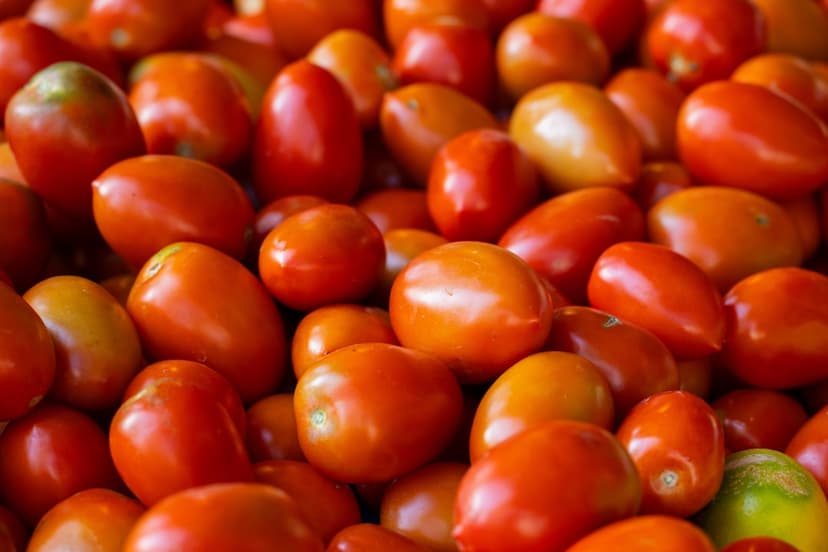
Lectins, leaky gut, and smoking, sorting the claims
Is it possible that “healthy” foods like beans and tomatoes are secretly harming your gut, and that smoking could be beneficial if your diet is right? This article unpacks a pointed podcast debate between Dr. Steven Gundry, a cardiothoracic surgeon known for lectin-focused claims, and clinicians pushing for evidence-based nutrition. You will learn what lectins are, what “leaky gut” means in plain language, why mechanistic theories can mislead, and how to make everyday food choices without fear. We also address the nicotine and vitamin C arguments, and why major guidelines still prioritize smoking cessation and ApoB lowering.
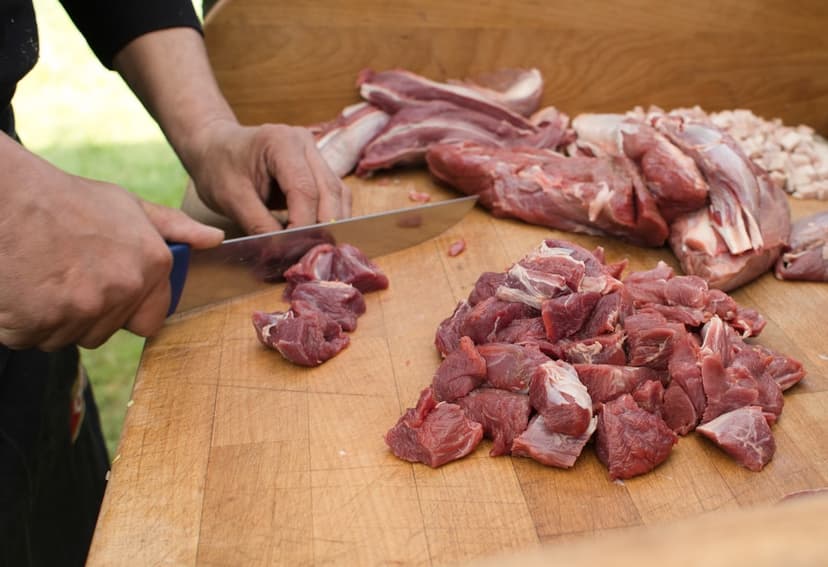
Meat, Tools, and the Human Brain, Schindler View
Dr. Bill Schindler, an experimental archaeologist and traditional food educator, frames human nutrition as a story of tools. Unlike most animals, humans are not biologically optimized to eat many raw foods safely. Instead, we externalize digestion through processing, including butchery, cooking, fermentation, and other techniques. In this view, early stone tools enabled access to animal foods, especially organs, fat, and blood, supporting major increases in body and brain size. He also challenges popular blue zone narratives by describing on-the-ground experiences in Sardinia where animal foods were daily staples and vegetables were present but not central.
Have questions about Iron: Complete Guide?
Ask Clara, our AI health assistant, for personalized answers based on evidence-based research.