Osteoporosis: Complete Guide
Osteoporosis is a common condition where bones become weak and brittle, raising the risk of fractures from falls or even minor impacts. This guide explains how osteoporosis develops, how it is diagnosed, what actually reduces fracture risk, and how to build a practical plan using exercise, nutrition, and (when appropriate) medication.
What is Osteoporosis?
Osteoporosis is a condition that causes bones to become weak and brittle, increasing the likelihood of fractures. It is often called a “silent disease” because bone loss typically occurs without symptoms until a fracture happens. The most concerning fractures are at the hip, spine (vertebrae), and wrist, but any bone can be affected.Clinically, osteoporosis is usually defined by bone mineral density (BMD) testing with a DEXA scan. A T-score of -2.5 or lower at the hip or spine is commonly used as the diagnostic threshold. However, osteoporosis is not only a “bone density problem.” Two people with the same BMD can have different fracture risks depending on age, prior fractures, medications, fall risk, muscle strength, and other health conditions.
A helpful way to think about osteoporosis is as a mismatch between:
- Bone strength (density plus quality)
- Load and impact (falls, twisting, lifting, and daily forces)
- Protection (balance, muscle mass, reaction time, vision, and home safety)
How Does Osteoporosis Work?
Osteoporosis develops when the body breaks down bone faster than it builds it, or when bone formation is too low to keep up with normal breakdown. Bone is living tissue. It constantly remodels itself to repair microdamage and adapt to stress.Bone remodeling: osteoclasts vs osteoblasts
Bone is continuously renewed through a coordinated process:- Osteoclasts break down old bone (resorption).
- Osteoblasts build new bone (formation).
Why menopause matters so much
Estrogen helps regulate bone remodeling by reducing osteoclast activity and supporting osteoblast survival. When estrogen levels fall around menopause, bone resorption rises. This is why postmenopausal women experience an accelerated period of bone loss, and why fracture risk rises with age.Men can also develop osteoporosis. They typically start with higher peak bone mass on average, and they do not experience the same abrupt hormonal shift, but age-related declines in testosterone (and conversion to estrogen), chronic illness, medications, and low physical activity can still lead to significant bone loss.
Bone quality: it is not just density
DEXA measures mineral density, but bone strength also depends on:- Microarchitecture (the internal “scaffolding” of trabecular bone)
- Cortical thickness (outer shell strength)
- Collagen and mineral composition
- Microcrack repair
Secondary osteoporosis: when another issue drives bone loss
Osteoporosis can be “primary” (age and menopause related) or “secondary,” meaning another factor is contributing. Common contributors include:- Long-term glucocorticoid use (prednisone and similar)
- Low body weight or under-fueling
- Low sex hormones (early menopause, hypogonadism)
- Hyperthyroidism or excessive thyroid hormone replacement
- Malabsorption (celiac disease, inflammatory bowel disease, bariatric surgery)
- Chronic kidney disease and certain endocrine disorders
- Heavy alcohol use, smoking, and prolonged inactivity
Benefits of Osteoporosis
Osteoporosis itself does not provide benefits. What people usually mean by “benefits” in this context are the benefits of identifying, preventing, and treating osteoporosis. These benefits are real, measurable, and often life-changing.Reduced fracture risk (the outcome that matters most)
The primary benefit of osteoporosis management is fewer fractures, especially hip and vertebral fractures. Hip fractures are strongly linked to loss of independence, need for long-term care, and increased mortality. Vertebral fractures can cause chronic pain, height loss, posture changes, and reduced lung capacity.Better function and independence
A strong osteoporosis plan typically includes progressive resistance training, balance work, and fall prevention. These interventions can improve:- Confidence with daily activities
- Walking speed and stair ability
- Ability to get up from the floor
- Overall quality of life
Improved posture and reduced spine-related disability
Strengthening the back, hips, and legs can help counter the forward-flexed posture that can develop after vertebral fractures. While exercise cannot “undo” a fracture, it can reduce the functional consequences and may reduce future falls.Extra metabolic and brain benefits from the same plan
The lifestyle pieces that protect bone also tend to protect cardiometabolic health:- Resistance training supports muscle mass, glucose control, and insulin sensitivity.
- Short bouts of higher-intensity work can improve fitness efficiently.
Potential Risks and Side Effects
Osteoporosis management is highly beneficial, but there are real risks to consider, both from the condition and from interventions.Risks of untreated osteoporosis
The main risk is fracture, but the downstream consequences are broader:- Loss of independence after hip fracture
- Chronic pain and disability after vertebral fractures
- Increased fall fear and reduced activity, which accelerates muscle loss
- Complications from surgery or immobility (blood clots, pneumonia)
Exercise risks: how to train safely
Exercise is one of the most powerful tools for bone and fall prevention, but it must match the person’s fracture risk and movement capacity.Potential issues include:
- Falls during training (especially with balance challenges)
- Spine loading in flexion for people with vertebral fracture risk (for example, repeated loaded rounding)
- Too much impact too soon causing joint pain or stress injuries
- Start with stable, controlled strength work before adding impact.
- Prioritize technique and progressive loading.
- If you have known vertebral fractures or very low BMD, get individualized guidance on spine-safe training.
Medication risks and notable side effects
Medication choice depends on fracture risk, age, kidney function, and prior treatment. Common categories include antiresorptives (slow breakdown) and anabolics (build bone).Potential risks vary by drug class:
- Oral bisphosphonates can irritate the esophagus and stomach, and require strict dosing instructions.
- IV bisphosphonates can cause short-term flu-like symptoms after infusion.
- Denosumab is effective, but stopping it abruptly can lead to rapid bone loss and rebound vertebral fractures unless transitioned to another therapy.
- Rare events with long-term potent antiresorptives include atypical femur fractures and osteonecrosis of the jaw (rare in osteoporosis dosing, higher in cancer dosing). These risks are small compared with fracture risk in high-risk patients, but they matter for planning duration and dental procedures.
- Anabolic agents (such as PTH analogs and sclerostin inhibitors) have specific eligibility criteria and sequencing considerations.
Supplement risks: more is not always better
- Excess calcium supplements can cause constipation and may increase kidney stone risk in susceptible individuals.
- Very high vitamin D intake can cause hypercalcemia.
Practical Guide: Diagnosis, Prevention, and Treatment Plan
This section focuses on what to do in real life: how osteoporosis is diagnosed, how to reduce fracture risk, and what an effective plan looks like.Step 1: Get the right assessment (DEXA plus clinical risk)
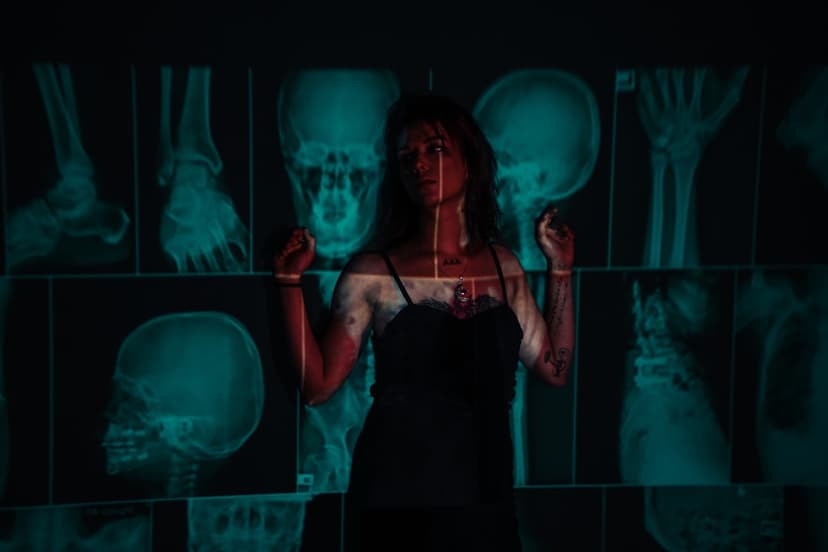
DEXA (DXA) scan measures BMD at the hip and spine and reports a T-score. It is the standard tool for diagnosis and monitoring.FRAX is a validated questionnaire-based tool that estimates 10-year probability of hip fracture and major osteoporotic fracture. It can be calculated with or without femoral neck BMD, depending on what is available.
How to use them together:
- DEXA tells you bone density.
- FRAX helps you see how age, prior fractures, smoking, alcohol, medications, and conditions stack into overall risk.
Step 2: Build a bone and fall-proof exercise plan
Bone responds best to high strain and novel loading, but safety and progression are essential.#### Resistance training (the foundation) Aim for full-body strength training at least 2 days per week. Focus on:
- Squat or sit-to-stand patterns
- Hip hinge patterns (deadlift variations, done with a neutral spine)
- Step-ups or lunges (as tolerated)
- Rows and presses
- Loaded carries (excellent for trunk and hip stability)
This aligns with the broader evidence that maintaining muscle mass supports longevity and helps protect bones by improving balance and reducing falls.
#### Impact and jump training (powerful, but not for everyone) Short, targeted impact can be an efficient bone signal for some people, especially postmenopausal women without high fracture risk or uncontrolled joint issues.
A commonly discussed protocol in performance and bone-health circles is:
- About 10 minutes of jumping, 3 times per week
- Jump rope intervals
- Small hops in place
- Step jumps or low box jumps for trained individuals
Who should be cautious or avoid jumping initially:
- Recent fractures
- Known vertebral fractures
- Very low BMD with high fall risk
- Severe arthritis, significant balance impairment, or uncontrolled cardiovascular issues
High-value practices include:
- Single-leg stands near a support
- Heel-to-toe walking
- Step-down control
- Turning drills and controlled changes of direction
- Leg strengthening that improves reaction time and stability
Step 3: Nutrition that supports bone and muscle
Nutrition should support both bone remodeling and the muscle that protects you from falls.#### Protein Adequate protein supports muscle maintenance and may support bone through improved muscle forces on bone.
A practical range many clinicians and sports nutrition researchers use for older adults is:
- 1.2 to 1.6 g/kg/day for many active older adults
- Higher targets may be appropriate for people doing resistance training or in weight loss phases, under medical guidance
#### Calcium Calcium needs vary, but many guidelines cluster around:
- Roughly 1,000 mg/day for many adults
- Often 1,200 mg/day for older adults, especially postmenopausal women
If supplementing, splitting doses (for example, 500 mg at a time) can improve absorption and reduce GI side effects.
#### Vitamin D Vitamin D supports calcium absorption and muscle function. The best dosing depends on baseline blood levels (25(OH)D), sun exposure, and diet.
Common maintenance doses are often in the range of:
- 800 to 2,000 IU/day, adjusted to lab values and clinician guidance
#### Energy availability and weight loss caution Chronic under-eating increases bone loss risk, especially when paired with high exercise volume. If weight loss is a goal, prioritize:
- High protein
- Resistance training
- Slow, sustainable deficit
Step 4: Medications (when fracture risk is high)
Medication is typically considered when:- Osteoporosis is present by DEXA (T-score at or below -2.5)
- A fragility fracture has occurred (especially hip or vertebral)
- FRAX indicates high 10-year risk, even with osteopenia
- Antiresorptives (bisphosphonates, denosumab) to reduce bone breakdown
- Anabolic therapy (PTH analogs, sclerostin inhibition) for very high risk, multiple fractures, or very low BMD
Step 5: Reduce fall risk in the real world
Many fractures happen because of falls, not because the bone “spontaneously breaks.” High-yield steps include:- Vision and hearing checks
- Medication review (sedatives, blood pressure meds, polypharmacy)
- Home safety: remove loose rugs, improve lighting, add grab bars
- Footwear: stable shoes, avoid slippery soles
- Address dizziness, neuropathy, or low blood pressure
What the Research Says
Osteoporosis research is extensive. The most consistent findings are about fracture risk reduction through a combination of medication (when indicated), resistance training, and fall prevention.Bone density vs fracture risk
Research consistently shows that BMD predicts fracture risk, but it is not the whole story. Age, prior fracture, glucocorticoid use, smoking, alcohol, and conditions like rheumatoid arthritis add risk beyond BMD. That is why tools like FRAX are widely used.Exercise evidence: what is most supported
- Progressive resistance training improves strength and function and can modestly improve or maintain BMD, particularly at loaded sites.
- Impact training can provide an osteogenic stimulus, especially in postmenopausal women, but the effect depends on intensity, adherence, and baseline risk.
- Balance training and multicomponent programs reduce falls, which directly reduces fractures.
Nutrition evidence: calcium, vitamin D, and protein
- Adequate calcium and vitamin D are foundational, particularly for older adults and those with low dietary intake.
- Protein adequacy supports muscle, and muscle supports bone via mechanical loading and fall protection.
- Very high-dose vitamin D strategies have not consistently shown benefit and can be harmful in some contexts.
Medication evidence: fracture reduction is clear in high-risk groups
Large clinical trials and long-term observational data support that several osteoporosis medications reduce vertebral and hip fractures in appropriately selected patients. Research also shows that rare adverse events exist, which is why duration, monitoring, and individualized plans matter.What we still do not know (or what is individualized)
- The “perfect” exercise prescription for every risk category is not fully settled.
- How best to personalize impact training for people with osteopenia vs established osteoporosis.
- Optimal long-term sequencing across multiple drug classes for different patient profiles.
Who Should Consider Osteoporosis Screening and Prevention?
Osteoporosis prevention is relevant to almost everyone, but certain groups benefit most from proactive screening and early action.Higher-priority groups for screening
- Postmenopausal women, especially with additional risk factors
- Men over 50 with risk factors (low body weight, prior fracture, smoking, heavy alcohol use)
- Anyone with a prior fragility fracture (fracture from a fall from standing height)
- Long-term glucocorticoid users
- People with conditions linked to malabsorption or endocrine disruption (celiac disease, hyperthyroidism)
- Individuals with strong family history of hip fracture
People who should prioritize muscle and balance training
Even before osteoporosis is diagnosed, these groups benefit from a “bone-smart” training plan:- Adults over 40 who are losing strength or activity tolerance
- People who sit most of the day and do not load bones regularly
- Those who feel unsteady, have fallen, or avoid activity due to fear of falling
Common Mistakes, Related Conditions, and Smart Alternatives
This section addresses what commonly derails progress and what to do instead.Mistake 1: Treating osteoporosis as “just take calcium”
Calcium matters, but it cannot compensate for:- Low protein intake
- No resistance training
- Vitamin D deficiency
- High fall risk
- Secondary causes like steroids or thyroid excess
Mistake 2: Over-focusing on frequent scans
DEXA is useful, but scanning too often can create noise and anxiety. Bone changes slowly, and short-term changes may reflect measurement variability.Better approach: Use DEXA at clinically appropriate intervals and pair it with functional metrics: strength gains, fewer falls, better balance, and adherence.
Mistake 3: Avoiding strength training because of fear
Many people reduce activity after learning they have low bone density. Unfortunately, inactivity accelerates muscle loss and worsens fall risk.Better approach: Start with safe, supervised resistance training and gradually progress. The goal is not extreme workouts. Two full-body sessions per week can meaningfully help.
Mistake 4: Doing only walking for bone health
Walking is excellent for general health, but it often does not provide enough progressive stimulus to preserve bone and strength on its own.Better approach: Keep walking, but add strength training and balance work. If appropriate, add carefully progressed impact.
Related conditions to know
- Osteopenia: lower-than-normal BMD but not low enough for osteoporosis. It still can carry high fracture risk depending on age and other factors.
- Sarcopenia: low muscle mass and strength. This increases fall risk and is tightly linked with frailty.
- Vitamin D deficiency: can worsen muscle function and bone health.
- Vertebral compression fractures: sometimes occur with minimal pain and present as height loss or posture change.
Frequently Asked Questions
1) Can osteoporosis be reversed?
In many cases, bone density can improve, especially with appropriate medication and progressive training. Even when BMD changes are modest, fracture risk can still drop significantly through fall prevention, strength gains, and risk-targeted therapy.2) Is osteopenia serious, or is it “pre-osteoporosis”?
Osteopenia is a warning sign, not a guarantee. Some people with osteopenia have low fracture risk, while others have high risk due to age, prior fractures, or other factors. Tools like FRAX help determine how serious it is for you.3) What exercises should I avoid with osteoporosis?
Many people with osteoporosis should be cautious with repeated or heavy spinal flexion under load (for example, loaded rounding). The safest plan is individualized, but most people can do strength training with neutral spine mechanics, plus balance work.4) Do I need calcium supplements?
Not always. If you can reliably meet calcium needs through food, supplements may not be necessary. Supplements can be useful when dietary intake is low, but dosing should be moderate and ideally discussed with a clinician, especially if you have kidney stone risk.5) How often should I get a DEXA scan?
It depends on baseline results, age, and whether you are on treatment. Bone changes slowly, so scans are often spaced by years rather than months. Your clinician will set the interval based on risk and how results will change decisions.6) If I start a medication, can I stop once my numbers improve?
Some medications allow planned pauses in certain patients, while others require careful transition. For example, denosumab should not be stopped without a plan to prevent rapid bone loss. Medication decisions should be made with a long-term strategy.Key Takeaways
- Osteoporosis is a fracture risk condition caused by reduced bone strength, not just a low DEXA number.
- Menopause-related hormonal changes accelerate bone loss, but men can develop osteoporosis too.
- Best results come from combining risk assessment (DEXA plus FRAX) with a practical prevention plan.
- Progressive resistance training plus balance training is foundational; impact training can help some people when appropriate and safe.
- Nutrition matters: prioritize adequate protein, meet calcium needs, and correct vitamin D deficiency.
- Medication meaningfully reduces fractures in high-risk groups, but requires thoughtful sequencing and monitoring.
- Fall prevention is often the fastest path to fewer fractures: strengthen legs, improve balance, review medications, and make home safety upgrades.
Related Articles
2 articles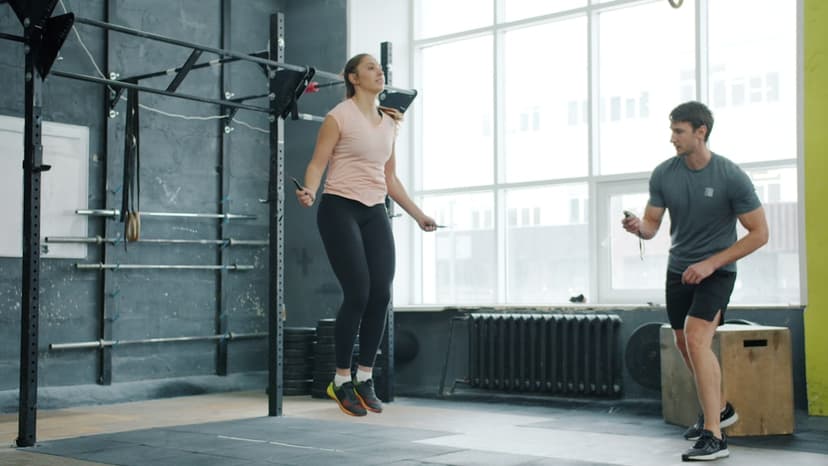
Jump Training for Osteopenia: A 12-Week Plan
A striking takeaway from Dr. Stacy Sims is that short, targeted impact can be enough to meaningfully challenge bone. She highlights research from a bone scientist colleague suggesting **10 minutes of jumping, three times per week** (jump rope or jumping in place) may move some osteopenic women into a normal bone density range over **12 weeks**. The unique twist is technique: landing with a **stiffer leg** rather than deeply bending the knees, so the skeleton, not just the muscles, absorbs the impact signal. This same jump block can also double as high-intensity work that supports **blood sugar and insulin** goals.
FRAX vs DEXA: A Practical Guide to Fracture Risk
FRAX is a free questionnaire that estimates your 10-year risk of hip fracture and major osteoporotic fracture using age, sex, BMI, prior fractures, family history, smoking, alcohol, certain conditions, and sometimes bone density. The video’s core message is practical: bone density matters, but it is not the whole story. FRAX can help you see how multiple everyday factors stack together, and it can guide whether you should simply maintain habits, monitor risk, or talk with a clinician about further evaluation and options.
Glossary Definition
A condition that causes bones to become weak and brittle.
View full glossary entryHave questions about Osteoporosis: Complete Guide?
Ask Clara, our AI health assistant, for personalized answers based on evidence-based research.