Dry sauna hype, a practical daily protocol to try
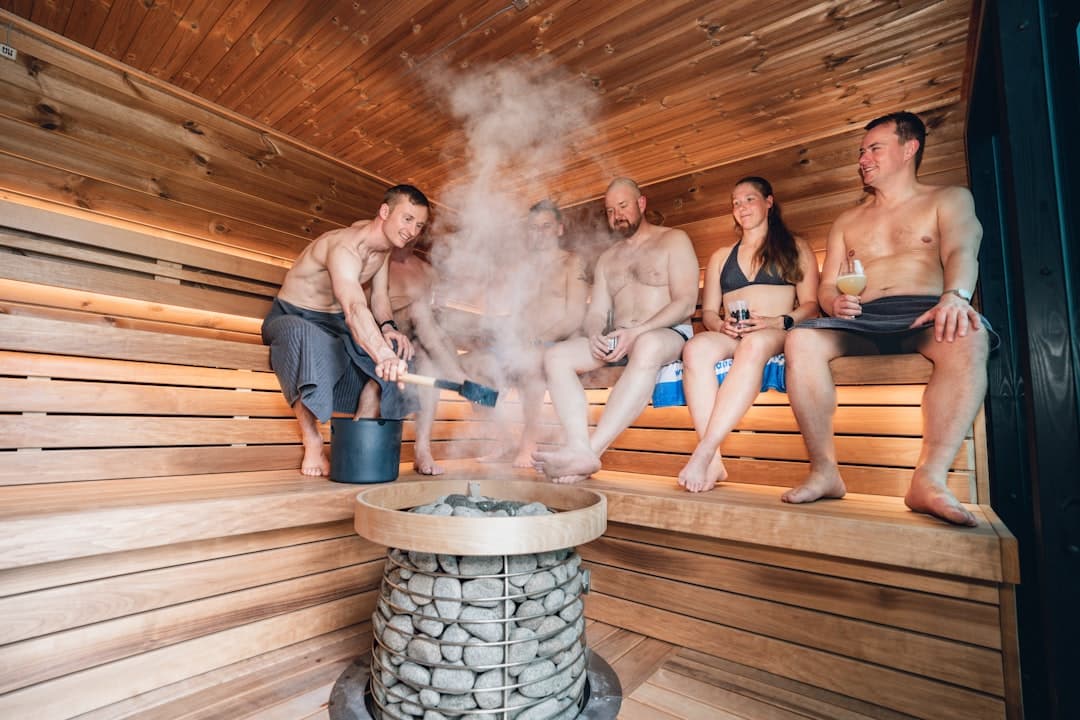
Summary
If you have ever walked past a sauna and wondered if it is real health or just hype, this video takes a bold, experiment-first stance. The speaker, known for extreme protocols, finally tries one of the oldest, a dry sauna. The plan is specific: 200°F (93°C) for 20 minutes daily, 7 days a week, plus 20 ounces of electrolyte water before and after. The video also flags a male fertility workaround (cooling the testicles) and promises unexpected surprises. Here is how to think about that approach, what research suggests, and how to do it more safely.

The relatable question: is sauna just hype?
You want something that actually moves the needle, not another wellness trend.
A sauna looks deceptively simple, sit in a hot box and sweat. The video’s framing is motivating because it treats sauna like a measurable protocol, not a vague self-care ritual.
The video’s unique angle: extreme biohacks, then an “old therapy”
This perspective stands out because it comes from someone who has tried dramatic interventions, from long stints in hyperbaric oxygen to other attention-grabbing experiments. After all that, the surprising move is choosing one of the oldest tools, a dry sauna.
The discussion highlights two headline claims: regular dry sauna use at 175 to 212°F is linked with a 63% reduction in cardiovascular mortality and a 40% reduction in all-cause mortality. Those numbers echo findings from long-running Finnish observational cohorts, where more frequent sauna bathing is associated with lower fatal heart outcomes and overall death rates, as summarized in research reviews like this Mayo Clinic Proceedings articleTrusted Source.
Did you know? In a well-known Finnish cohort, people who used a sauna 4 to 7 times per week had lower rates of fatal cardiovascular events than less frequent users, but the study design cannot prove sauna caused the difference. See JAMA Internal MedicineTrusted Source.
The exact protocol: 200°F for 20 minutes, daily
The plan is aggressive and very clear.
Pro Tip: If you are new to sauna, consider starting below this intensity (lower temperature or shorter sessions) and build up. Your goal is tolerable heat stress, not feeling faint.
Why this might matter for respiratory wellness
Even though the video focuses on mortality stats, sauna is often discussed in respiratory terms because warm air and relaxation can make breathing feel easier for some people. Separately, there is evidence that sauna bathing is associated with reduced risk of certain respiratory outcomes in observational research, for example in European Journal of EpidemiologyTrusted Source.
What the research can and cannot say yet
The key insight here is that the big numbers are associations, not guarantees.
What the research shows: Observational studies repeatedly find that frequent sauna use correlates with better cardiovascular and all-cause outcomes, but people who sauna often may also have other helpful habits (activity level, social routines, stress reduction). A balanced overview is available in Mayo Clinic ProceedingsTrusted Source.
This is why the video’s “daily protocol” approach is compelling, it treats sauna like a consistent exposure you can track. Still, results can vary based on medications, hydration status, baseline blood pressure, and heat tolerance.
Smart safety checks before you copy this plan
Heat is a real physiologic stressor.
Q: Is 200°F for 20 minutes “too much” for beginners?
A: For many people, that is a high starting point. A safer ramp is shorter sessions or lower heat, then increasing gradually as you learn how your body responds.
Jordan Lee, MPH
»MORE: If you want to run your own “sauna experiment,” create a simple log for temperature, minutes, pre and post weight (fluid loss), and symptoms.
Key Takeaways
Frequently Asked Questions
- Does a dry sauna help your lungs?
- Some people feel temporary relief in breathing comfort from warmth and relaxation, but it is not a treatment for lung disease. Observational research links sauna use with lower respiratory risk in some populations, but it cannot prove sauna is the direct cause.
- How often did the video’s protocol use the sauna?
- The protocol is daily: 20 minutes per day, 7 days per week, at 200°F (93°C). It also includes 20 ounces of electrolyte water before and after.
- Is electrolyte water necessary for sauna sessions?
- It depends on how much you sweat, how long you stay in, and your overall diet and health. Electrolytes may help some people replace sodium and other minerals lost in sweat, but people with certain conditions should ask a clinician what is appropriate.
Get Evidence-Based Health Tips
Join readers getting weekly insights on health, nutrition, and wellness. No spam, ever.
No spam. Unsubscribe anytime.