Respiratory System
The Respiratory System niche encompasses the study and health of the organs and structures involved in breathing, including the lungs, airways, and respiratory muscles. It covers a wide range of topics such as respiratory diseases like asthma and COPD, treatments like inhalers and oxygen therapy, and lifestyle factors affecting respiratory health such as smoking cessation and air quality. It also includes conditions like pneumonia, bronchitis, and emphysema, as well as symptoms like shortness of breath and chronic cough.
Explore Topics
In-depth topics to explore in Respiratory System.
Airway: Complete Guide
The airway is the passage that lets air move in and out of the lungs, and it is the first priority in any breathing emergency. This guide explains how the airway works, what can go wrong, how to protect it day to day, and what evidence-based care looks like when seconds matter.
Breathing: Complete Guide
Breathing is more than “air in, air out.” It is a tightly regulated system that balances oxygen delivery, carbon dioxide removal, blood pH, and nervous system state. This guide explains how breathing works, what “good breathing” looks like, how to practice evidence-based techniques, and when breathing exercises can help or harm.
All Articles

Can Snoring Spike Lp(a)? Sleep Apnea Link Explained
Can a “genetic” cholesterol risk marker like lipoprotein(a) be influenced by how you breathe at night? This video’s unique perspective is that unexpectedly high Lp(a) often co-occurs with sleep-disordered breathing, even when other labs look good. The discussion connects mouth breathing, snoring, and transient airway collapse with physiologic stress that may worsen inflammation, insulin resistance, and lipid patterns. You will learn practical clues to look for (dry mouth, snoring, nighttime urination, poor dream recall), why a sleep study can matter, and how addressing breathing during sleep may be a more upstream conversation than jumping straight to medications.
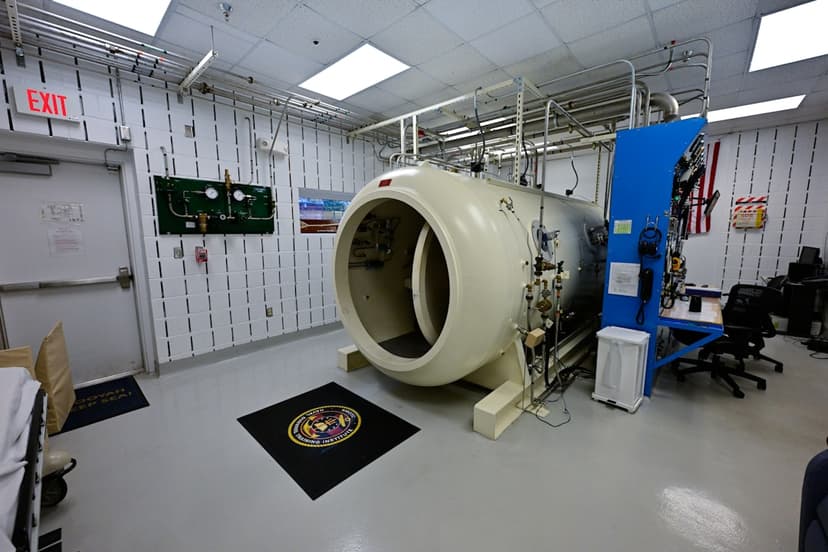
Hyperbaric Oxygen Therapy for Longevity: A Reality Check
Hyperbaric oxygen therapy (HBOT) is often framed as a niche treatment for athletes or stroke recovery, but this video puts it in a longevity spotlight. After 5,400 minutes in a pressurized oxygen chamber (60 sessions in 90 days), the speaker reports surprisingly broad changes, including no detectable inflammation on bloodwork, a 28.6% drop in a cognitive decline marker tied to Alzheimer’s risk, improved microbiome results, better skin health, and longer telomeres. This article investigates those claims, highlights common misconceptions, and explains what research and medical guidance actually support, plus practical questions to ask your clinician.

Mouth Taping for Sleep: Nasal Breathing Benefits
Waking up with a dry mouth, snoring, “puffing” at night, or getting up to pee can be clues that you are breathing through your mouth while asleep. The video’s core message is practical: encouraging nasal breathing, sometimes by gently taping the mouth, may improve sleep quality and duration, and could support memory and metabolic health. It also frames mouth breathing as a possible sign of sleep-disordered breathing, which can contribute to repeated airway collapse and health risks. Because sleep apnea is often missed in women, especially around menopause, persistent symptoms deserve medical attention.

Funny TikToks, Serious Lungs: Oxygen, Vapes, Smoke
A doctor reacting to “Health TikToks That Are Actually Funny” keeps stumbling into a respiratory theme: people swapping oxygen for vapes, a skit that looks like cockroach spray used as “oxygen,” and a grim reminder that doctors once promoted cigarettes. The puzzle is why lung health misinformation spreads so easily when breathing is so basic. This article follows the video’s unique, comedic but evidence-focused perspective, then adds research context on oxygen therapy, vaping risks, and smoking harms. You will also get practical questions to ask before trusting a viral health claim.
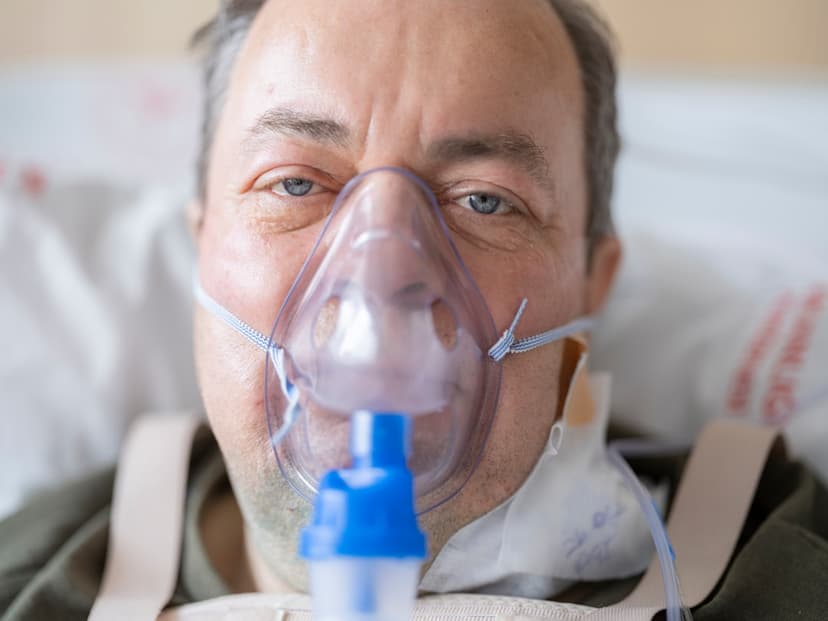
ER Respiratory Crises: Opioids, Sepsis, BiPAP, Airway
Breathing emergencies rarely arrive neatly labeled. In this episode reaction, the clinician keeps returning to a few high stakes questions: Is this opioid toxicity or something else, is shock being recognized early, and are we honoring a patient’s wishes when oxygen is failing? Using cases like a fentanyl positive collapse, pneumonia leading to sepsis and air hunger, and a trauma airway that becomes surgical, this perspective highlights why vitals, mental status baseline, and airway planning matter. It also calls out a common pitfall, mislabeling severe pain as “drug seeking,” especially in sickle cell crisis.
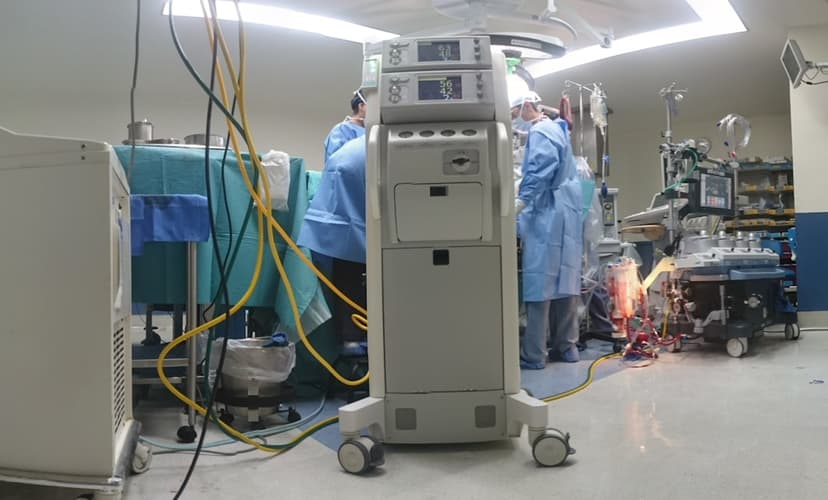
Inside Mass Casualty Triage: Airway, Chest, Blood
Mass casualty events turn an emergency department into a resource-allocation puzzle where seconds matter and perfect care is not always possible. In this video reaction to The Pitt (Episodes 12 and 13), a level-one trauma ER physician breaks down how hospitals surge staff and supplies, triage patients in seconds, prioritize airway and chest threats, and use fast tools like intraosseous access. The discussion also highlights less-obvious realities, communication outages, minimal charting, pediatric differences, and the emotional load of family reunification. This article unpacks those insights and connects them to science-backed trauma principles.
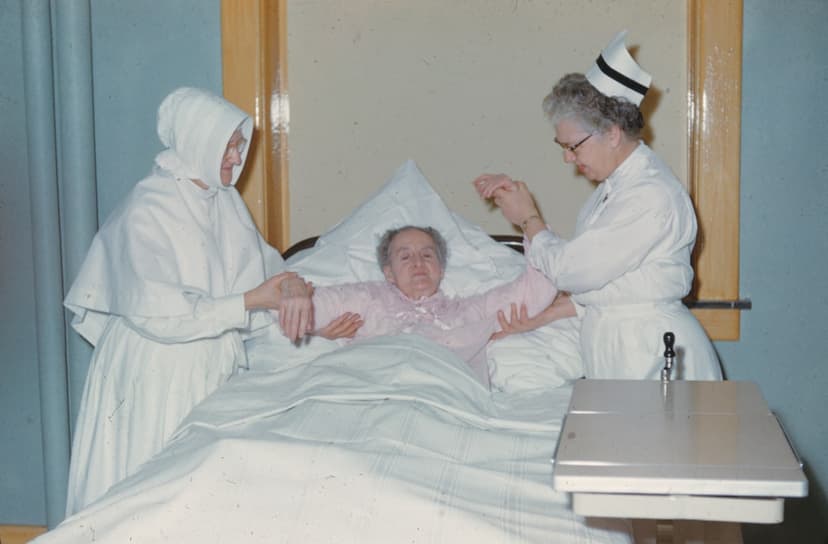
Hospice Nurse Julie on Dying, Breath, and Peace
Many people quietly wonder, “What does dying actually feel like, especially at the end when breathing changes?” In this conversation, Hospice Nurse Julie shares a blunt but compassionate view shaped by years in the ICU and hospice. Her central claim is that fear decreases when we tell the truth early, use plain language, and focus on preventing suffering, not just prolonging life. She contrasts the ICU’s machine driven momentum with hospice’s time for education and choice. You will learn what families often misunderstand about CPR, morphine, and “actively dying,” plus how to prepare for common end of life breathing changes.

Dry sauna hype, a practical daily protocol to try
If you have ever walked past a sauna and wondered if it is real health or just hype, this video takes a bold, experiment-first stance. The speaker, known for extreme protocols, finally tries one of the oldest, a dry sauna. The plan is specific: 200°F (93°C) for 20 minutes daily, 7 days a week, plus 20 ounces of electrolyte water before and after. The video also flags a male fertility workaround (cooling the testicles) and promises unexpected surprises. Here is how to think about that approach, what research suggests, and how to do it more safely.

ER Respiratory Lessons From The Pitt Ep. 4
Most people think “breathing problems” in the ER are mainly about oxygen, but this episode-focused breakdown highlights a different reality, secretions, pain, pressure, and communication can decide outcomes. Using scenes from The Pitt Ep. 4, the clinician-reactor walks through comfort-focused extubation steps (suction, glycopyrrolate, scopolamine, turning off alarms), why mechanism of injury matters in chest trauma, how BiPAP can rarely worsen a small pneumothorax into a tension pneumothorax, and what “air hunger” and agonal respirations can look like. You will also learn practical questions to ask and warning signs that need urgent help.

Is Your Home Making You Sick? 15 Practical Fixes
Ever wonder why you feel worse at home than you do outside? This video’s perspective is simple and a little unsettling: your house can quietly load your lungs and body with particles, gases, and chemicals, and the fix starts with measuring, not guessing. The approach prioritizes systems you set once, like a higher-rated HVAC filter, plus a few high-impact habits, like taking shoes off at the door. You will also see a healthy skepticism toward labels and “clean” apps, and a push for real data, including sensors for air quality, carbon monoxide, and radon. The goal is progress, not perfection.

Exploring Shared Death Experiences: A Unique Perspective
In the video titled 'Do You Believe In This?', the speaker shares a profound shared death experience with a patient diagnosed with pancreatic cancer. This experience brought about feelings of peace and joy, highlighting the deep emotional connection and existential reflections that can occur during end-of-life moments. This article delves into the speaker's narrative, exploring the psychological and emotional dimensions of shared death experiences, supported by existing research.