ER Respiratory Crises: Opioids, Sepsis, BiPAP, Airway
Summary
Breathing emergencies rarely arrive neatly labeled. In this episode reaction, the clinician keeps returning to a few high stakes questions: Is this opioid toxicity or something else, is shock being recognized early, and are we honoring a patient’s wishes when oxygen is failing? Using cases like a fentanyl positive collapse, pneumonia leading to sepsis and air hunger, and a trauma airway that becomes surgical, this perspective highlights why vitals, mental status baseline, and airway planning matter. It also calls out a common pitfall, mislabeling severe pain as “drug seeking,” especially in sickle cell crisis.

Why this episode’s respiratory lens matters
Breathing problems are often the first domino in an emergency.
Once oxygen delivery drops, everything else becomes harder: the brain cannot think clearly, the heart rhythm becomes unstable, and the kidneys start to fail. What makes this episode’s perspective distinctive is how relentlessly it ties every dramatic moment back to basic physiology and bedside decision making, not just the storyline.
The discussion keeps asking “why” behind the actions. Why intubate at a certain neurologic score. Why low blood pressure should change how you interpret heart rate. Why pneumonia is not only a lung infection, it can become a whole body perfusion crisis.
It also highlights a reality families experience but rarely hear explained plainly: sometimes the most intense decisions are not about whether a condition is “treatable,” they are about whether the treatment matches the person’s goals.
Did you know? Sepsis is a medical emergency where infection can trigger life threatening organ dysfunction. Early recognition and treatment are strongly emphasized by organizations like the CDCTrusted Source.
This is an investigative walkthrough of the episode’s respiratory and critical care themes: opioid toxicity clues, sepsis and pneumonia, BiPAP and air hunger, airway trauma, and the ethics of life support.
Pinpoint pupils, naloxone, and the trap of a single diagnosis
A 19 year old is found unresponsive, barely breathing, with pinpoint pupils.
That visual detail matters because tiny pupils plus slow or absent breathing is a classic opioid overdose pattern. The episode emphasizes a practical point for the public: naloxone (Narcan) is increasingly available, often as a nasal spray, and in some places it can be purchased without a prescription.
But the more investigative point is what happens next.
Naloxone is given and the breathing does not pick up. That pushes the team away from a neat, single explanation. The framing here is important: a non response does not magically rule opioids out, but it should widen the differential diagnosis.
Several “why” questions come up implicitly:
The episode also notes that other toxins may mimic parts of opioid overdose. For example, some drugs can cause severe sedation and low blood pressure, even if they do not cause pinpoint pupils.
Why fentanyl changes the overdose timeline
A key point in the episode is potency.
Fentanyl is often dosed in micrograms, not milligrams, which illustrates how small an amount can have a big physiologic effect. That matters in real life because illicit drugs can be contaminated with fentanyl in unpredictable amounts.
Even tiny dosing errors can stop breathing.
For readers who want a grounded reference, the National Institute on Drug AbuseTrusted Source explains that fentanyl is a powerful synthetic opioid and is a major driver of overdose deaths.
Important: If you suspect an opioid overdose, call emergency services immediately. Naloxone can wear off before the opioid does, so a person can stop breathing again after initially waking up. Guidance on recognizing overdose and responding is summarized by the CDCTrusted Source.
GCS, intubation thresholds, and what “airway protection” really means
The episode repeatedly returns to one rule of thumb: “Anything below 8, you intubate.”
That phrase refers to the Glasgow Coma Scale (GCS), a 3 to 15 point scale used to describe level of consciousness. In the scene, the patient is described as GCS 3, the lowest possible score.
Here is the investigative “why” behind that threshold.
When someone is deeply unconscious, the danger is not only low oxygen. It is also aspiration. Vomit, saliva, or blood can slide into the airway silently, and the person cannot cough or protect themselves.
“Airway protection” means clinicians are trying to prevent a second disaster while treating the first.
It is also why the episode’s clinician reacts strongly to the idea that if this were “just opiates,” naloxone should have led to spontaneous breathing. If breathing does not return, the team has to assume the airway will remain unsafe.
Pro Tip: If you are with someone who is unresponsive, focus on what buys time safely: call emergency services, start CPR if there is no normal breathing, and use naloxone if opioid overdose is possible. The American Heart AssociationTrusted Source provides CPR and emergency response guidance.
Shock clues hiding in plain sight: blood pressure, heart rate, and compensation
One of the most distinctive parts of this episode’s commentary is how it interrogates vital signs.
Blood pressure is low, for example 84/58, and the heart rate is not very high, around the 60s. The clinician’s concern is not just “hypotension is bad.” It is that the body usually tries to compensate.
In many forms of shock, heart rate rises to maintain cardiac output.
So when blood pressure is low and heart rate is not appropriately elevated, the episode frames it as a clue: either the shock is extremely severe, or something is blocking compensation.
That “something” could be medication toxicity, conduction problems, or nervous system failure. The point is not to diagnose from a couch. The point is to show how clinicians use patterns to decide what to do next.
The scene includes the use of push dose epinephrine (a small bolus of adrenaline like medication to raise blood pressure). The clinician expresses surprise that the team is not also giving “wide open fluids” to see if the patient is fluid responsive.
That critique is not about one magic choice. It is about the logic of shock management: if low blood pressure is due to low circulating volume, fluids can help. If it is due to vasodilation or pump failure, pressors may be needed. Often, emergency care involves both, carefully, while searching for the cause.
What the research shows: Clinical guidelines emphasize early recognition and rapid treatment of septic shock with fluids and vasopressors when needed. The Surviving Sepsis CampaignTrusted Source provides widely used recommendations.
Pneumonia to sepsis: when infection becomes a whole body oxygen problem
A second storyline centers on an older adult from assisted living with pneumonia and sepsis.
This is where the respiratory niche becomes more than lungs. Pneumonia starts in the lungs, but sepsis is about what happens when infection and inflammation disrupt circulation and organ function.
The episode explains sepsis in plain language: bacteria in the lungs can “seed” into the blood, toxins and inflammatory signals can trigger widespread blood vessel dilation, blood pressure drops, and organs do not get perfused.
Low perfusion is an oxygen problem.
Even if oxygen levels on the monitor look acceptable, the tissues may still be starving if blood pressure is too low to deliver oxygen effectively.
The commentary also highlights why hospitals are judged on sepsis response time. That reflects real world pressure: sepsis protocols often include rapid antibiotics, fluid resuscitation, and close monitoring.
For a non technical overview, the CDC sepsis pageTrusted Source describes symptoms, risk factors, and urgency.
“Is this his baseline?” is not small talk
The episode pauses on a question many families have heard: “Is this his baseline?”
It is a deceptively critical question in older adults, especially with dementia. Altered mental status can be the only sign of infection or low oxygen. But if you do not know the person, you cannot tell what is new.
Family at the bedside becomes clinical data.
That is a unique emphasis here: better communication is not just emotional support, it can change the accuracy of diagnosis and the speed of treatment.
BiPAP, air hunger, and the uncomfortable fluid balance in frail patients
The oxygen alarm goes off.
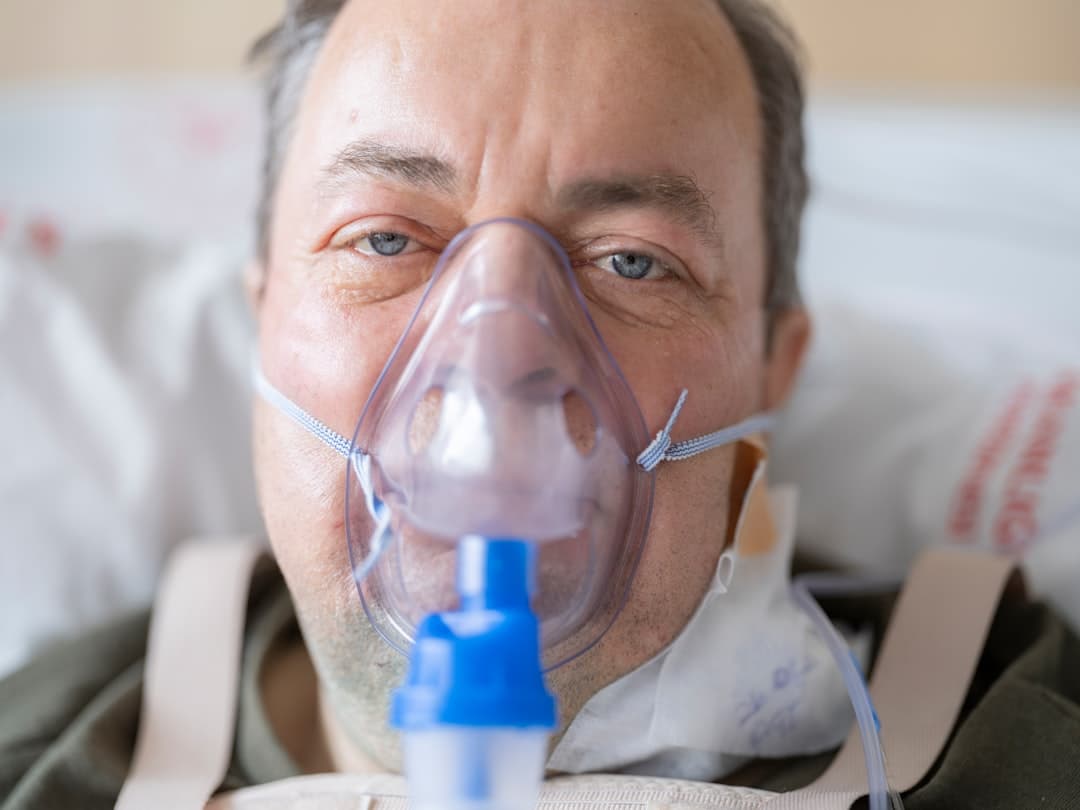
The older patient becomes more short of breath, described as “air hunger.” The episode introduces BiPAP, a pressurized mask that supports breathing more than a standard oxygen mask.
BiPAP can improve oxygenation and reduce the work of breathing.
But the “why” behind BiPAP in this scene is bigger than oxygen. The patient has sepsis, has received fluids, and may have a heart that cannot handle the extra volume. The episode explains the clinical trap:
This is why the commentary calls it “no good place to go.”
It is a balancing act between perfusion and pulmonary congestion. Sometimes clinicians use vasopressors to reduce the amount of fluid needed, and sometimes they use diuretics like furosemide (Lasix) to offload fluid, but that can lower blood pressure further.
The episode also makes a comfort focused point: morphine is sometimes used not only for pain, but to reduce the sensation of air hunger in end of life care.
That does not mean morphine is appropriate for everyone with shortness of breath. It means that in comfort focused situations, clinicians may choose treatments that reduce suffering rather than prolong life at any cost.
Resource callout: Want a practical checklist for families during a hospitalization? Consider creating a one page “baseline and wishes” sheet: usual mental status, mobility, medications, and advance directive details. It can reduce confusion during emergencies.
Advance directives under pressure: “treatable” is not the same as “wanted”
This episode’s most human tension is also a medical systems tension.
The patient has an advance directive: IV fluids and medications are okay, but no CPR and no artificial life support, including intubation. The family struggles when the patient worsens and BiPAP is maxed out.
“Pneumonia is treatable” is true.
But the episode argues that treatable is not the same as beneficial for this person. Intubation can mean sedation, restraints, frequent blood draws, delirium, and a prolonged ICU course. Even in the best case, the person may not return to their prior baseline.
This viewpoint is blunt: CPR and intubation are not neutral interventions, especially in frail older adults.
The clinician in the episode also notes a real world complexity: patients can change their mind, even if they have an advance directive, as long as they have capacity. But when they cannot speak for themselves, the directive and the designated decision maker matter.
For readers wanting context, the National Institute on AgingTrusted Source explains advance care planning, health care proxies, and how to document preferences.
Q: If someone has a DNR or “no intubation” order, does that mean doctors stop treating them?
A: Not necessarily. Many people choose limits like no CPR or no breathing machine, while still wanting antibiotics, fluids, oxygen, and other treatments that may help them recover.
The key is specificity: what outcomes matter most, what burdens are acceptable, and who can speak for the person if they cannot speak for themselves. Clear documentation and early conversations make emergency moments less chaotic.
Episode’s clinician perspective, emergency care focused
Trauma airways: when swelling forces a surgical breathing route
A younger patient arrives after an e scooter crash with facial fractures.
Initially, vitals are good and the patient is alert. Then oxygen levels drop and the team struggles to visualize the vocal cords because of swelling.
This is the airway nightmare: you cannot intubate from above, and you cannot wait.
The episode shows the pivot to a surgical airway, described as cutting directly into the windpipe. The clinician highlights a technical detail that is easy to miss: a vertical incision can reduce the risk of cutting major blood vessels in the neck.
Then comes confirmation.
The episode mentions end tidal CO2 color change (yellow indicating CO2 detection), which is one method of confirming that the tube is in the airway and not the esophagus. In real practice, teams often use continuous waveform capnography and confirm with additional methods, including chest rise, breath sounds, and imaging depending on the situation.
This scene’s investigative lesson is about planning.
Airway decisions are time sensitive, and swelling can turn a previously manageable airway into an impossible one quickly. That is why emergency teams prepare backup plans early.
Pain, bias, and respiratory safety: the sickle cell crisis vignette
A patient is labeled “drug seeking” after being disruptive on a bus and asking for narcotics.
The episode pushes back hard on that label. It points out that severe pain behaviors are not evidence of manipulation, and that sickle cell vaso occlusive crisis can cause extreme bone and tissue pain.
This matters in a respiratory system article for a less obvious reason.
Pain treatment and breathing safety are linked. High dose opioids can suppress breathing, especially in people who are opioid naive or who have other sedating medications onboard. At the same time, undertreated pain can raise heart rate, blood pressure, stress hormones, and can worsen overall physiologic strain.
The episode shows a clinician recognizing the pattern and shifting to appropriate care, including 10 mg IV morphine, with a plan to repeat if needed.
That is not a recommendation for readers to self dose. It is a window into how emergency teams may treat severe pain while monitoring breathing and oxygenation.
For background on sickle cell disease and pain crises, the CDC sickle cell pageTrusted Source provides an overview.
Important: If you or a loved one has sickle cell disease and develops severe pain, chest pain, shortness of breath, fever, or confusion, seek urgent medical care. Complications like acute chest syndrome are medical emergencies and need prompt evaluation. The NIHTrusted Source discusses complications and when to seek help.
Key Takeaways
Frequently Asked Questions
- Why might naloxone (Narcan) not wake someone up right away?
- A lack of response can happen if the dose is insufficient, if the substance is not an opioid, or if there is a co ingestion causing sedation. It is also possible for severe hypoxia or brain injury to keep someone unresponsive even after opioid effects are reversed.
- What does BiPAP do for pneumonia or sepsis related breathing trouble?
- BiPAP provides pressurized support that can reduce the work of breathing and improve oxygen levels. It may buy time while antibiotics and other treatments work, but if breathing continues to fail, clinicians may discuss intubation depending on goals of care.
- What does “GCS 8, consider intubation” mean in plain language?
- It reflects concern that a deeply unconscious person may not be able to protect their airway from choking or aspiration. Clinicians use GCS along with breathing, oxygen levels, and other findings to decide if a breathing tube is needed.
- Can a family override an advance directive about intubation?
- Rules vary by location and circumstances, but generally an advance directive expresses the patient’s preferences and carries significant weight. Hospitals may involve ethics teams or legal counsel when there is conflict, especially if the patient cannot speak for themselves.
Get Evidence-Based Health Tips
Join readers getting weekly insights on health, nutrition, and wellness. No spam, ever.
No spam. Unsubscribe anytime.